Henry II (1519–1559), King of France by http://www.wikidata.org/.well-known/genid/d97354b0ef4edd39072638ea34767c18
View the artwork: Henry II (1519–1559), King of France →
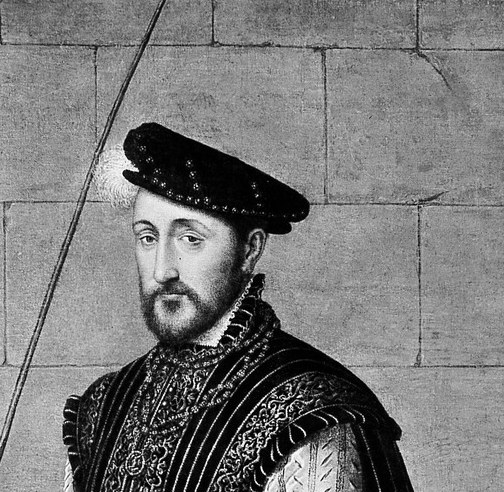
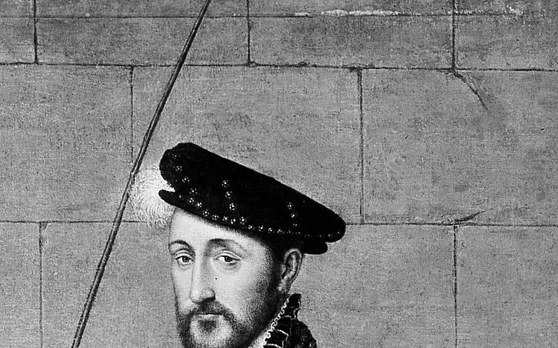
This is a portrait of Henry II, King of France, painted around 1600. The intrigue? Henry died in 1559, four decades earlier. The artist never laid eyes on him.
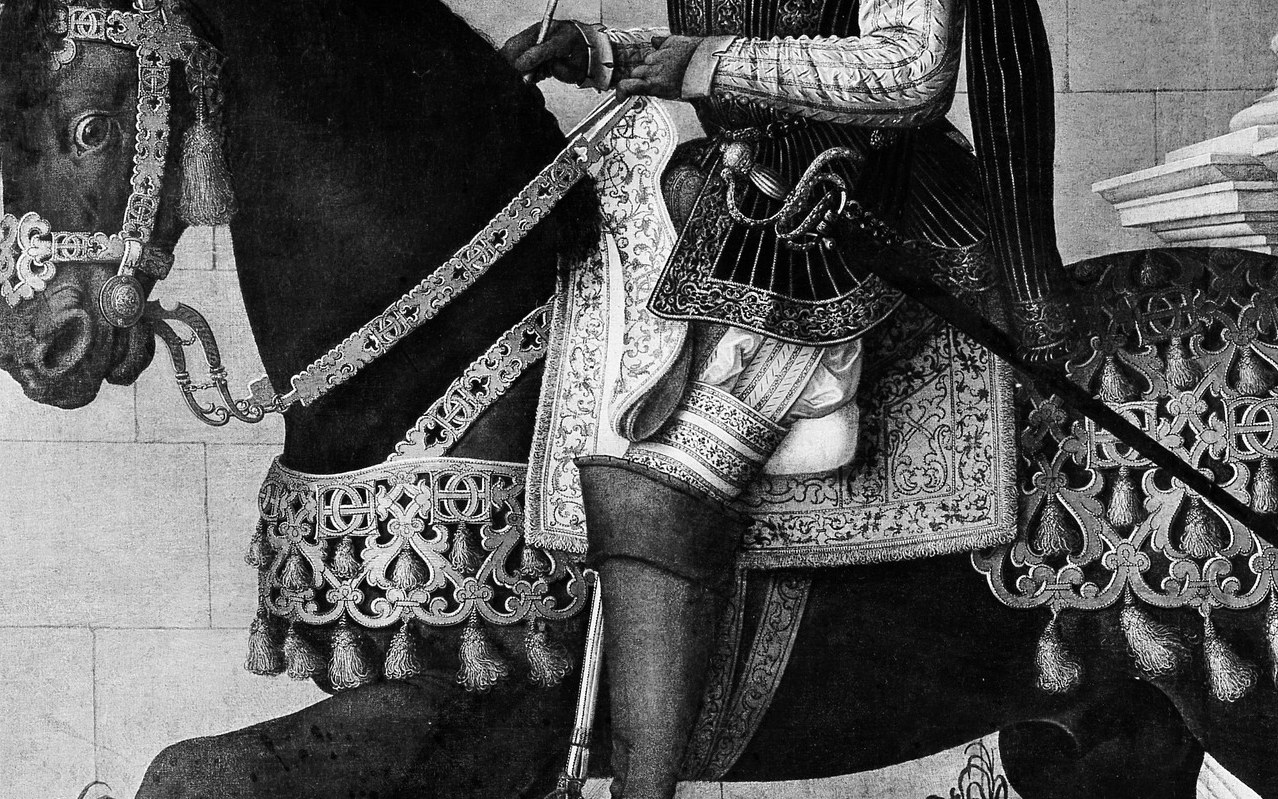
Look closely at the face. It has a stillness that reads as regal composure, but it was built from a death mask and old portrait medals. The body beneath that embroidered doublet belonged to a living model, dressed in the king's actual armor so the painter could study how the plates caught the light.
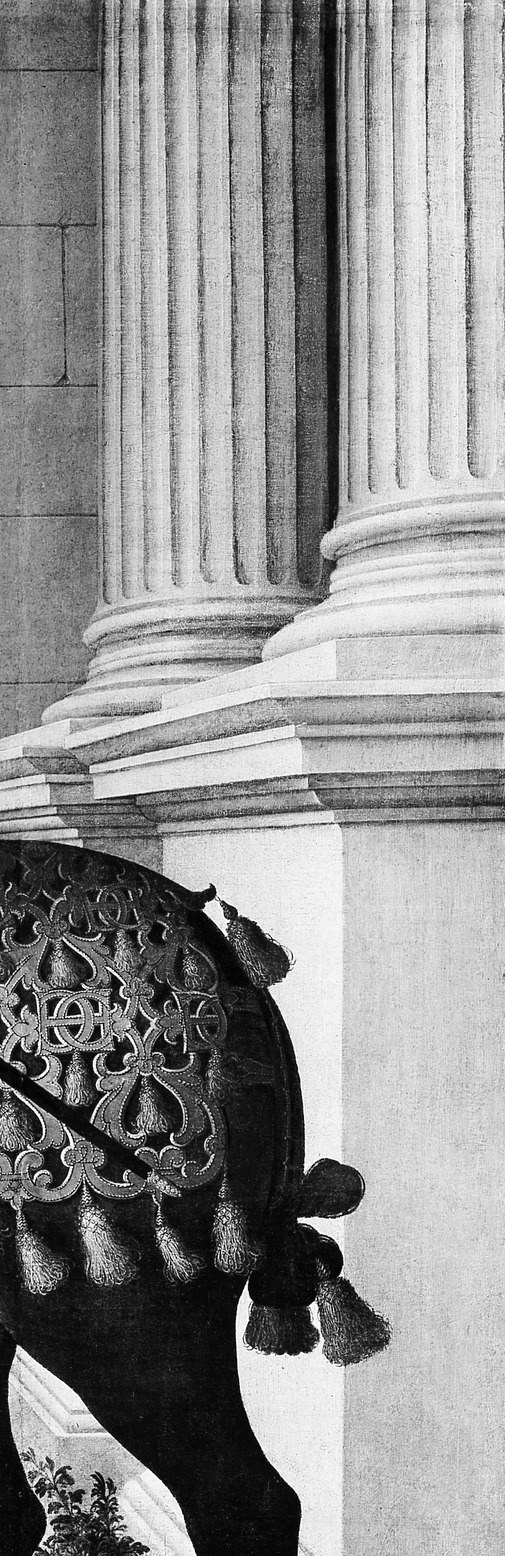
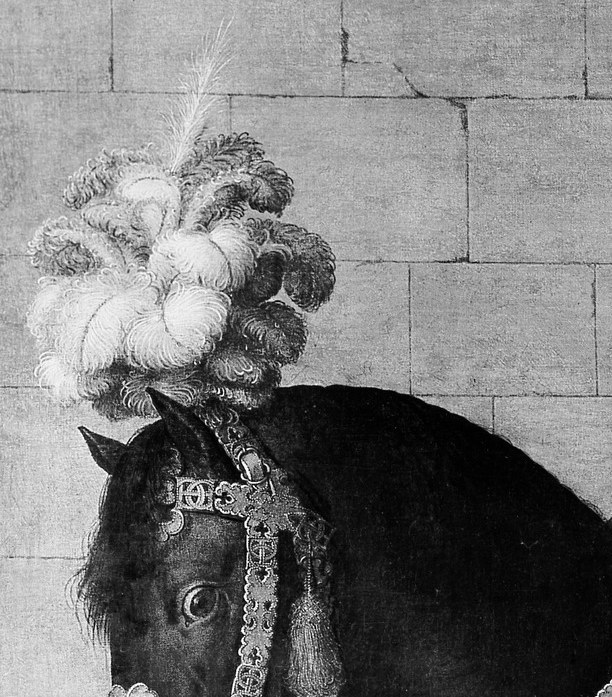
The painting was commissioned long after Henry's death to solidify dynastic memory. An equestrian portrait was the ultimate statement of authority, placing the monarch in a tradition stretching back to Roman emperors. Every detail, from the classical column to the raised foreleg of the horse, was a calculated signal of power.
The result is a historical ghost: a posthumous fiction so carefully constructed that for centuries it shaped how people pictured this king. A man who died violently in a jousting accident was made to ride calmly forever.
#arthistory #frenchrenaissance #equestrianportrait
Details
Transcript
He looks like a king in total command. Henry II of France died in 1559, from a jousting wound. This painting was made forty years after his death. The artist never saw the king. He worked from old medals and a death mask. He dressed a model in the king's real armor to get the body right. The result is a fiction so convincing it became the official portrait. A dead king, painted from a cast of his face, ruling forever.