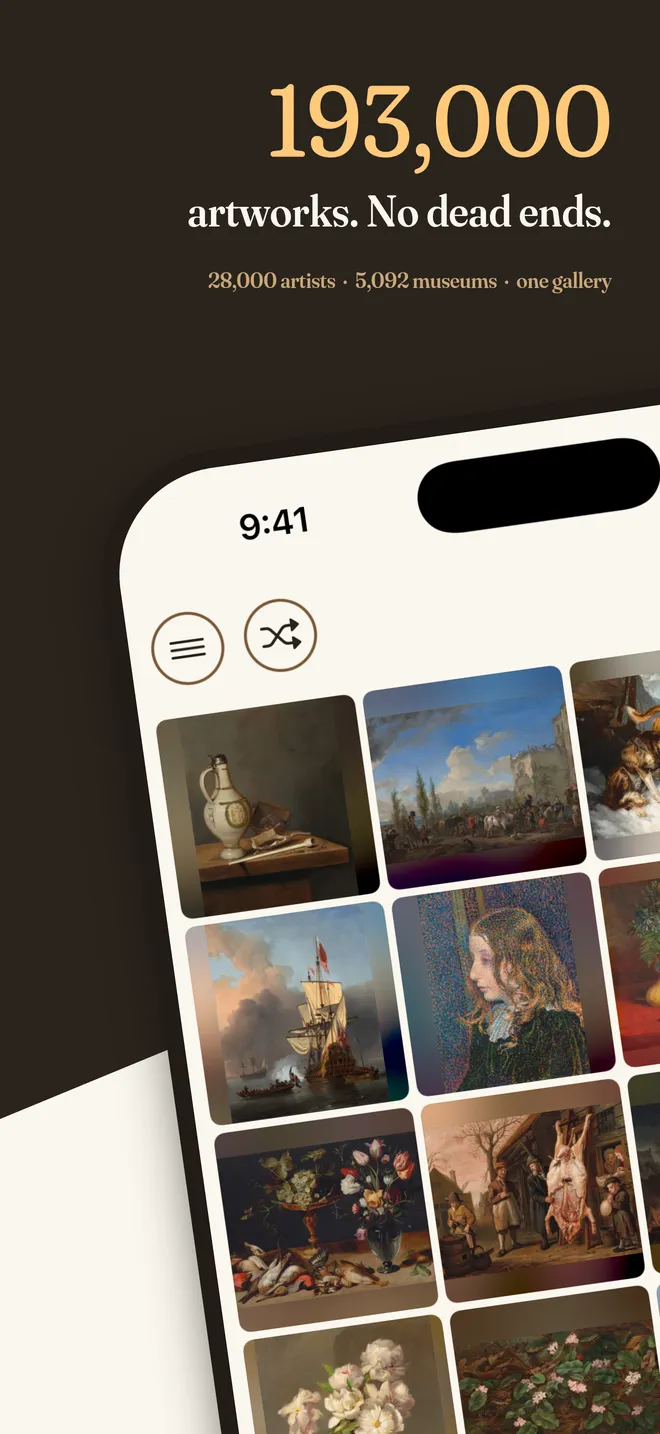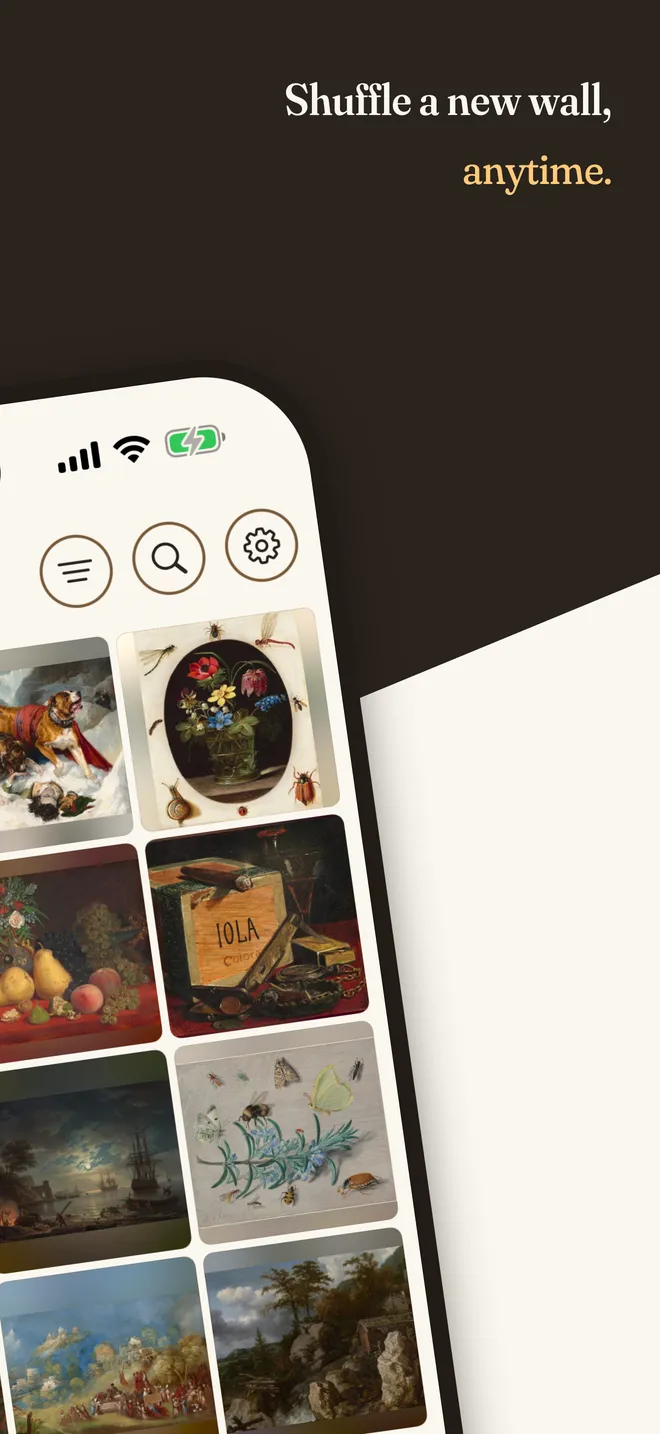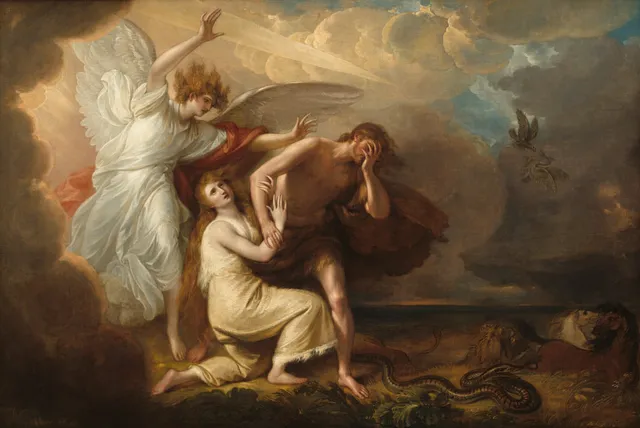
192,829 works · 1,000+ museums · all public domain
Explore by color
Browse 190,000+ works by hue — the only art archive you can search the way a painter sees: red, gold, cerulean, and ten families more.
Or build a palette of two and three colors at once — explore the palette browser.
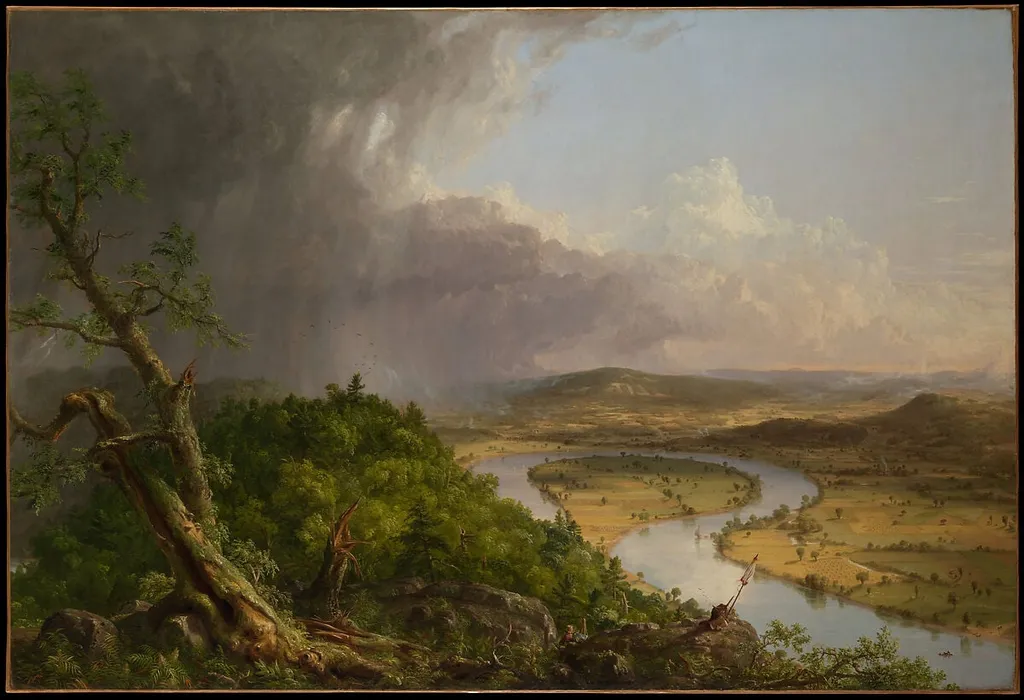
Featured work
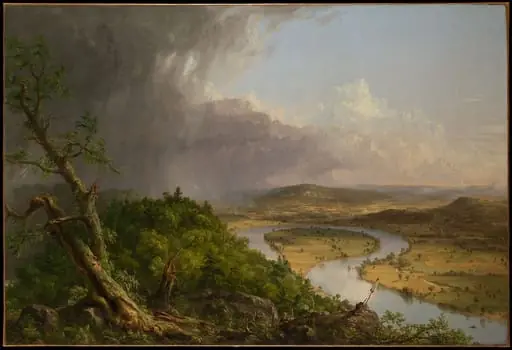
View from Mount Holyoke, Northampton, Massachusetts, after a Thunderstorm—The Oxbow — Thomas Cole , 1836
Cole splits the canvas: storm and wilderness left, plowed valley right — a country deciding which to be.
View the recordCollections
Themed selections cut from the catalog — In Bloom to the open ocean, the Dutch Golden Age to dogs in art. Every work in them is ready to print and frame.
- Under the Canopy Trees in Art 3,437 works
- Ornament Decorative & Pattern 2,974 works
- Still Life, Still Time The Laid Table 2,825 works
- In Bloom Flowers in Art 2,667 works
- History Painted Historical & Military 2,485 works
- The Sea & Ships Maritime Painting 2,064 works
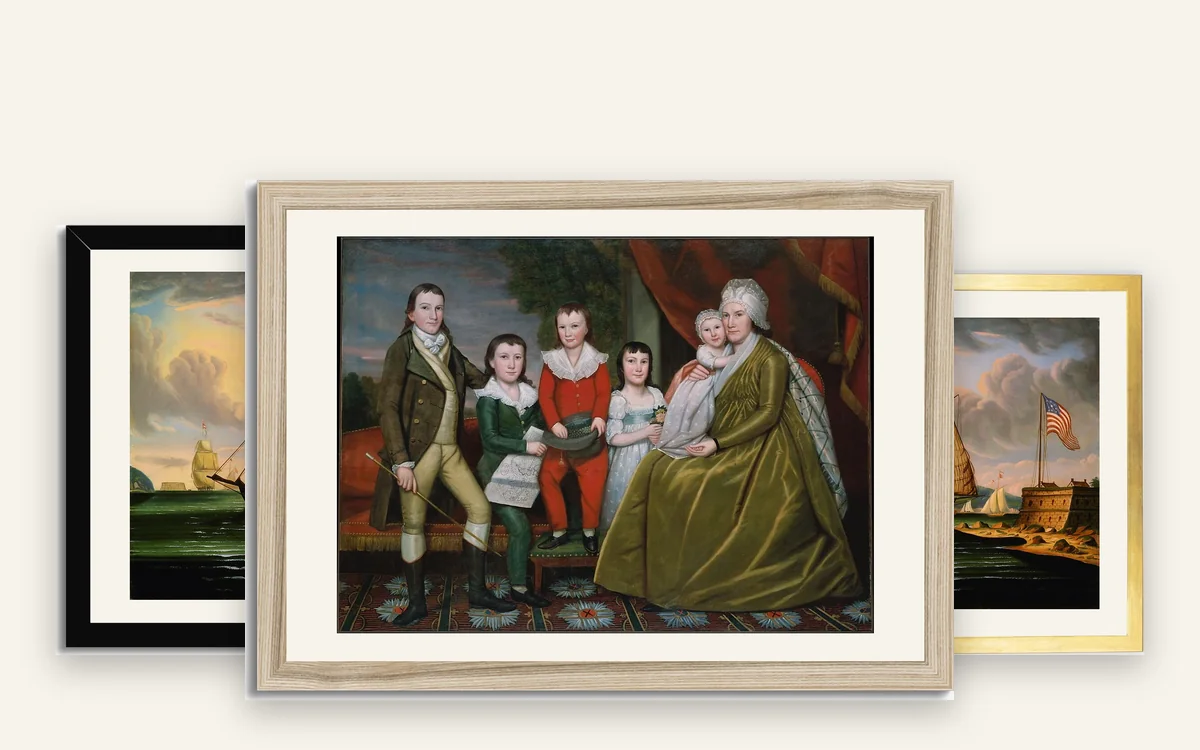
- The Family Hour Children & Family 1,984 works
- Floating Worlds Asian Painting 1,934 works
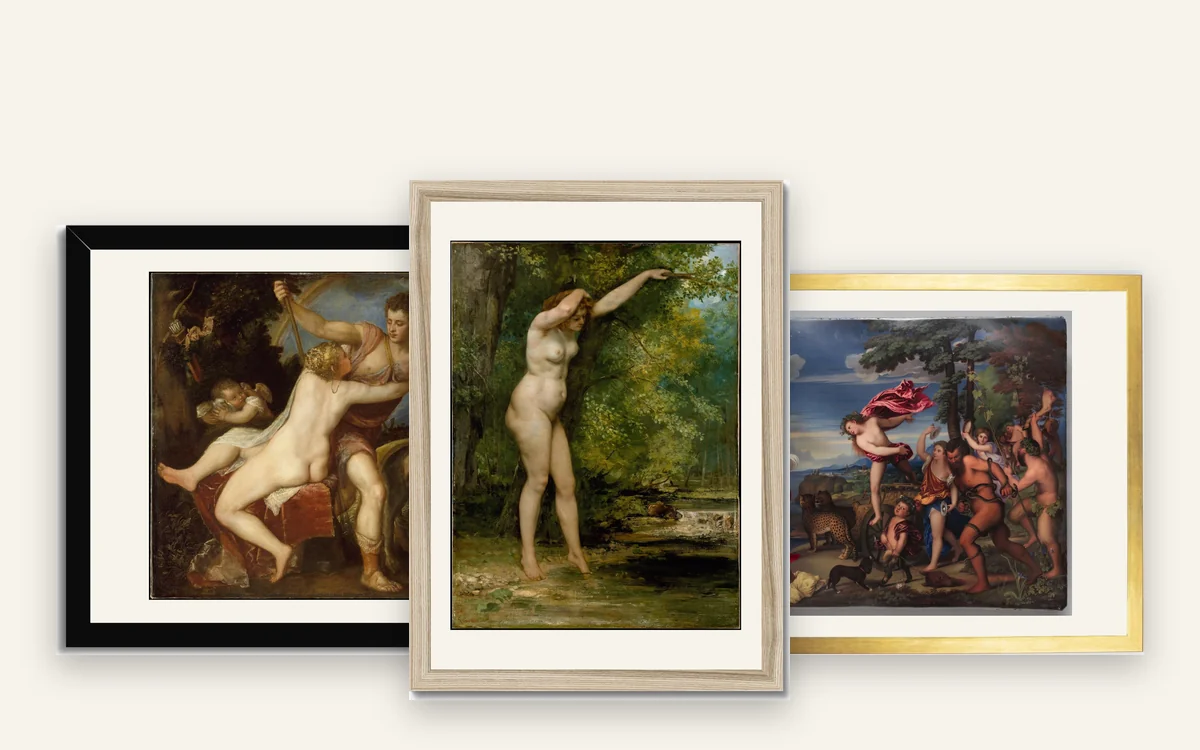
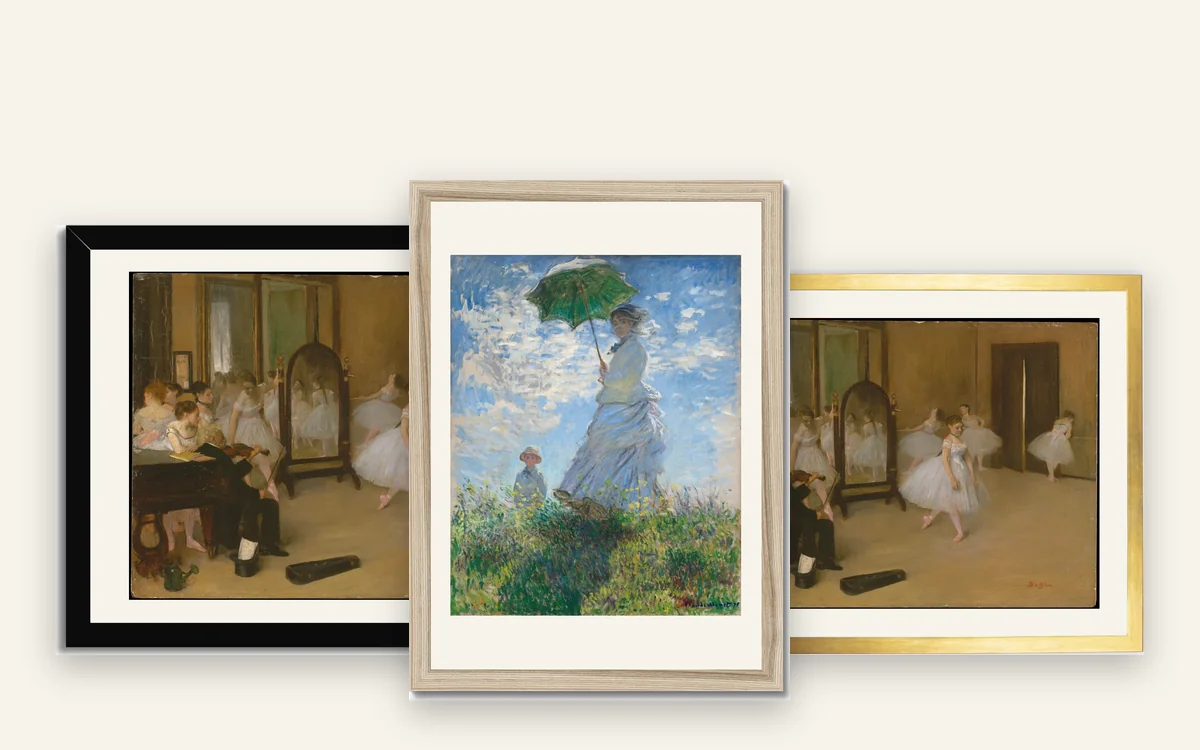
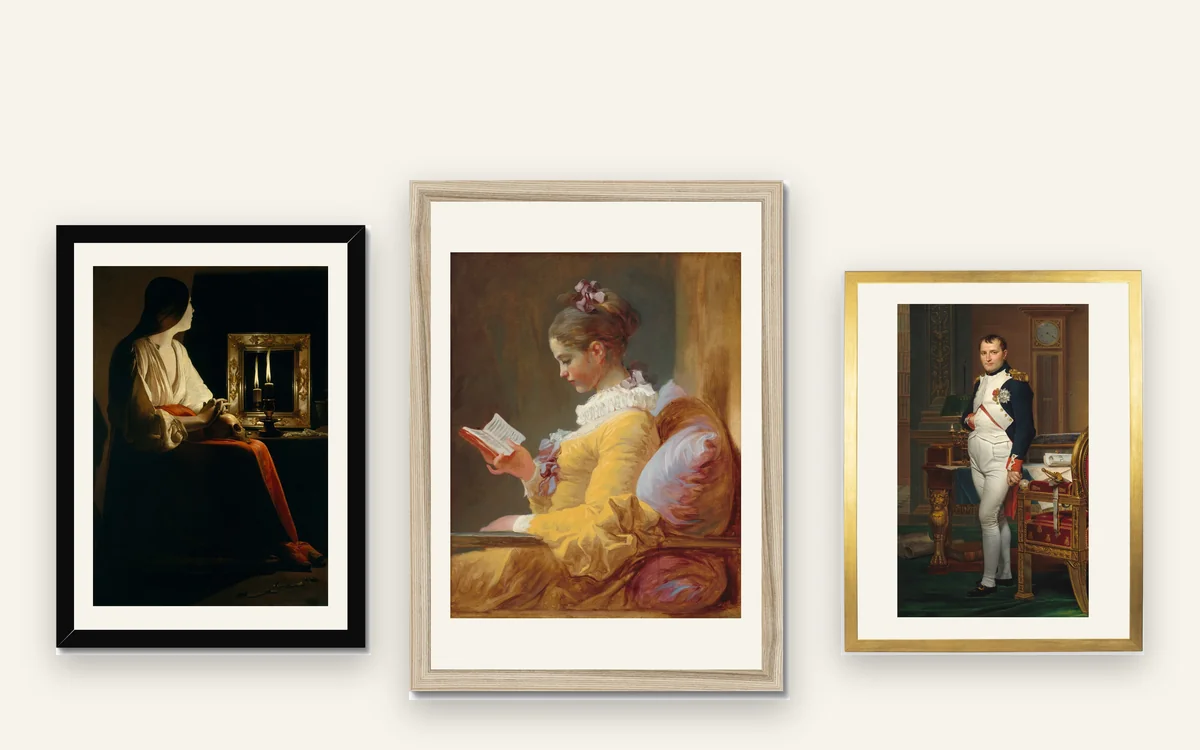
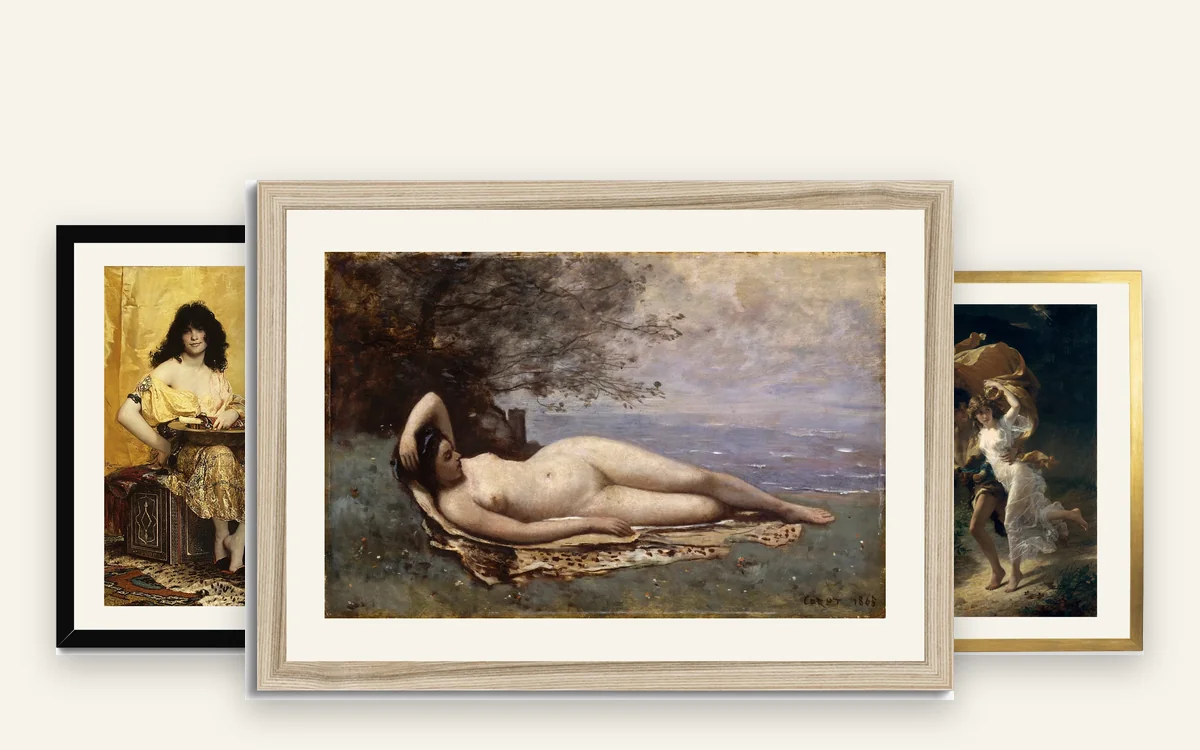
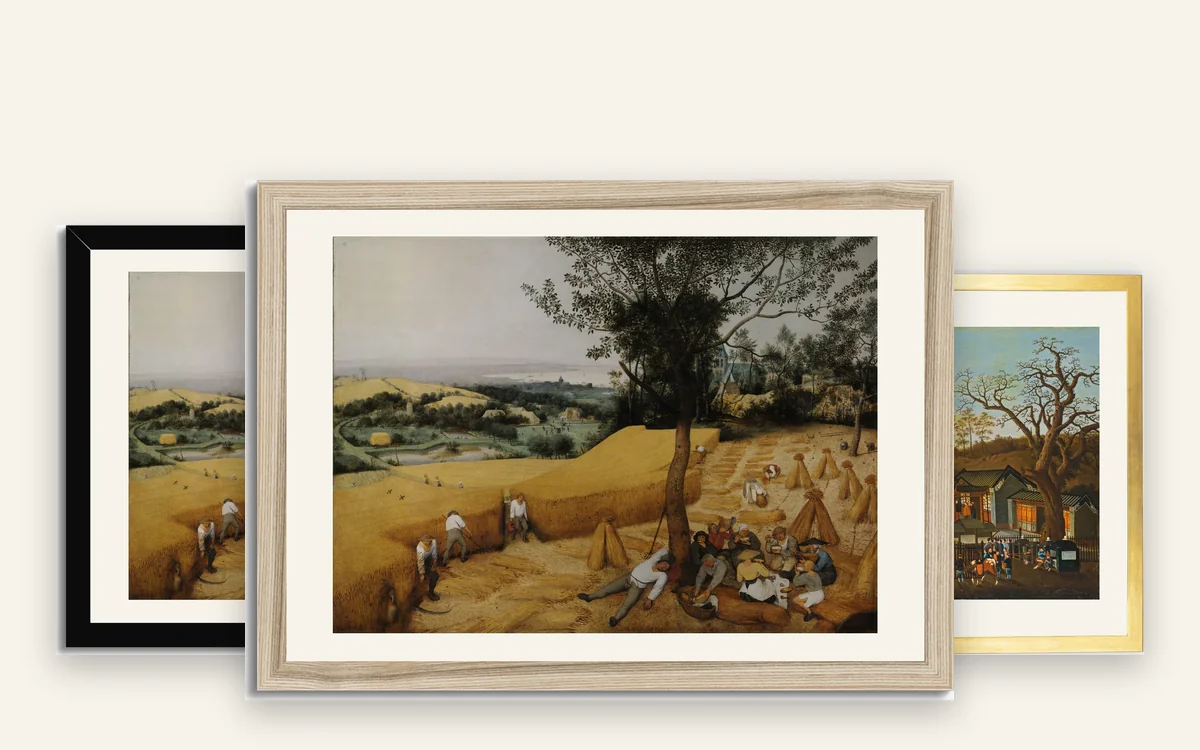
Great series
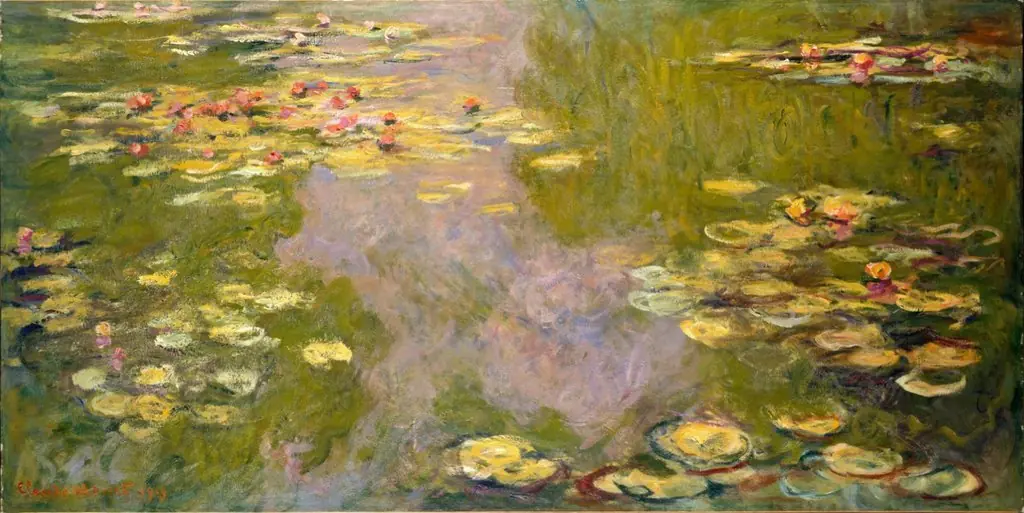
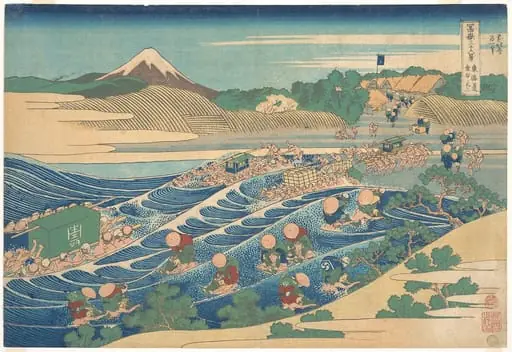
The cycles a painter returned to again and again: Monet's water garden across 28 canvases, Hokusai's thirty-six views of one mountain, Cezanne at Mont Sainte-Victoire. Whole bodies of work, kept together.
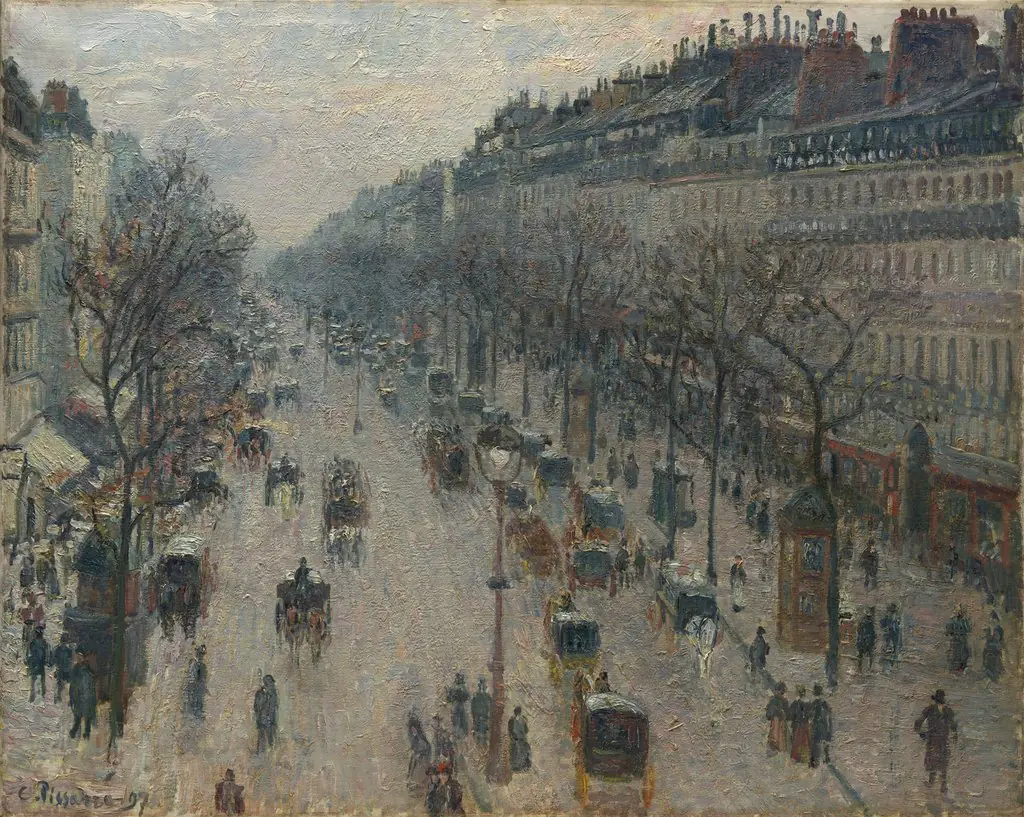
- Boulevard Montmartre 4 works 4 works across 4 museums
- Water Lilies 28 works · Claude Monet 28 works across 8 museums
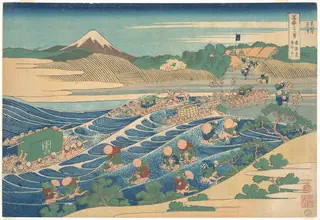
- Thirty-six Views of Mount Fuji 3 works · Katsushika Hokusai 3 works
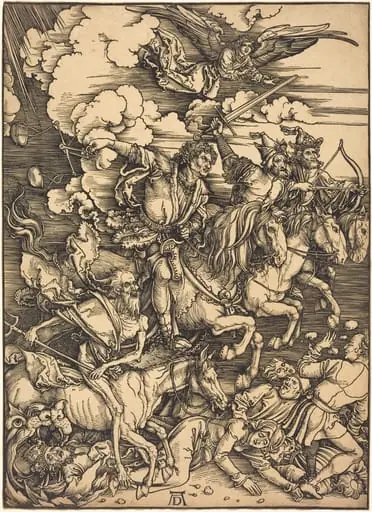
- Apocalypse 17 works · Albrecht Dürer 17 works across 5 museums
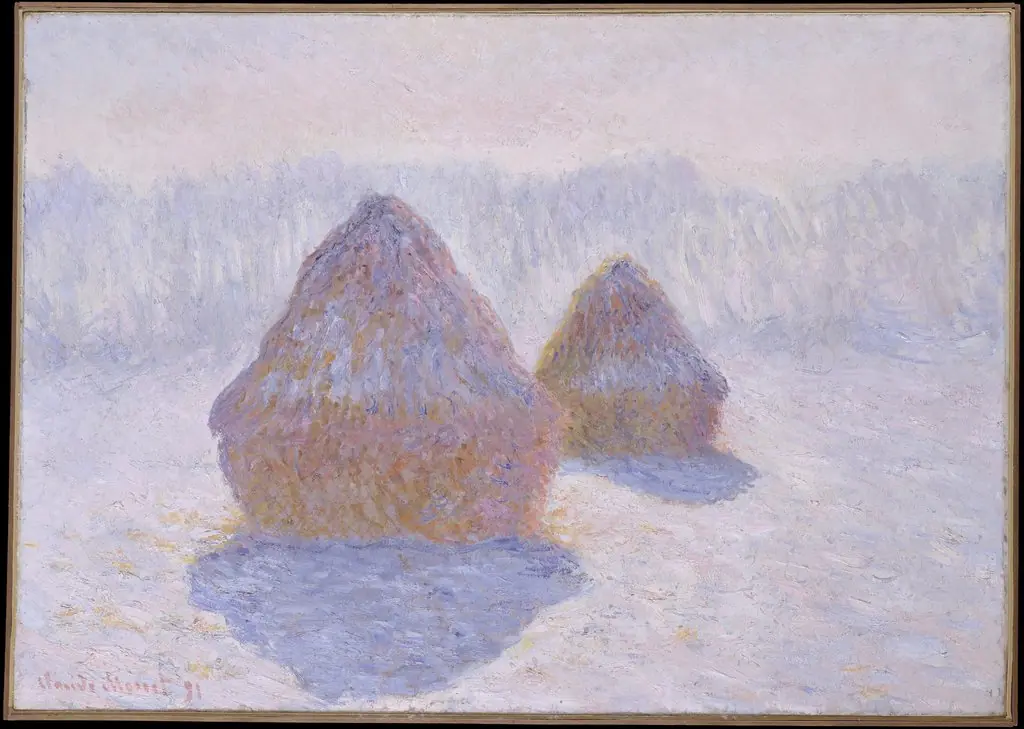
- Haystacks 11 works · Claude Monet 11 works across 6 museums
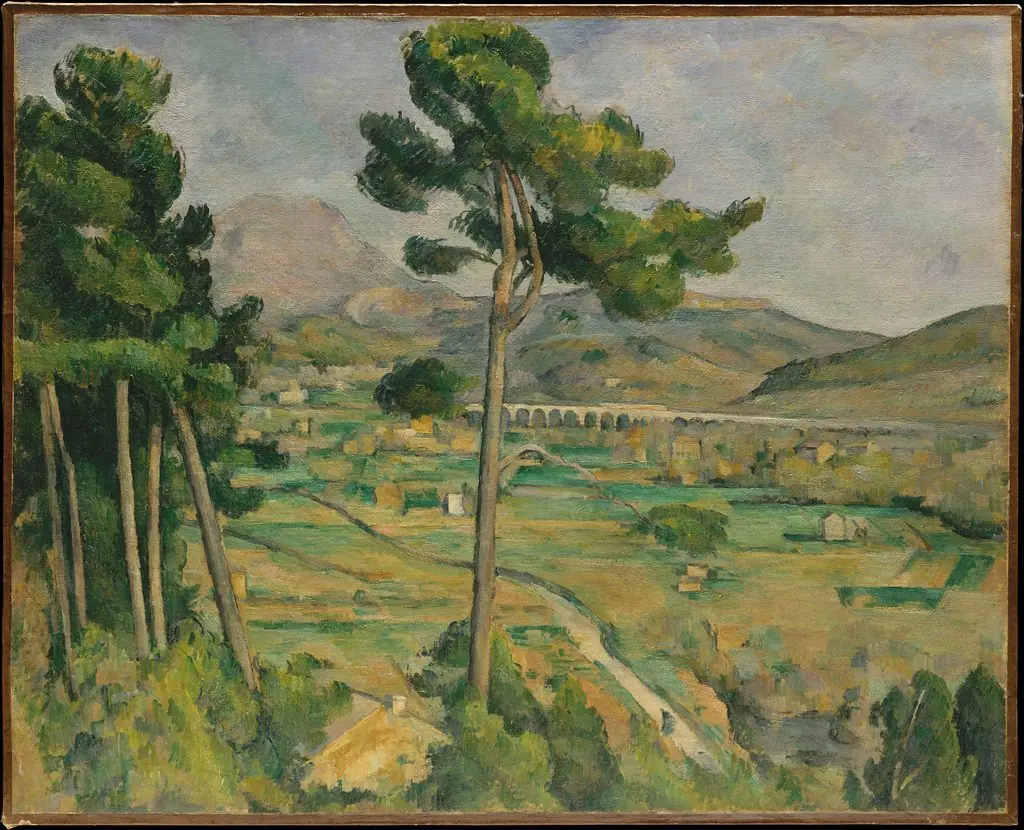
- Mont Sainte-Victoire 10 works · Paul Cezanne 10 works across 6 museums
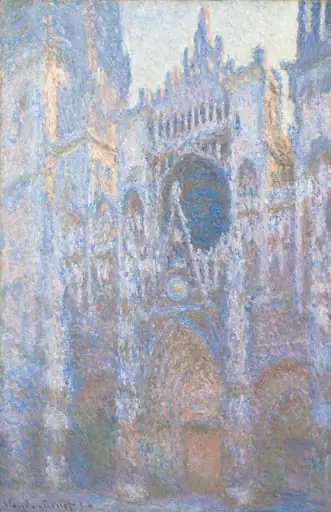
- Rouen Cathedral 8 works · Claude Monet 8 works across 6 museums
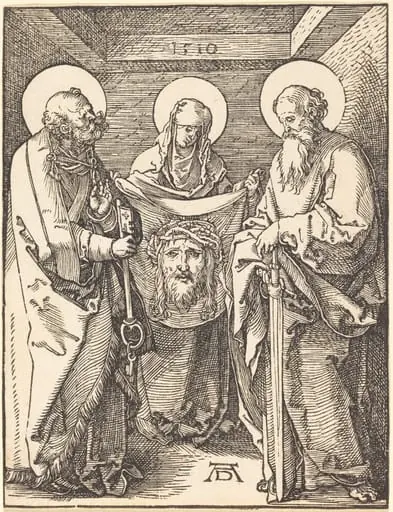
- Little Passion 30 works · Albrecht Dürer 30 works across 5 museums
A Timeline of Art
Walk 190,000+ works decade by decade — from the Baroque dark through the Impressionist revolution to the dawn of Modernism. Every decade is its own gallery of the era's most enduring paintings.
- The 1600s 2,402 works
- The 1700s 1,921 works
- The 1800s 4,672 works
- The 1850s 11,836 works
- The 1870s 5,952 works
- The 1880s 5,011 works
- The 1900s 5,941 works
- The 1920s 4,701 works
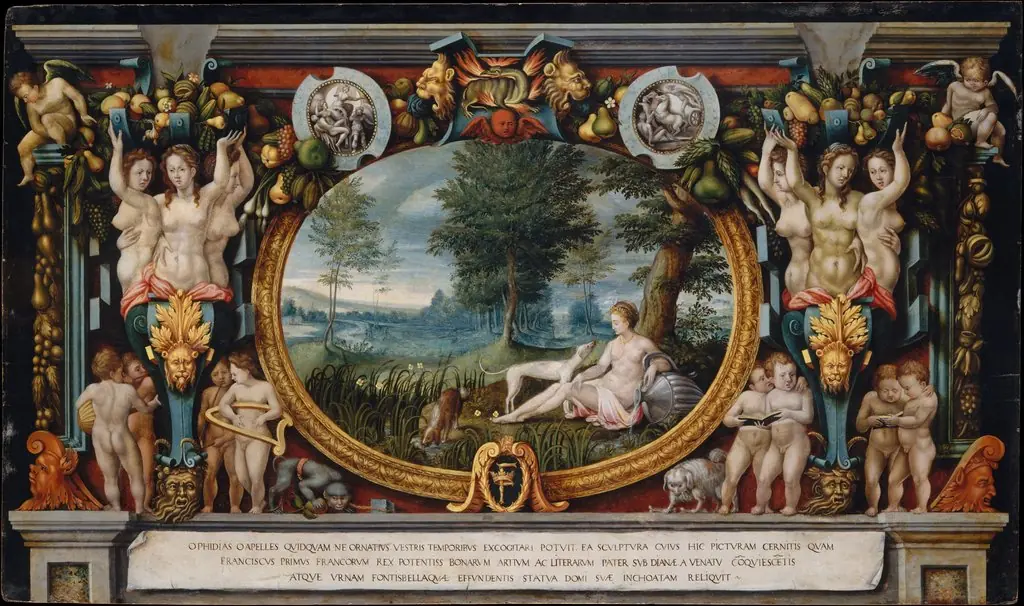
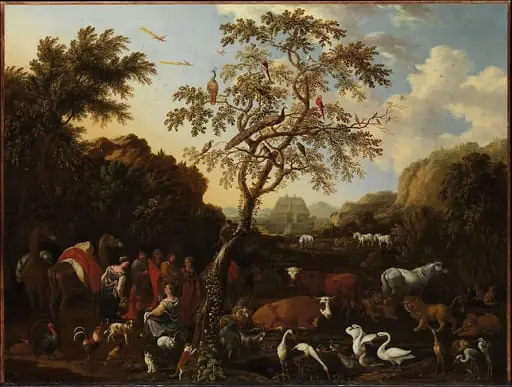
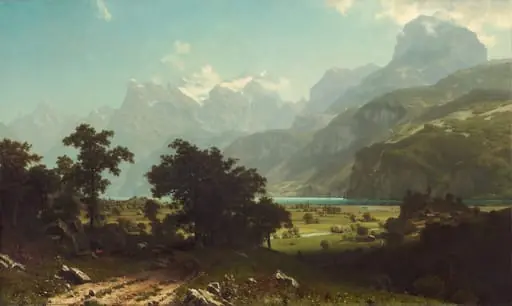
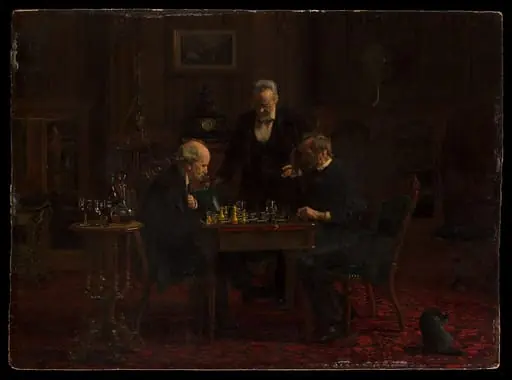
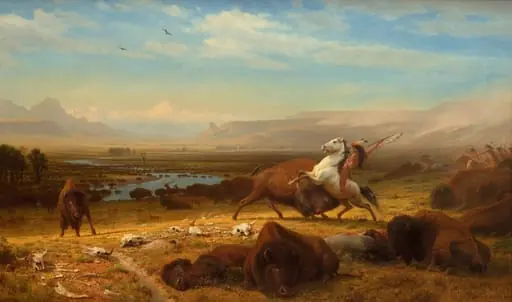
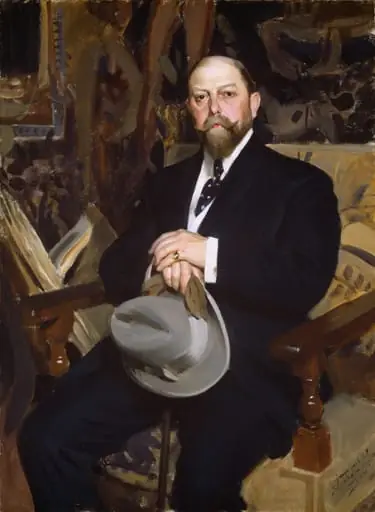
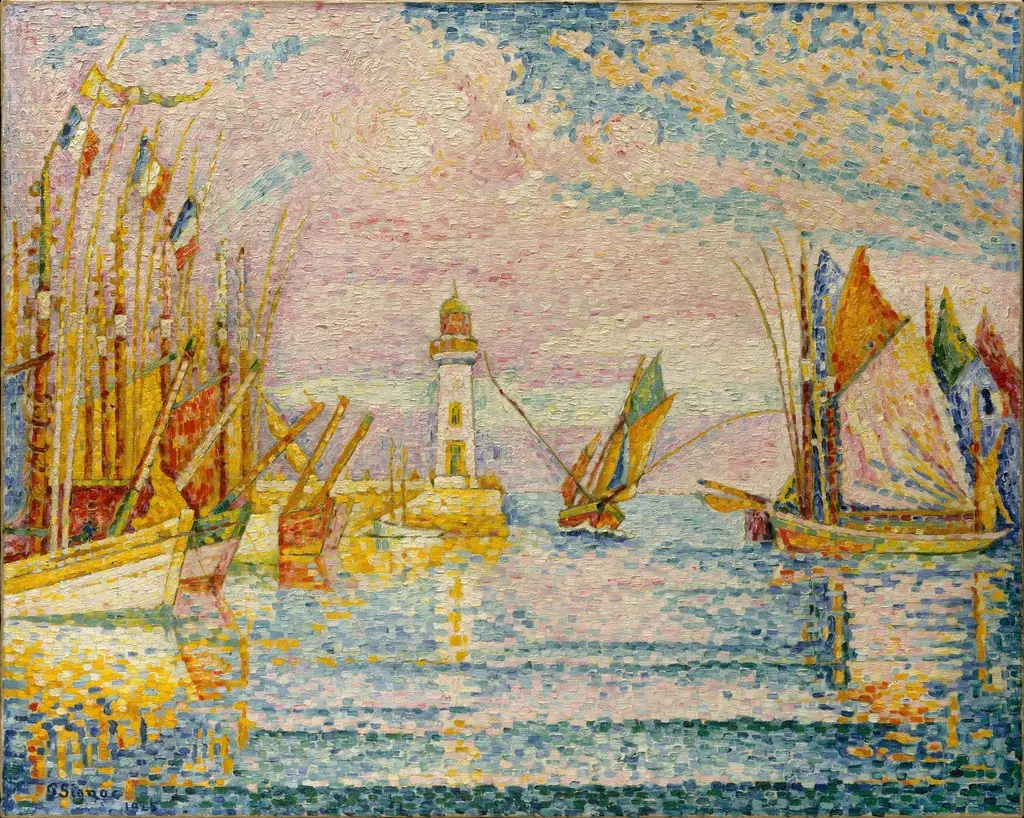
Prefer the long view? Browse the whole timeline of art — every decade and century in the public domain.
Moments that changed art
The exhibitions, foundings, and thefts that bent the course of art: the first Impressionist show in 1874, the Armory Show in 1913, the night the Mona Lisa walked out of the Louvre.
- First Impressionist Exhibition The model of the self-organized group exhibition was born, eight Impressionist shows followed through 1886, and with them the modern idea of the avant-garde.
- Theft of the Mona Lisa The theft catapulted the Mona Lisa to unprecedented global fame, cementing its status as the world's most recognized artwork.
- The Armory Show Opens It became the canonical starting point for modern art's broad public reception in the United States.
- Laocoon and His Sons is unearthed The discovery helped make ancient sculpture a central standard for Renaissance and later European art.
- The Metropolitan Museum of Art opens to the public The opening launched what became the largest art museum in the Americas.
- First Public Screening of the Lumière Brothers' Cinématographe It established the foundation for the global film industry and the modern concept of the movie theater.
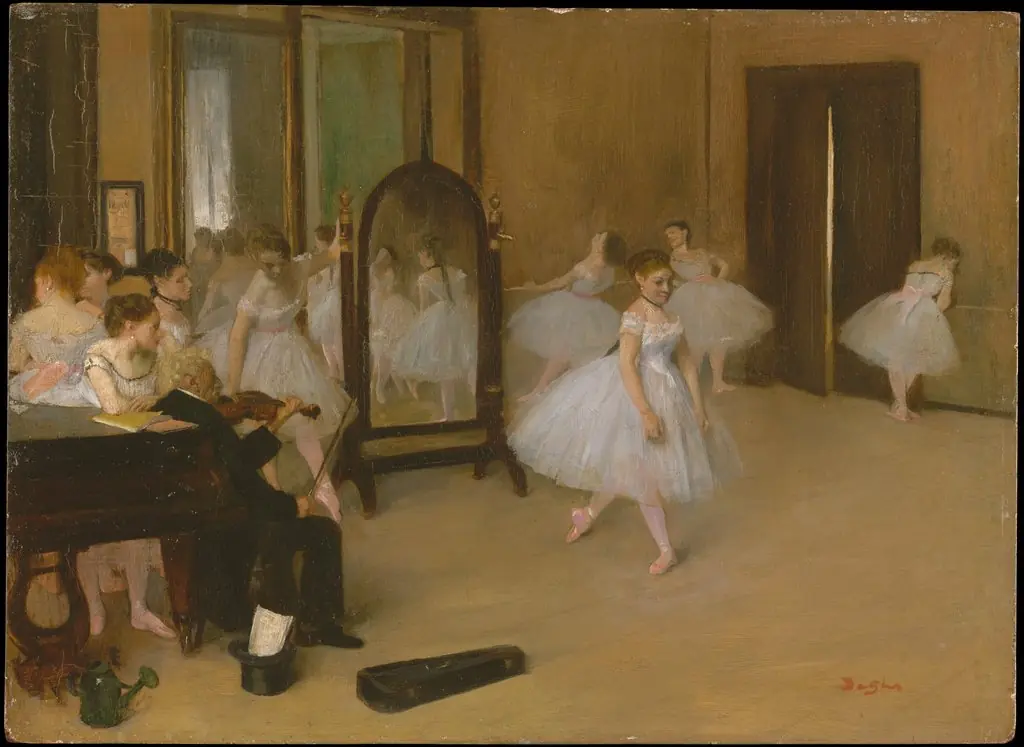
Curated Themes
Galleries built around a single idea — night as a subject, light as a moral force, the terror and beauty of the open sea — each with an expert framing essay.
- Nocturnes Night as the subject of a painting, not merely its setting.
- The Chiaroscuro Masters Light wielded as a moral force, carving figures from the dark.
- Storm & Sublime Terror made beautiful — the painting that overwhelms the sea and sky.
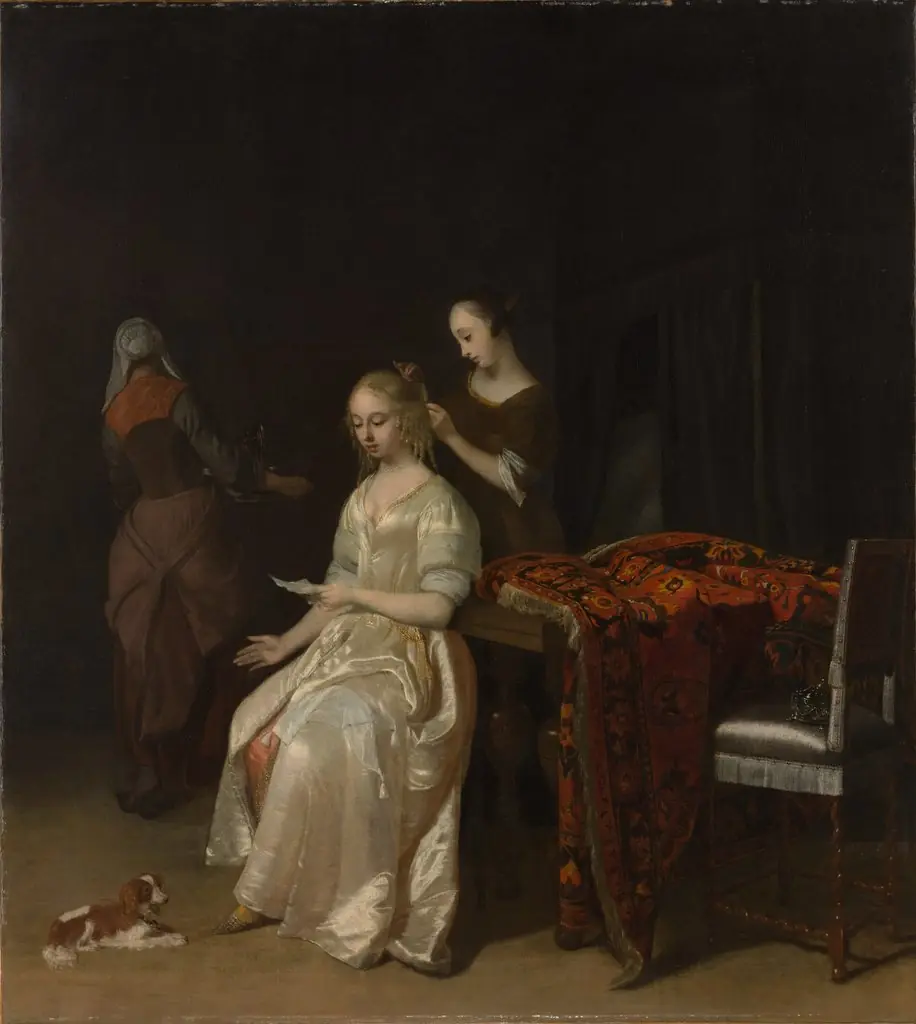
- Interiors of Quiet The Dutch private room, where ordinary stillness becomes the subject.
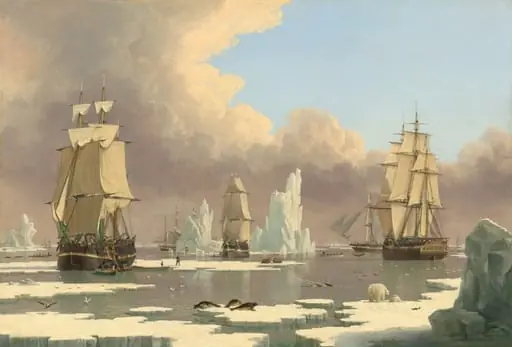
- The Sea Marine painting from glassy calm to full gale.
- Vanitas — On Mortality The skull and the guttering candle: still life as a memento mori.
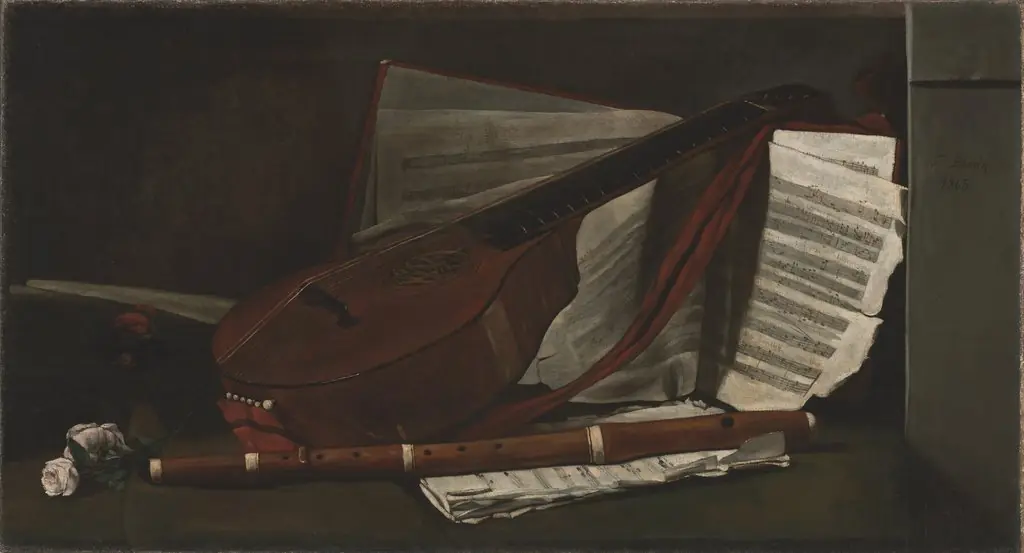
Browse by motif
Search by what is actually in the picture: ships under sail, mountain country, horses, the cut flowers on a table. Hand-tagged across tens of thousands of works.
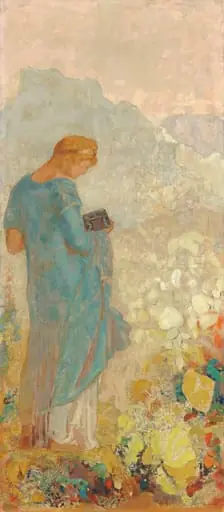
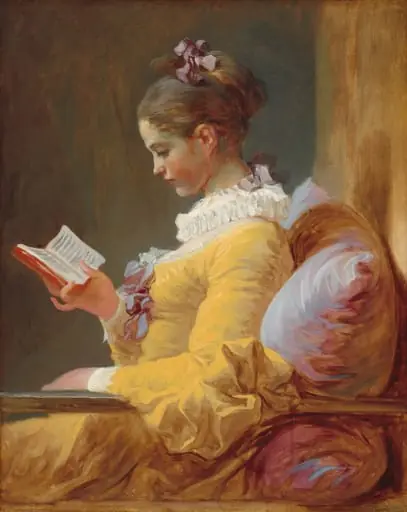
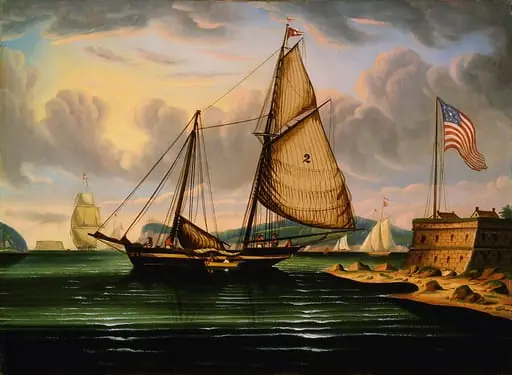
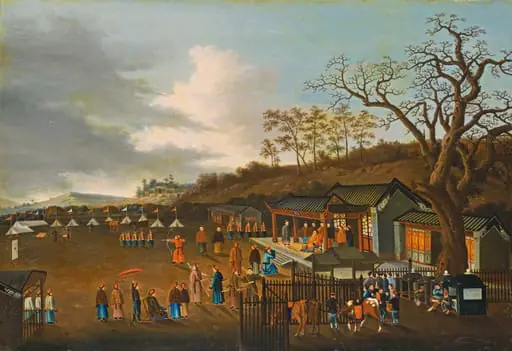
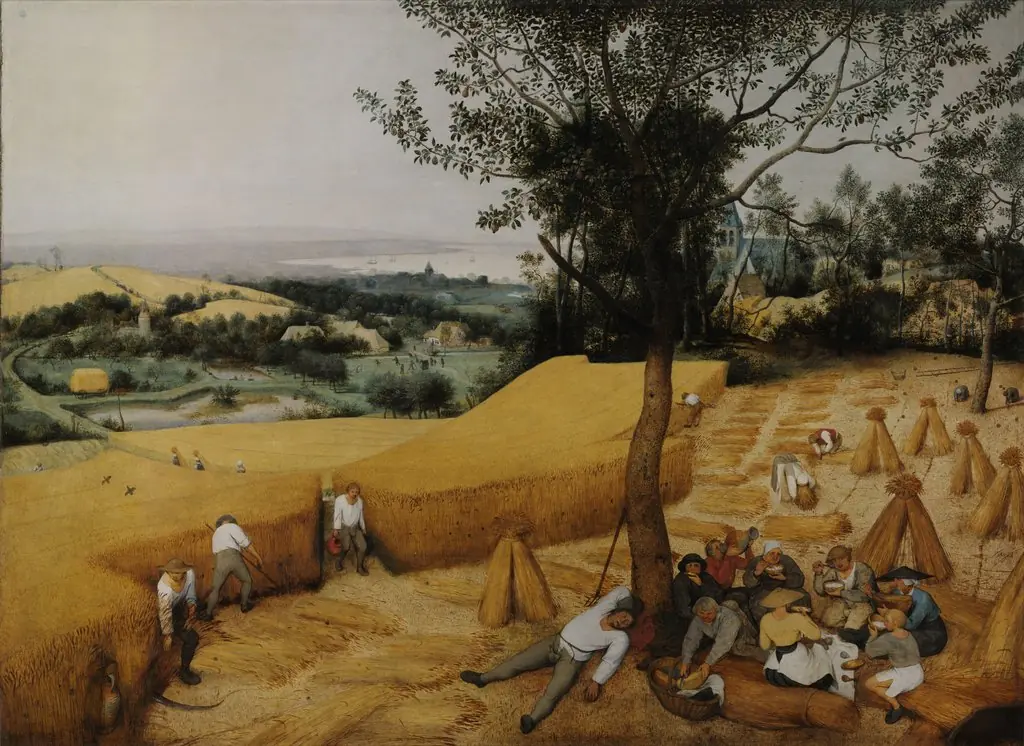
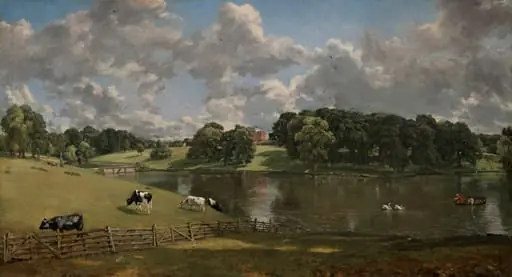
Realism
A broad tradition of representing the world as it actually appears, without idealization or romantic exaggeration. As a self-conscious 19th-century movement it is associated with Courbet's French Realism; more broadly it describes any art committed to faithful description of observed reality.
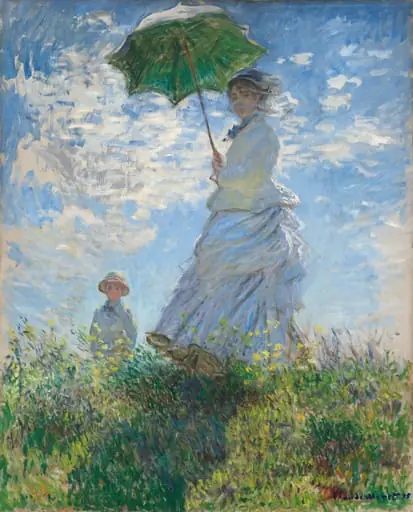
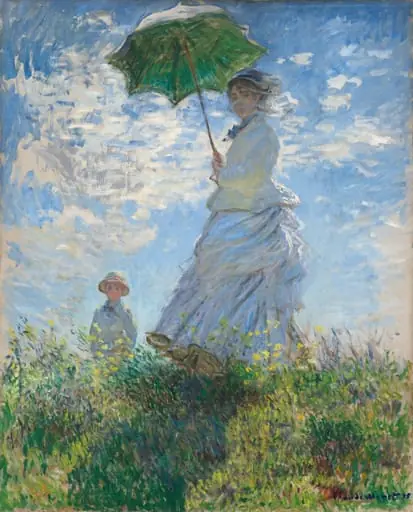 Woman with a Parasol - Madame Monet and Her Son
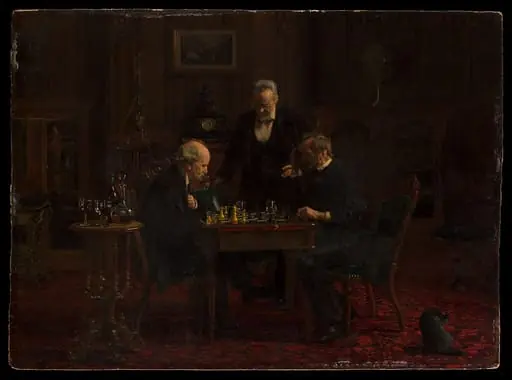 The Chess Players
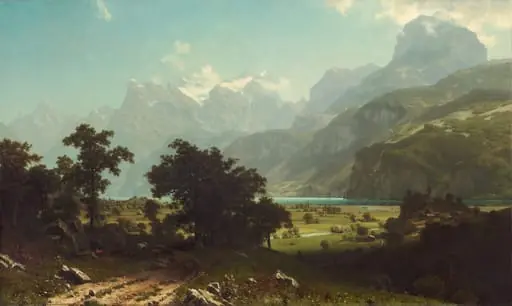 Lake Lucerne
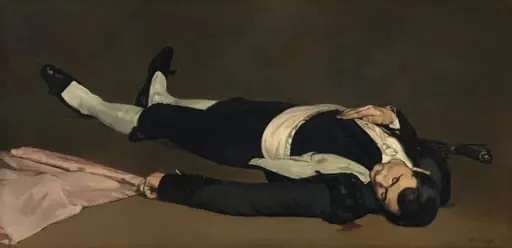 The Dead Toreador
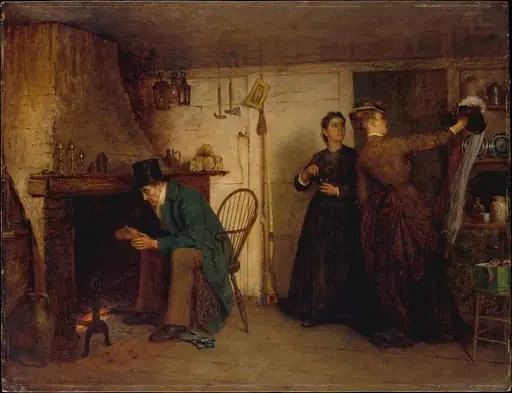
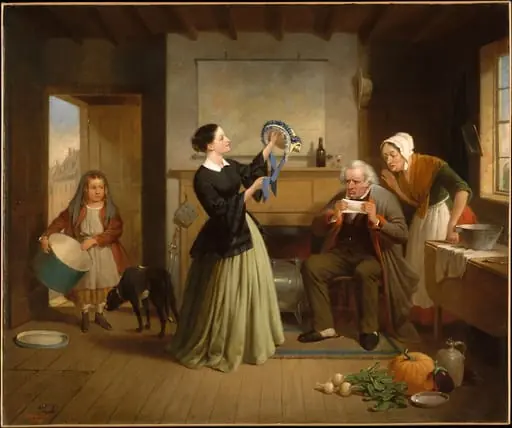 The New Bonnet
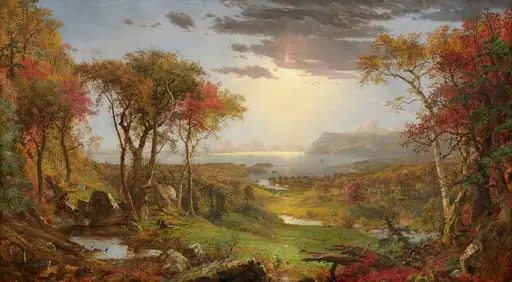 Autumn - On the Hudson River
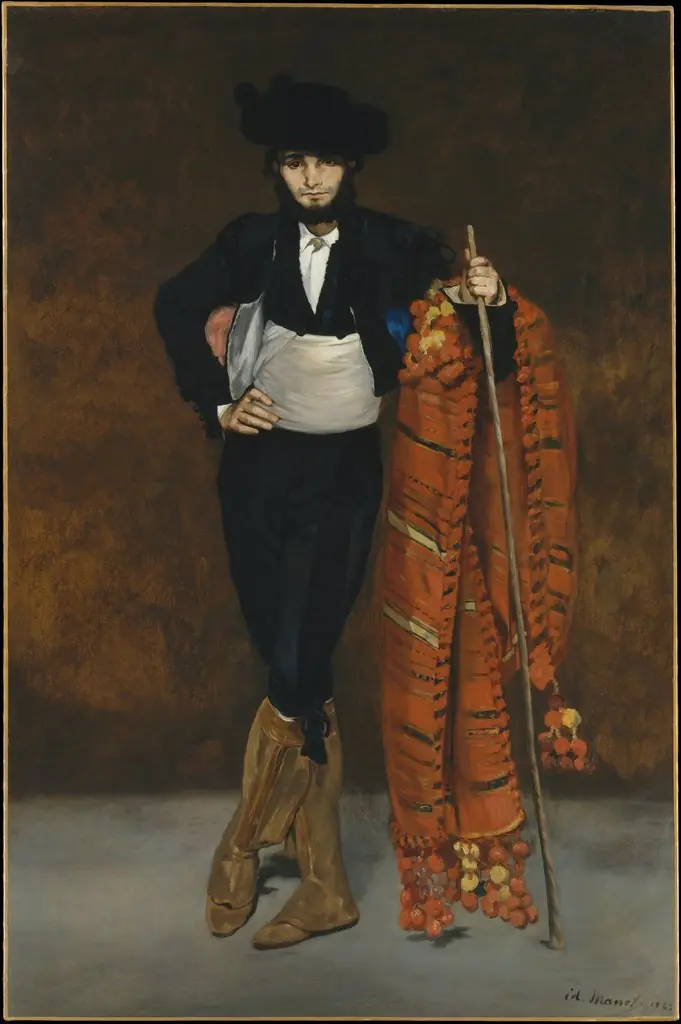
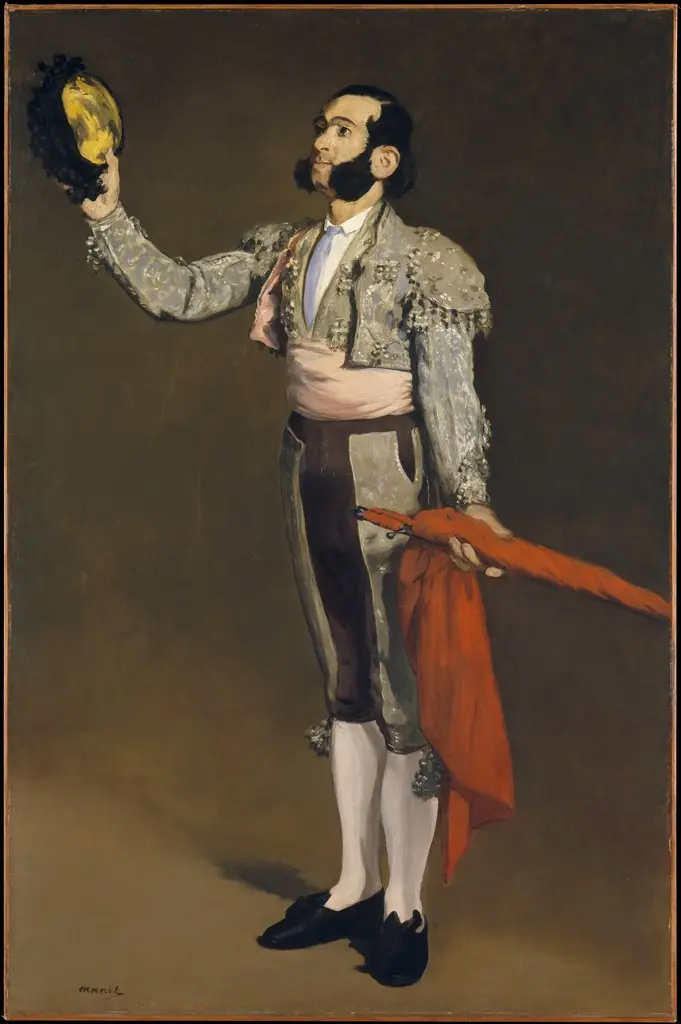
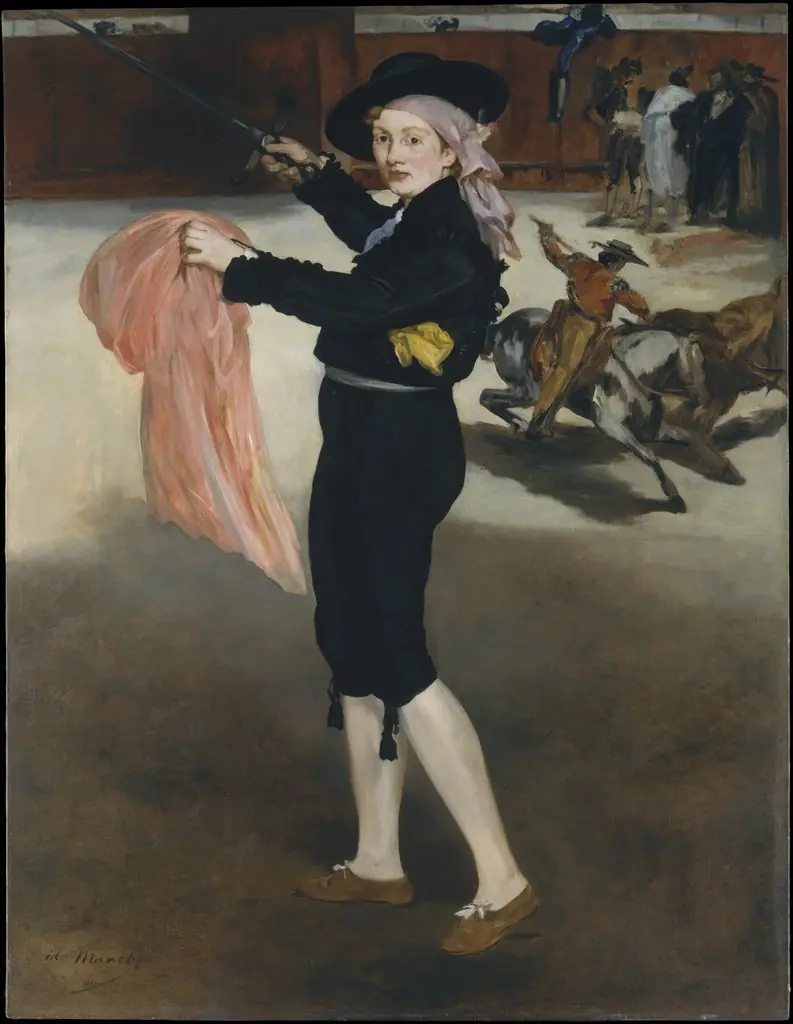 Mademoiselle V. . . in the Costume of an Espada
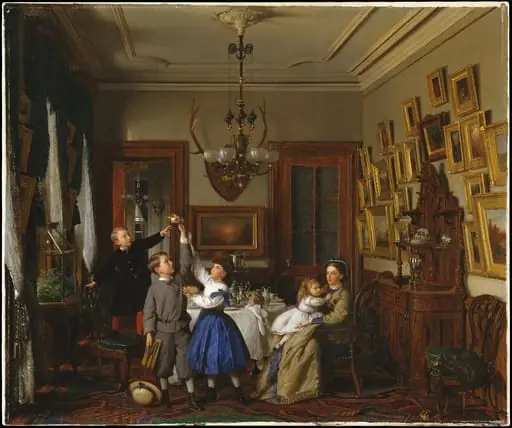 The Contest for the Bouquet: The Family of Robert Gordon in Their New York Dining-Room
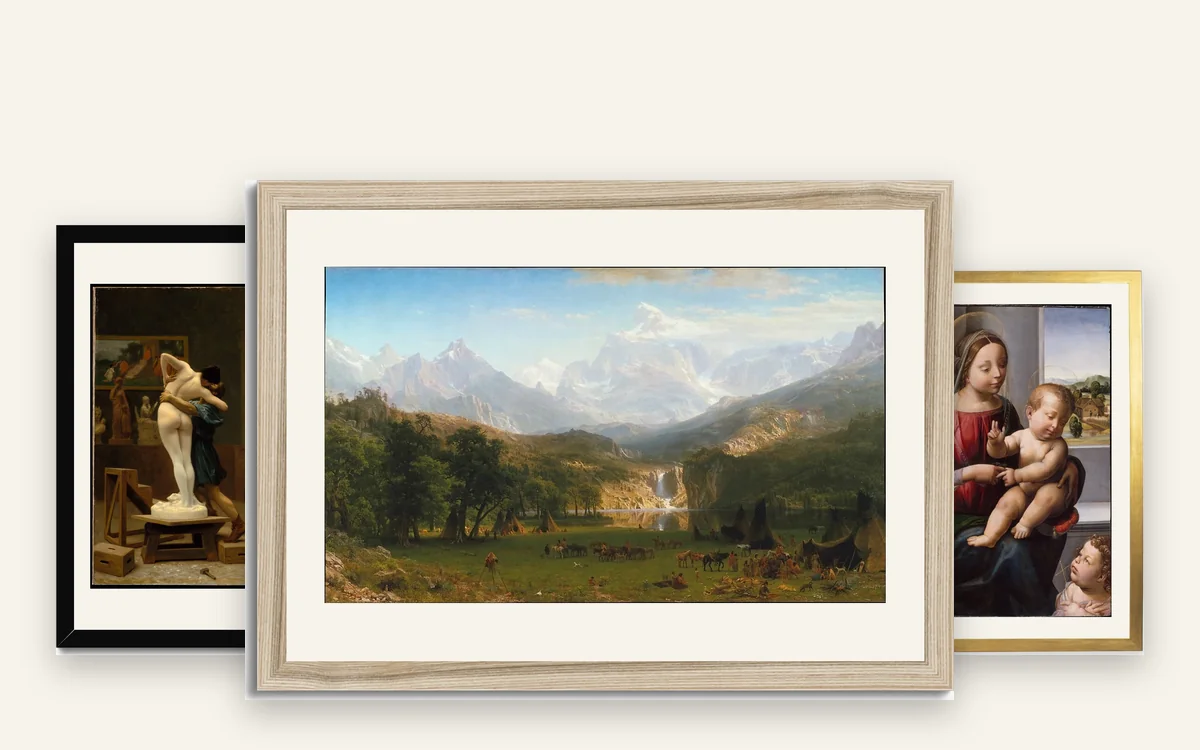
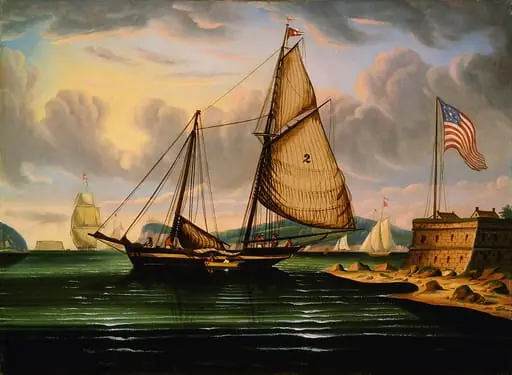
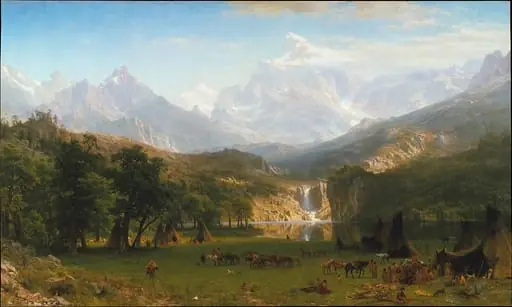 The Rocky Mountains, Lander's Peak
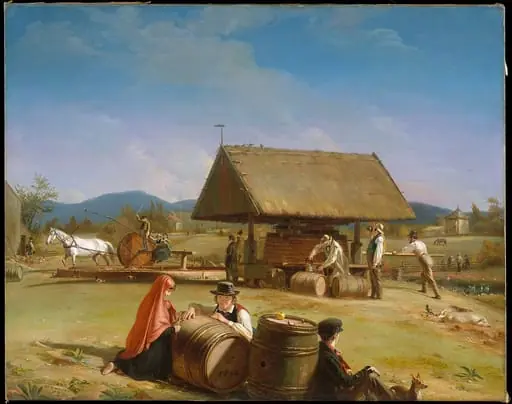
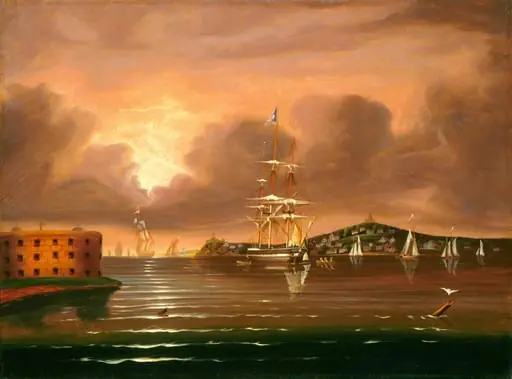
Early 19th Century
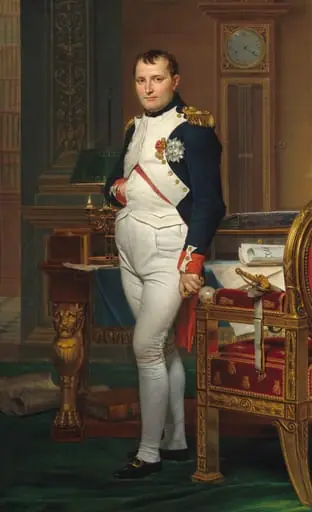
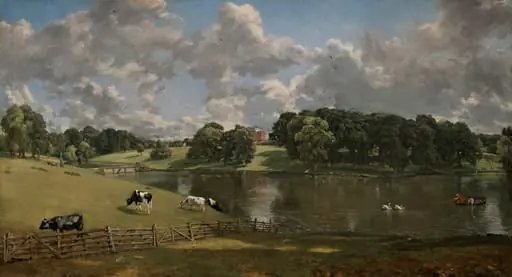
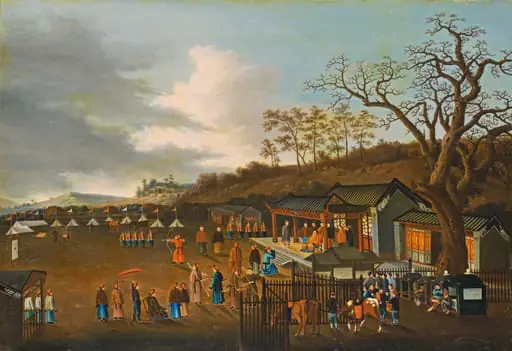
The first half of the 1800s, spanning the late flowering of Neoclassicism, the surge of Romanticism, and the first stirrings of Realism, as revolution and industry reshaped Europe and its art.
Notable artists
-

Titian
1488–1576
-

Thomas Eakins
1844–1916
-
Paolo Veronese
1528–1588
-
Jean Baptiste Camille Corot
1796–1875
-

Lorenzo Lotto
1480–1556
-
Thomas Cole
1801–1848
-
Gustave Courbet
1819–1877
-

Henry Bone
1755–1834
Movements & brotherhoods
Art rarely happens alone. The guilds, secessions, and brotherhoods artists bound themselves into: the Pre-Raphaelite Brotherhood of 1848, the Berlin Secession, the Antwerp Guild of Saint Luke that ran for four centuries.
- Society · founded 1382 Antwerp Guild of Saint Luke 177 members
- Brotherhood · founded 1848 Pre-Raphaelite Brotherhood 35 members
- Secession · founded 1898 Berlin Secession 24 members
- Society · founded 1936 American Abstract Artists 102 members
- Society · founded 1496 Haarlem Guild of St. Luke 81 members
- Society · founded 1600 Bentvueghels 65 members
- Society · founded 1855 Arti et Amicitiae 60 members
- Society · founded 1804 Royal Watercolour Society 17 members
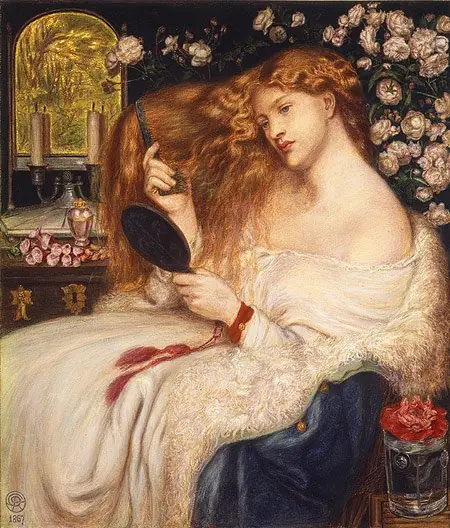
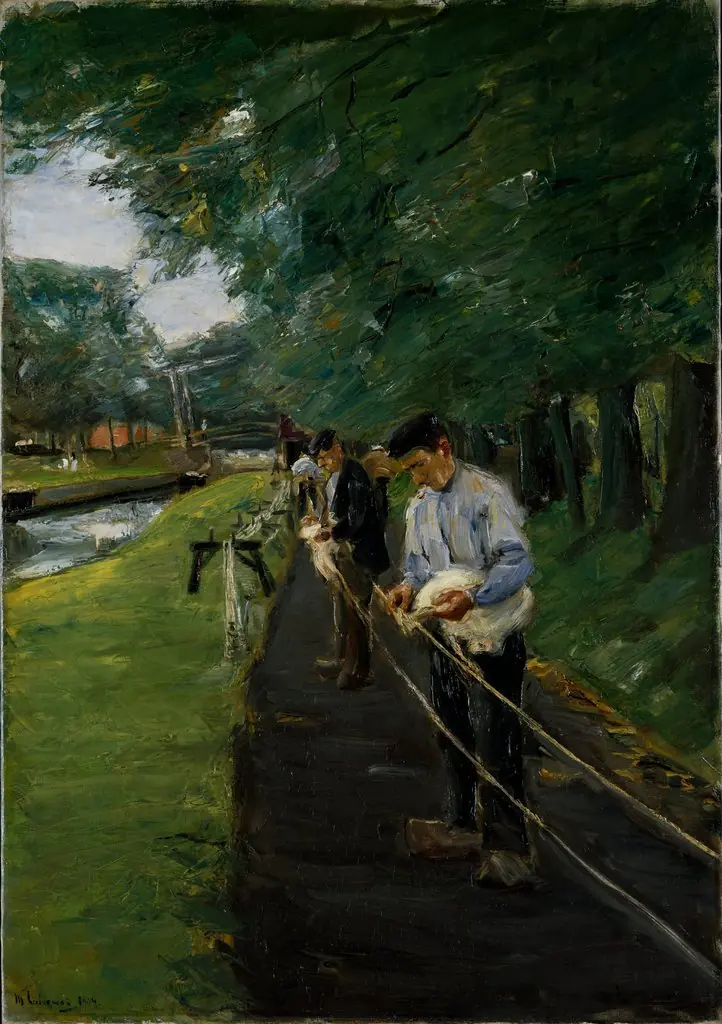
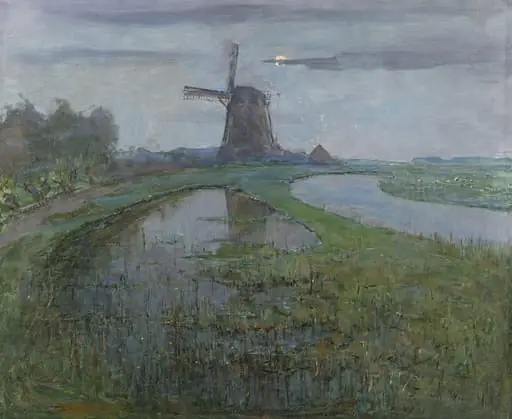
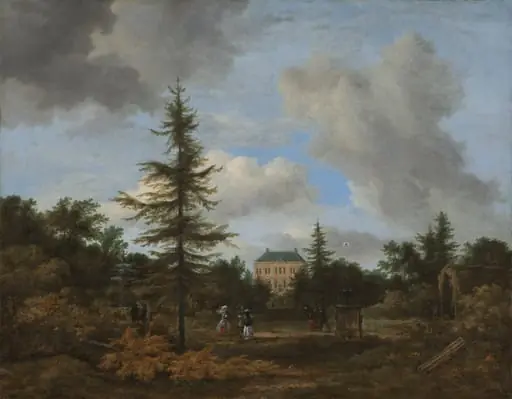
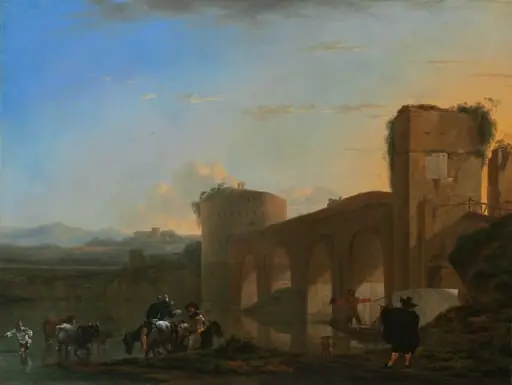
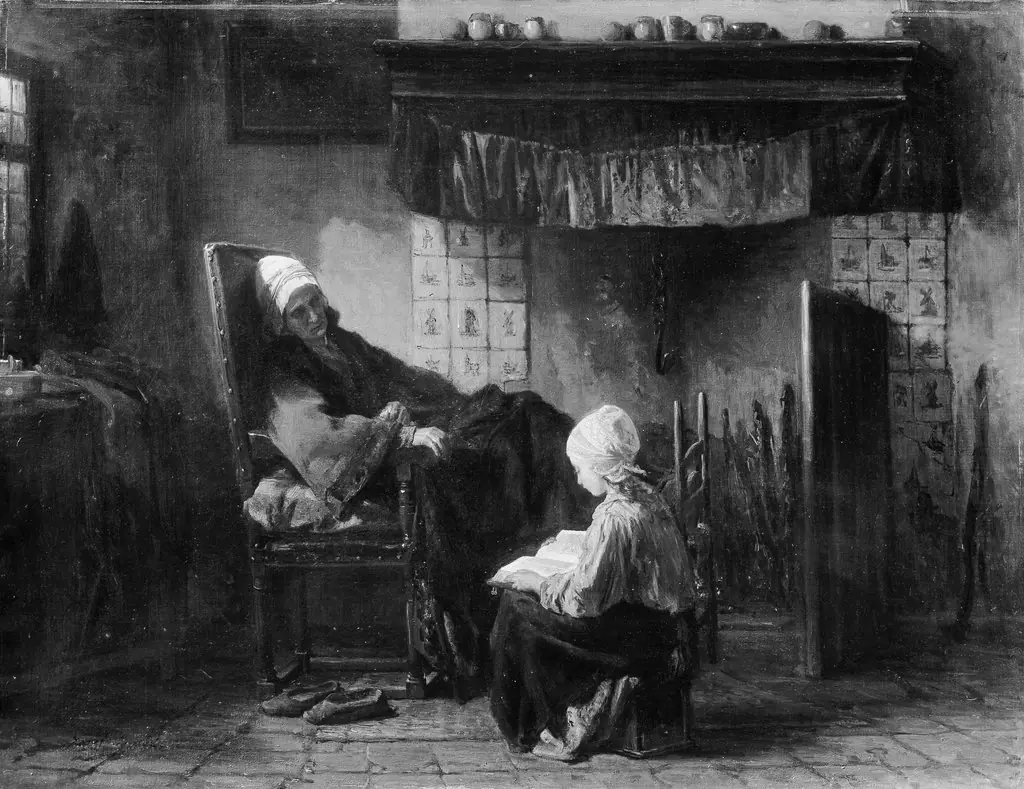
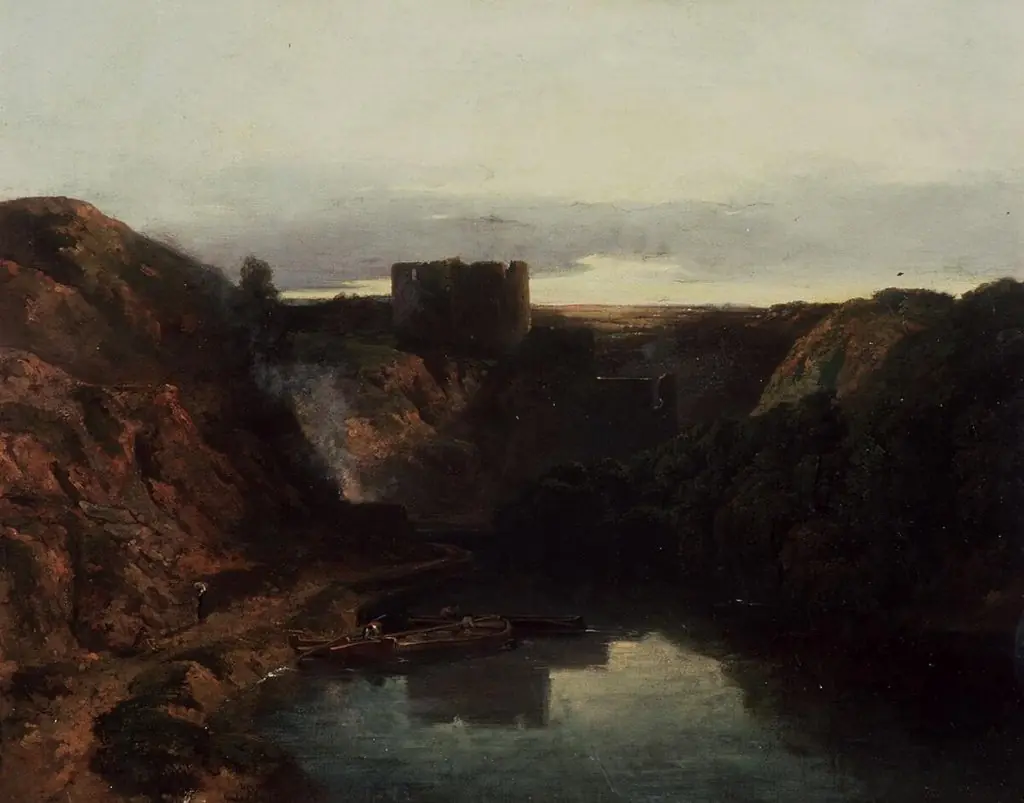
Genre Scene
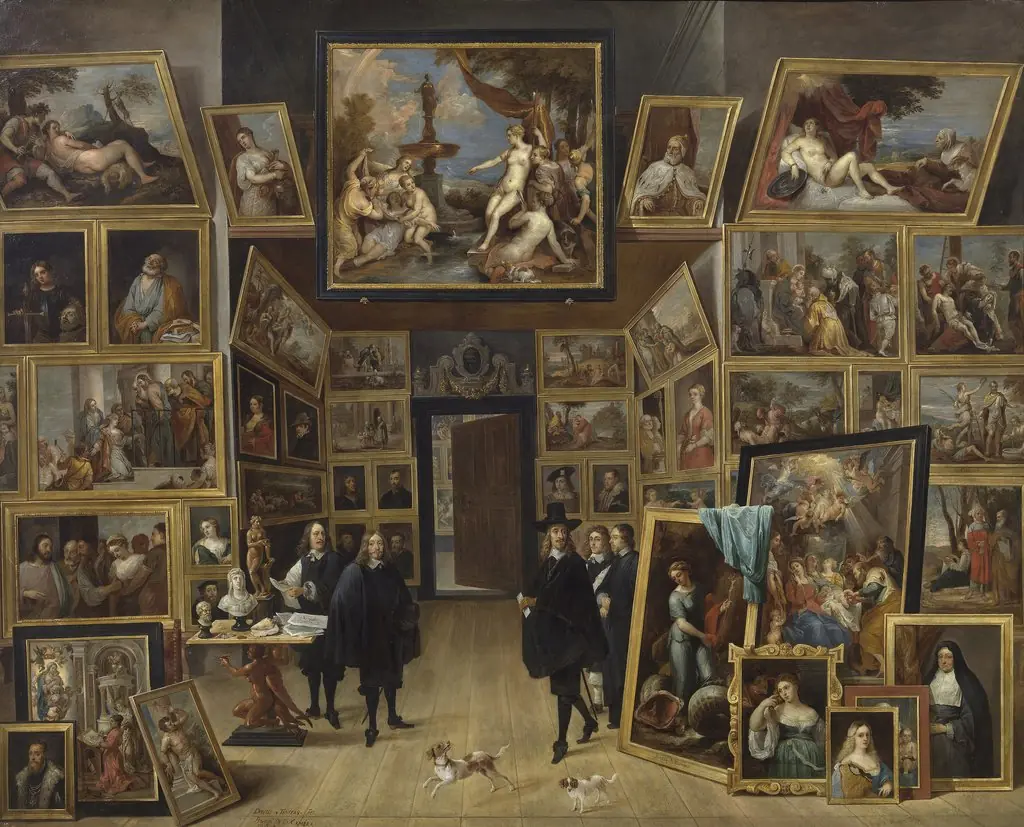
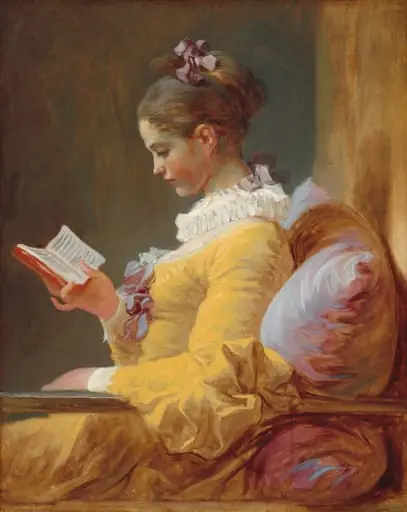
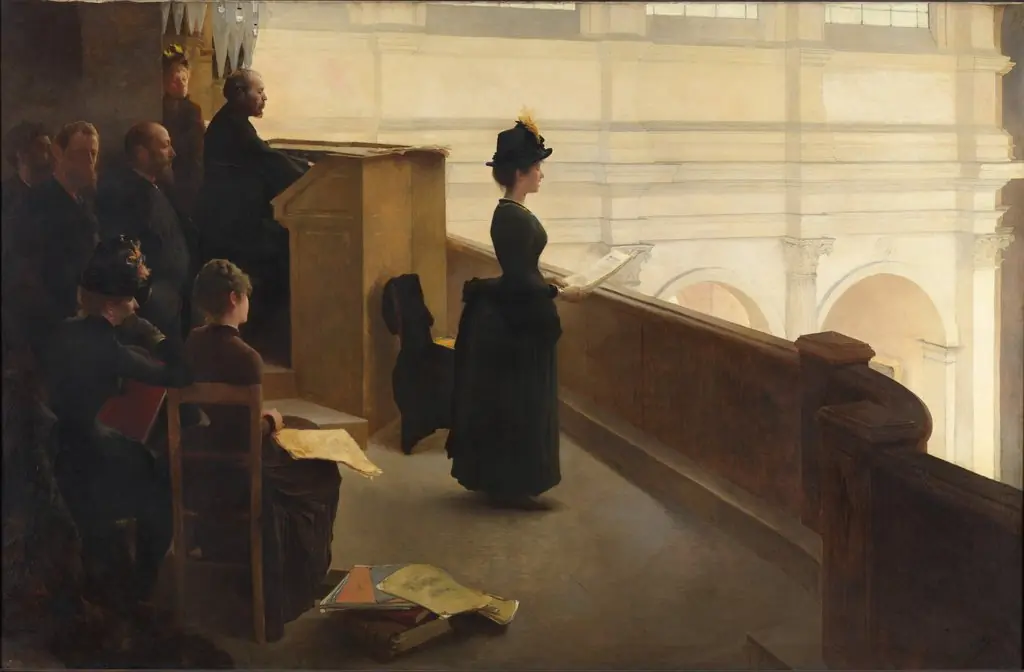
Paintings of everyday life — taverns, kitchens, markets, and domestic interiors — peopled by ordinary figures rather than heroes or saints. Dutch 17th-century masters like Jan Steen and Pieter de Hooch elevated the genre scene into one of painting's most richly observed and morally layered forms.
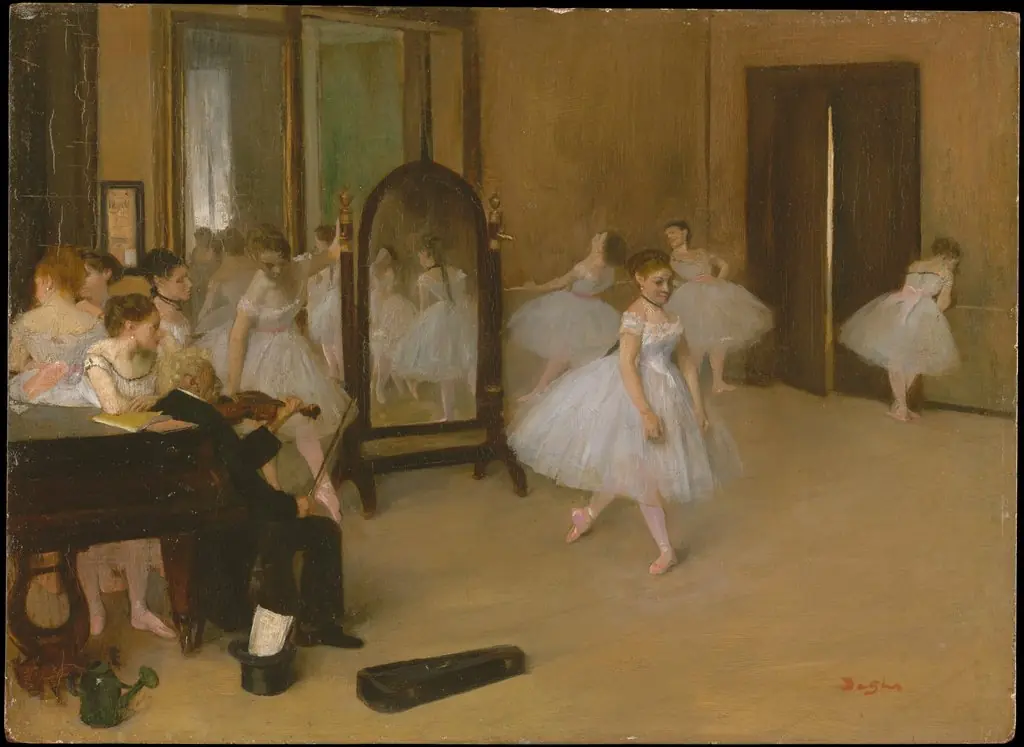
This week · Issue 1
The Weekly Hang — issue 1
Today in art history · June 24
On this day
The births, deaths, and exhibitions that landed on today's date — drawn from a curated record of real art-history events across the centuries.
“The Impressionists did not ask what a painting should look like. They asked what light actually does when it falls on water, on skin, on grass at six in the morning.”
The atlas
5,092 museums, mapped.
Every work in the archive is tied to the institution that holds it. Spin the globe to find the museums near you — or the one across the world that owns the painting you love.
From the essays
Longer reads on the movements, makers, and moments behind the collection.
- Post-Impressionism: after the light, what next? Impressionism taught painting to chase the fleeting moment. The generation that followed asked what came after the moment — and turned toward structure, symbol, and raw feeling.
- The rise of landscape painting: how the background became the subject For centuries, landscape was the backdrop behind saints and kings. Over a few hundred years it stepped forward to become a subject in its own right — and then a vehicle for everything.
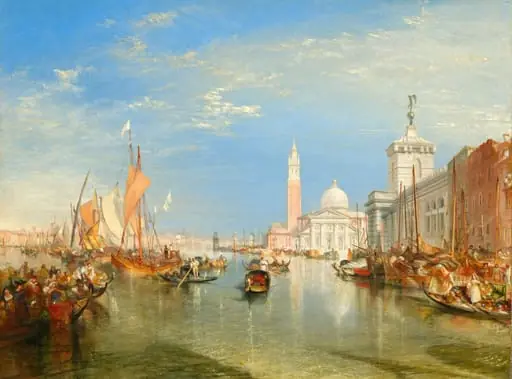
- Turner and the sublime: when landscape became weather J. M. W. Turner pushed landscape painting toward pure light and atmosphere, until the subject of a picture became the weather itself. His late work still looks ahead of its time.
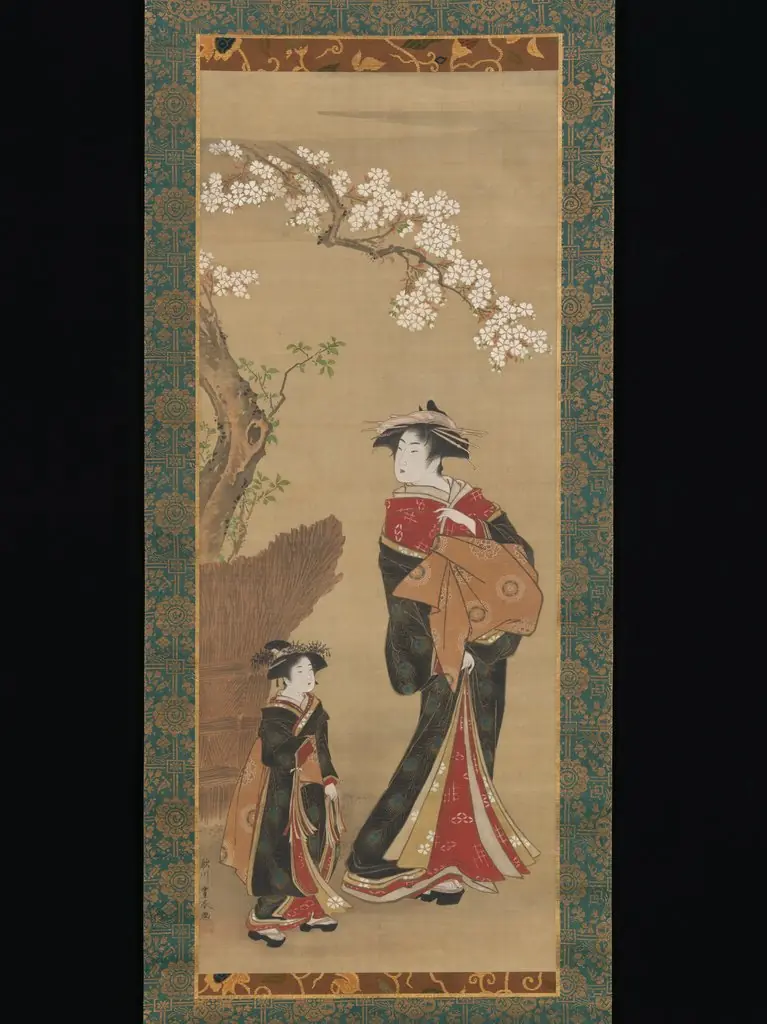
- Ukiyo-e: pictures of the floating world Edo-period Japan built a printmaking tradition around the pleasures of city life — theatre, courtesans, travel, and weather. The ukiyo-e print is design at its most distilled.
Curated by Alexander Knigge · our editorial standards
By the numbers
We counted the whole archive — by movement, color, century and more. Open, citable data reports on 190,000+ public-domain works.
- Public domain art by the numbers What does an open archive of 193,000+ public-domain artworks actually contain? We counted it — by movement, colour, century, subject, artist and museum. Read the report
- Color across art history We mapped every artwork in the archive onto ten colour families. The result is a portrait of the palette of public-domain painting — warm, earthy, and far from balanced. Read the report
- The most-represented art movements Ranked by number of works in the archive, from Romanticism down. The long tail of 200+ movements tells you as much as the head. Read the report
Learn
Short, guided courses through the history of art — built on the works in this very archive. Follow a movement, a master, or a single idea from first principles.
- How to Look at a Painting Six timeless ways to see what is actually on the canvas. 6 units
- Impressionism From the shadow of the Salon to the light of the modern eye, seven friends rewrite the rules of seeing. 7 units
- Dutch Golden Age A republic of merchants, a canvas of ordinary miracles, seen through the lens of Western collections. 8 units
- Renaissance Florence Money, math, and the human face: how Florence reinvented seeing through paint, not stone. 6 units
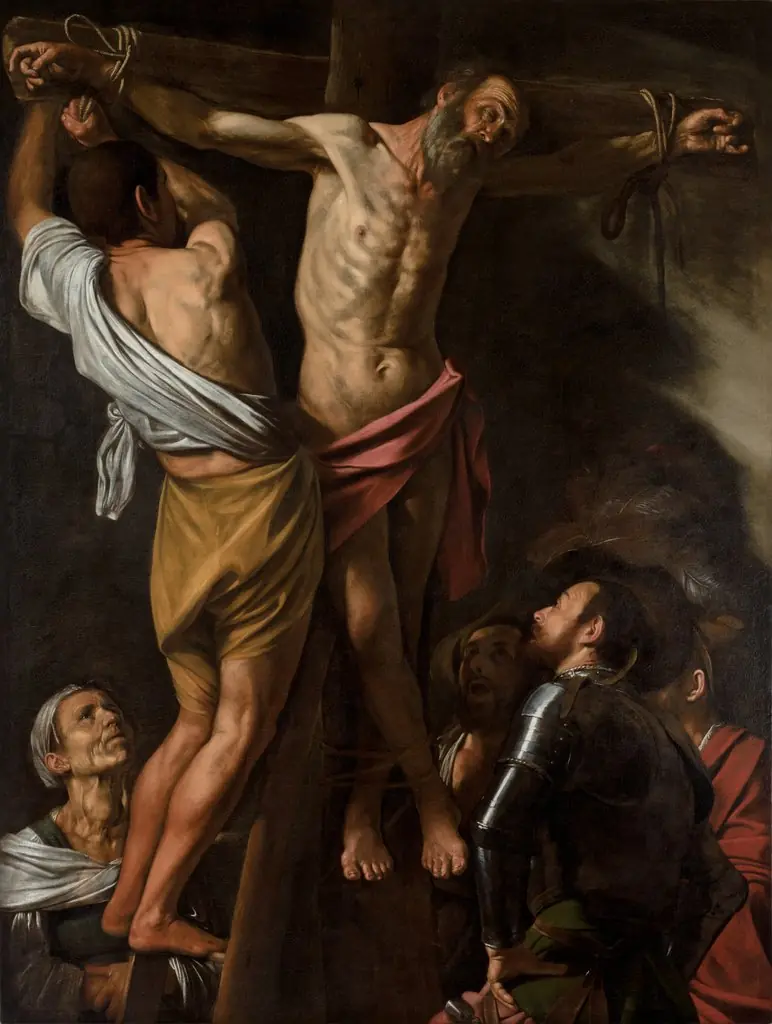
- Caravaggio & Baroque Chiaroscuro as drama, tenebrism as truth, and the shockwave that tore through Europe. 6 units
- Edo/Japonisme From the pleasure quarters of Edo to the studios of Paris, tracing the wave that reshaped modern art. 10 units
iOS App — Out now
Carry the whole gallery in your pocket.
Artifact: World Gallery puts 190,000+ public-domain works in your hand — tap-through discovery, real-world exhibition tracking, and a daily For You pick. No ads, no algorithm-rage.
- Tap-through discovery Tap any painting and the board rearranges around it — a curatorial decision with every tap.
- Exhibition tracking Follow works you love and get told when they arrive at a museum in your city.
- For You picks A home-screen widget surfaces a new work from the archive every day, chosen for you.