Articles
In-depth essays on the movements, artists, and works in the archive — written and fact-checked by Artifact World Gallery.
105 published essays
All articles
-
 period-deep-dive
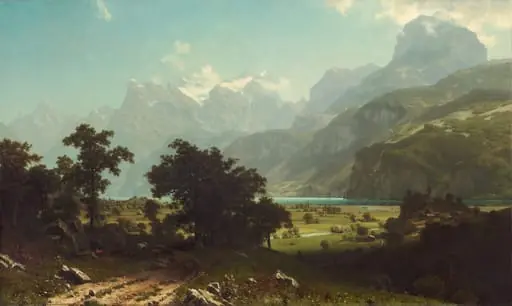
Early 19th Century: Close-looking through a single defining work
The first half of the 1800s, spanning the late flowering of Neoclassicism, the surge of Romanticism, and the first stirrings of Realism, as revolution and industry reshaped Europe and its art.
· 12 min read -
 genre-deep-dive
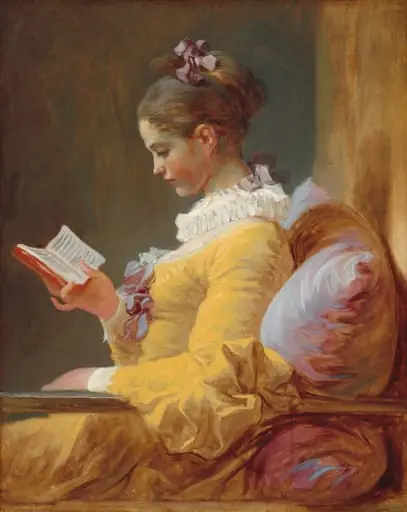
Portrait: One question, several answers
One of the oldest and most sustained genres in Western art, dedicated to depicting individual or group likenesses. From Van Eyck's unflinching bourgeois faces and Titian's aristocratic presences to Rembrandt's self-interrogations and Sargent's glittering society pictures, the…
· 12 min read -
 how-to-read
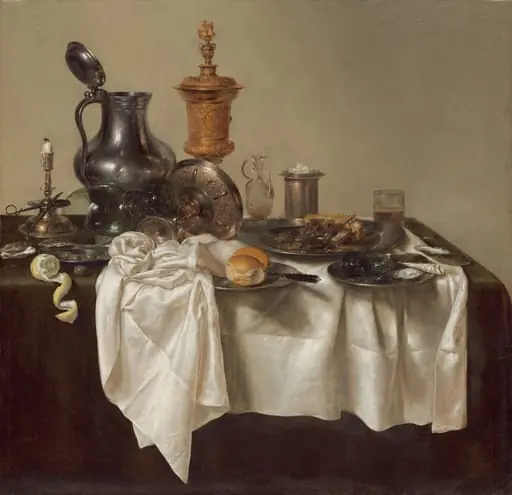
How to Read a Still Life Painting
A close reading of still life: iconography and what the pictures meant to their first viewers.
· 13 min read -
 venue-deep-dive
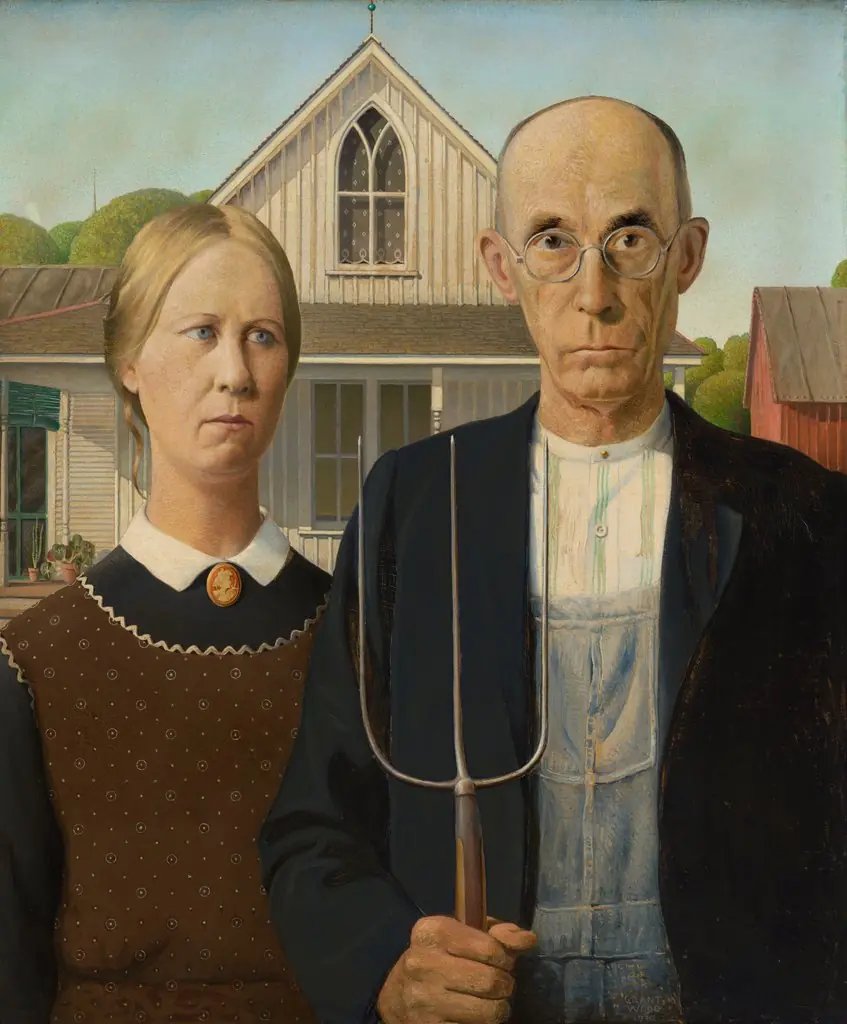
Art Institute of Chicago: Close-looking through a single defining work
The Art Institute of Chicago is a private, nonprofit art museum in Grant Park, Chicago, Illinois, United States. Founded in 1879, it is one of the oldest and largest art museums in the United States. The museum is based in the Art Institute of Chicago Building in Chicago's…
· 12 min read -
 venue-deep-dive
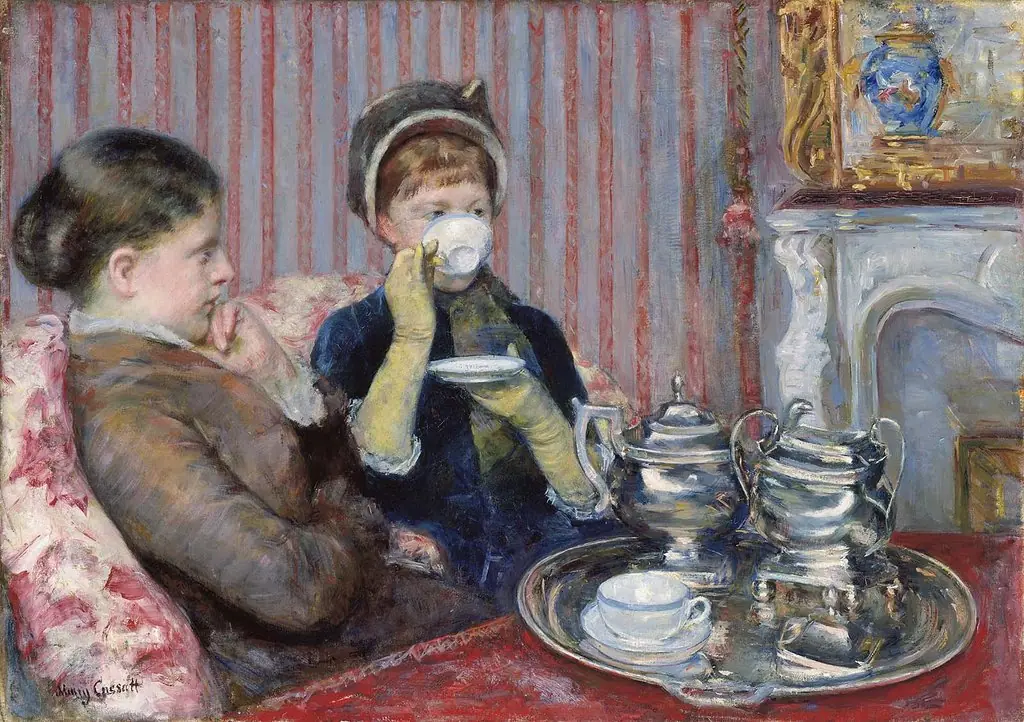
Museum of Fine Arts Boston: One question, several answers
The Museum of Fine Arts (often abbreviated as MFA Boston or MFA) is an art museum in Boston, Massachusetts. It is the 20th-largest art museum in the world, measured by public gallery area. It contains 8,161 paintings and more than 450,000 works of art, making it one of the…
· 12 min read -
 venue-deep-dive
National Museum of Art of Romania: Where it traveled and how it changed in transit
The National Museum of Art of Romania (Romanian: Muzeul Național de Artă al României) is located in the Royal Palace in Revolution Square, central Bucharest. It features collections of medieval and modern Romanian art, as well as the international collection assembled by the…
· 14 min read -
 venue-deep-dive
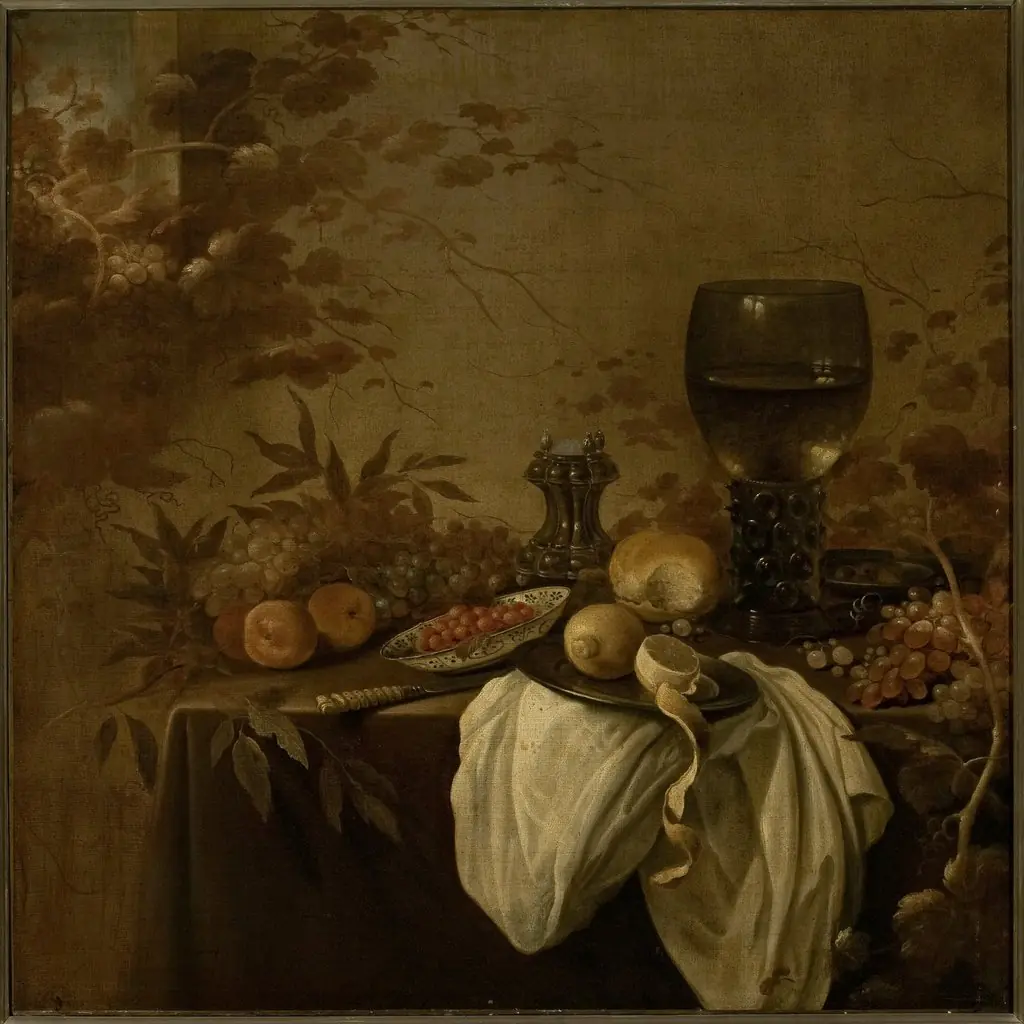
National Museum in Warsaw: The formal break, composition, light, the handling of paint
The National Museum in Warsaw (Polish: Muzeum Narodowe w Warszawie, MNW) is a national museum in Warsaw, one of the largest museums in Poland and the largest in the capital. It comprises a collection of ancient art (Egyptian, Greek, Roman), counting about 11,000 objects, an…
· 14 min read -
 venue-deep-dive
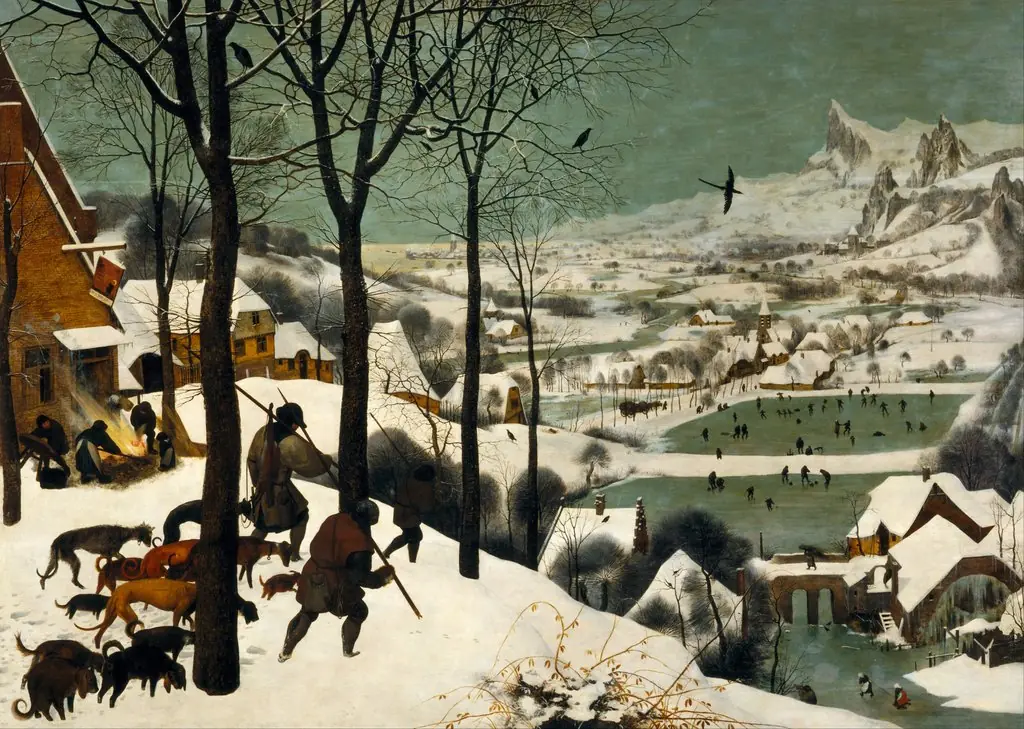
Kunsthistorisches Museum: Who painted it and who paid for it
The Kunsthistorisches Museum Wien (lit. "Vienna Museum of Art History", often referred to as the "Museum of Fine Arts, Vienna") is an art museum in Vienna, Austria. Housed in its festive palatial building on the Vienna Ring Road, it is crowned with an octagonal dome. The term…
· 12 min read -
 venue-deep-dive
Hermitage Museum: Iconography and what the pictures meant to their first viewers
The State Hermitage Museum (Russian: Государственный Эрмитаж, romanized: Gosudarstvennyj Ermitaž, IPA: [ɡəsʊˈdarstvʲɪn(ː)ɨj ɪrmʲɪˈtaʂ]) is a museum of art and culture in Saint Petersburg, Russia, and holds the largest collection of paintings in the world. It was founded in…
· 12 min read -
 venue-deep-dive
Museo del Prado: The argument the movement was having with its predecessor
The Museo del Prado ( PRAH-doh; Spanish pronunciation: [muˈseo ðel ˈpɾaðo]), officially known as Museo Nacional del Prado, is the main Spanish national art museum, located in central Madrid. It houses collections of European art, dating from the 12th century to the early 20th…
· 14 min read -
 venue-deep-dive
Metropolitan Museum of Art: The formal break, composition, light, the handling of paint
The Metropolitan Museum of Art, colloquially referred to as the Met, is an encyclopedic art museum in New York City. By floor area, it is the fourth-largest museum in the world and the largest art museum in the Americas. With 5,727,258 visitors in fiscal year 2025, it was the…
· 13 min read -
 venue-deep-dive
Museum of Modern Art: Who painted it and who paid for it
The Museum of Modern Art (MoMA) is an art museum located in Midtown Manhattan, New York City, on 53rd Street between Fifth and Sixth Avenues. MoMA's collection spans the late 19th century to the present, and includes over 200,000 works of architecture and design, drawing,…
· 13 min read -
 venue-deep-dive
Cleveland Museum of Art: Iconography and what the pictures meant to their first viewers
The Cleveland Museum of Art (CMA) is an art museum in Cleveland, Ohio, United States. Located in the Wade Park District of University Circle, the museum is internationally renowned for its substantial holdings of Asian and Egyptian art and houses a diverse permanent…
· 12 min read - venue-deep-dive
National Gallery of Art: How the style was made, material and method
The National Gallery of Art is an art museum in Washington, D.C., United States, located on the National Mall, between 3rd and 9th Streets, at Constitution Avenue NW. Open to the public and free of charge, the museum was privately established in 1937 for the American people…
· 12 min read -
 movement-deep-dive
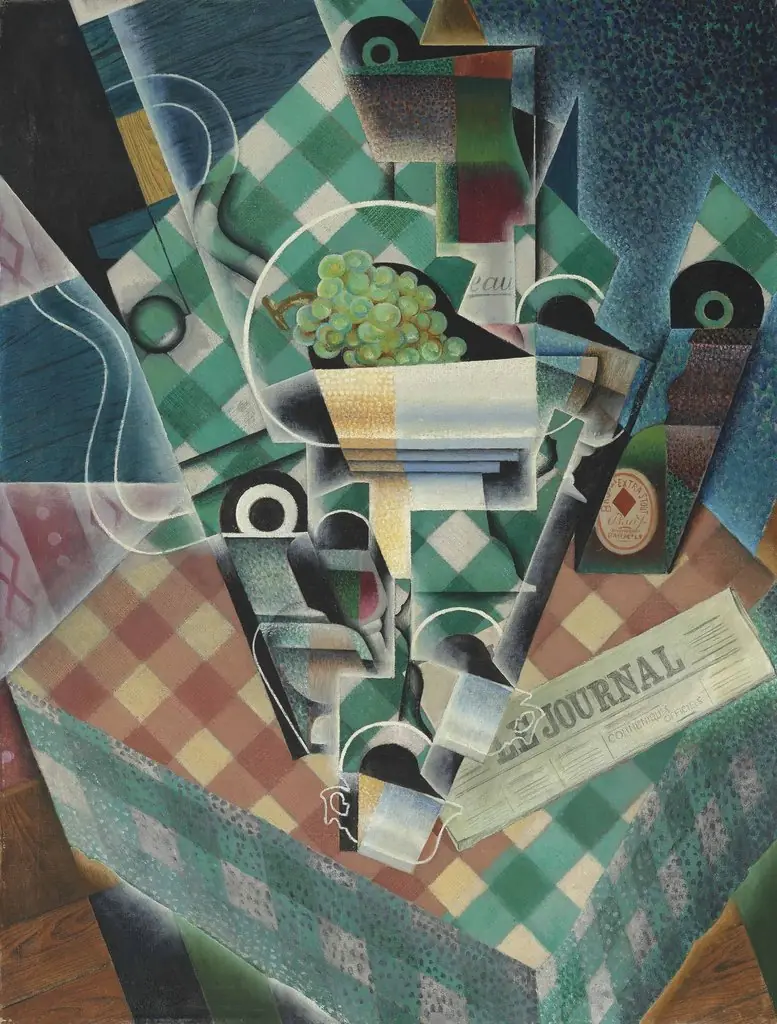
Cubism Synthetic: Close-looking through a single defining work
The second phase of Cubism (from about 1912), where Picasso and Braque rebuilt the fractured image with brighter color, collage, and flat shapes. Rather than breaking objects down, they assembled them from signs and fragments.
· 13 min read -
 movement-deep-dive
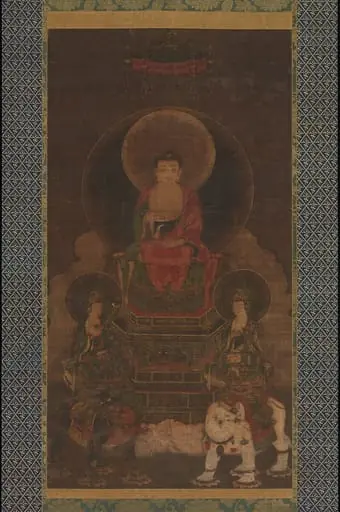
Joseon dynasty painting: One question, several answers
Painting of Korea's long Joseon dynasty (1392-1910), shaped by Confucian restraint. It ranges from ink landscapes and 'true-view' scenery to lively genre scenes of everyday Korean life and vivid folk paintings.
· 12 min read -
 movement-deep-dive
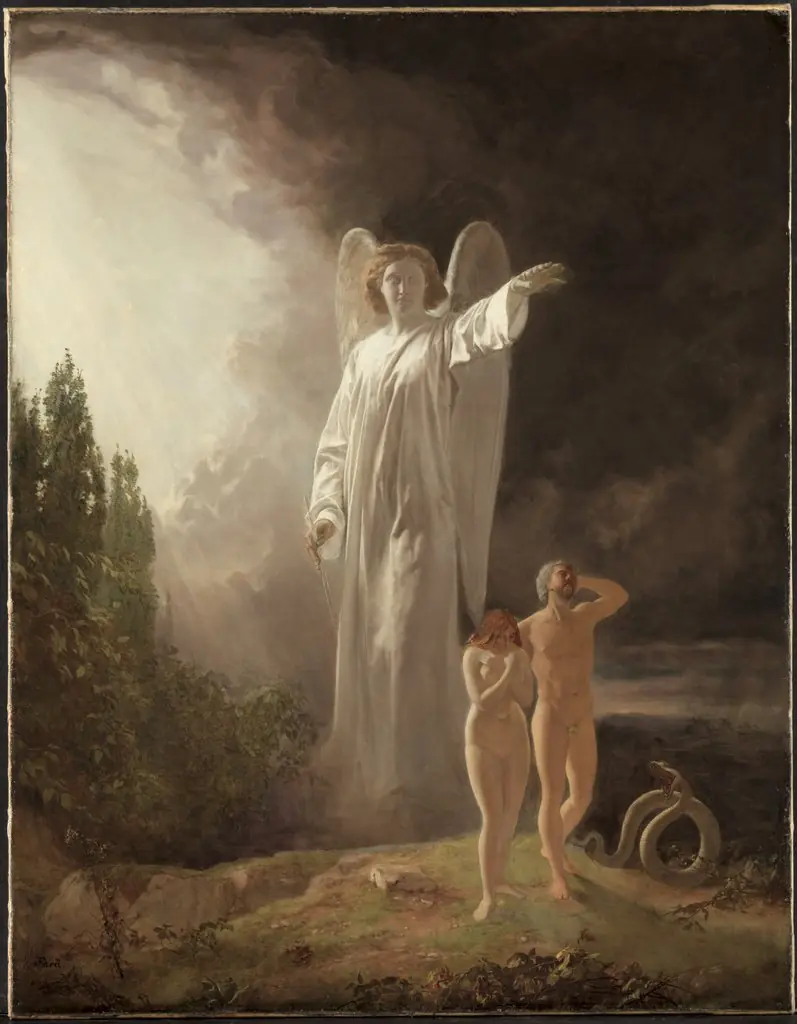
Pre-Raphaelite: Where it traveled and how it changed in transit
A rebellious mid-19th-century English brotherhood, Rossetti, Millais, Hunt, who rejected academic convention for the bright color, sharp detail, and sincerity they admired in art before Raphael. Literary and medieval subjects abound.
· 12 min read -
 movement-deep-dive
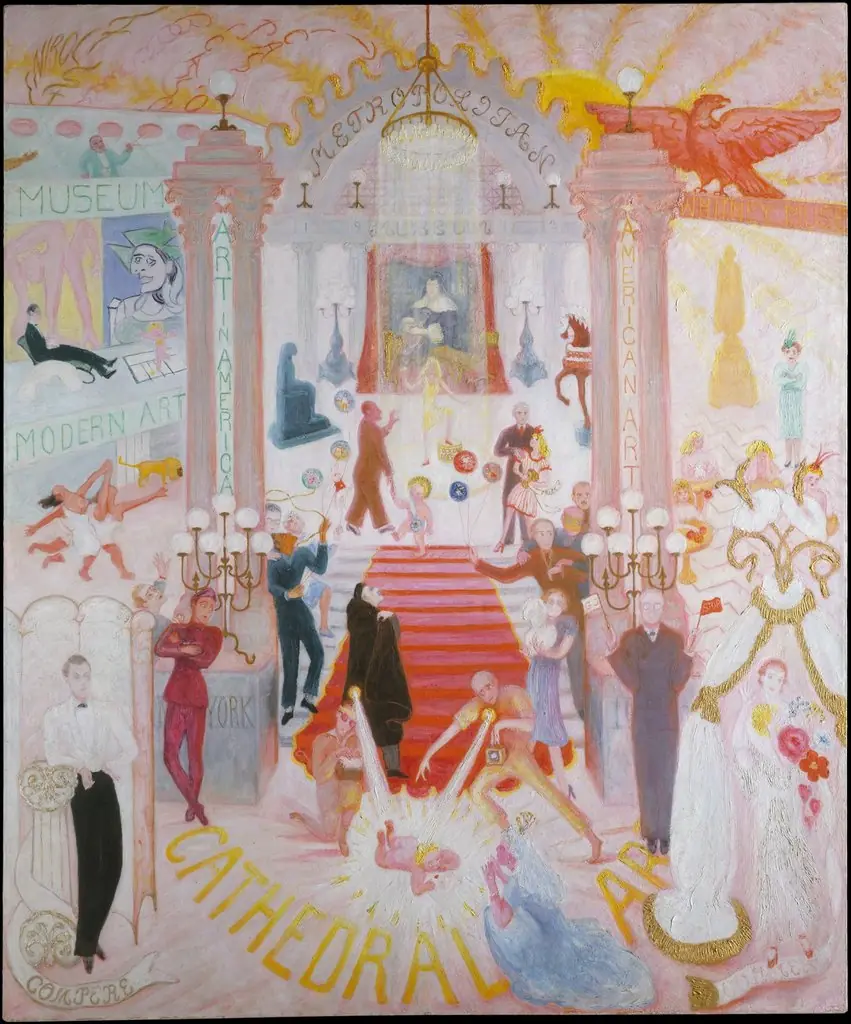
Contemporary Realism: The formal break, composition, light, the handling of paint
Representational painting that engages with the present-day world through traditional techniques, figure, still life, landscape, without nostalgia. It ranges from the hyper-detailed to the loosely observed, holding to the discipline of working from direct observation.
· 12 min read -
 movement-deep-dive
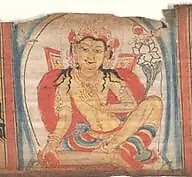
Indian Miniature: Who painted it and who paid for it
Small, finely detailed paintings from the Indian subcontinent, made for albums and manuscripts. Rich color, flat patterning, and scenes from epics, court life, and devotion run through the Mughal, Rajput, and Pahari schools.
· 12 min read -
 movement-deep-dive
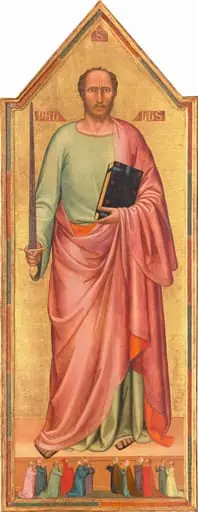
Italo Byzantine: Iconography and what the pictures meant to their first viewers
The Byzantine-influenced style of medieval Italy (12th-13th centuries), with gold grounds, solemn frontal figures, and stylized drapery. It shaped early Italian panel painting before Giotto turned toward naturalism.
· 12 min read -
 movement-deep-dive
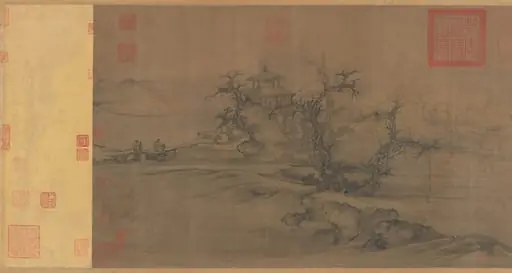
Song dynasty landscape: The argument the movement was having with its predecessor
The monumental ink landscapes of China's Song dynasty (960-1279), often called a peak of the genre. Towering mountains and misty rivers express a philosophy of nature, with tiny human figures dwarfed by the cosmos.
· 12 min read -
 movement-deep-dive
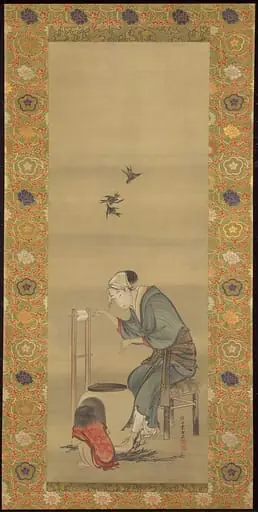
Japonisme: Close-looking through a single defining work
The widespread European enthusiasm for Japanese art, especially woodblock prints, from the 1860s onward following Japan's reopening. Monet, Degas, van Gogh, and Toulouse-Lautrec absorbed the flat planes of color, unusual cropping, and bold outlines of Hokusai and Hiroshige…
· 12 min read -
 movement-deep-dive
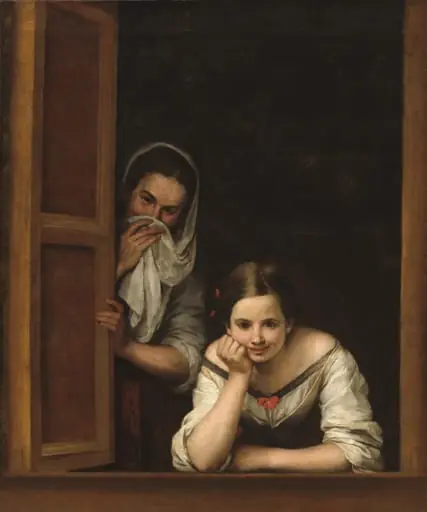
Spanish Baroque Tenebrist: One question, several answers
Spain's dramatic 17th-century style built on tenebrism, deep shadow pierced by raking light. Painters like Ribera and Zurbarán used it for stark, devout saints and martyrs rendered with unflinching realism.
· 12 min read -
 movement-deep-dive
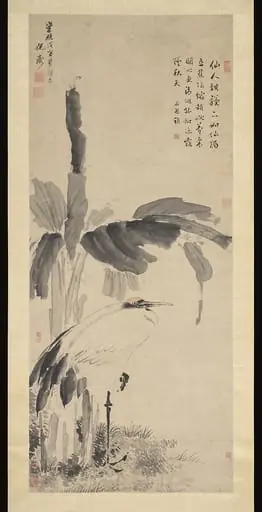
Chinese Orthodox School: Where it traveled and how it changed in transit
The 'orthodox' literati painters of the early Qing, led by the Four Wangs, who revered and recombined the brush methods of Song and Yuan masters. Lineage and tradition mattered more than novelty.
· 12 min read -
 movement-deep-dive
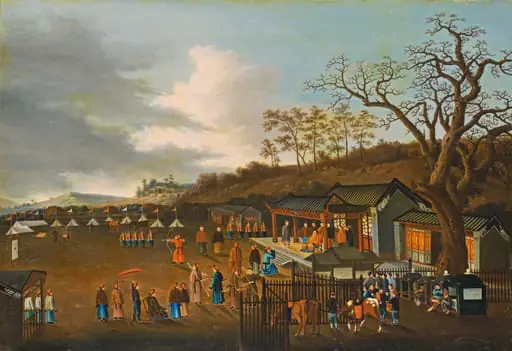
Qing dynasty painting: The argument the movement was having with its predecessor
Painting of China's last dynasty, the Qing (1644-1911). It spans orthodox masters who honored tradition, individualist eccentrics who broke from it, and court painters who absorbed European illusionism under the Jesuits.
· 12 min read -
 movement-deep-dive
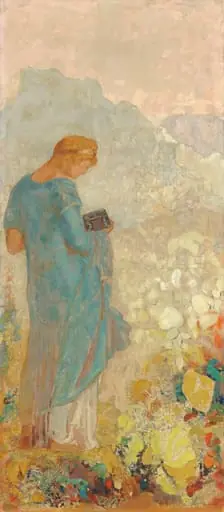
Symbolism: How the style was made, material and method
A late-19th-century movement in France, Belgium, and Russia that rejected Realism's surface description for art that evoked inner states, dreams, myths, spirituality, through veiled, allusive imagery. Gustave Moreau's jeweled mythologies, Odilon Redon's phantasmic pastels,…
· 12 min read -
 movement-deep-dive
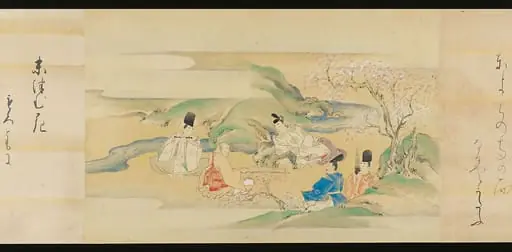
Nihonga: Close-looking through a single defining work
A genre of Japanese painting defined in the Meiji period (1868-1912) as painting in accordance with traditional Japanese techniques and materials, mineral pigments, ink, and paper or silk. Promoted as distinctly national in contrast to Western oil painting (Yōga), its…
· 12 min read -
 movement-deep-dive
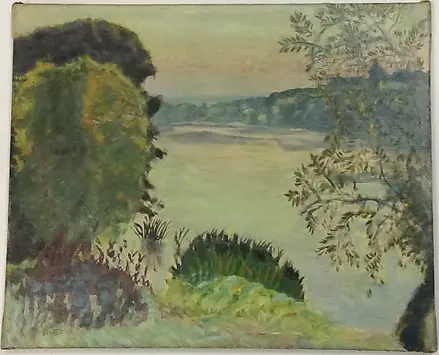
Contemporary Abstract: One question, several answers
Non-representational painting of the recent era, carrying abstraction forward after the mid-century movements. It ranges from gestural to geometric to process-driven work, where color, form, and material are themselves the subject.
· 11 min read -
 movement-deep-dive
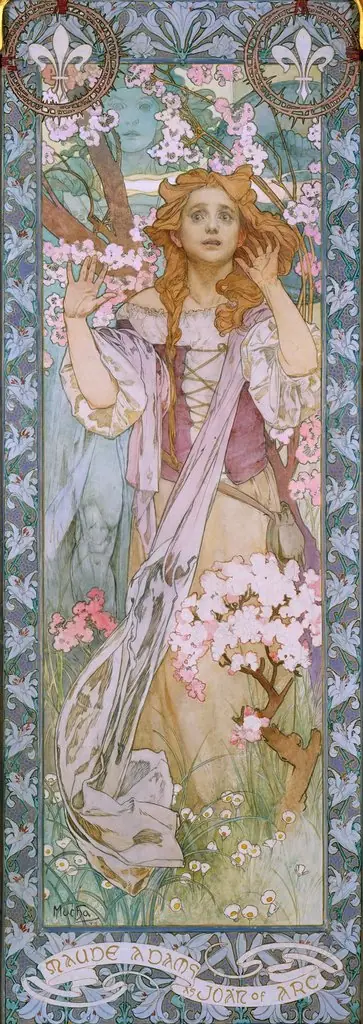
Art Nouveau: Where it traveled and how it changed in transit
An international decorative movement (roughly 1890-1910) organized around flowing organic forms, tendrils, waves, and sinuous female figures, that dissolved the boundary between fine art and craft. Gustav Klimt, Alphonse Mucha, and the architects Victor Horta and Antoni…
· 12 min read -
 movement-deep-dive
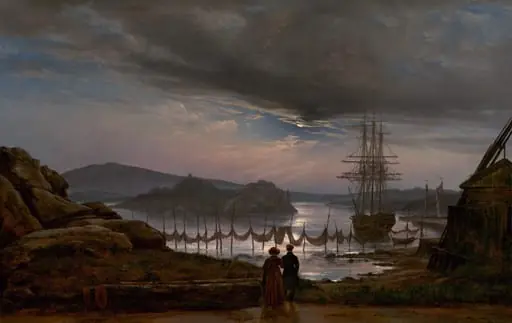
German Romanticism: The formal break, composition, light, the handling of paint
The German manifestation of Romanticism (roughly 1795-1850), notable for its deep engagement with landscape as spiritual allegory. Caspar David Friedrich's lone figures before vast, misty prospects and Philipp Otto Runge's cosmological color symbolism gave German Romanticism…
· 12 min read -
 movement-deep-dive
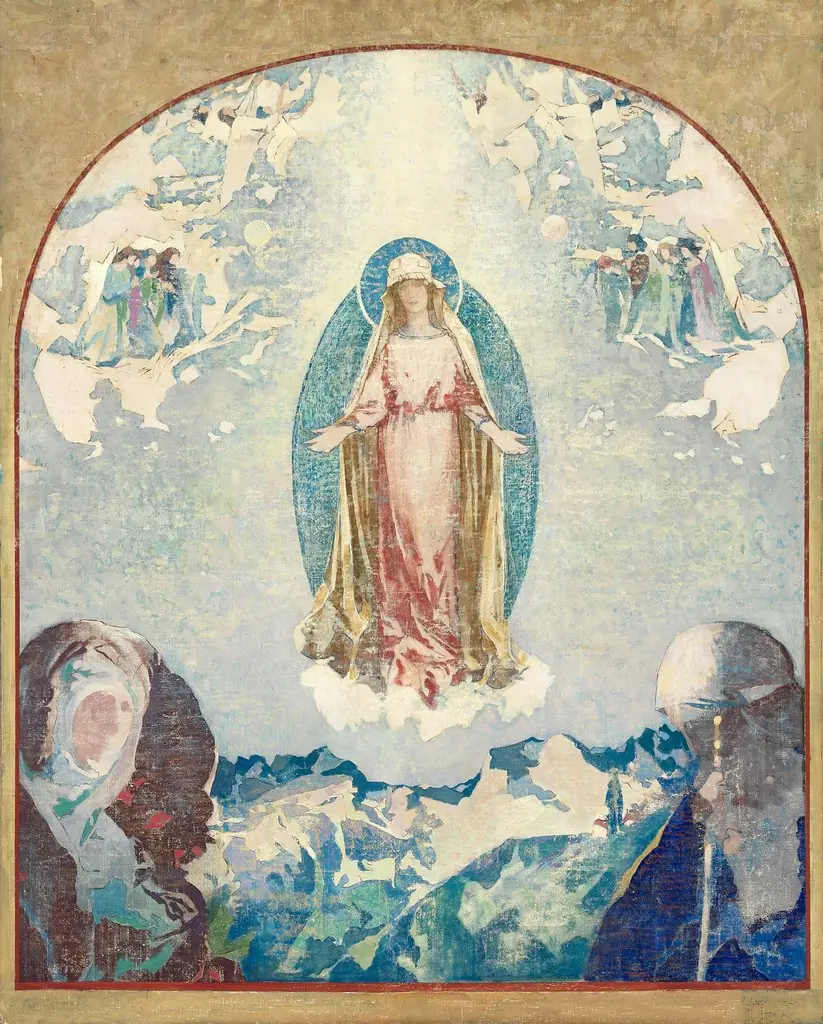
Abstract Expressionism: Who painted it and who paid for it
The first major American-led art movement, flourishing in New York from the late 1940s. Artists like Jackson Pollock, Mark Rothko, and Willem de Kooning made large-scale canvases driven by gesture, color, and raw emotion rather than representation, pushing the expressive…
· 12 min read -
 movement-deep-dive
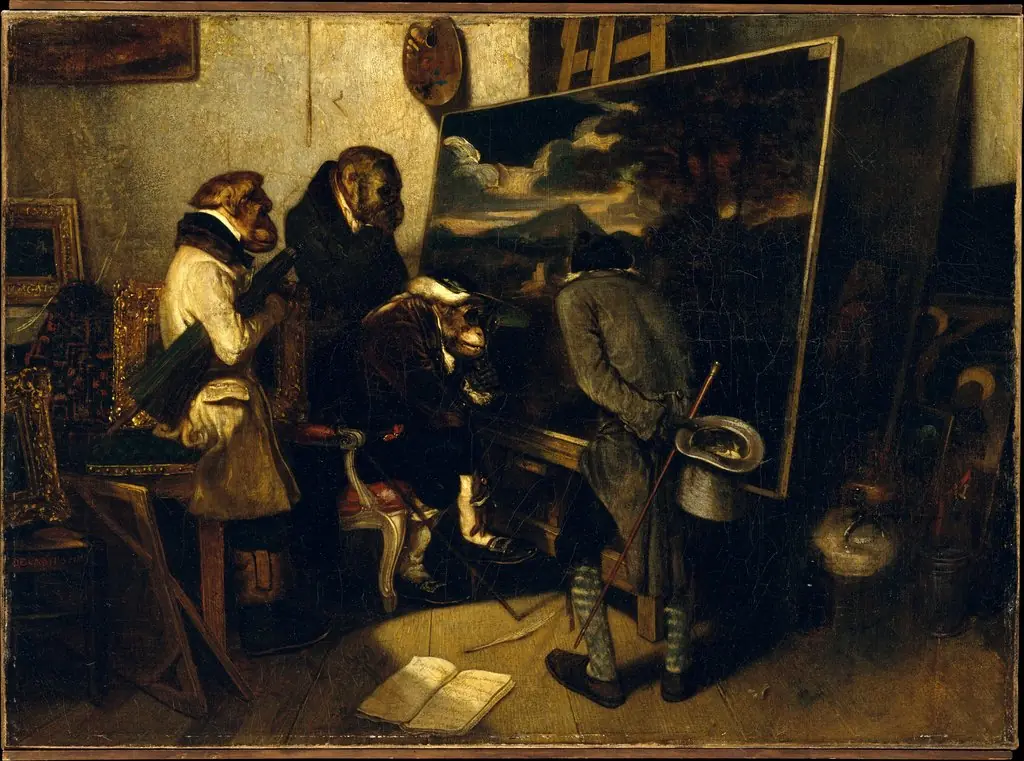
French Romanticism: The argument the movement was having with its predecessor
The French strand of Romanticism, peaking in the 1820s, 1840s and centered on the battle between the classicists and romantics in the Salon. Eugène Delacroix's turbulent color and Géricault's visceral drama set the movement's tone, while landscape painters like Théodore…
· 12 min read - movement-deep-dive
Hudson River School: How the style was made, material and method
The first distinctly American school of landscape painting, flourishing from the 1820s to the 1880s. Thomas Cole, Frederic Edwin Church, and Albert Bierstadt painted the Hudson Valley, the White Mountains, and the American West as an untouched paradise, vast, luminous, and…
· 12 min read -
 movement-deep-dive
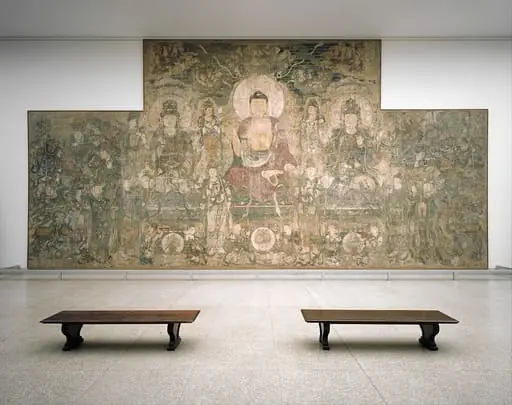
Ming dynasty painting: Close-looking through a single defining work
Painting of China's Ming dynasty (1368-1644), spanning refined court works and the scholar-amateur 'literati' tradition. Schools like the Wu and the Zhe revived earlier masters, balancing decorative color with expressive ink landscapes.
· 13 min read -
 artist-deep-dive
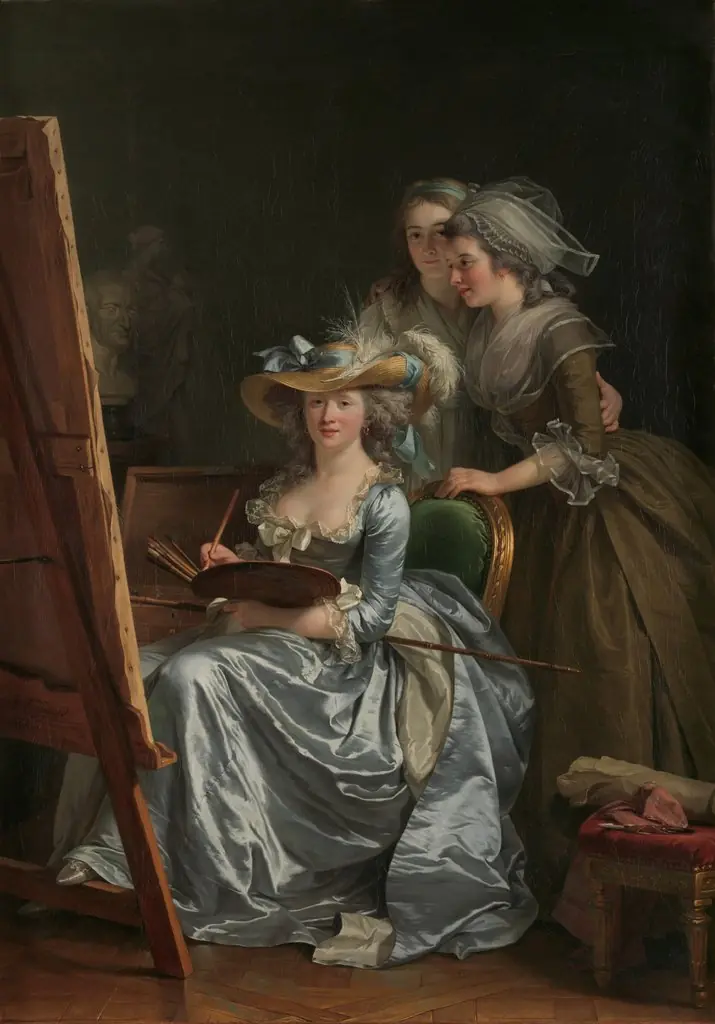
Adélaïde Labille-Guiard: Who painted it and who paid for it
A close reading of Adélaïde Labille-Guiard: who painted it and who paid for it.
· 12 min read - artist-deep-dive
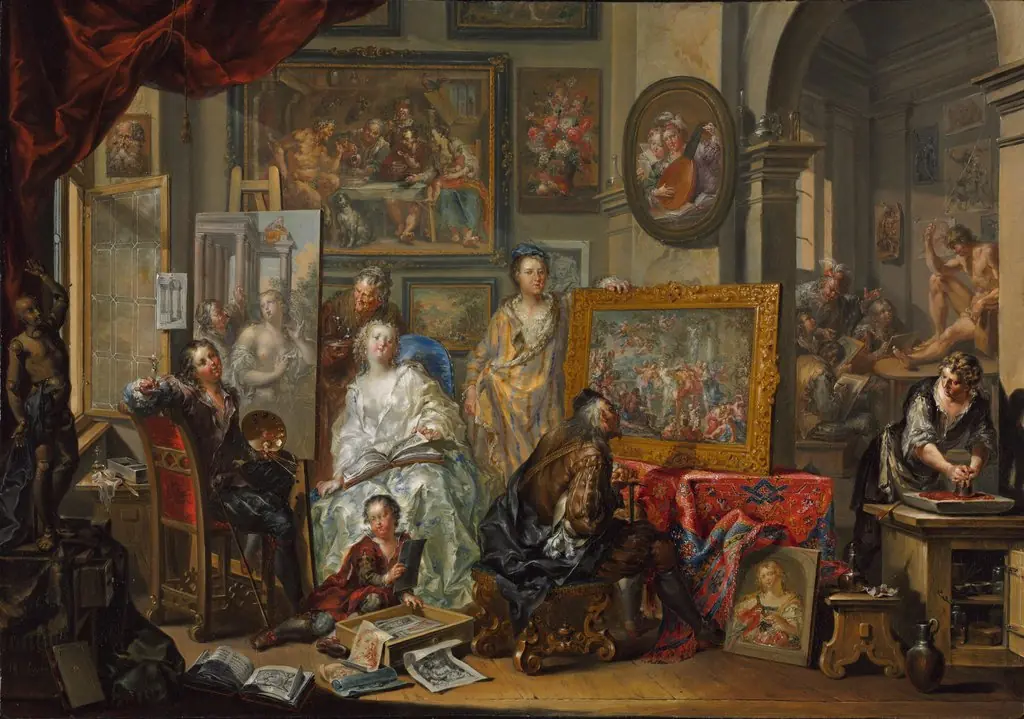
Johann Georg Platzer: Iconography and what the pictures meant to their first viewers
A close reading of Johann Georg Platzer: iconography and what the pictures meant to their first viewers.
· 14 min read -
 artist-deep-dive
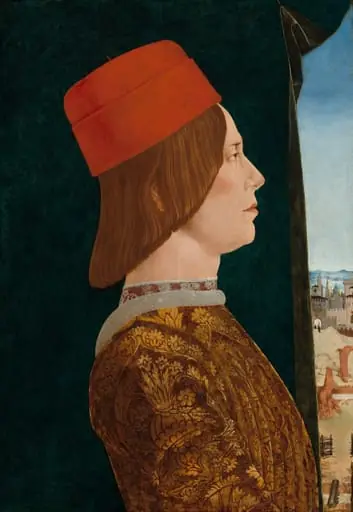
Ercole de' Roberti: How the style was made, material and method
A close reading of Ercole de' Roberti: how the style was made, material and method.
· 12 min read -
 artist-deep-dive
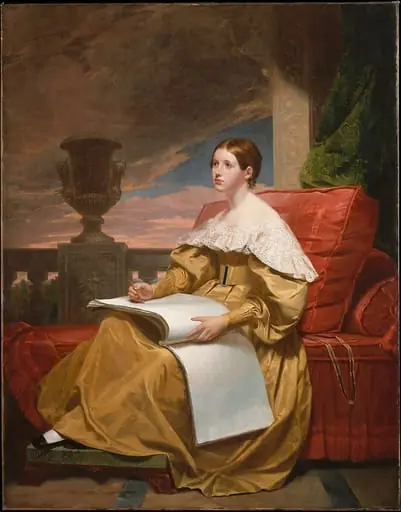
Samuel F. B. Morse: The argument the movement was having with its predecessor
A close reading of Samuel F. B. Morse: the argument the movement was having with its predecessor (revisited).
· 12 min read -
 artist-deep-dive
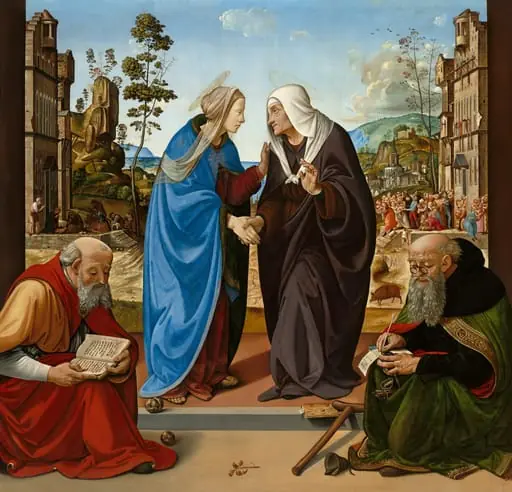
Piero di Cosimo: Close-looking through a single defining work
A close reading of Piero di Cosimo: close-looking through a single defining work.
· 11 min read -
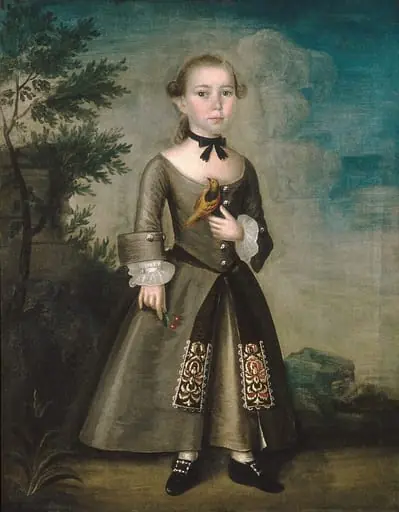 artist-deep-dive
Joseph Badger: One question, several answers
A close reading of Joseph Badger: one question, several answers (revisited).
· 11 min read -
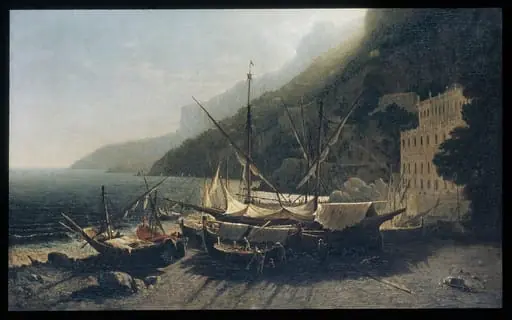 artist-deep-dive
George Loring Brown: The formal break, composition, light, the handling of paint
A close reading of George Loring Brown: the formal break, composition, light, the handling of paint.
· 11 min read -
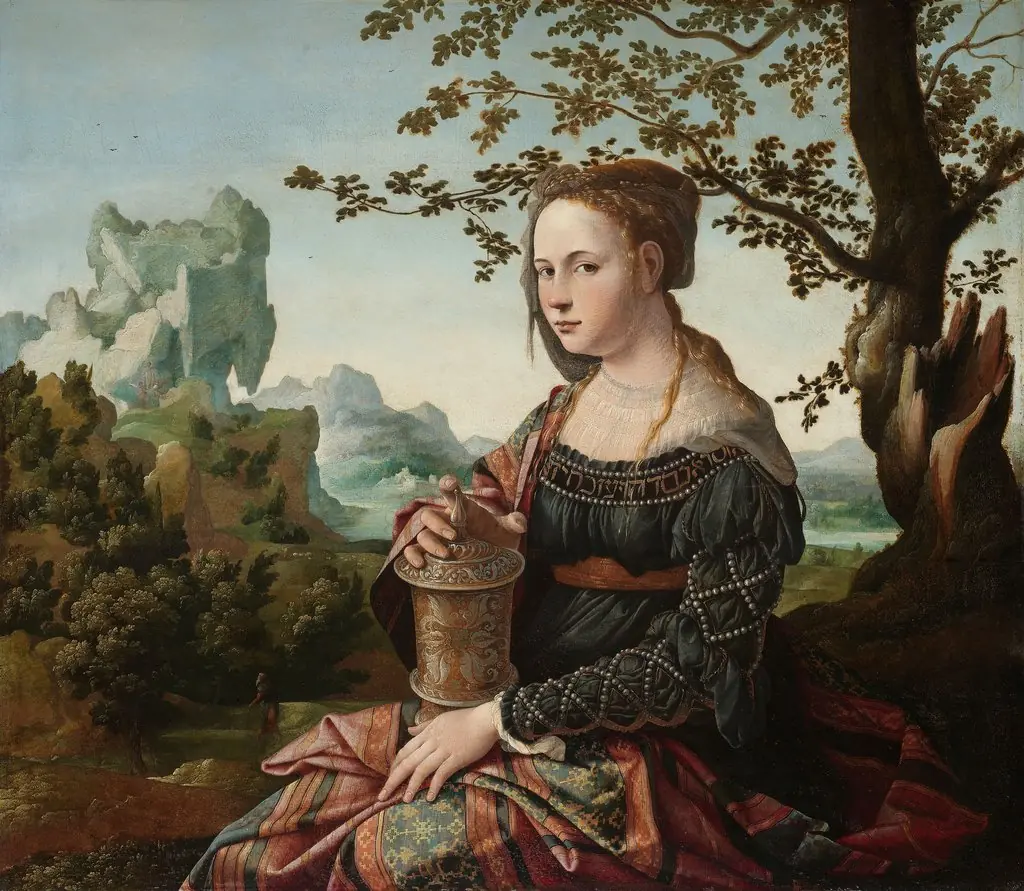 artist-deep-dive
Jan van Scorel: Who painted it and who paid for it
A close reading of Jan van Scorel: who painted it and who paid for it.
· 12 min read -
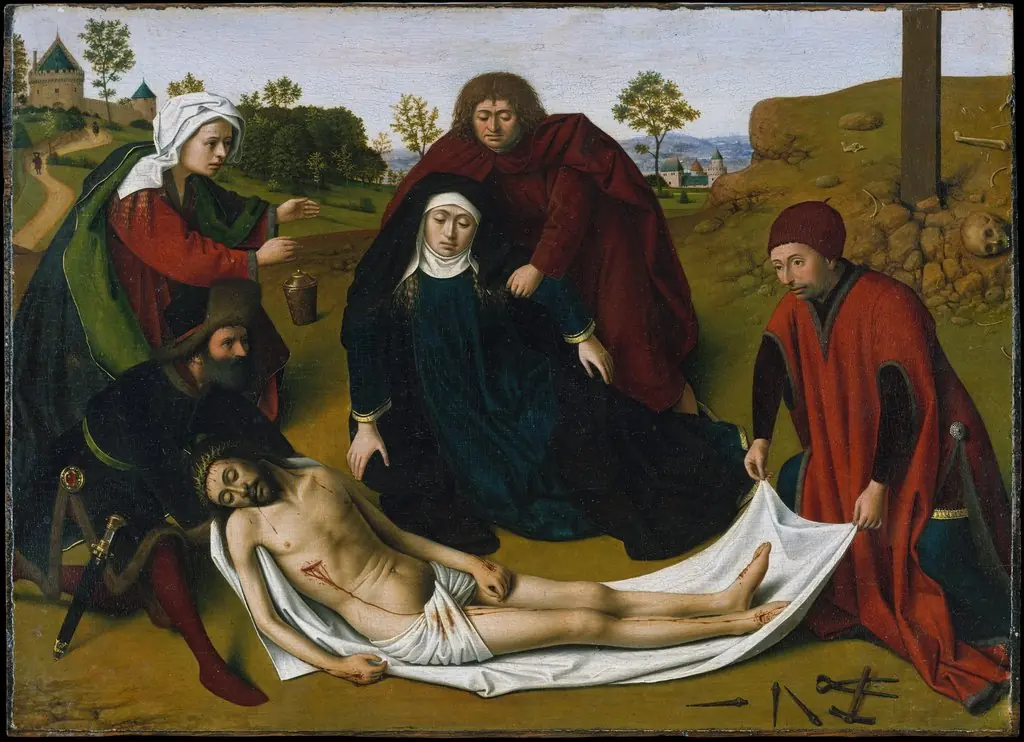 artist-deep-dive
Petrus Christus: The argument the movement was having with its predecessor
A close reading of Petrus Christus: the argument the movement was having with its predecessor.
· 12 min read -
 artist-deep-dive
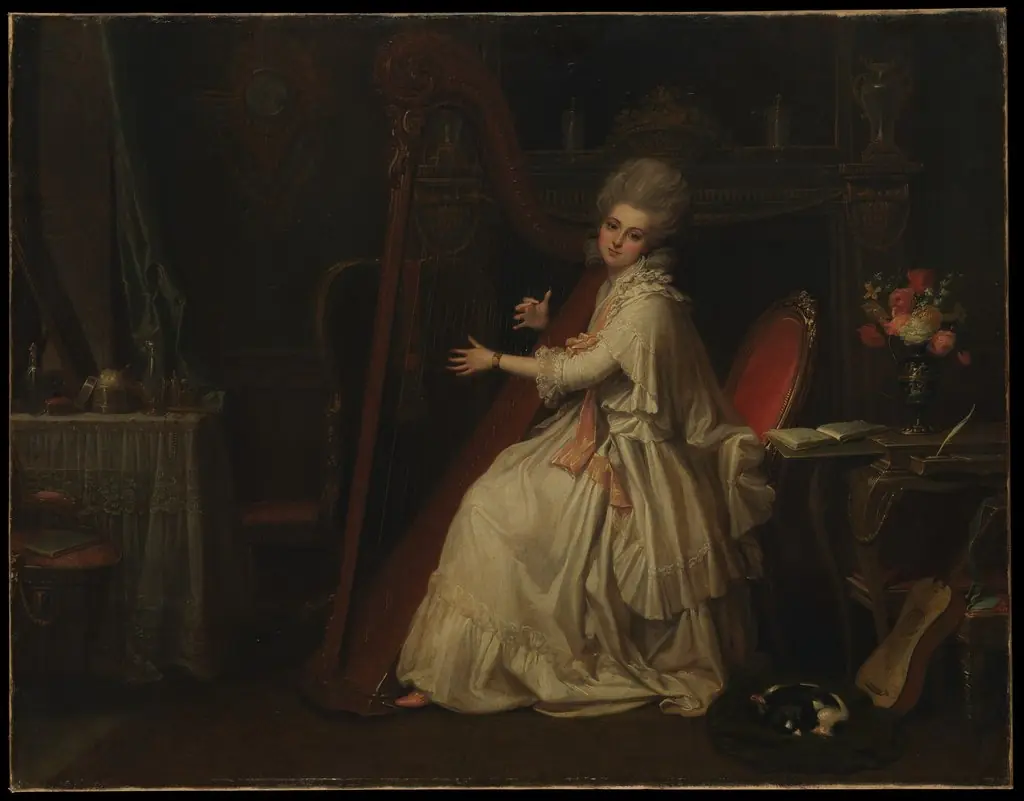
Richard Cosway: Close-looking through a single defining work
A close reading of Richard Cosway: close-looking through a single defining work (revisited).
· 13 min read -
 artist-deep-dive
Alfred Thompson Bricher: Where it traveled and how it changed in transit
A close reading of Alfred Thompson Bricher: where it traveled and how it changed in transit.
· 12 min read -
 artist-deep-dive
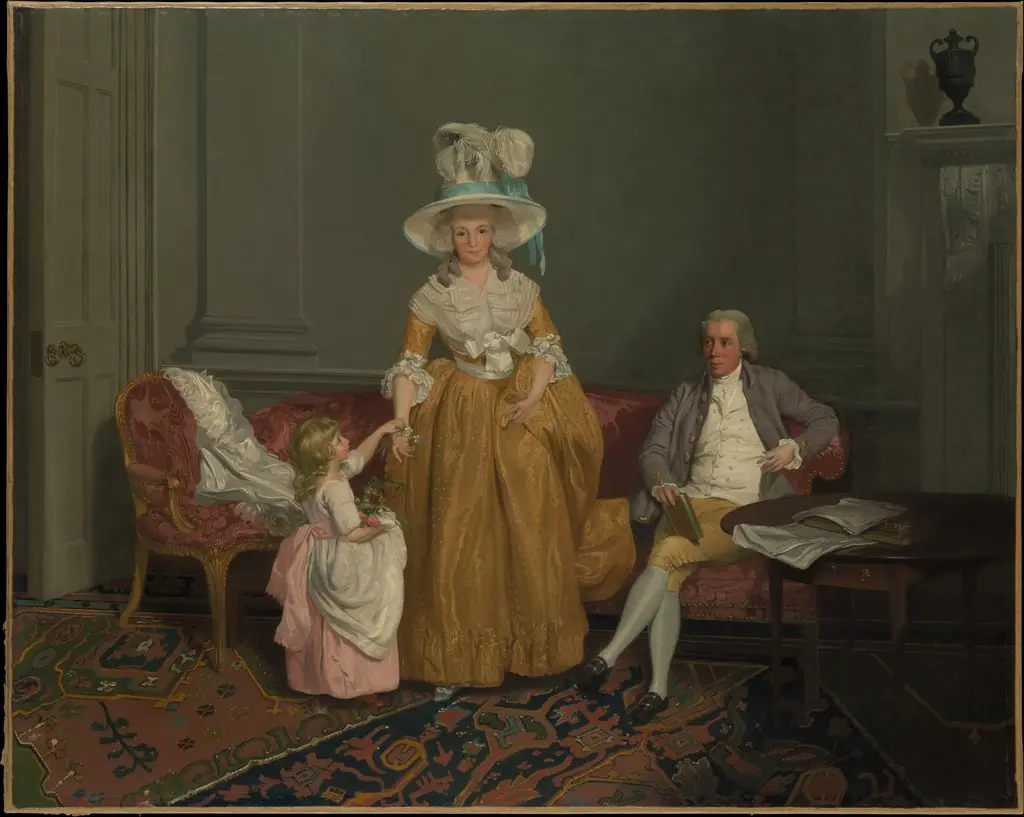
Francis Wheatley: The formal break, composition, light, the handling of paint
A close reading of Francis Wheatley: the formal break, composition, light, the handling of paint.
· 12 min read -
 artist-deep-dive
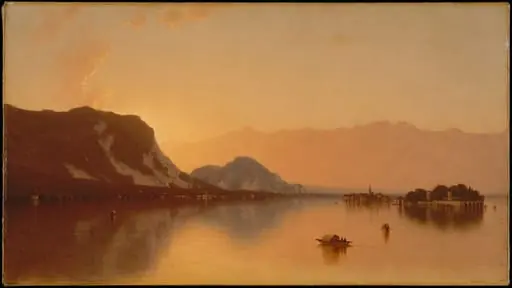
Sanford Robinson Gifford: Iconography and what the pictures meant to their first viewers
A close reading of Sanford Robinson Gifford: iconography and what the pictures meant to their first viewers.
· 12 min read -
 artist-deep-dive
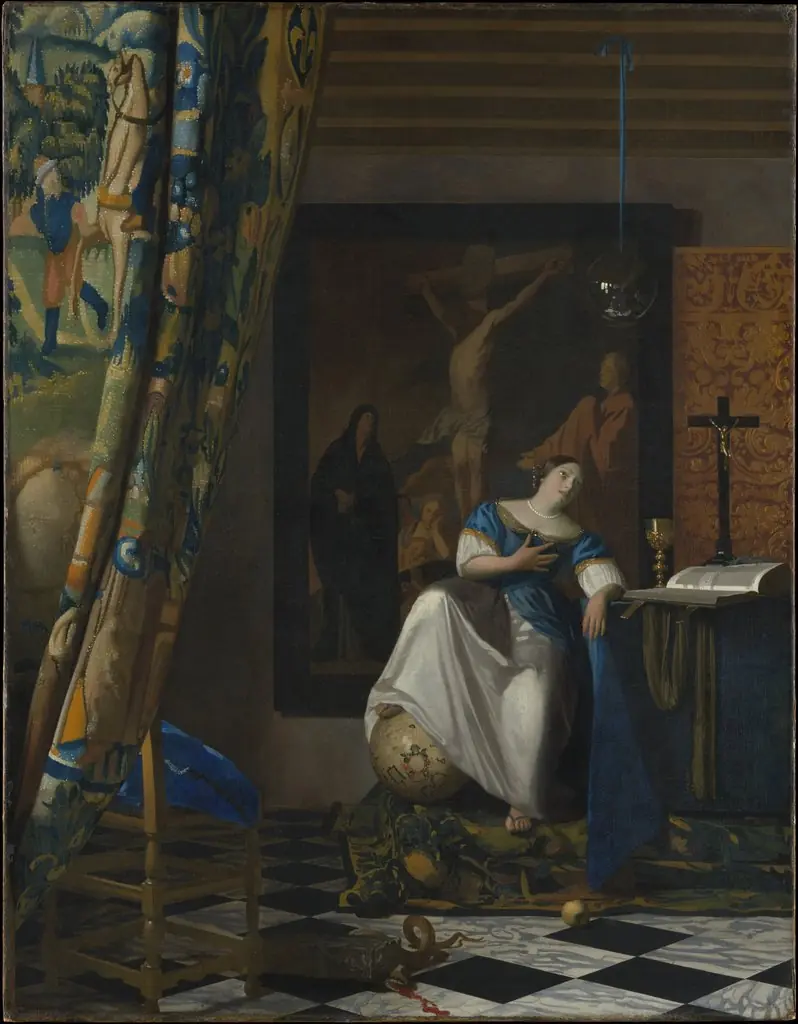
Johannes Vermeer: The argument the movement was having with its predecessor
A close reading of Johannes Vermeer: the argument the movement was having with its predecessor.
· 12 min read -
 artist-deep-dive
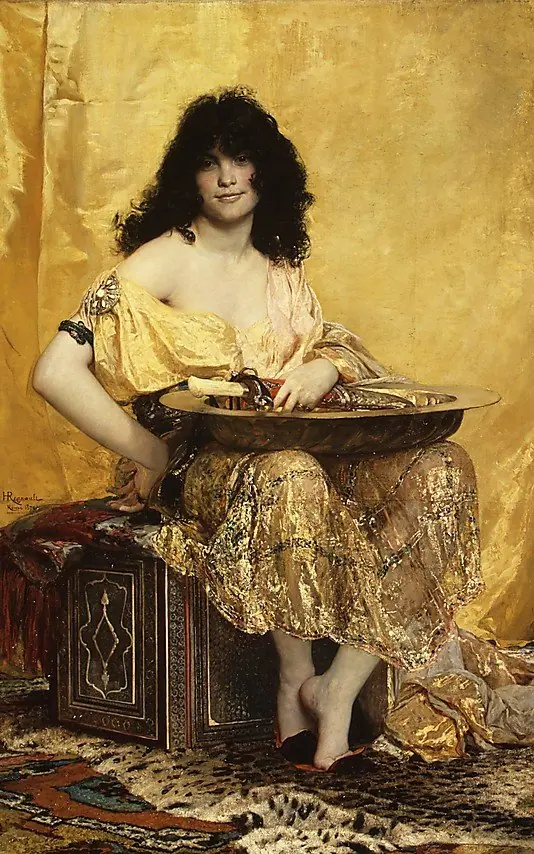
Henri Regnault: One question, several answers
A close reading of Henri Regnault: one question, several answers.
· 12 min read -
 artist-deep-dive
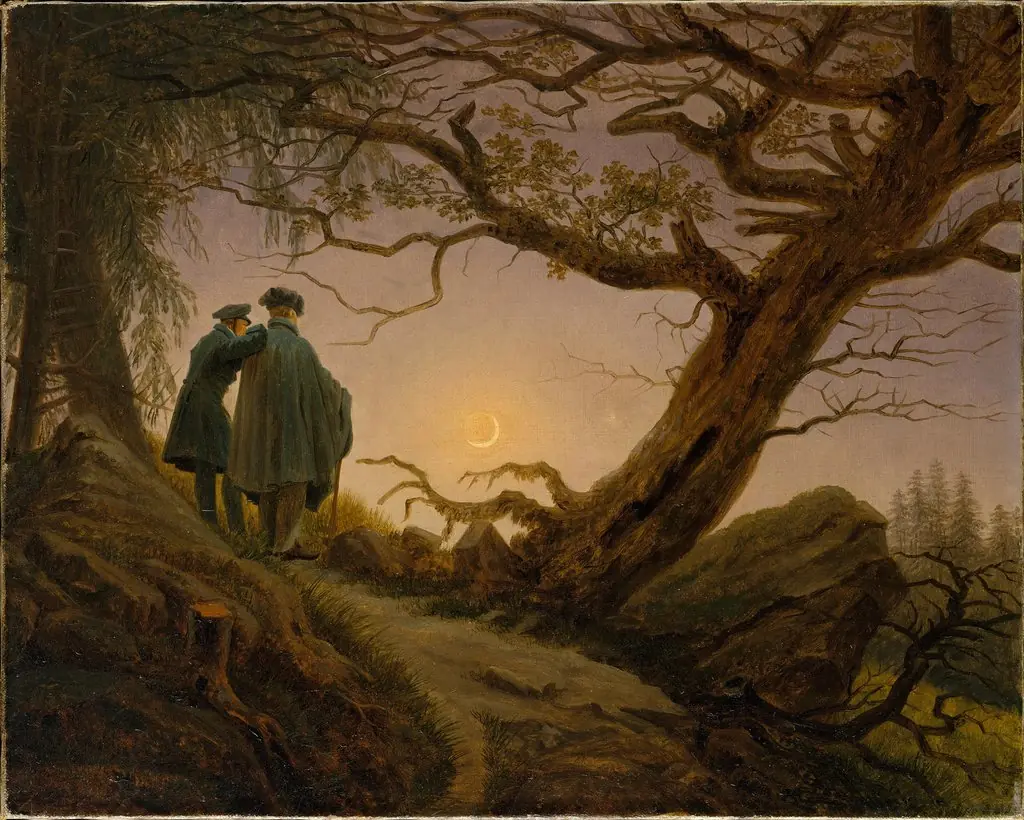
Caspar David Friedrich: Close-looking through a single defining work
A close reading of Caspar David Friedrich: close-looking through a single defining work.
· 12 min read -
 artist-deep-dive
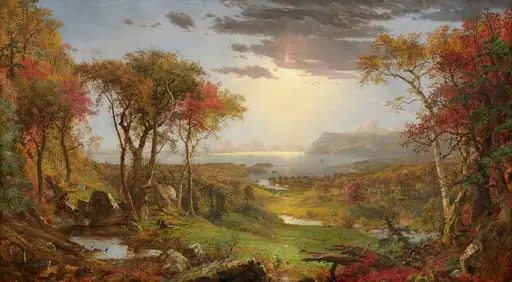
Jasper Francis Cropsey: The formal break, composition, light, the handling of paint
A close reading of Jasper Francis Cropsey: the formal break, composition, light, the handling of paint.
· 12 min read -
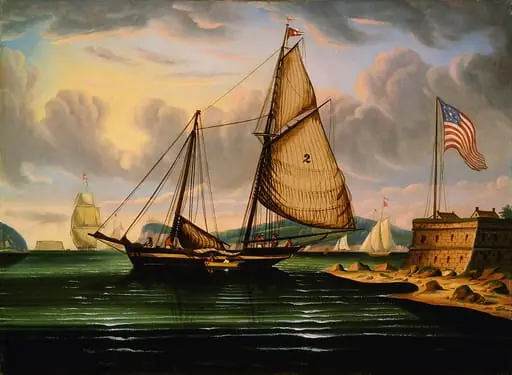 artist-deep-dive
Thomas Chambers: Where it traveled and how it changed in transit
A close reading of Thomas Chambers: where it traveled and how it changed in transit.
· 12 min read -
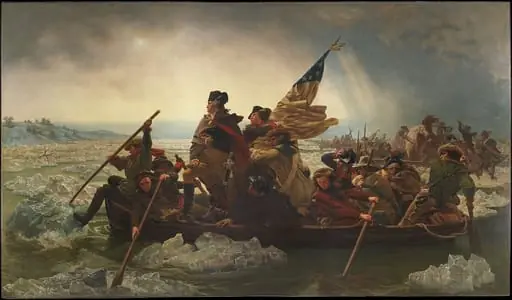 artist-deep-dive
Emanuel Leutze: Who painted it and who paid for it
A close reading of Emanuel Leutze: who painted it and who paid for it.
· 12 min read -
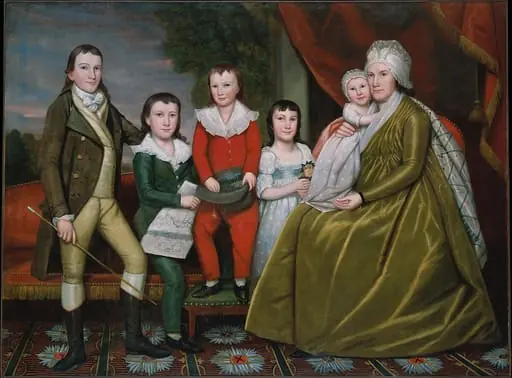 artist-deep-dive
Ralph Earl: The argument the movement was having with its predecessor
A close reading of Ralph Earl: the argument the movement was having with its predecessor.
· 12 min read -
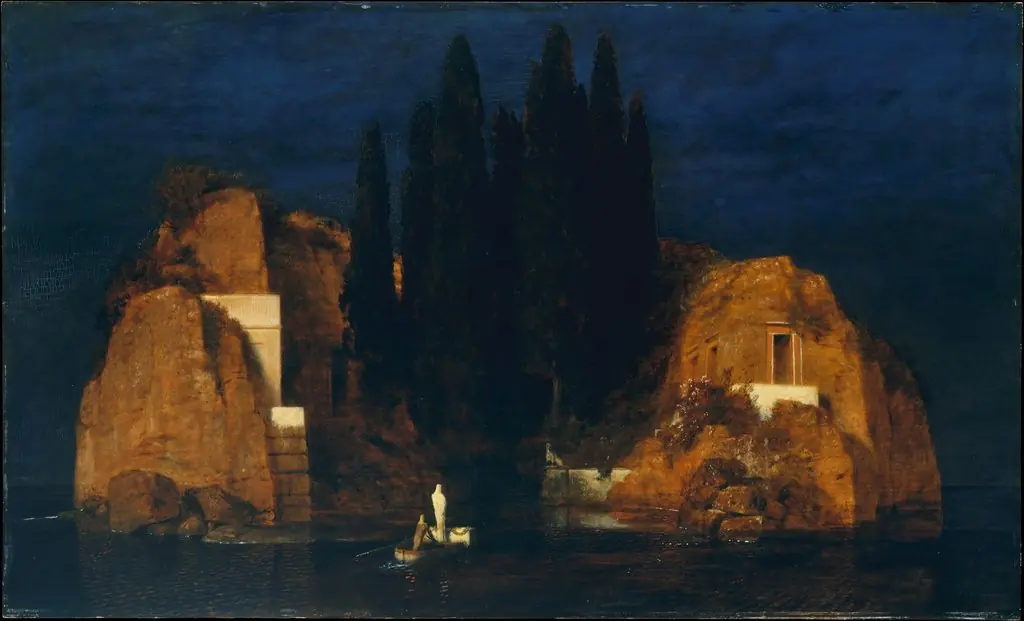 artist-deep-dive
Arnold Böcklin: Iconography and what the pictures meant to their first viewers
A close reading of Arnold Böcklin: iconography and what the pictures meant to their first viewers (revisited).
· 12 min read -
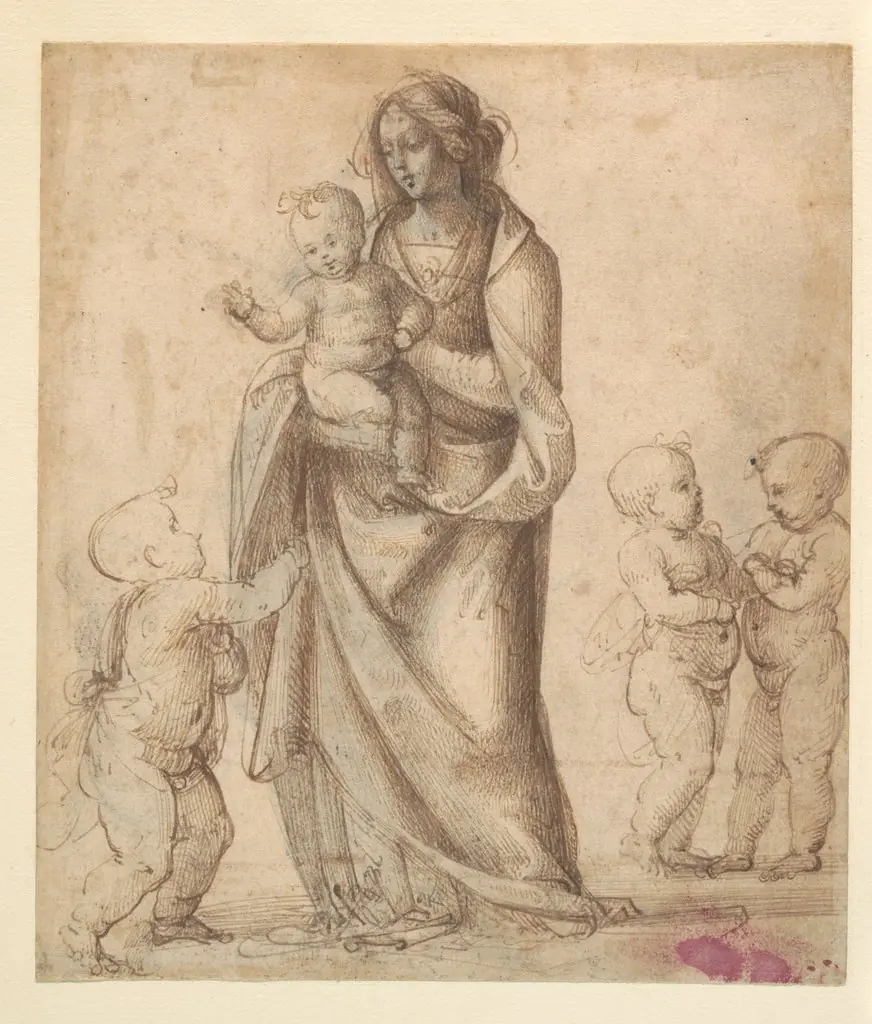 artist-deep-dive
Fra Bartolomeo: How the style was made, material and method
A close reading of Fra Bartolomeo: how the style was made, material and method.
· 12 min read -
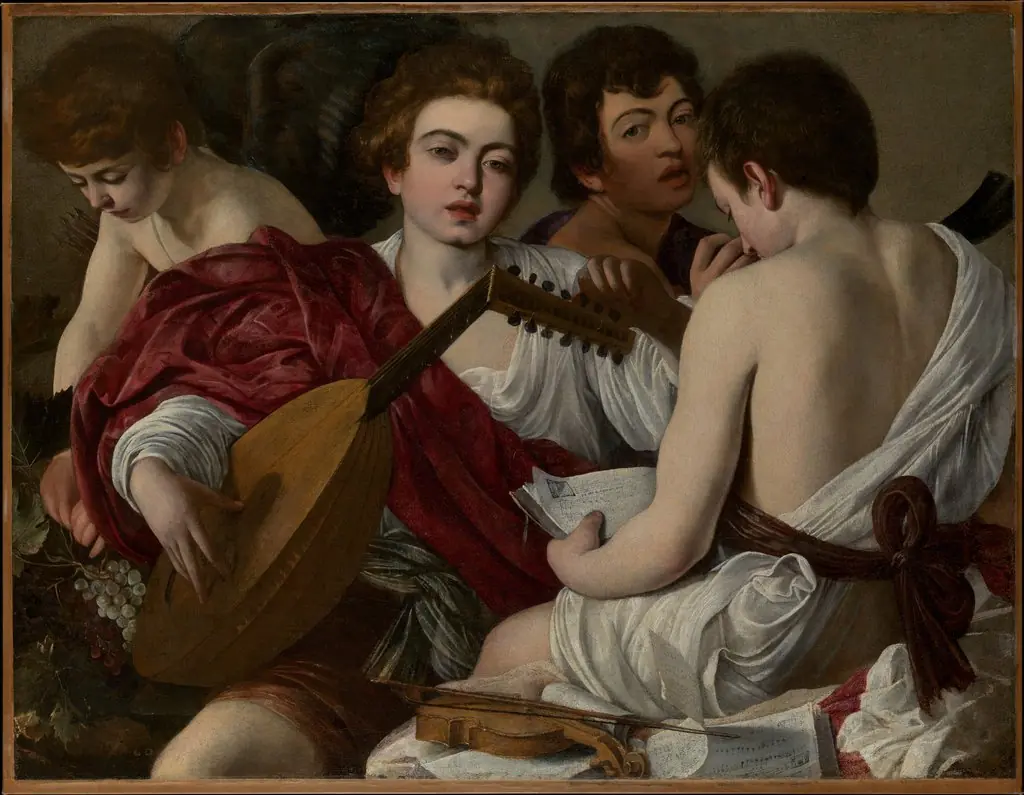 artist-deep-dive
Caravaggio: One question, several answers
A close reading of Caravaggio: one question, several answers (revisited).
· 12 min read -
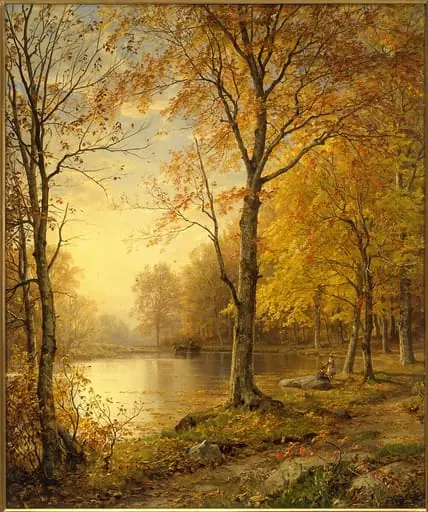 artist-deep-dive
William Trost Richards: Who painted it and who paid for it
A close reading of William Trost Richards: who painted it and who paid for it (revisited).
· 11 min read -
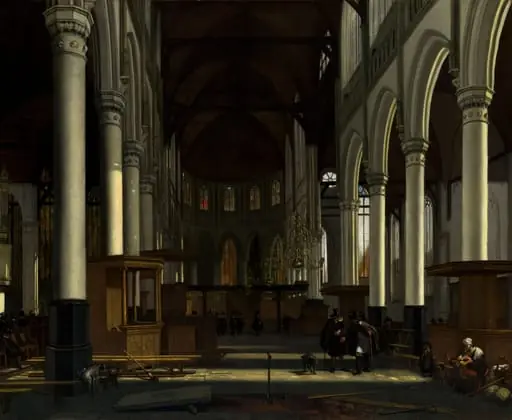 artist-deep-dive
Emanuel de Witte: The argument the movement was having with its predecessor
A close reading of Emanuel de Witte: the argument the movement was having with its predecessor (revisited).
· 12 min read -
 artist-deep-dive
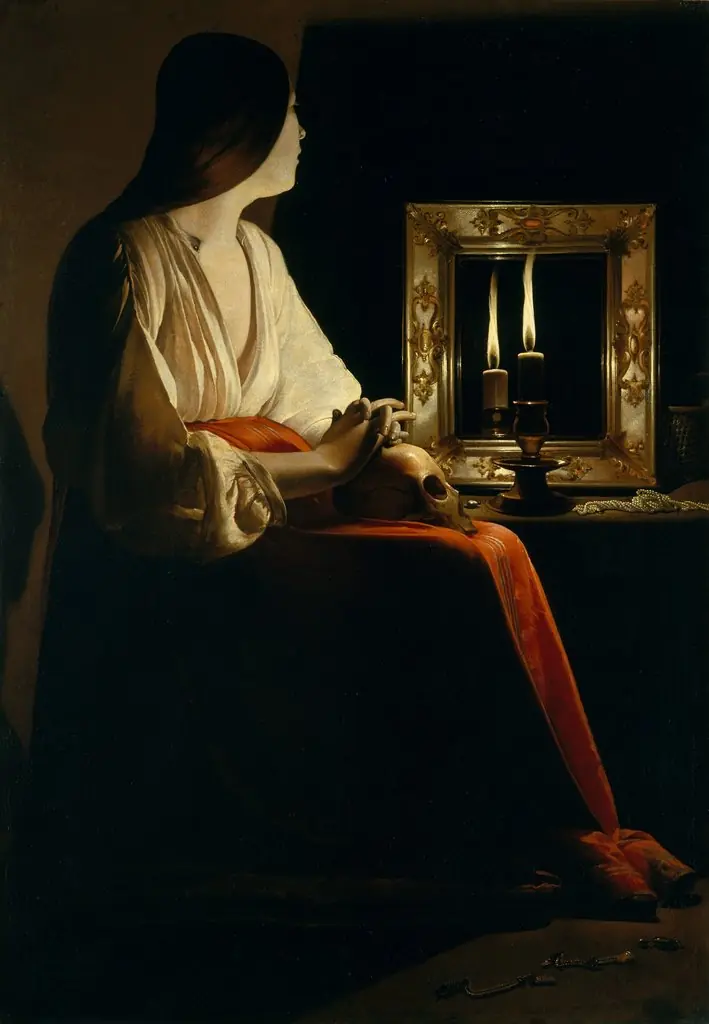
Georges de La Tour: How the style was made, material and method
A close reading of Georges de La Tour: how the style was made, material and method (revisited).
· 12 min read -
 artist-deep-dive
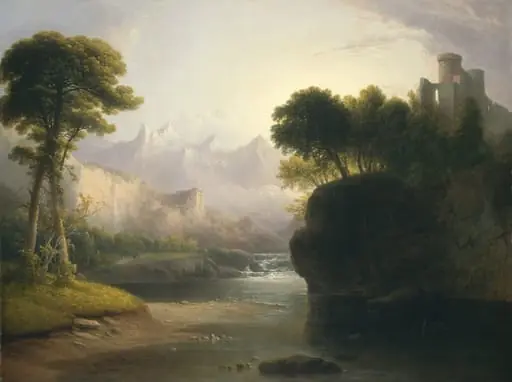
Thomas Doughty: Iconography and what the pictures meant to their first viewers
A close reading of Thomas Doughty: iconography and what the pictures meant to their first viewers.
· 13 min read -
 artist-deep-dive
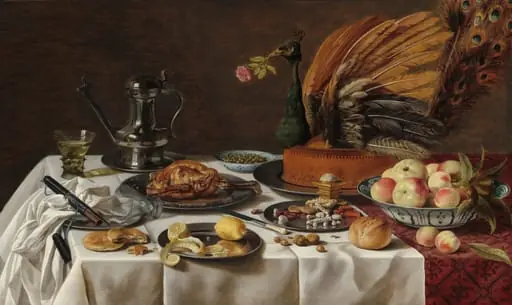
Pieter Claesz: Close-looking through a single defining work
A close reading of Pieter Claesz: close-looking through a single defining work.
· 11 min read -
 artist-deep-dive
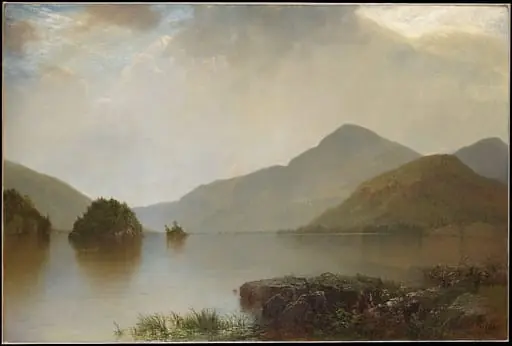
John Frederick Kensett: One question, several answers
A close reading of John Frederick Kensett: one question, several answers.
· 12 min read -
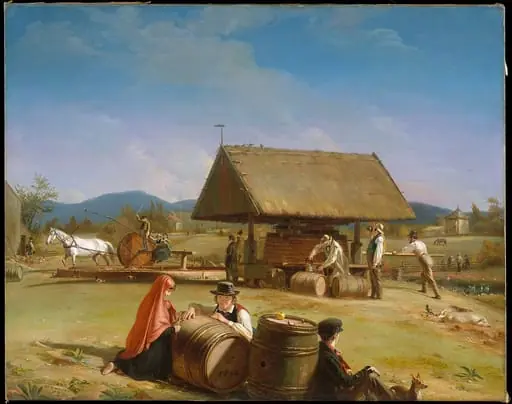 artist-deep-dive
William Sidney Mount: The formal break, composition, light, the handling of paint
A close reading of William Sidney Mount: the formal break, composition, light, the handling of paint.
· 12 min read -
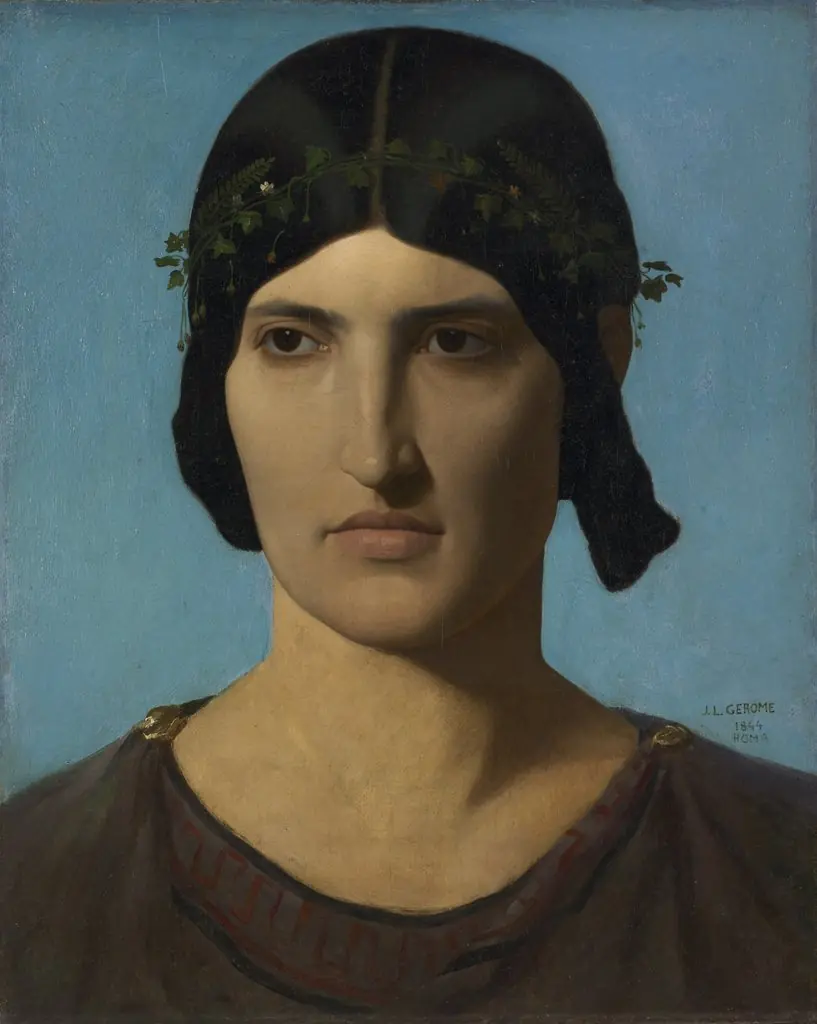 artist-deep-dive
Jean Léon Gérôme: Who painted it and who paid for it
A close reading of Jean Léon Gérôme: who painted it and who paid for it.
· 12 min read -
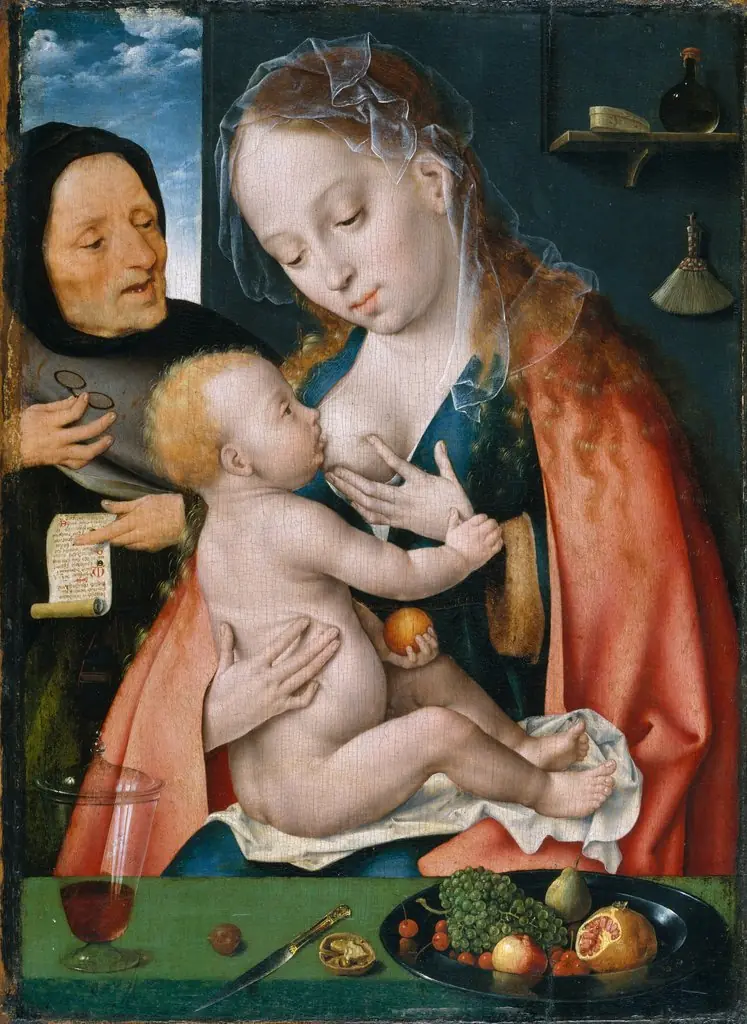 artist-deep-dive
Joos van Cleve: Iconography and what the pictures meant to their first viewers
A close reading of Joos van Cleve: iconography and what the pictures meant to their first viewers.
· 12 min read -
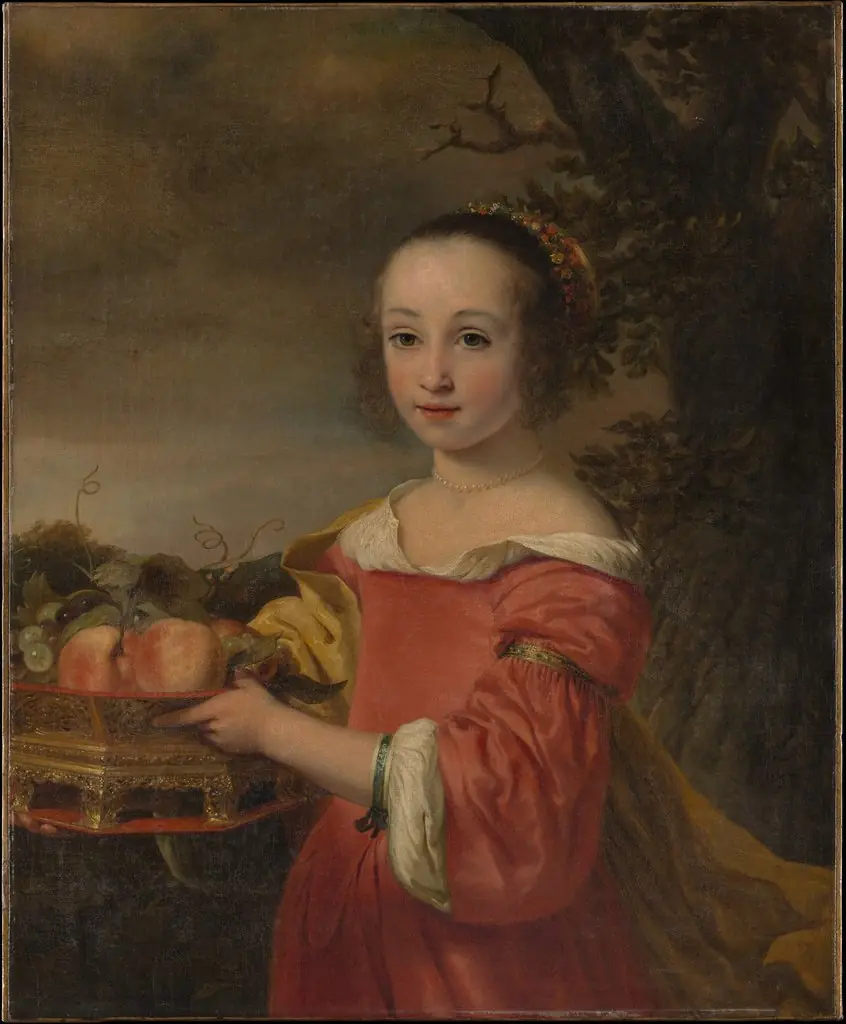 artist-deep-dive
Ferdinand Bol: Close-looking through a single defining work
A close reading of Ferdinand Bol: close-looking through a single defining work.
· 12 min read -
 artist-deep-dive
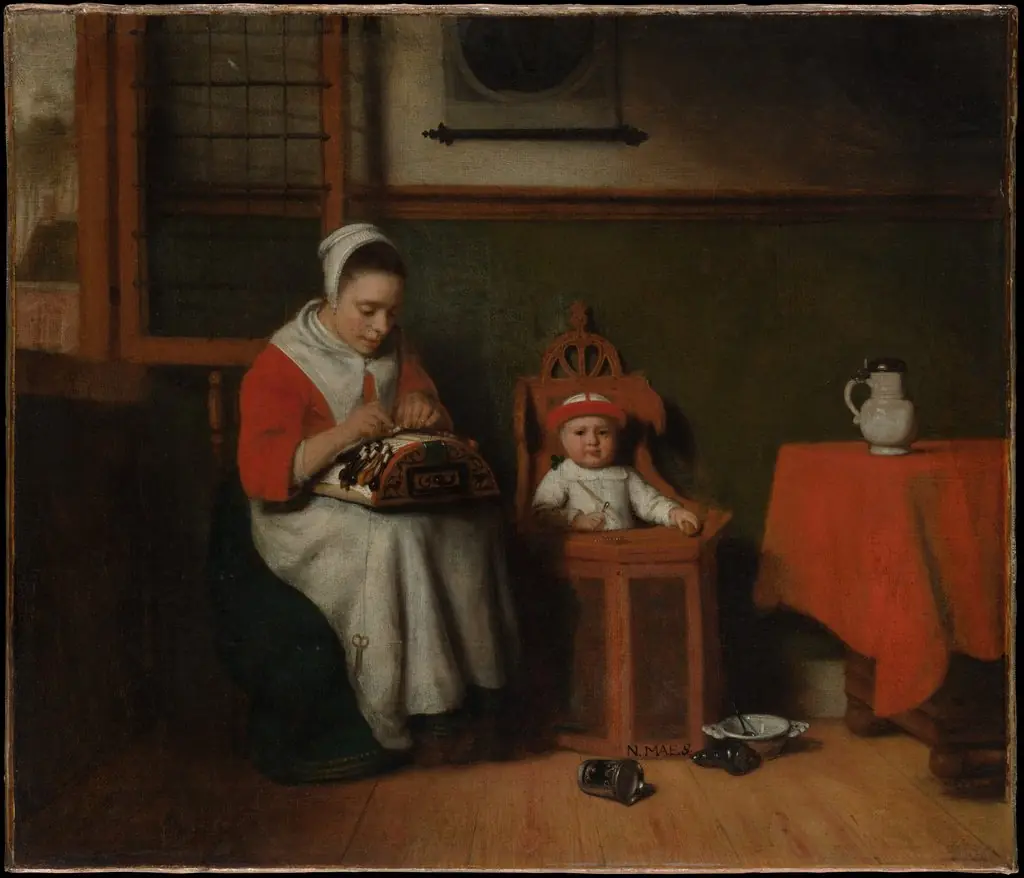
Nicolaes Maes: One question, several answers
A close reading of Nicolaes Maes: one question, several answers.
· 12 min read -
 artist-deep-dive
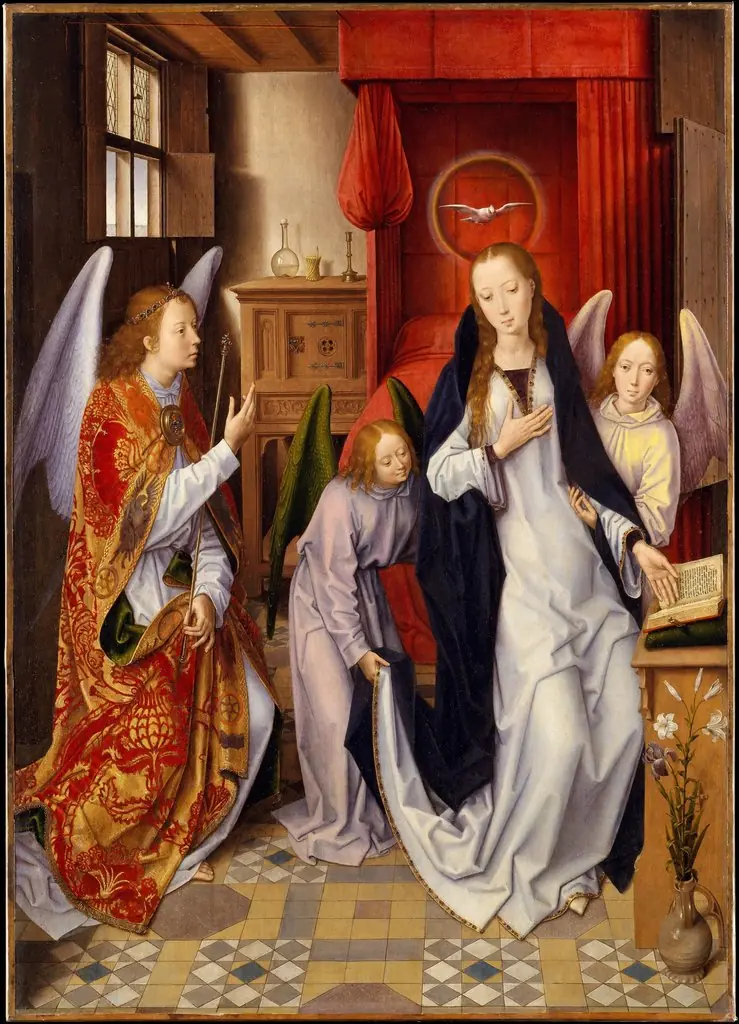
Hans Memling: How the style was made, material and method
A close reading of Hans Memling: how the style was made, material and method.
· 13 min read -
 artist-deep-dive
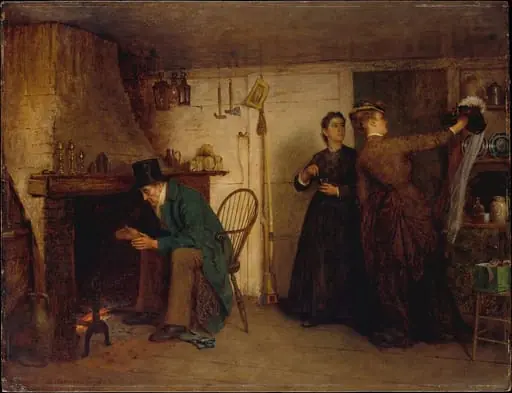
Eastman Johnson: Where it traveled and how it changed in transit
A close reading of Eastman Johnson: where it traveled and how it changed in transit.
· 12 min read - artist-deep-dive
Albert Bierstadt: The formal break, composition, light, the handling of paint
A close reading of Albert Bierstadt: the formal break, composition, light, the handling of paint (revisited).
· 11 min read -
 artist-deep-dive
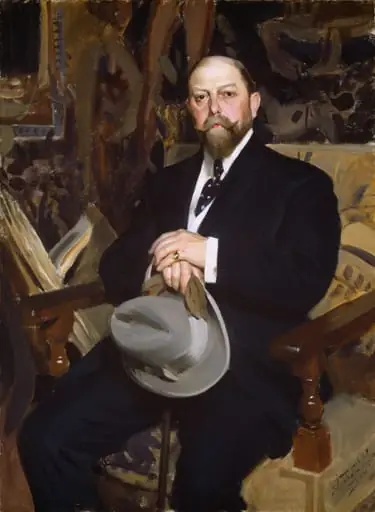
Anders Zorn: Iconography and what the pictures meant to their first viewers
A close reading of Anders Zorn: iconography and what the pictures meant to their first viewers.
· 13 min read -
 artist-deep-dive
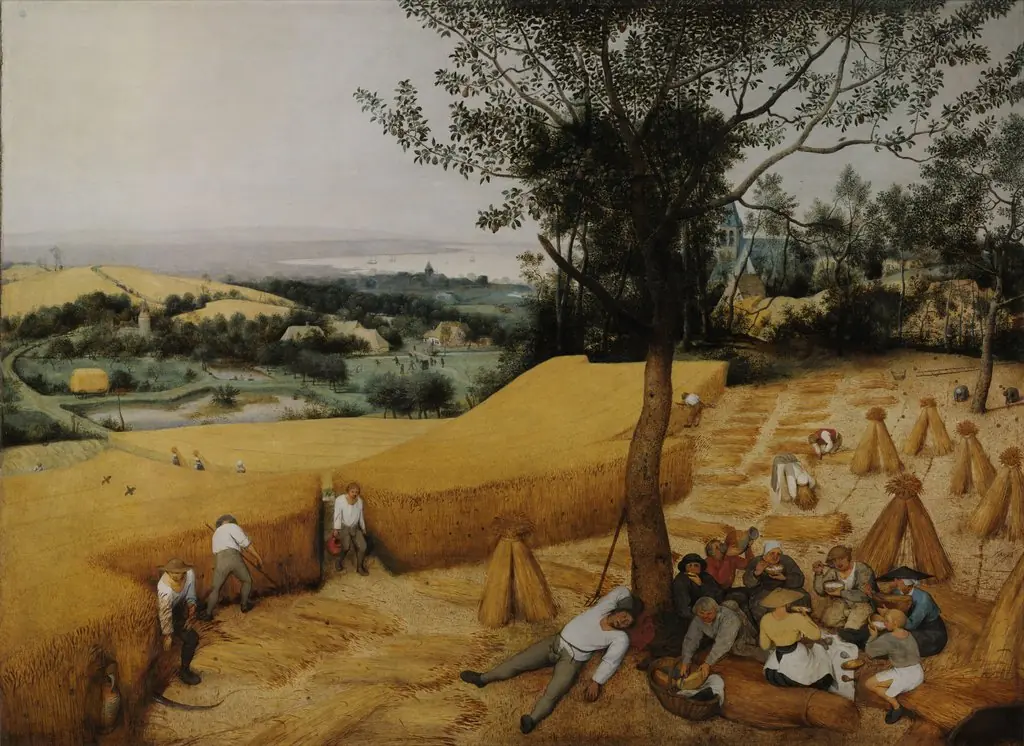
Pieter Brueghel the Elder: The argument the movement was having with its predecessor
A close reading of Pieter Brueghel the Elder: the argument the movement was having with its predecessor.
· 12 min read - artist-deep-dive
Thomas Eakins: Close-looking through a single defining work
A close reading of Thomas Eakins: close-looking through a single defining work.
· 12 min read -
 artist-deep-dive
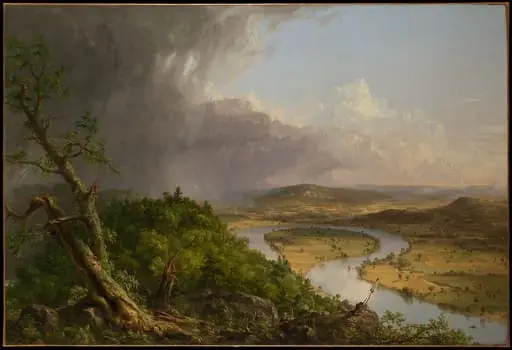
Thomas Cole: One question, several answers
A close reading of Thomas Cole: one question, several answers.
· 12 min read -
 artist-deep-dive
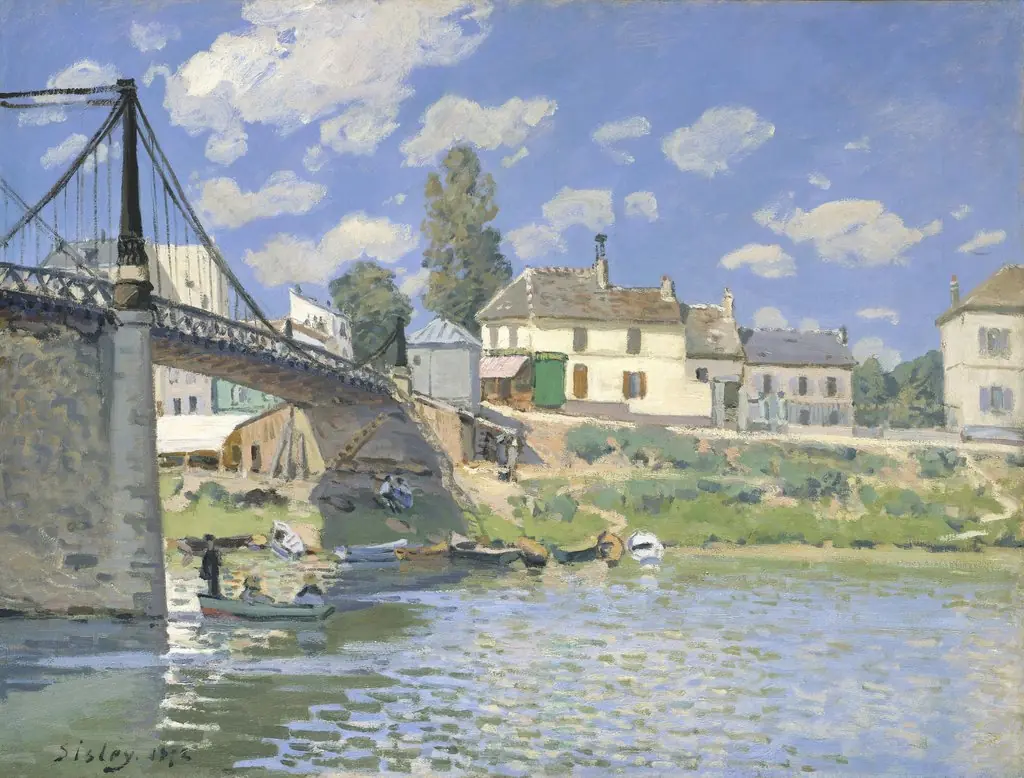
Alfred Sisley: Where it traveled and how it changed in transit
A close reading of Alfred Sisley: where it traveled and how it changed in transit.
· 13 min read -
 artist-deep-dive
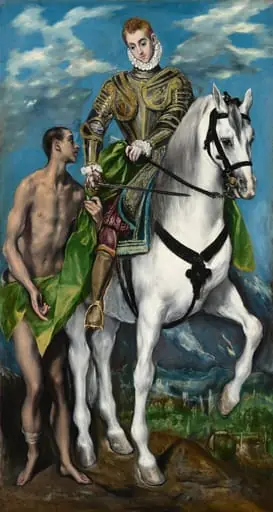
El Greco: The formal break, composition, light, the handling of paint
A close reading of El Greco: the formal break, composition, light, the handling of paint.
· 12 min read -
 artist-deep-dive
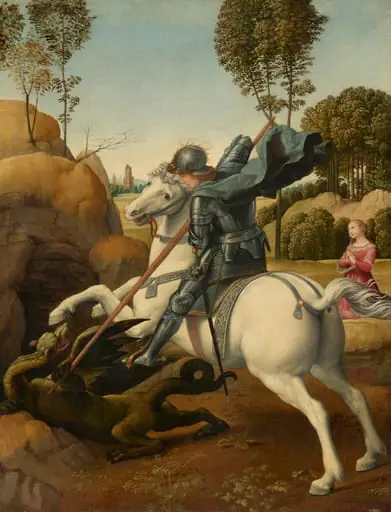
Raphael: Who painted it and who paid for it
A close reading of Raphael: who painted it and who paid for it.
· 12 min read -
 artist-deep-dive
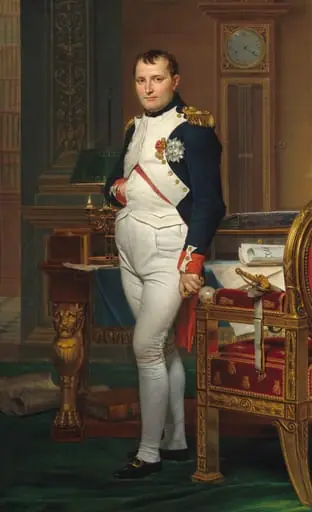
Jacques-Louis David: Iconography and what the pictures meant to their first viewers
A close reading of Jacques-Louis David: iconography and what the pictures meant to their first viewers.
· 12 min read -
 artist-deep-dive
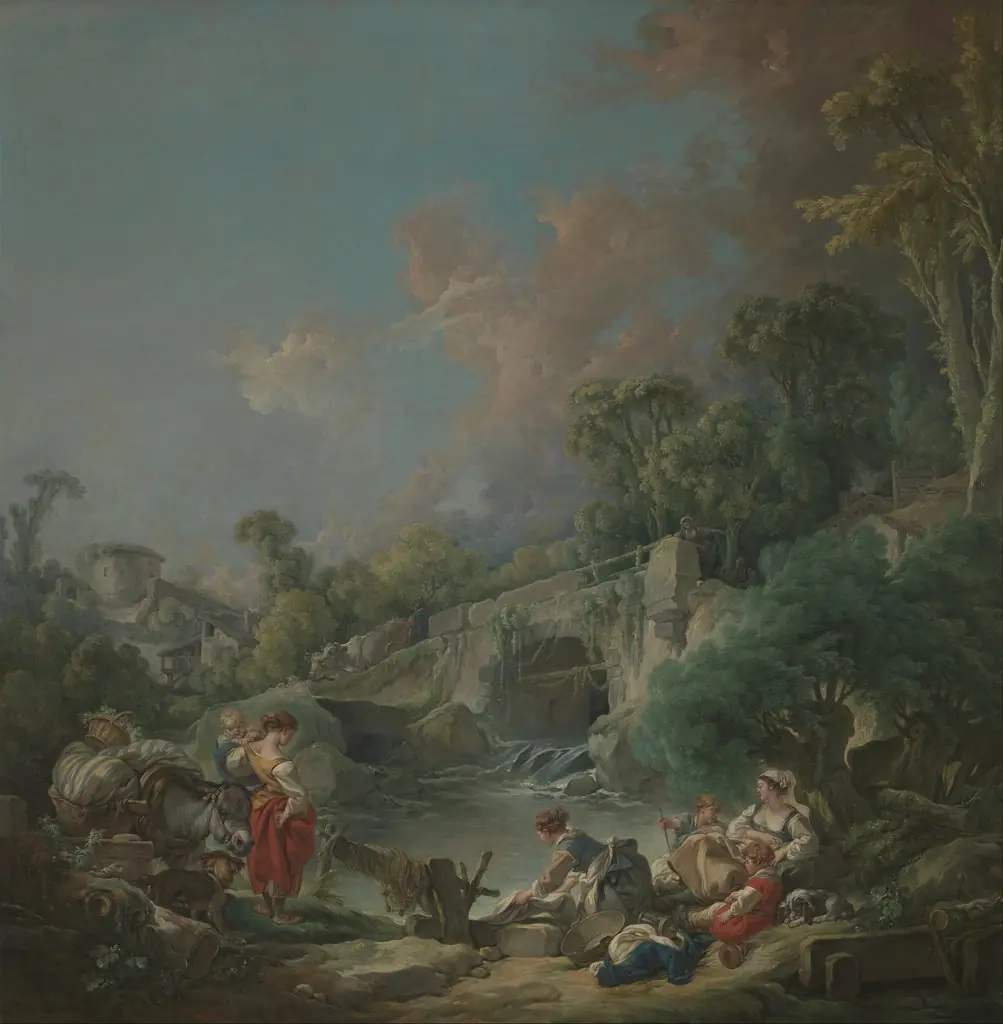
François Boucher: The argument the movement was having with its predecessor
A close reading of François Boucher: the argument the movement was having with its predecessor.
· 12 min read - artist-deep-dive
Jean Honoré Fragonard: How the style was made, material and method
A close reading of Jean Honoré Fragonard: how the style was made, material and method.
· 12 min read -
 artist-deep-dive
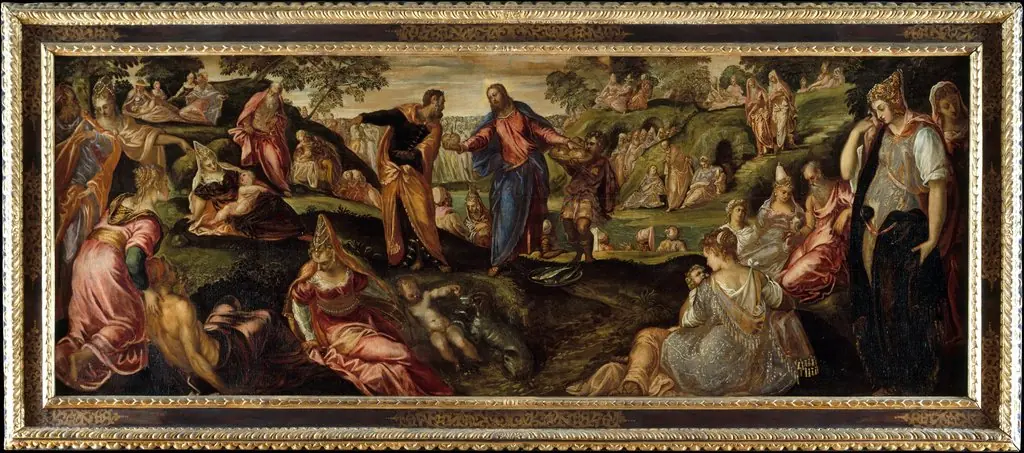
Jacopo Tintoretto: Close-looking through a single defining work
A close reading of Jacopo Tintoretto: close-looking through a single defining work.
· 13 min read -
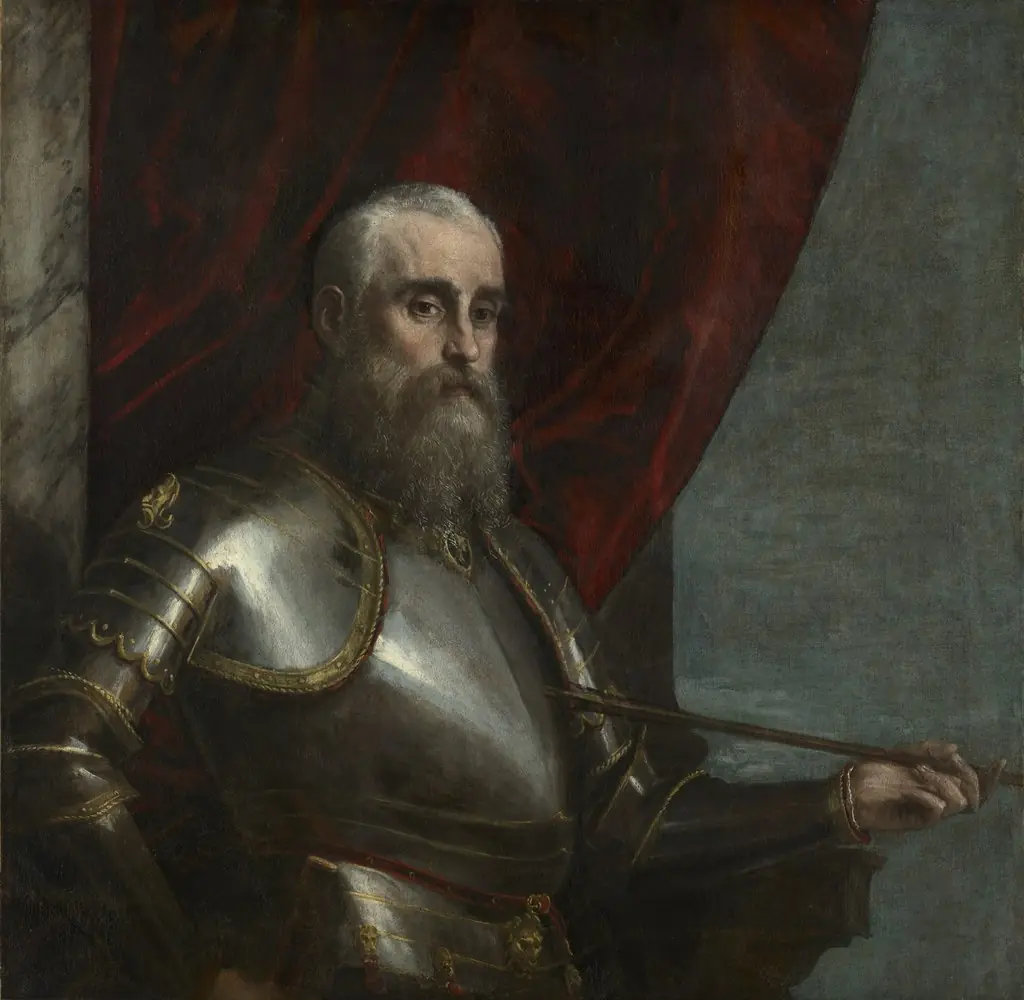 artist-deep-dive
Paolo Veronese: One question, several answers
A close reading of Paolo Veronese: one question, several answers.
· 12 min read -
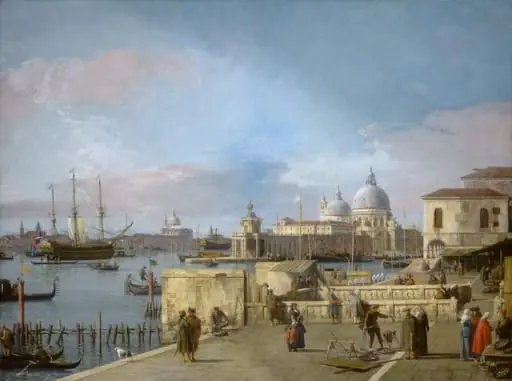 artist-deep-dive
Canaletto: Where it traveled and how it changed in transit
A close reading of Canaletto: where it traveled and how it changed in transit.
· 12 min read -
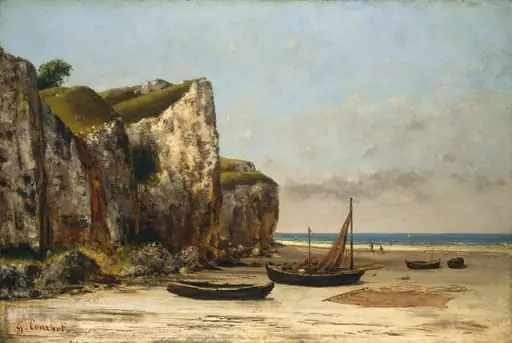 artist-deep-dive
Gustave Courbet: The formal break, composition, light, the handling of paint
A close reading of Gustave Courbet: the formal break, composition, light, the handling of paint.
· 12 min read -
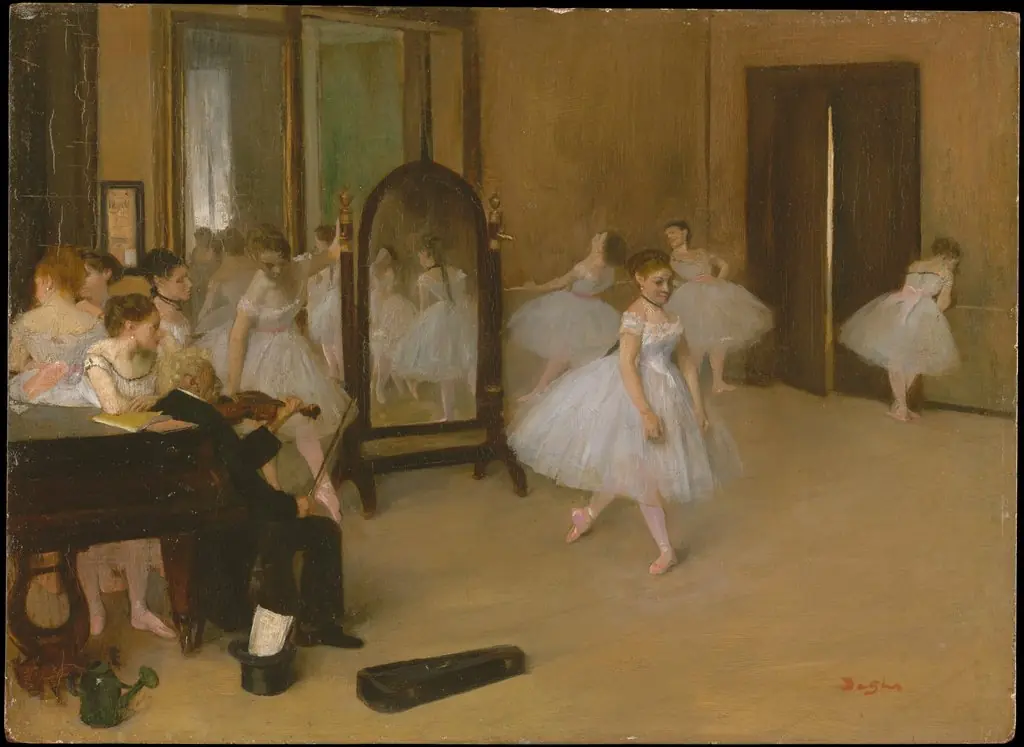 artist-deep-dive
Edgar Degas: Iconography and what the pictures meant to their first viewers
A close reading of Edgar Degas: iconography and what the pictures meant to their first viewers.
· 12 min read -
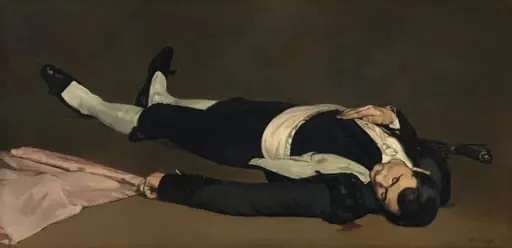 artist-deep-dive
Edouard Manet: The argument the movement was having with its predecessor
A close reading of Edouard Manet: the argument the movement was having with its predecessor.
· 12 min read -
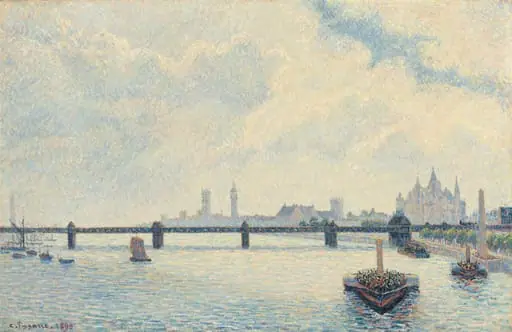 artist-deep-dive
Camille Pissarro: One question, several answers
A close reading of Camille Pissarro: one question, several answers.
· 13 min read -
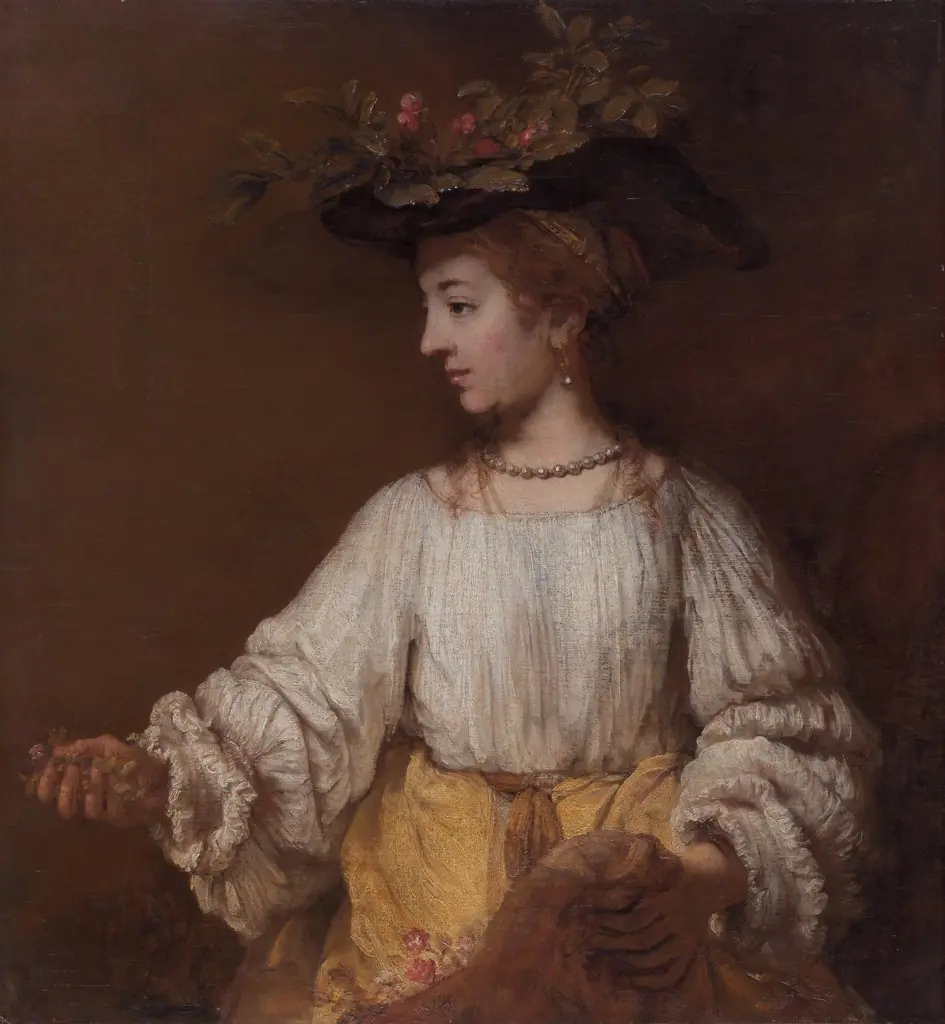 artist-deep-dive
Rembrandt: One question, several answers
A close reading of Rembrandt: one question, several answers.
· 12 min read -
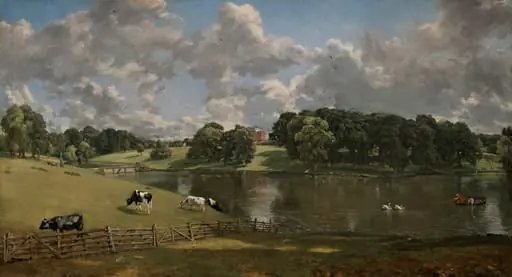 artist-deep-dive
John Constable: How the style was made, material and method
A close reading of John Constable: how the style was made, material and method.
· 13 min read -
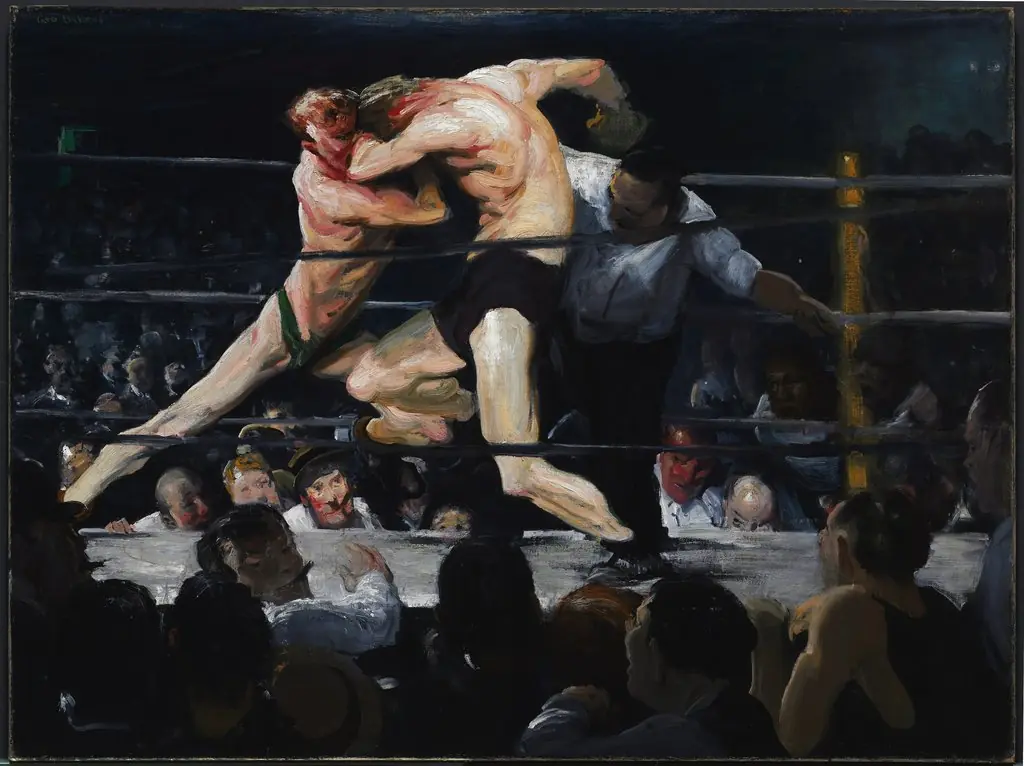 artist-deep-dive
George Bellows: Who painted it and who paid for it
A close reading of George Bellows: who painted it and who paid for it.
· 12 min read -
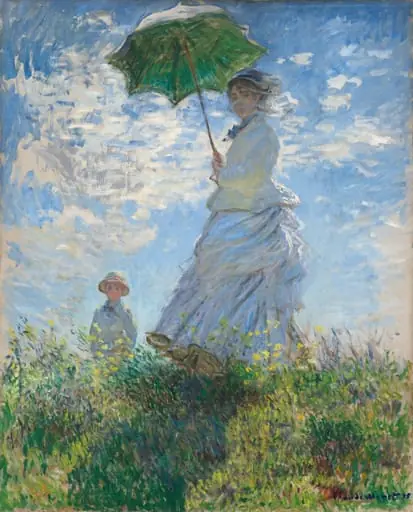 artist-deep-dive
Claude Monet's Paintings, Looked at Closely
A close reading of Claude Monet: close-looking through a single defining work.
· 12 min read -
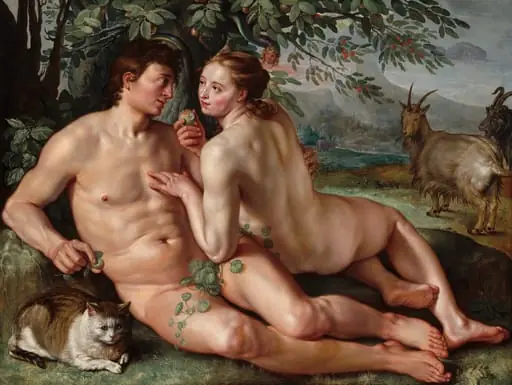 artist-deep-dive
Hendrik Goltzius: Close-looking through a single defining work
A close reading of Hendrik Goltzius: close-looking through a single defining work.
· 12 min read -
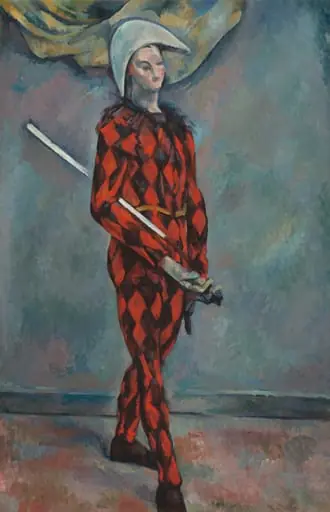 artist-deep-dive
Paul Cezanne: Where it traveled and how it changed in transit
A close reading of Paul Cezanne: where it traveled and how it changed in transit.
· 13 min read -
 artist-deep-dive
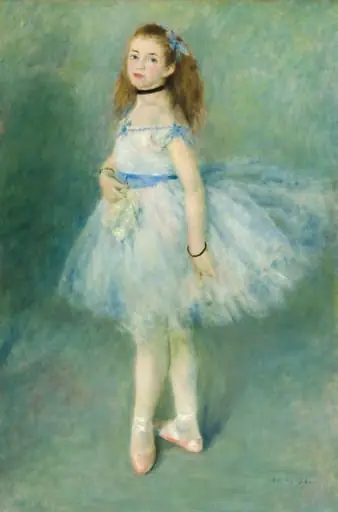
Auguste Renoir: Iconography and what the pictures meant to their first viewers
A close reading of Auguste Renoir: iconography and what the pictures meant to their first viewers.
· 12 min read - artist-deep-dive
Odilon Redon: How the style was made, material and method
A close reading of Odilon Redon: how the style was made, material and method.
· 12 min read -
 artist-deep-dive
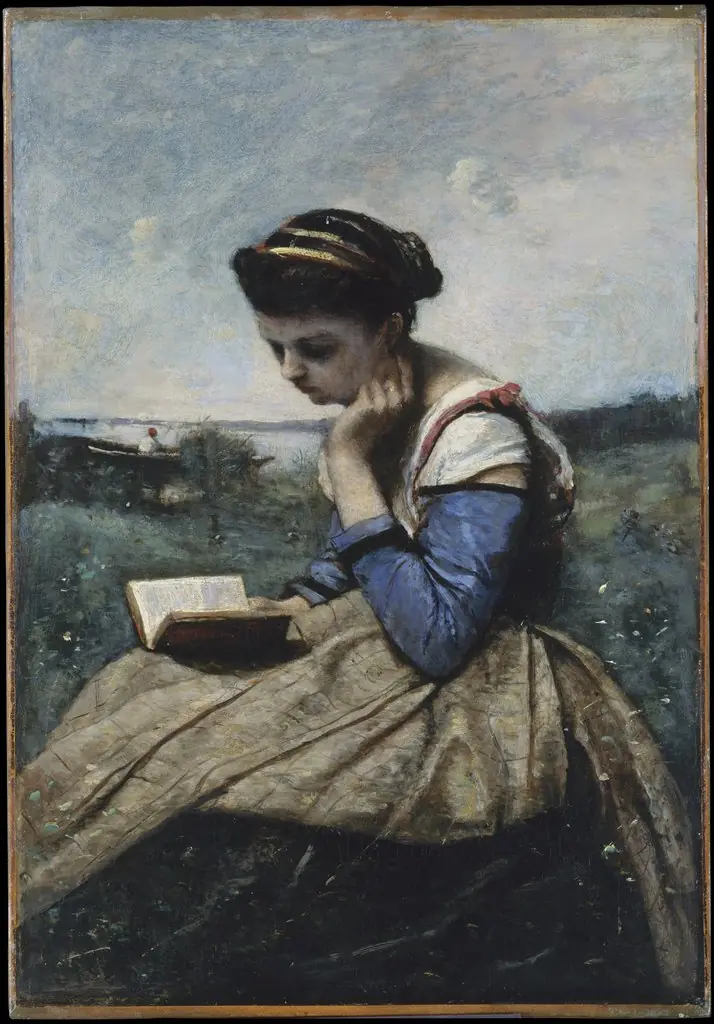
Jean Baptiste Camille Corot: The argument the movement was having with its predecessor
A close reading of Jean Baptiste Camille Corot: the argument the movement was having with its predecessor.
· 13 min read -
 movement-overview
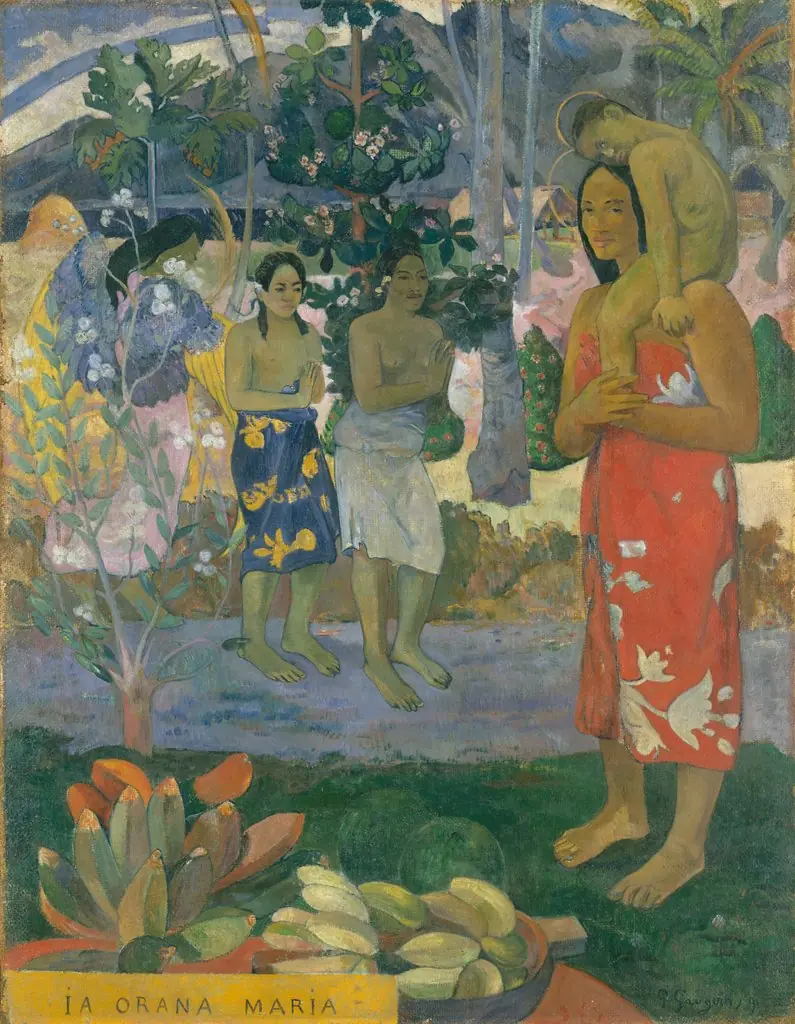
Post-Impressionism: after the light, what next?
Impressionism taught painting to chase the fleeting moment. The generation that followed asked what came after the moment — and turned toward structure, symbol, and raw feeling.
· 3 min read - genre-narrative
The rise of landscape painting: how the background became the subject
For centuries, landscape was the backdrop behind saints and kings. Over a few hundred years it stepped forward to become a subject in its own right — and then a vehicle for everything.
· 3 min read -
 artist-theme
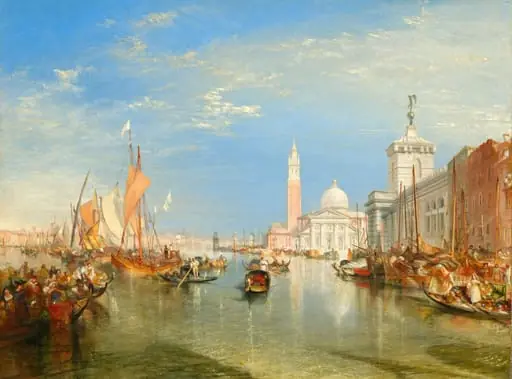
Turner and the sublime: when landscape became weather
J. M. W. Turner pushed landscape painting toward pure light and atmosphere, until the subject of a picture became the weather itself. His late work still looks ahead of its time.
· 3 min read -
 movement-overview
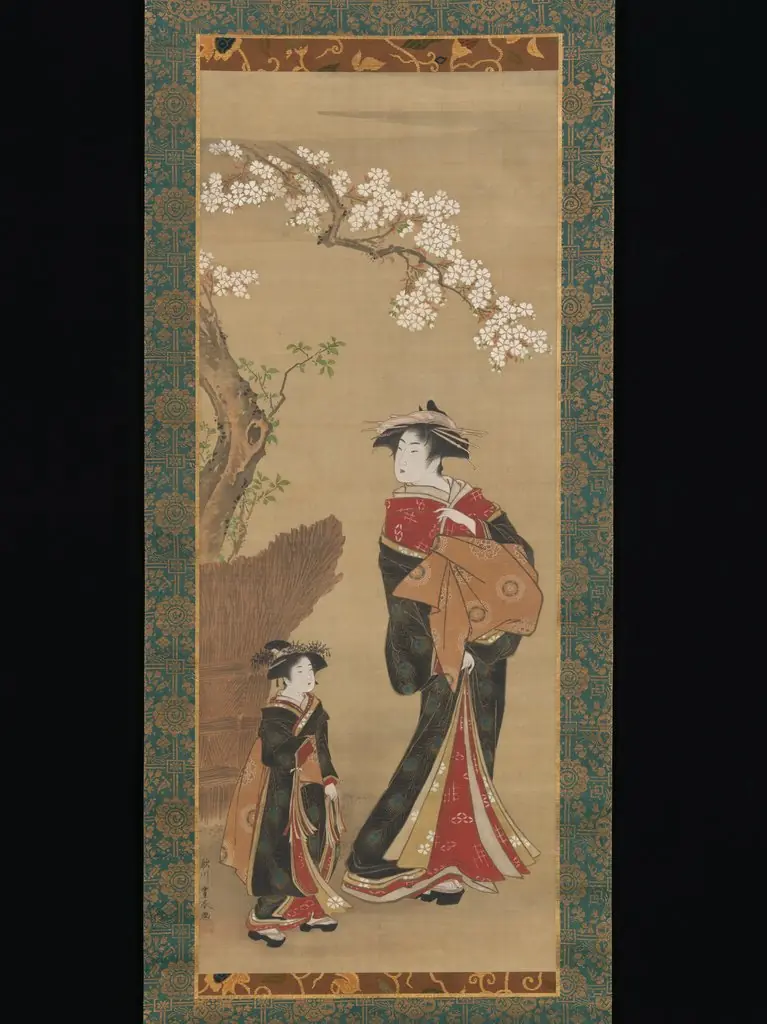
Ukiyo-e: pictures of the floating world
Edo-period Japan built a printmaking tradition around the pleasures of city life — theatre, courtesans, travel, and weather. The ukiyo-e print is design at its most distilled.
· 3 min read - movement-overview
The Dutch still life: abundance, restraint, and the reckoning
In the seventeenth-century Netherlands, painters turned a laid table into a meditation on wealth, time, and mortality. The Dutch still life rewards a slow, close look.
· 3 min read - comparison
Baroque versus Rococo: how drama became delight
The Baroque commanded the eye with shadow and force. The Rococo answered with lightness, pastel, and play. Here is how one century turned awe into pleasure.
· 4 min read - artist-deep-read
Claude Monet: painting light until the light was all that remained
Claude Monet spent sixty years asking the same question — what does light actually do to things — and the answers grew stranger and more precise as he got older.
· 6 min read - movement-overview
The Impressionist eye: how a movement changed what painting could be
Impressionism broke the rules of academic painting and invented a new way of seeing. Here is how it happened, who made it, and what it left behind.
· 5 min read