Herengracht, Amsterdam by Jan Wijnants
View the artwork: Herengracht, Amsterdam →
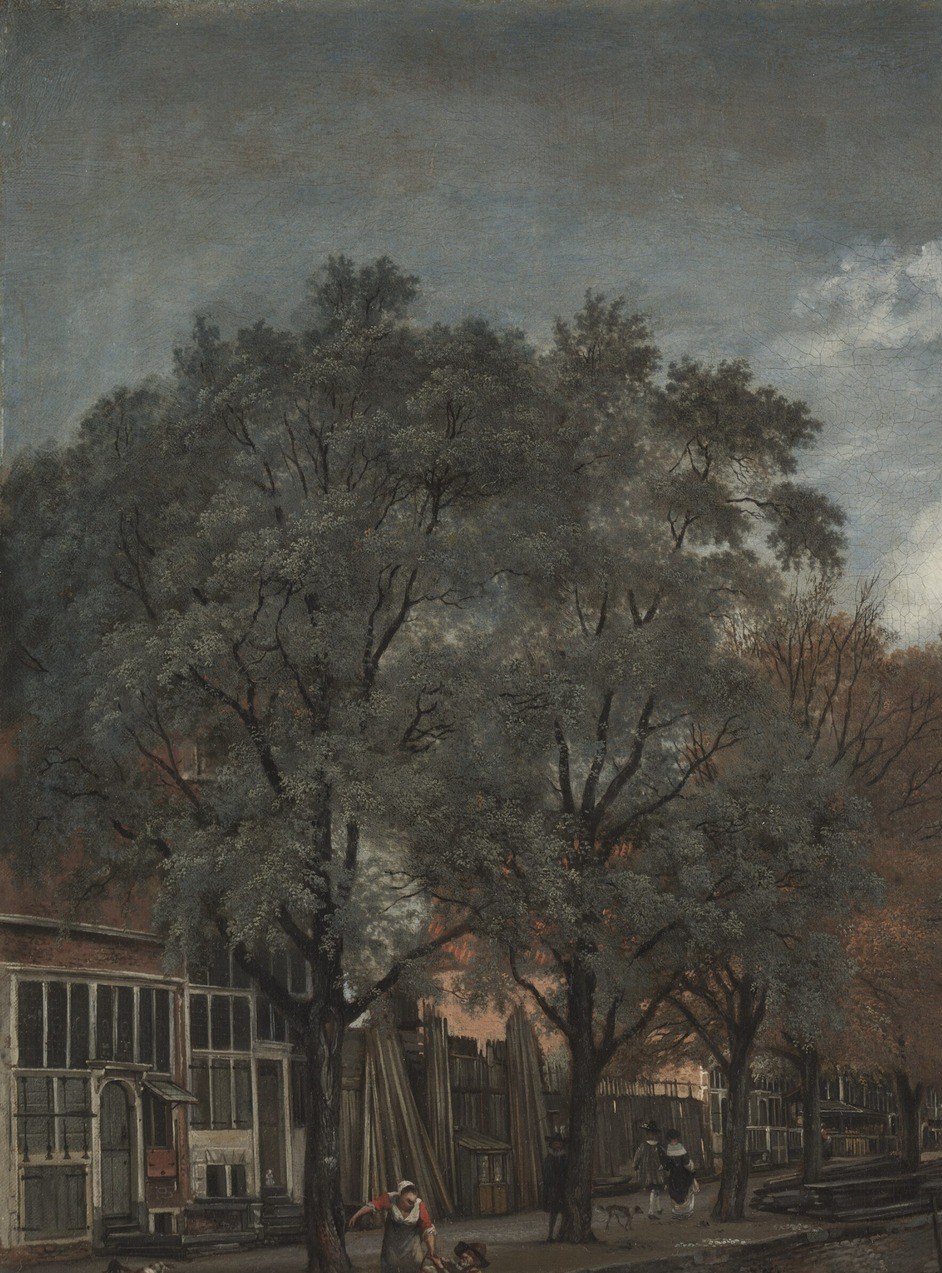
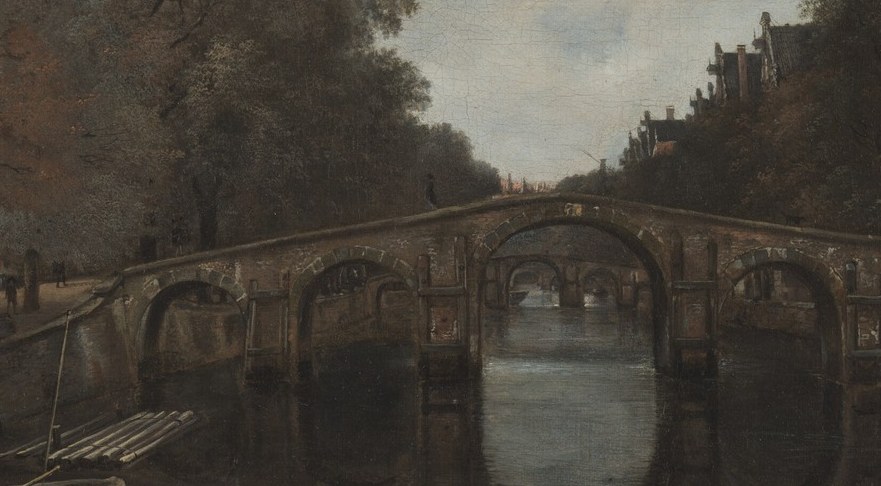
This is Herengracht, Amsterdam, painted by Jan Wijnants in 1661. It is the only known 17th-century painting to show a glass orangery on the Herengracht.
The Herengracht was the most desirable address in the Dutch Golden Age. In the 1660s, a double-wide plot on this canal cost between 14,000 and 18,000 guilders. For context, Rembrandt's Night Watch, the most ambitious painting of the century, earned him 1,600 guilders. A single house lot could buy ten Rembrandts.
Wijnants painted it from the opposite bank, the unfashionable side where the service buildings stood. He stands in the shadow, looking across at the wealth he could never access. From that vantage he spotted something the owners probably never noticed: a glass garden pavilion tucked behind the trees on the left. Glazed orangeries like this were cutting-edge horticultural technology, built to overwinter citrus trees. This painting is one of the only visual records that one existed here.
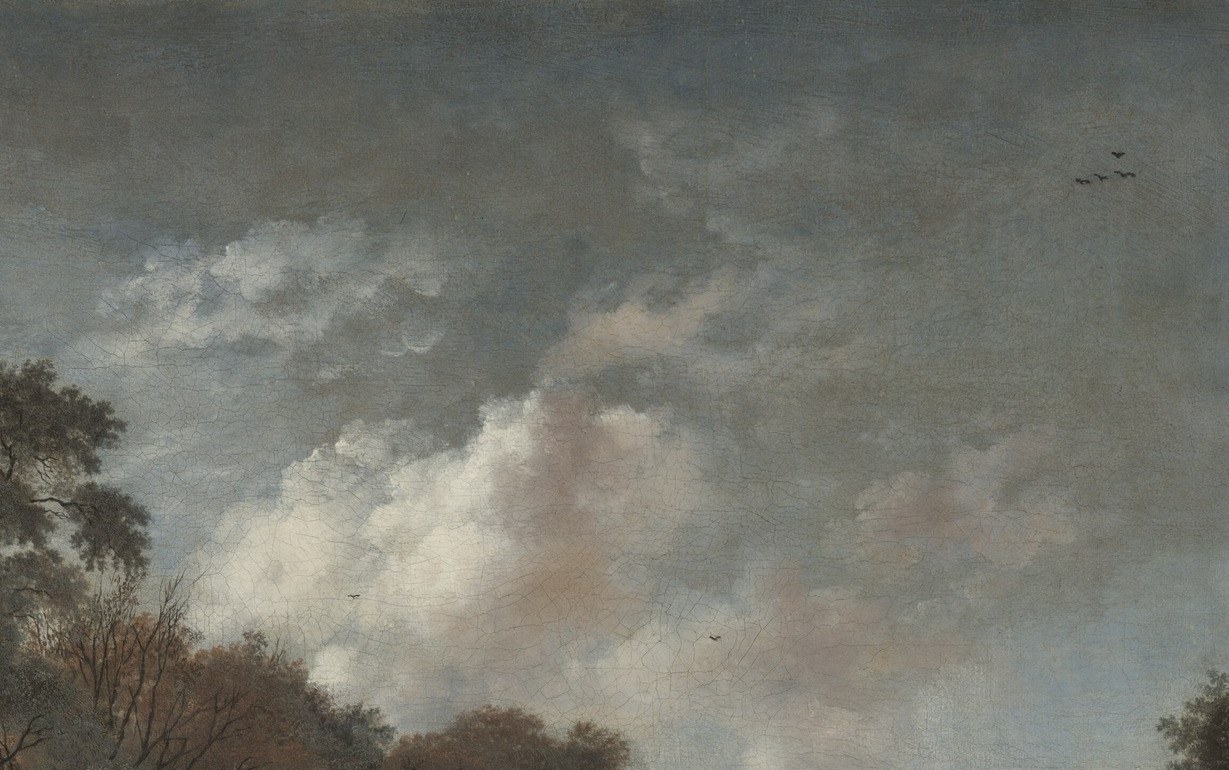
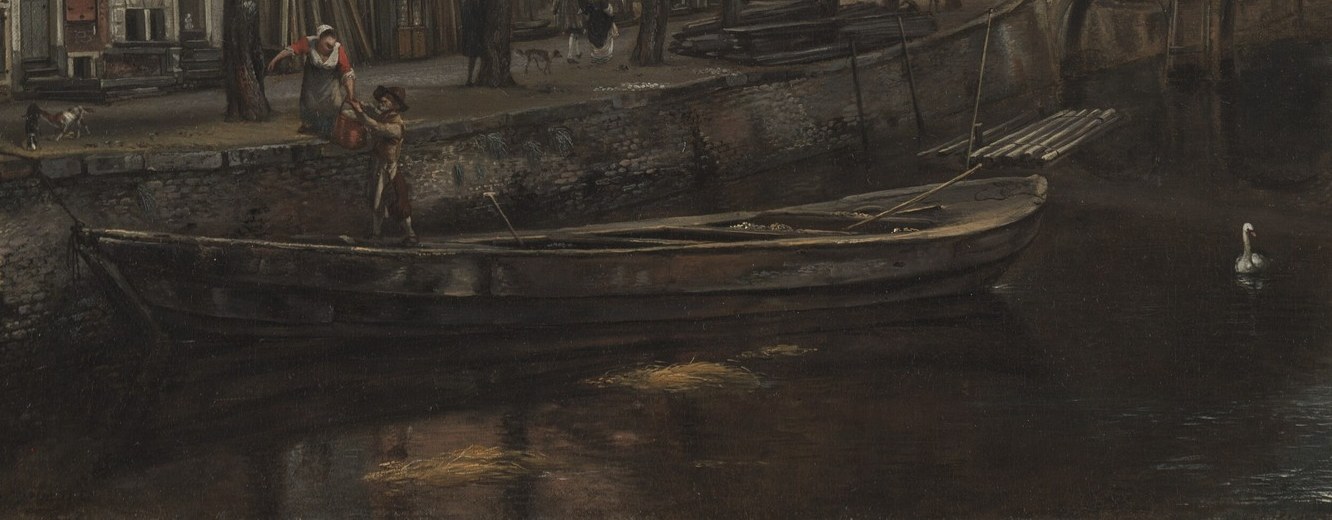
He filled the foreground with the city's heraldic swans and gave the best light, breaking through heavy clouds, to the water and the sky. The houses remain partly veiled by bare winter trees. Wijnants sold the painting for a modest sum. Today it belongs to the public.
#arthistory #dutchgoldenage #amsterdam
Details
Transcript
Amsterdam, 1661. The richest street in the world. The Herengracht. A canal built for merchant princes. A double-wide plot here cost more than a Rembrandt. But Wijnants chose to paint it from the far bank. The wrong side. He stands in the shadow with the service entrances. Up there: a glass garden pavilion. An orangery for winter citrus. A luxury so rare, this is one of the only paintings that shows one. The swans were the city's heraldic birds. He gave them the best light.