Portrait of Agostino Barbarigo by Paolo Veronese
View the artwork: Portrait of Agostino Barbarigo →
Paolo Veronese painted this portrait of Admiral Agostino Barbarigo between 1571 and 1572, a posthumous tribute to the highest-ranking Venetian commander killed at the decisive Battle of Lepanto. The painting now resides in the Cleveland Museum of Art, a somber jewel of the late Italian Renaissance.
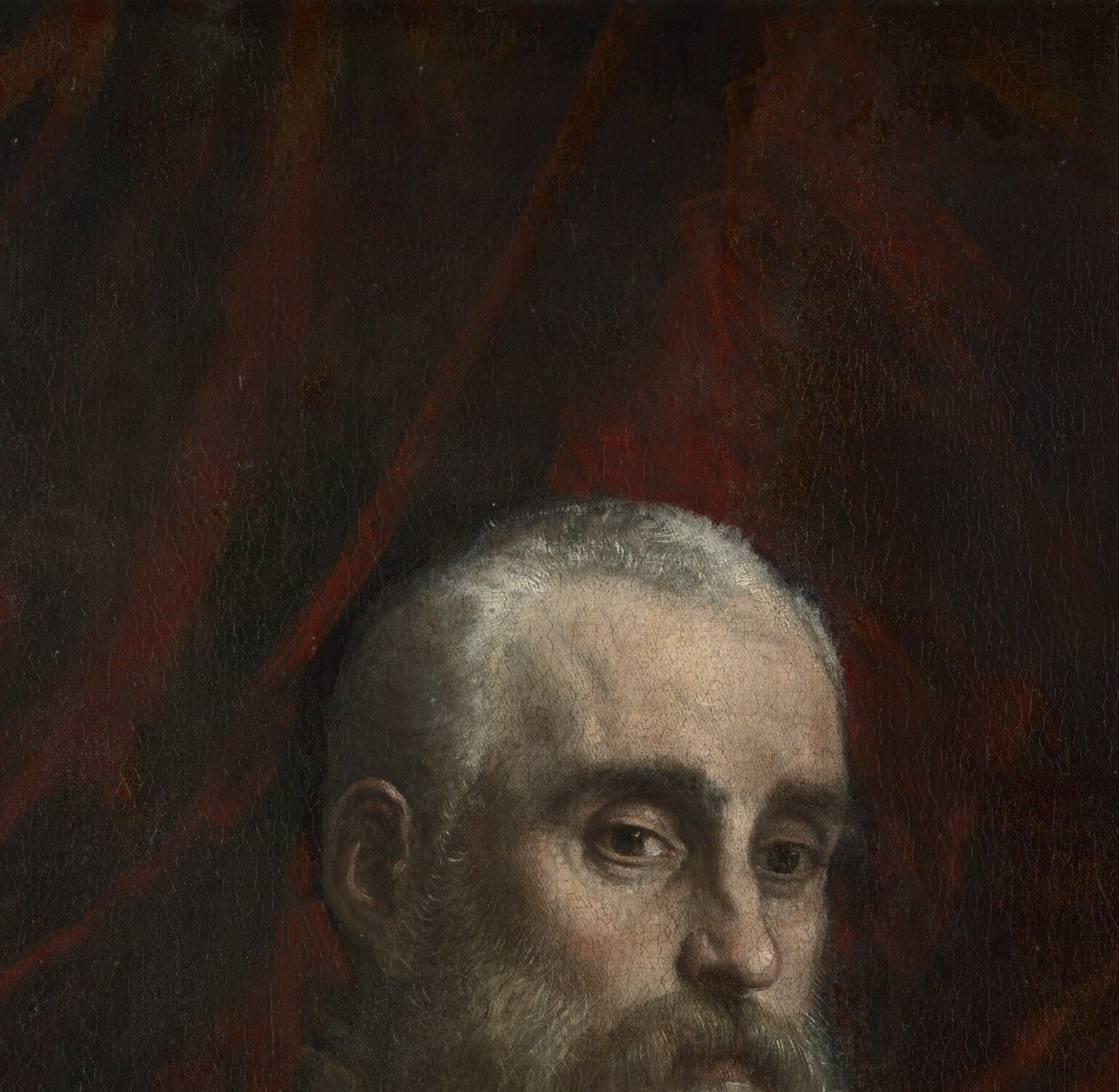
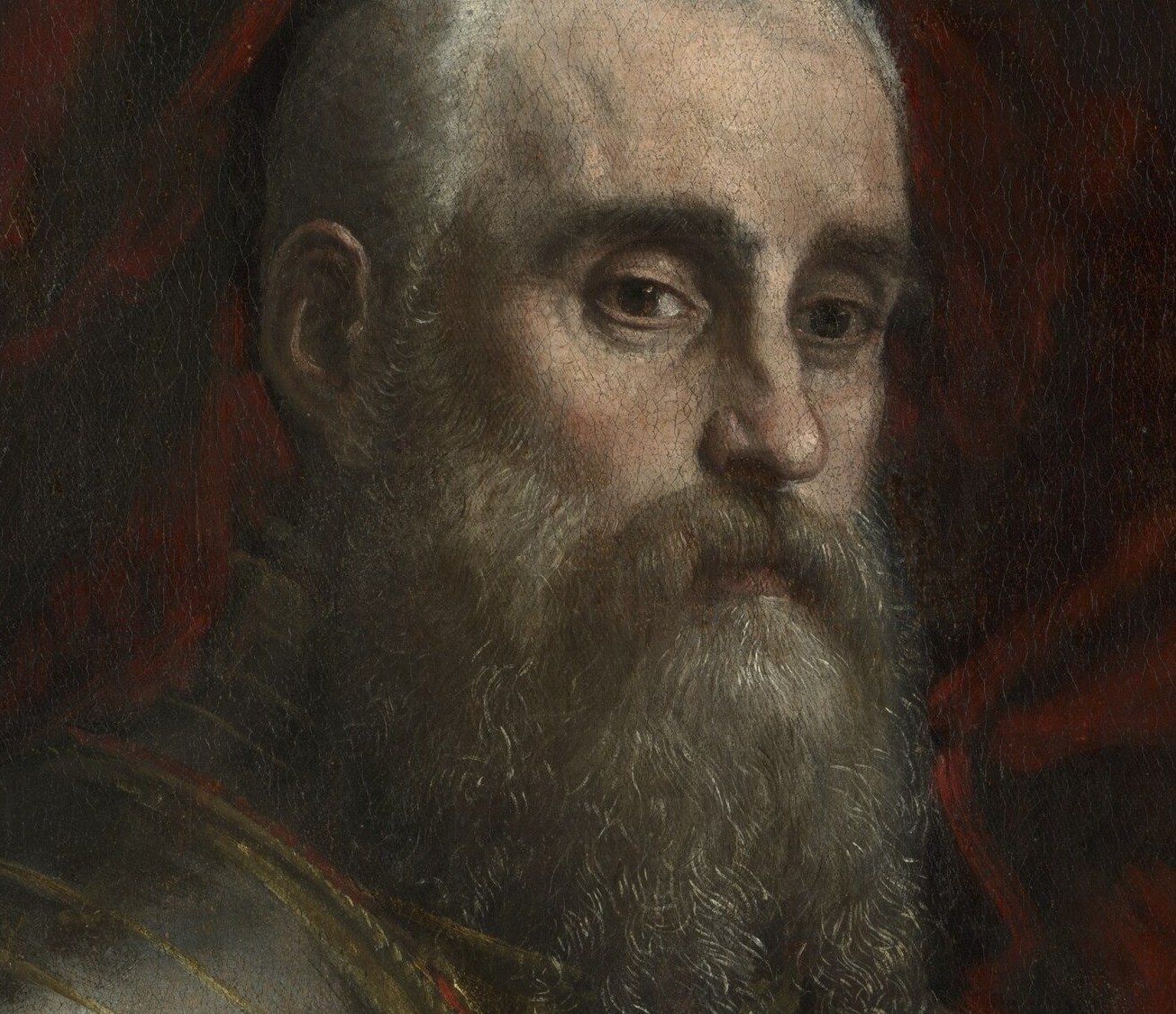
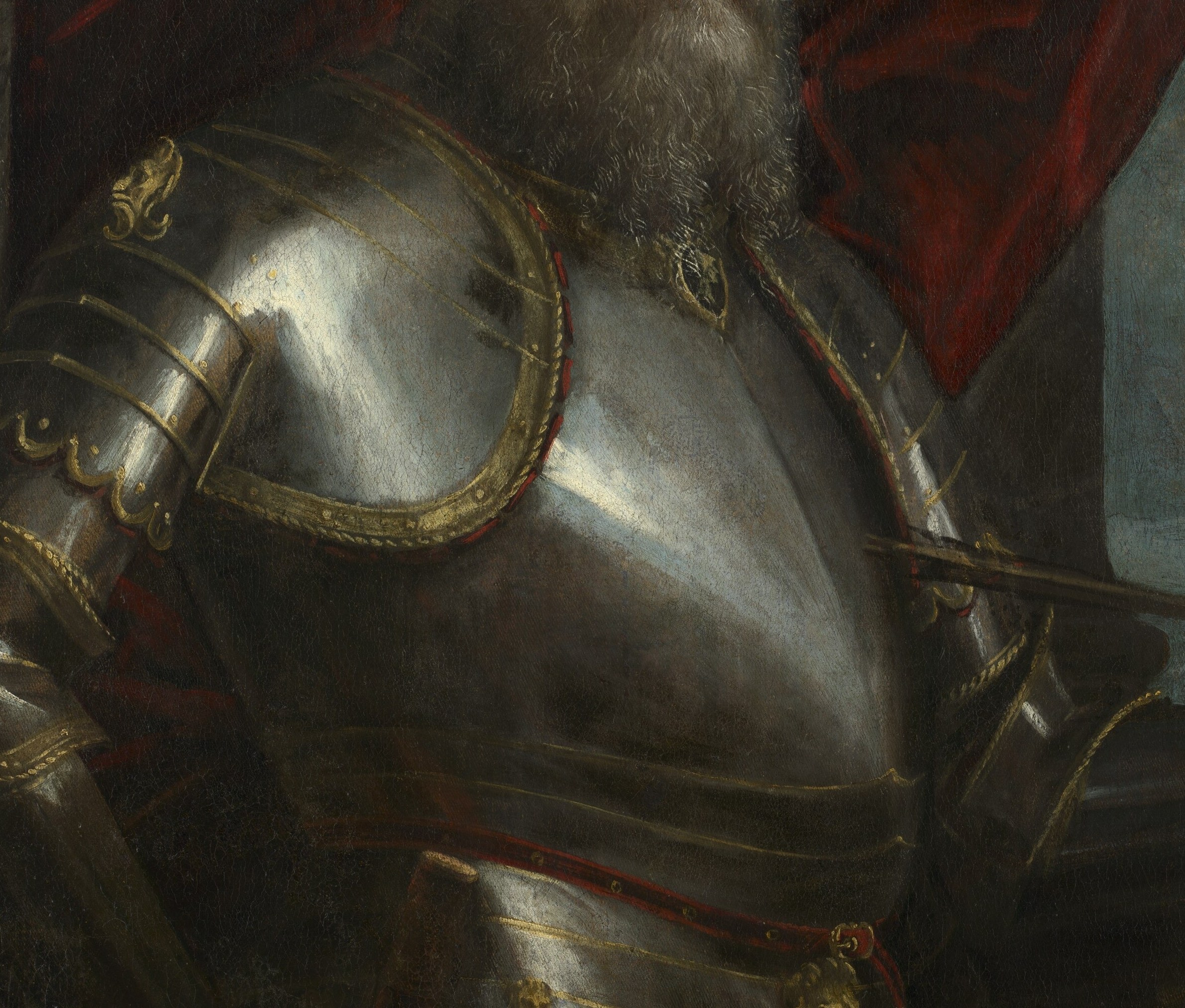
What strikes you first is the deep, inward-looking gaze. Barbarigo does not meet the viewer’s eye. His face, framed by a meticulously painted white beard and dark armor, looks down obliquely, a man confronting his own mortality rather than addressing a living audience.
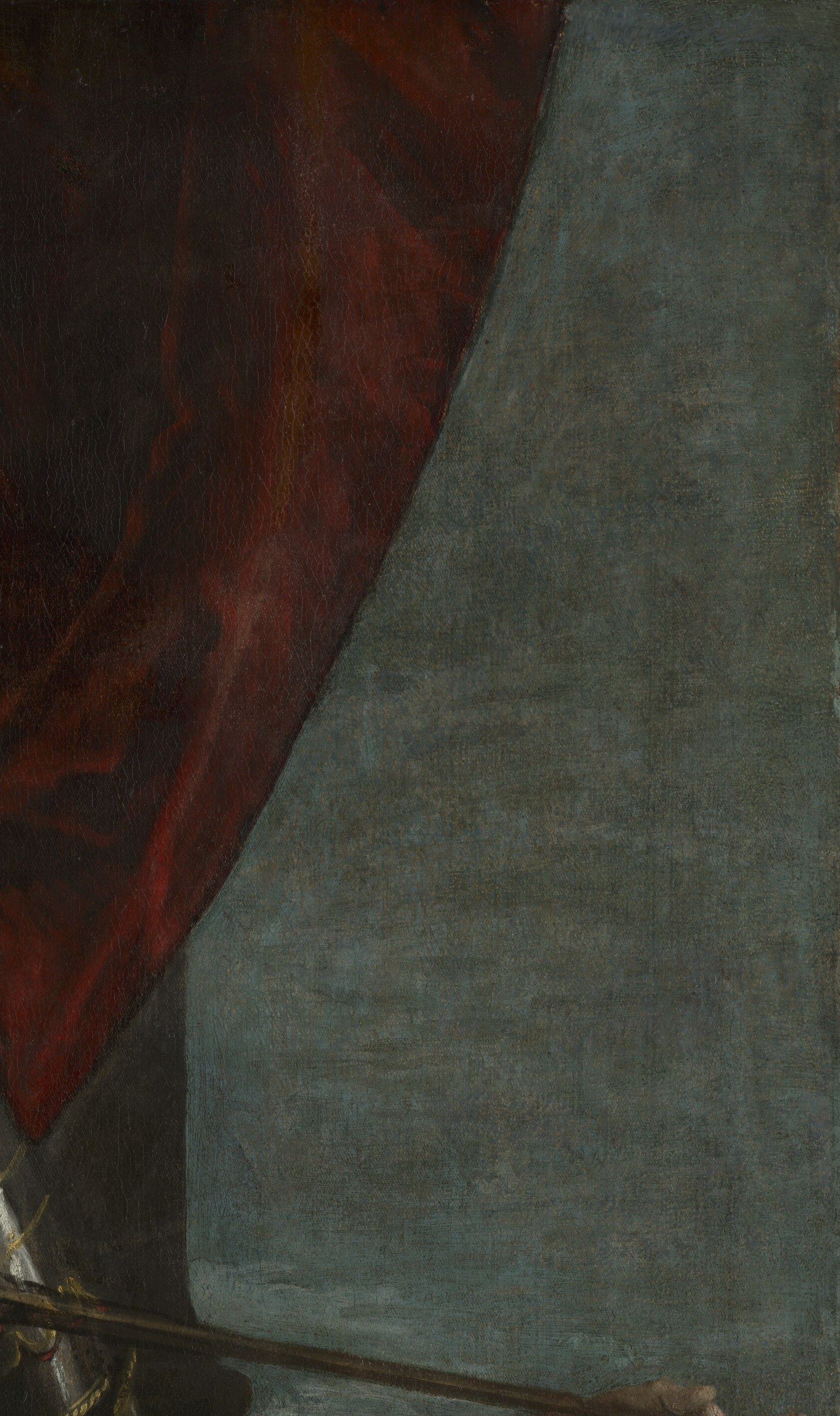
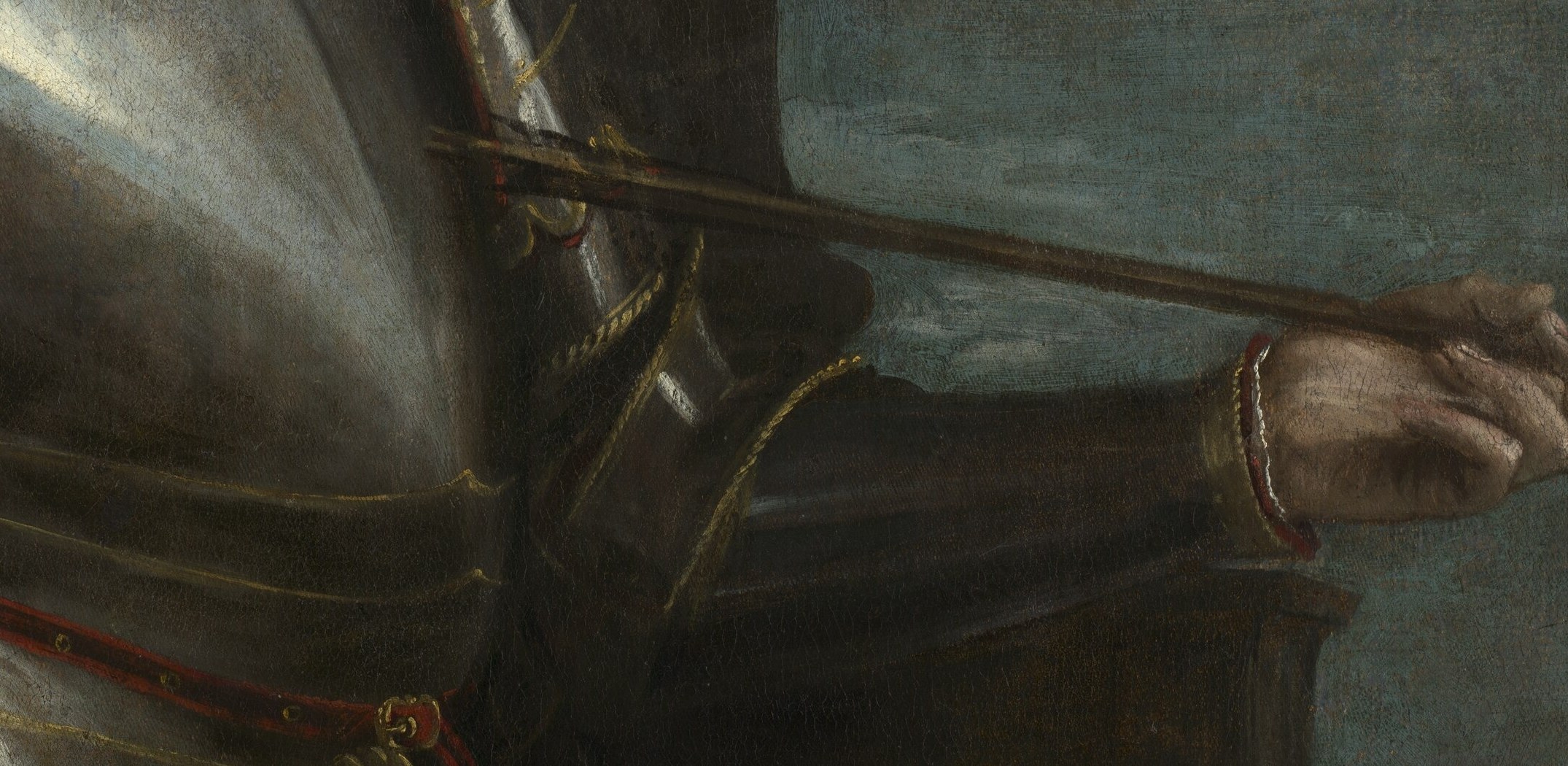
Then you notice his right hand. He holds a dart, a direct reference to the arrow that killed him instantly at sea. It is an almost quietly devastating memento mori. The triumphant crimson drapery behind him, rich and vivid as Veronese could paint, doubles as a symbol of the bloodshed in which his life ended.
We are asked to look at a man holding the badge of his own death. This is not a celebration of victory; it is a meditation on loss. What do you feel his eyes are seeing?
#arthistory #paoloveronese #italianrenaissance
Details
Transcript
He looks away from us, into a place we cannot follow. This is Agostino Barbarigo, admiral of the Venetian fleet. At the Battle of Lepanto, an arrow took his life. Now look at his right hand. He holds the dart. The instrument of his own death. Veronese painted this after the battle. A portrait of a ghost. The red curtain behind him is not decoration. It is blood and sacrifice.