Portrait of a Woman by Bernhard Strigel
View the artwork: Portrait of a Woman →
This is Bernhard Strigel's Portrait of a Woman, painted around 1510 in oil. Strigel was the favored portraitist of Emperor Maximilian I, but his finest works are often these quiet depictions of south-German patrician life. The painting now lives at the Metropolitan Museum of Art.
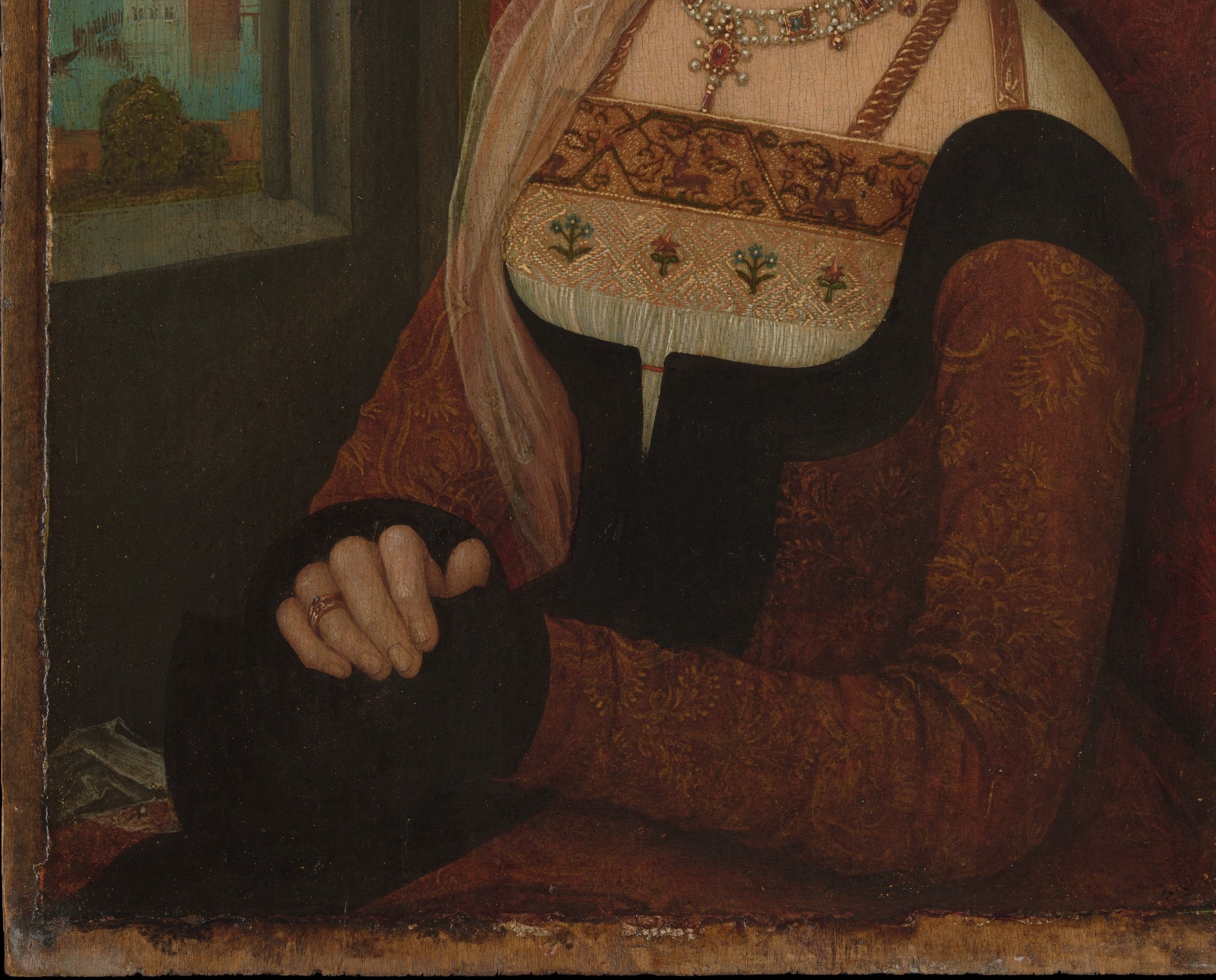
Look first at the small ring held between her fingers. She does not wear it; she presents it outward, a gesture loaded with meaning that has been lost to time. Art historians read it as a possible betrothal token, a memorial ring, or an attribute meant to identify her. Then let your eye travel to the tiny boats in the window, which ground her in a real, specific city.
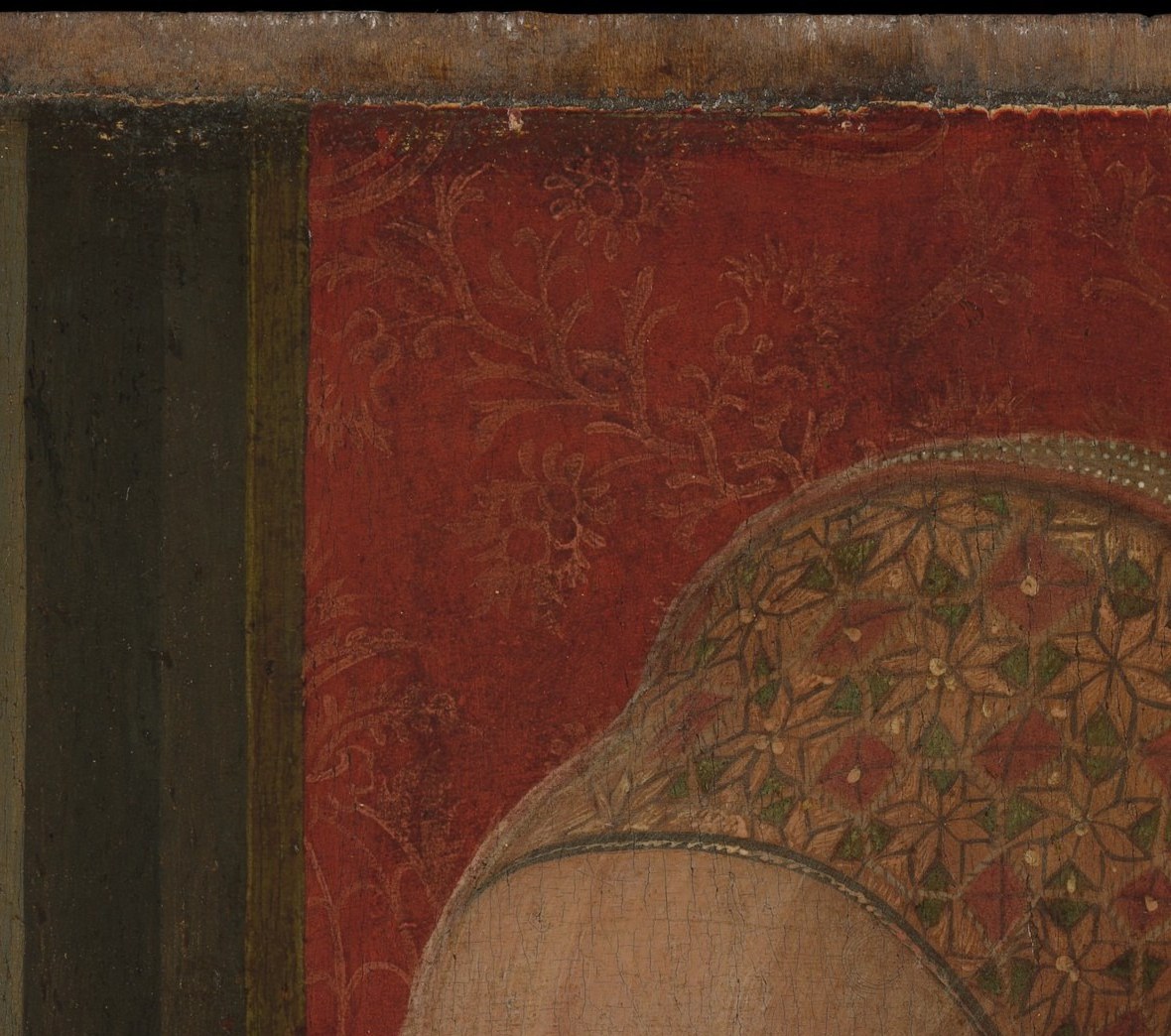
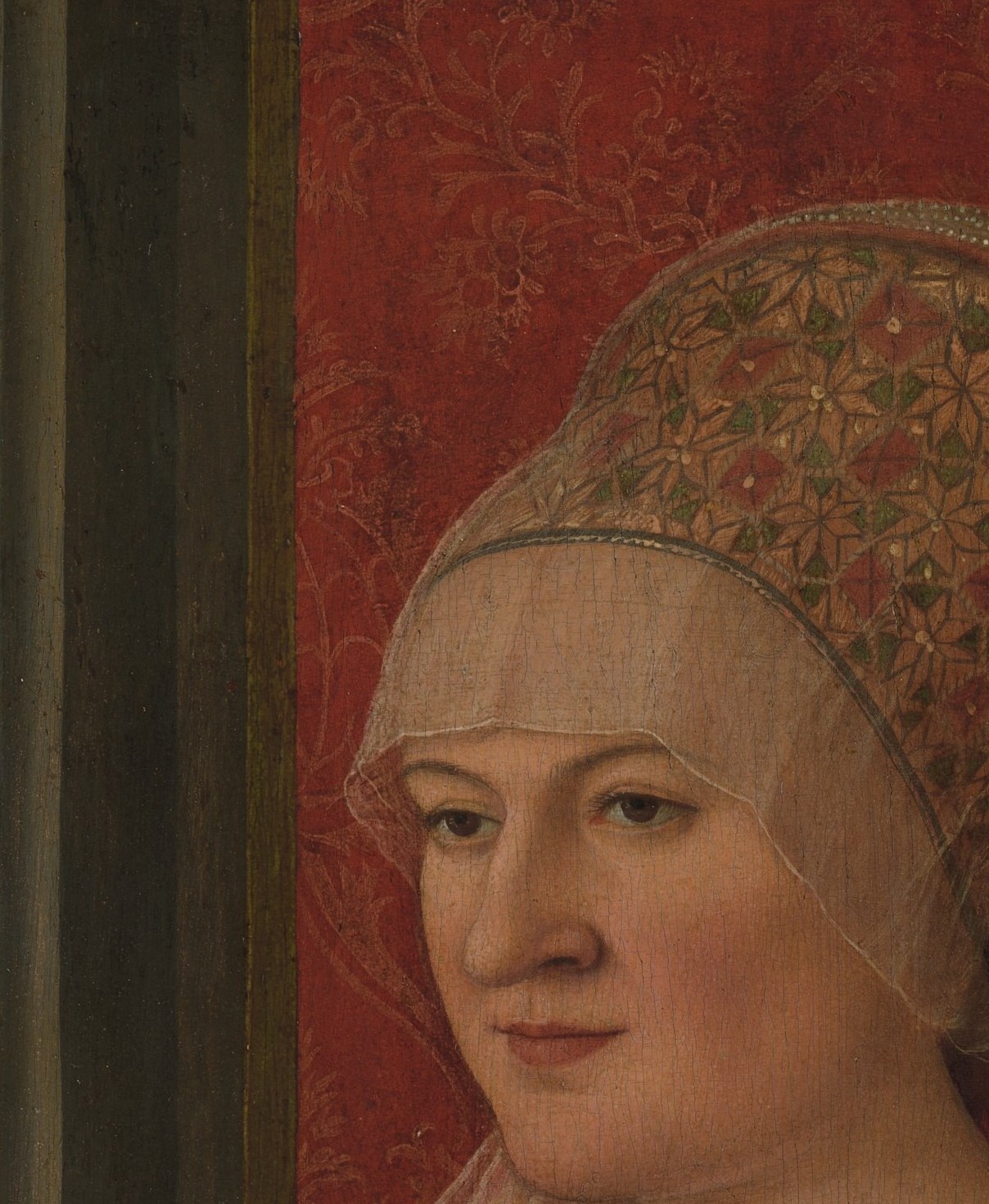
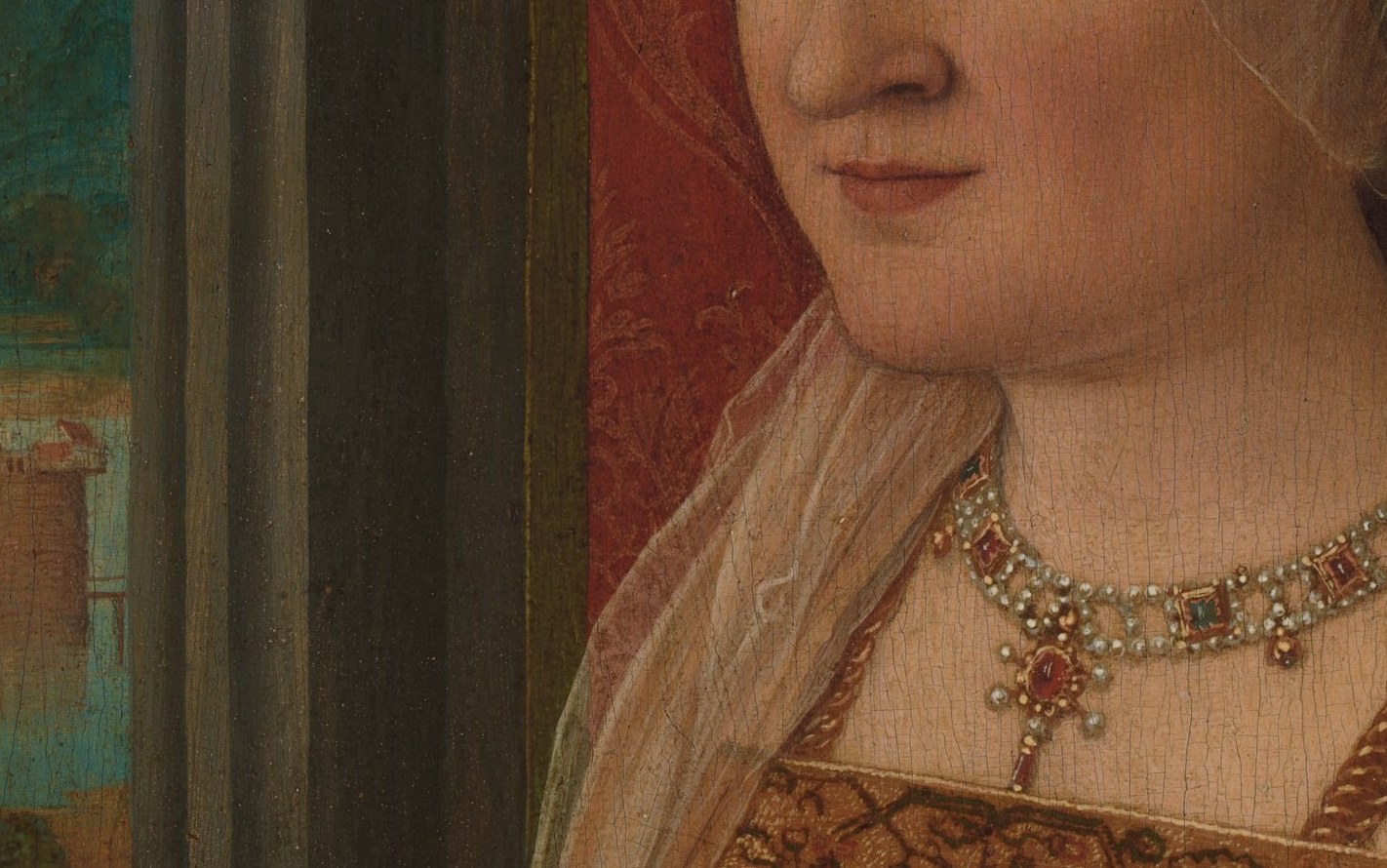
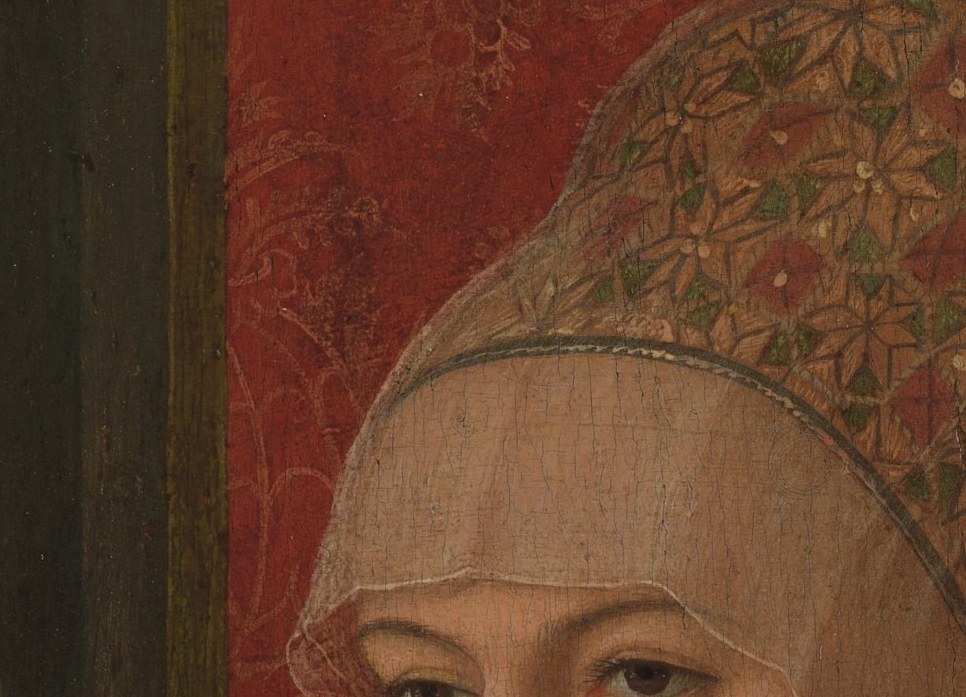
The towering gold headdress, a Goldhaube, places her precisely in the wealthy merchant class of early 16th-century Swabia. The dense embroidery on her sleeve and the bead-by-bead rendering of her necklace are technical tours de force, painted with a smooth, luminous hand. The stone column framing her is a Flemish borrowing, a sign of her worldliness.
She stood for this portrait in a world that was about to crack open: Luther's Ninety-five Theses were only seven years away. Strigel himself would live through the Reformation's start and die in 1528. His sitter's composed face, her careful presentation of that ring, her view of a peaceful cityscape, it is a document of a moment just before.
#arthistory #BernhardStrigel #GermanRenaissance
Details
Transcript
She faces us from a world about to change forever. Her eyes are cast down, as German portrait convention asked. That towering gold net marks her as south-German elite, around 1510. The embroidery on her sleeve is a painting of a textile made with a brush. Then look what she holds between her fingers. She does not wear the ring. She presents it. A betrothal or a memorial, the meaning is now lost. But the painter wanted you to see it. In the window: boats on a river, a real city we can still identify.