Portrait of an imperial censor and his wife by http://www.wikidata.org/.well-known/genid/714309b1a6fa8c2038cfecbc50f10fe1
View the artwork: Portrait of an imperial censor and his wife →
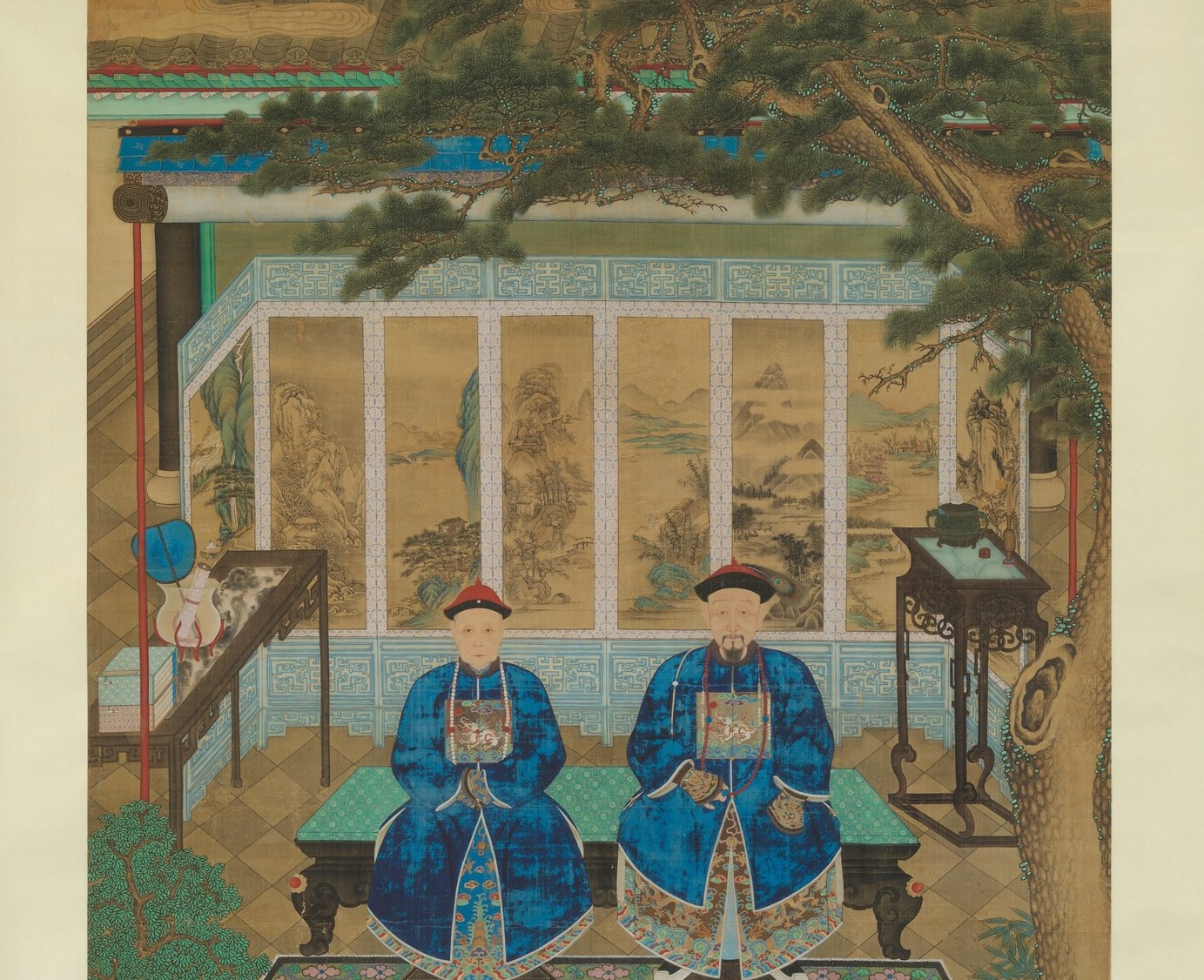
This is a portrait of an imperial censor and his wife, painted in China around 1833. It is not a casual likeness. It is a legal document in silk and pigment.
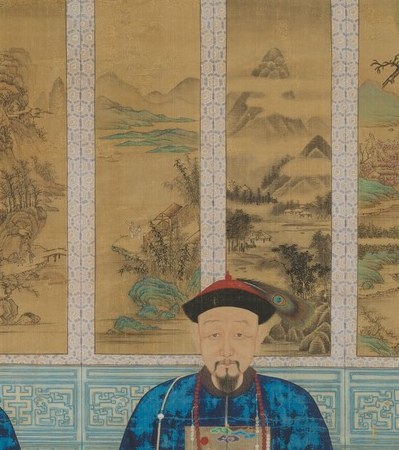
Every element you see was regulated by the Qing dynasty's sumptuary laws. The square badge on his chest is a mandarin square. The bird embroidered on it identifies his exact rank: imperial censor. His wife wears an identical badge, her status a legal reflection of his. Even the bead on his hat, called a finial, was coded by material to a specific civil grade.
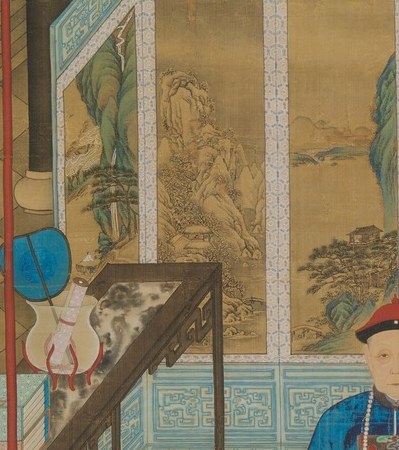
Behind them, a painted screen opens into a landscape of mountains, water, and pines. These are not just scenery. They are Confucian and Daoist symbols of virtue, resilience, and the cultivated mind. A tiny pavilion tucked into the upper panel hints at the scholarly retreat the official aspired to.
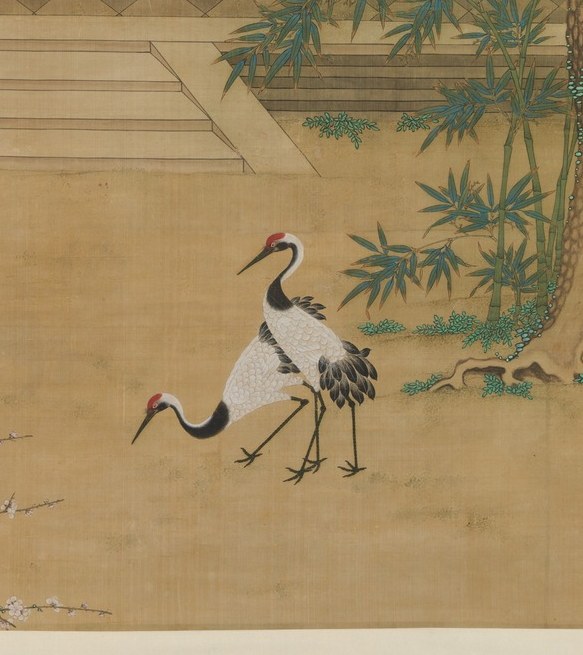
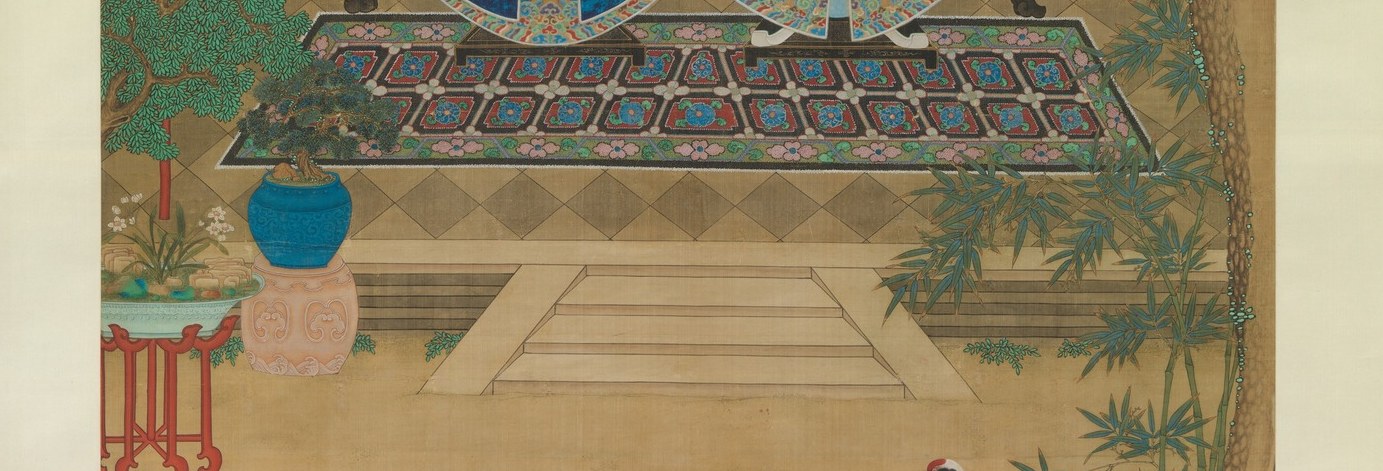
In the foreground, a white crane stands as the painting's emotional punctuation. In Chinese tradition, the crane meant longevity and high civil virtue. The couple commissioned a portrait that would announce, down to its last embroidered feather, exactly who they were and what they wished for.
#arthistory #chineseart #qingdynasty
Details
Transcript
Every detail of this portrait obeyed a law book. The bird on his chest is not decoration. It is a rank badge. This one means imperial censor. His wife wears the same bird. Her status came through him. Even the bead on his hat was coded to his grade. The screen behind them is a world of symbols. Mountains and pines for virtue, and a hidden pavilion for the mind. The crane at their feet seals the wish: long life in high office.