River with a Distant Tower by Jean Baptiste Camille Corot
View the artwork: River with a Distant Tower →
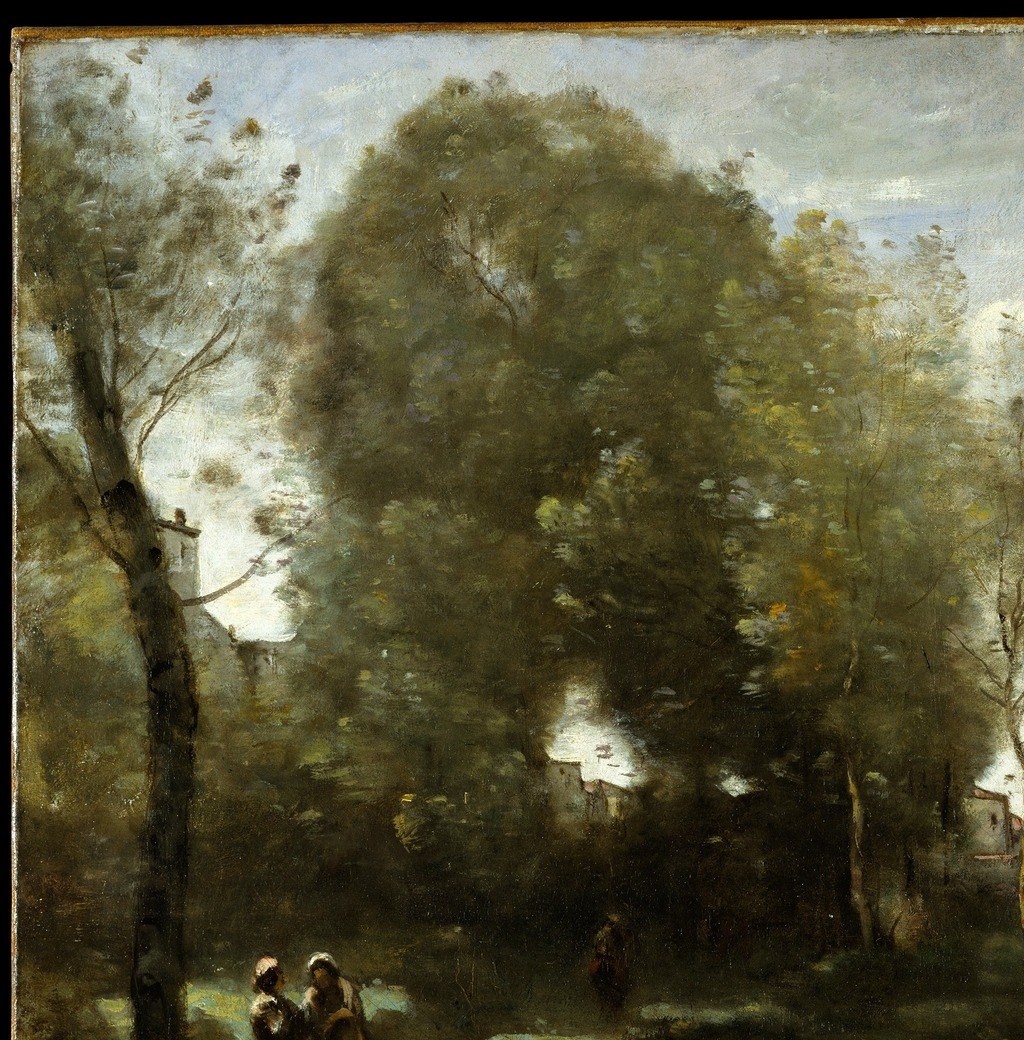
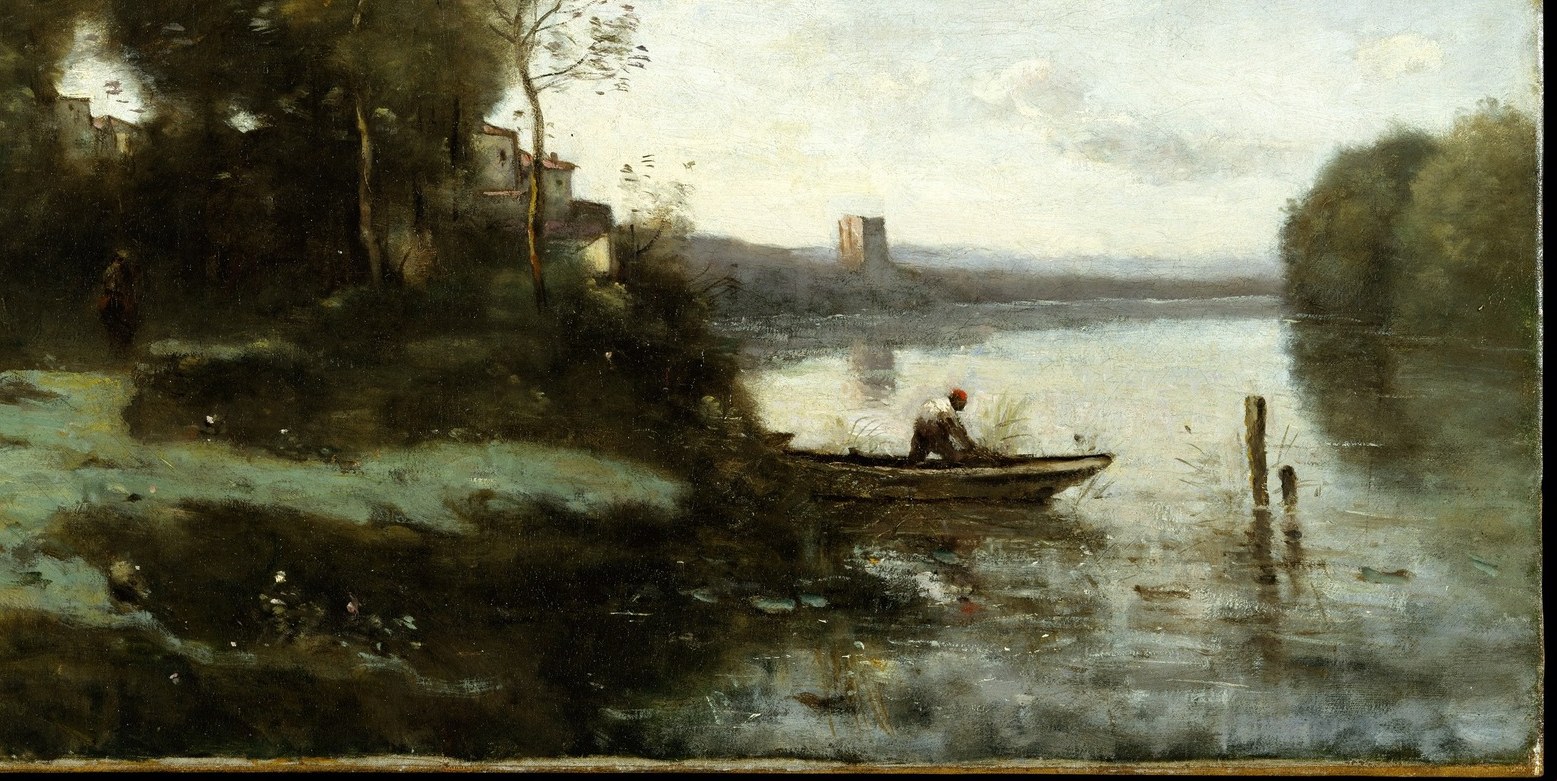
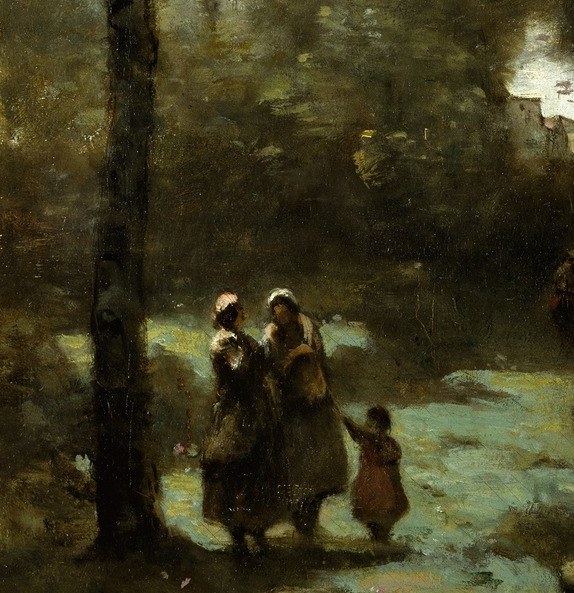
This is Jean-Baptiste-Camille Corot's River with a Distant Tower, painted in 1865 and now held at the Metropolitan Museum of Art. It looks like a study in perfect calm: a hazy sky, still water, a small boat, and a tower barely visible in the distance. But in the 1860s, Corot was at the center of a hushed scandal that reached into the highest circles of French painting.
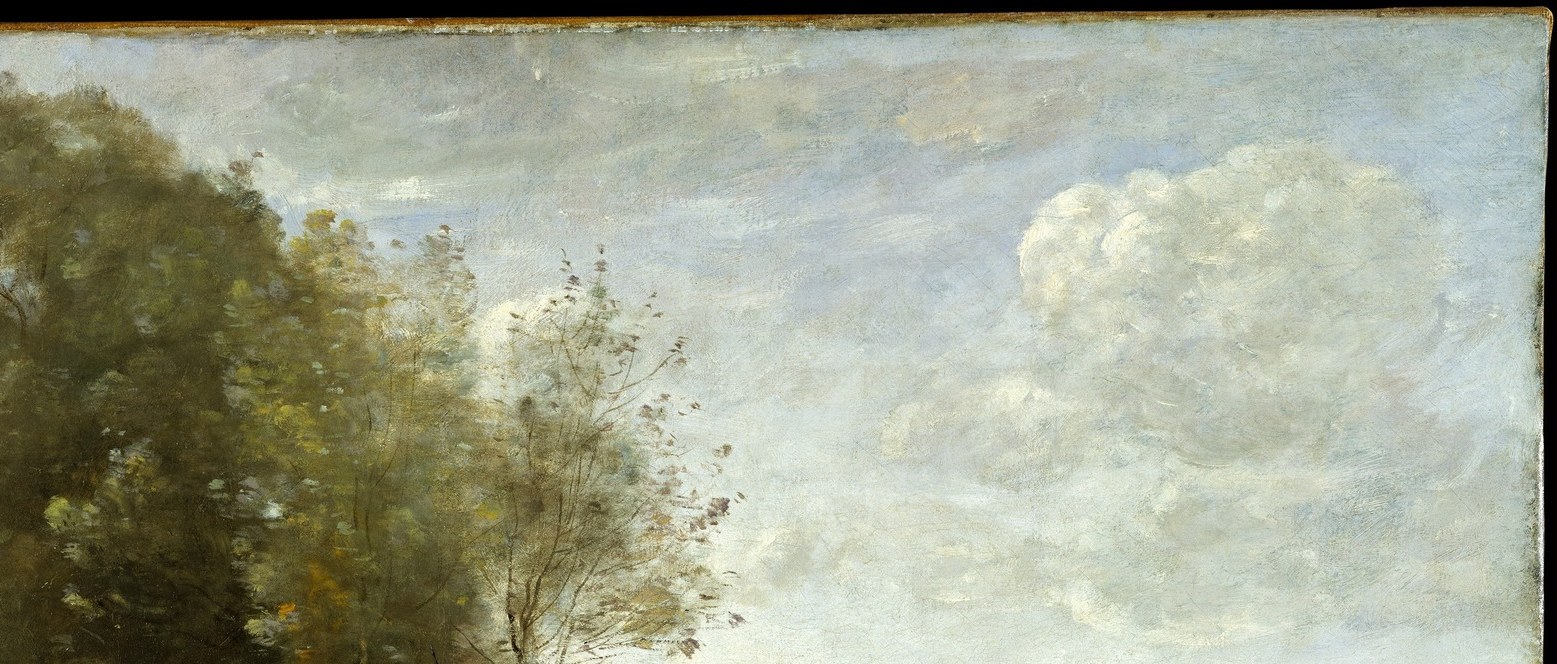
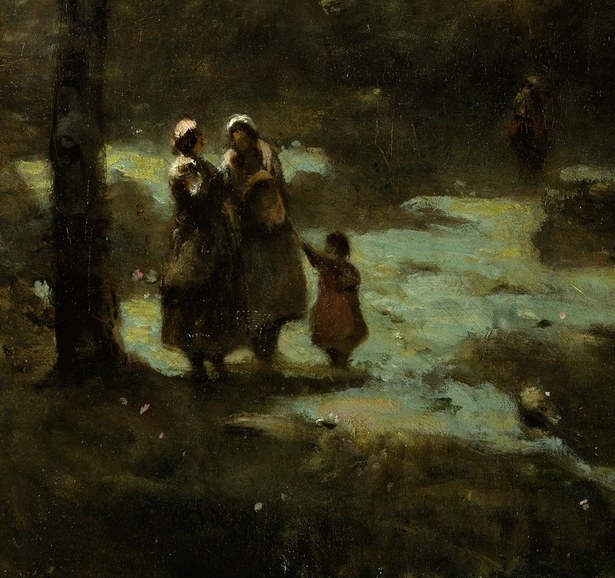
The painting shows the hallmarks of what made Corot a bridge between Neoclassical tradition and Impressionism. His soft, feathered brushwork blurs the edge between the tree canopy and the sky, and his water reads as a tonal mirror of the light above rather than a literal reflection. The distant tower, so easy to miss, is the only vertical that anchors the far shore, and it gives the painting its title.
Corot was in his late sixties when he taught Berthe Morisot, a young woman from a wealthy family who would become one of the most important Impressionist painters. Their closeness caused real social trouble. Morisot's mother warned her to stop seeing him so often, and when Morisot married Édouard Manet (Corot's rival), the friendship fractured. The whispers faded, but Morisot's work forever carried his influence: loose brushwork, an attention to light, a feeling for air.
Next time you see a Morisot, look for Corot's ghost in the way she paints a sky.
#arthistory #corot #impressionism
Details
Transcript
A misty river. A distant tower. Perfect calm. But this painting held a secret that enraged Paris. Corot was 69, a revered master of French landscape. He had a devoted student. A woman named Berthe Morisot. Morisot called him her most important teacher. She visited him constantly. Corot gave her paintings. Critics whispered. Her mother grew alarmed. Then she married Corot's rival, Édouard Manet. The scandal ended their friendship, but not what he taught her.