The Adoration of the Shepherds by Christian Wilhelm Ernst Dietrich

Christian Wilhelm Ernst Dietrich's "The Adoration of the Shepherds" was painted in the 1760s, but it feels a century older. The German artist, nicknamed 'Dietricy,' built his reputation on flawless imitations of Dutch and Italian masters. This intimate oil, now at the Metropolitan Museum of Art, was part of the museum's founding purchase of 174 paintings in 1871, a testament to how highly his Rembrandtesque skill was once valued.

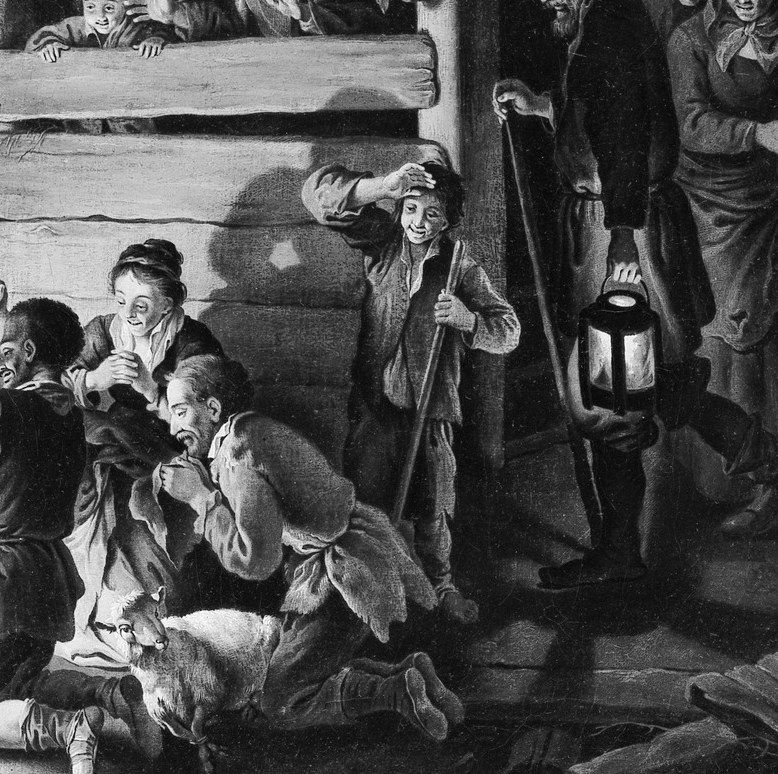
Look at the light. The entire stable is illuminated not by the lantern glowing dimly on the floor, but by the infant himself. Dietrich organizes the scene around this supernatural radiance. Notice the hands of the kneeling shepherd in the foreground, suspended between reverence and longing, and the tender face of the Madonna, illuminated upward from the child.

The painting's story is one of survival. It came from the collection of a French ambassador to Italy, passed through dealers in Brussels and Paris, and was bought during the Franco-Prussian War by William T. Blodgett. He sold it to the newly founded Met, where it remains, one of the roughly one-third of that original acquisition still held by the museum.

Dietrich was a master of voices not his own. But here, the voice serves a deeply human subject: not the arrival of royalty, but the awe of ordinary working people kneeling in the straw.

#arthistory #christianwilhelmernstdietrich #metmuseum

Details
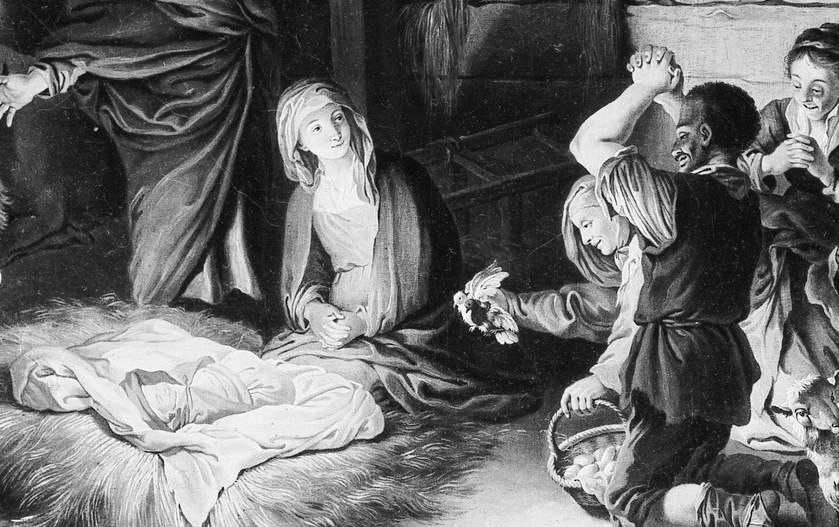
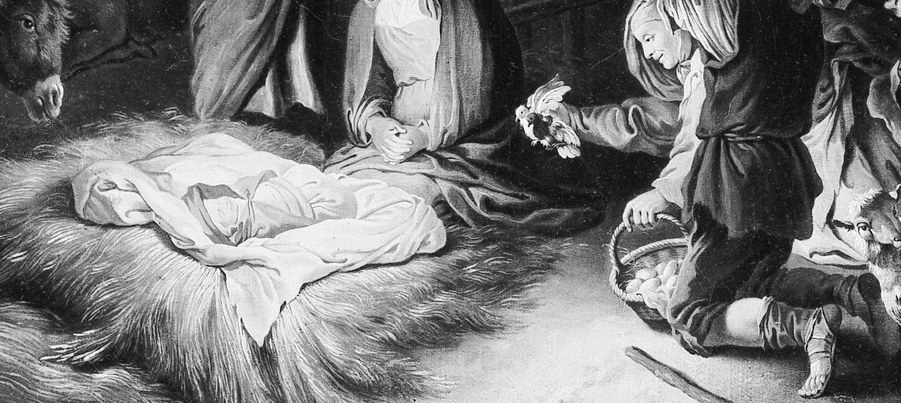
The supernatural light source of the entire composition , the glowing swaddled child is the Rembrandtesque coup that organizes every other figure's illumination and the painting's theology in a single gesture.
The most prominently lit shepherd, whose deep genuflection reads as both physical humility and spiritual awe; the rough working-man's clothing against the reverential posture captures the scene's social charge.
The Madonna's tender downward gaze catches upward light from the infant, creating a reciprocal loop of adoration; Dietrich models the face with unusual softness against the surrounding darkness.
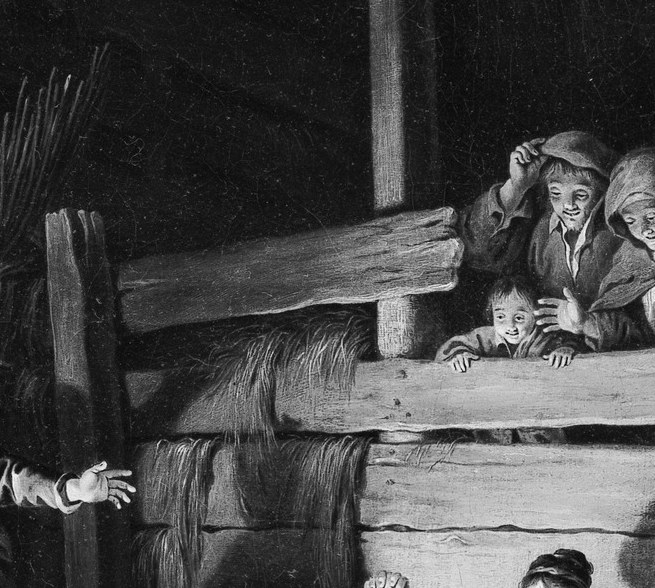
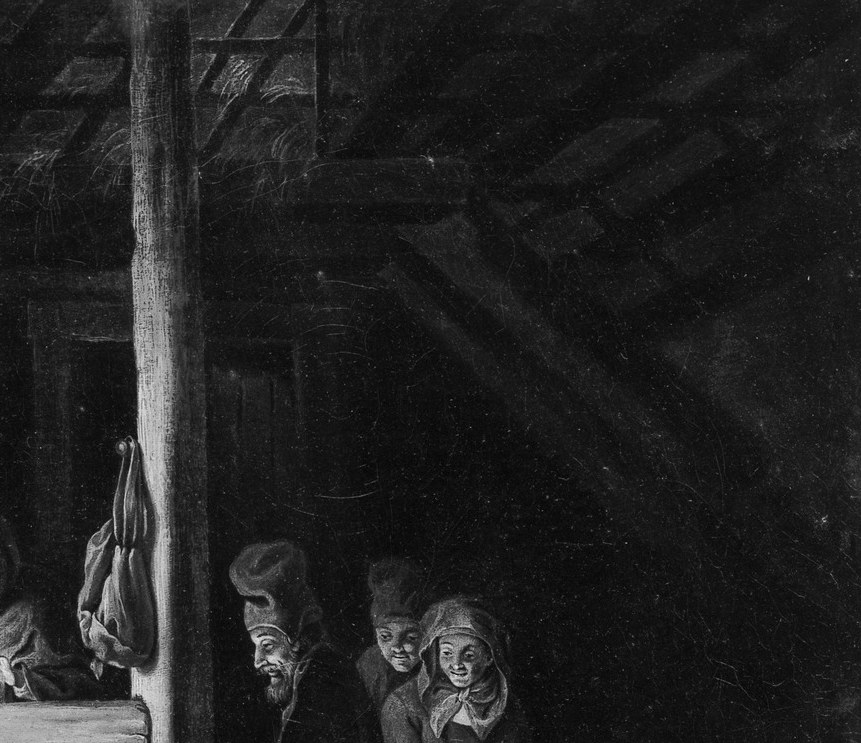
Late arrivals half-lit from the darkness give the scene narrative depth; their cascade of astonished faces mirrors the viewer's own discovery of the central light.
The straw catches light in a vivid texture passage , impasto-like handling that emphasizes the humility of the birthplace and gives Dietrich a chance at painterly bravura within an otherwise subdued palette.
Transcript

He was called the Raphael of Landscape. Look where the light lands. Not on kings. On working hands and rough wool. The painter built his career imitating the Dutch masters. This tender face is an act of disciplined forgery. One lantern burns on the floor. But the infant makes human light useless. This painting survived empires and wars to hang on a new museum's wall.