Mount Corcoran by Bierstadt, Albert
View the artwork: Mount Corcoran →
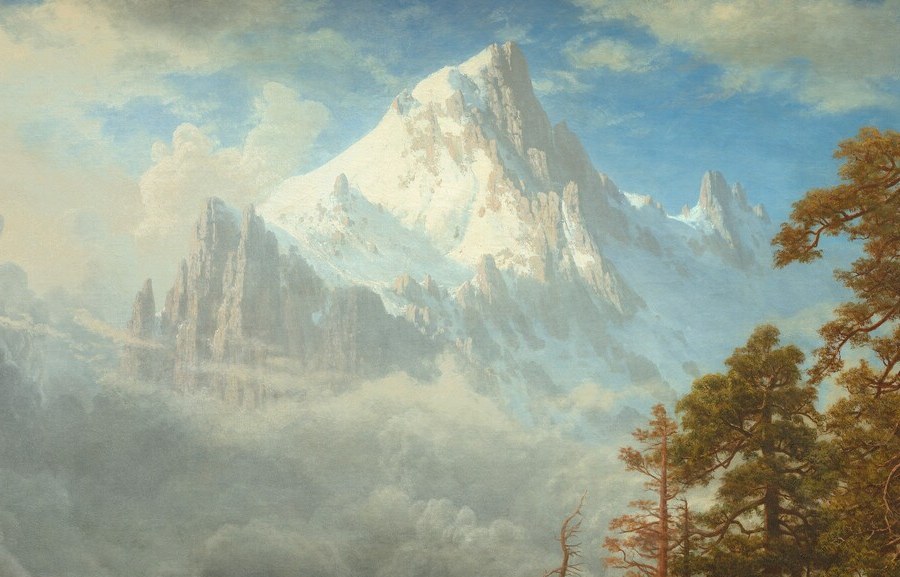
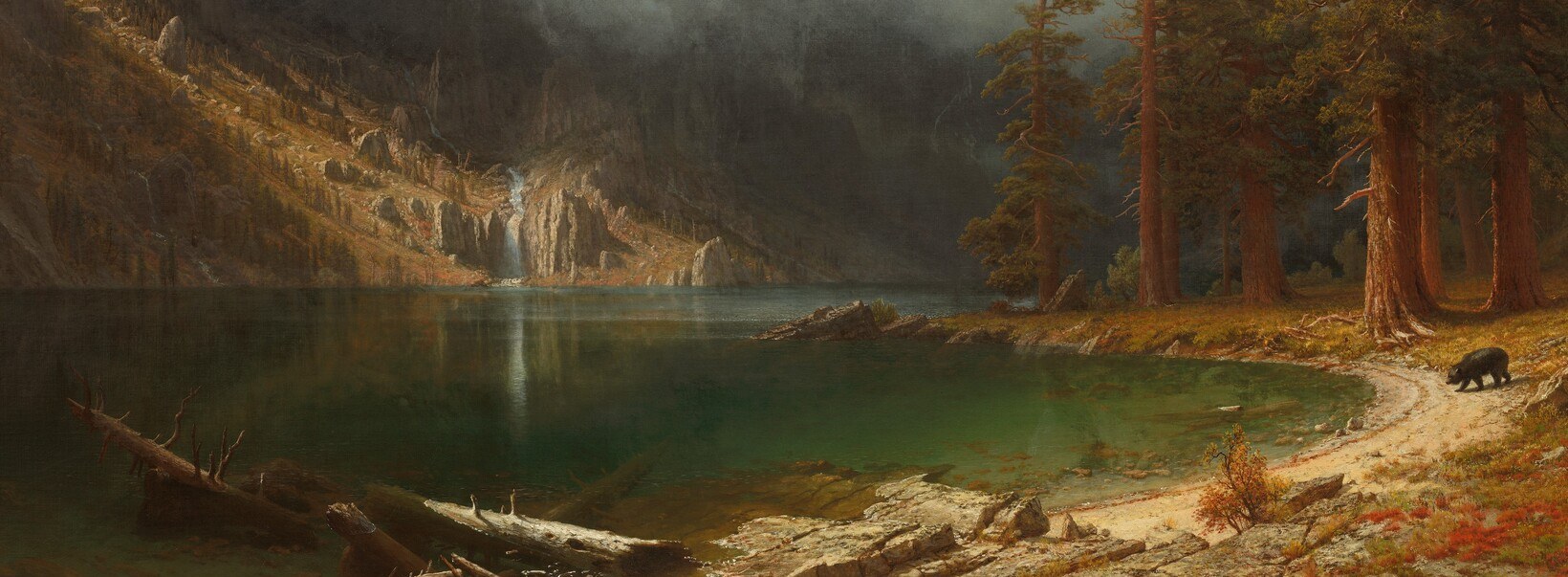
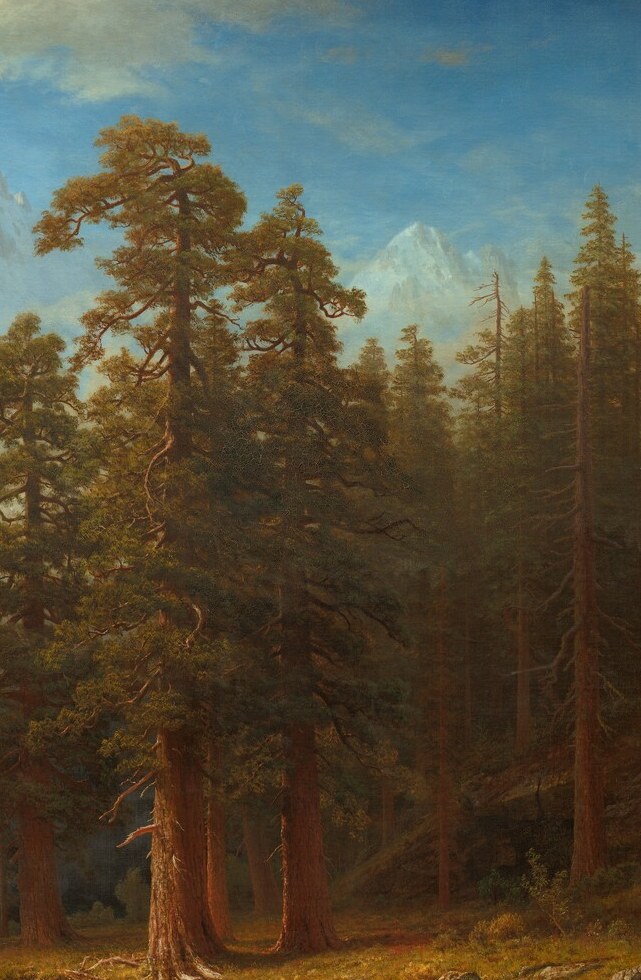
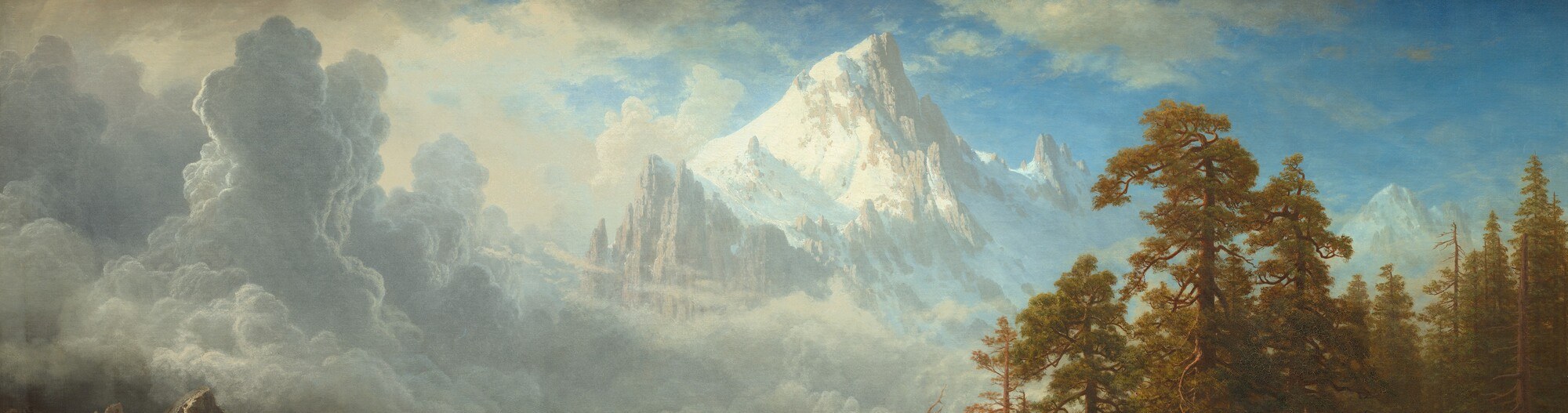
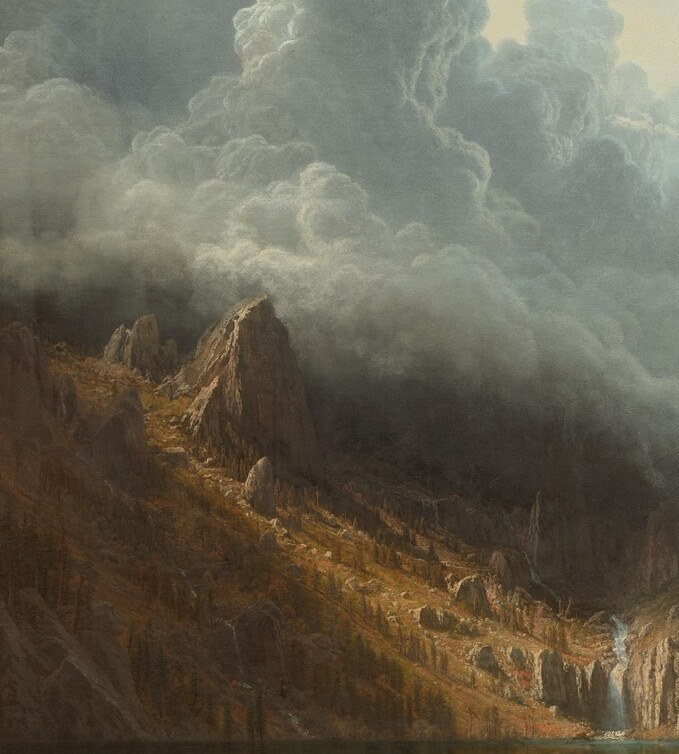
Albert Bierstadt's 'Mount Corcoran' is a landscape built on a deal. It began as 'Mountain Lake' and failed to sell when first exhibited in 1877, dismissed as a relic of an earlier era's taste for vast panoramas.
The painting's genius is its construction. Bierstadt assembled this view from Sierra Nevada sketches made years earlier, but the scene is a composite, a fiction. Dark pines act as theater wings on the right and left, funneling your eye toward a luminous, unreachable peak reflected perfectly in a glass-still lake. The small bears in the foreground right shore are the only sign of life, and they are easy to miss.
Desperate to place the work, Bierstadt renamed it in 1878 to honor William Wilson Corcoran, the wealthy banker whose new gallery he hoped would buy it. He even supplied a map marking a real Sierra Nevada peak named for Corcoran, though the curator immediately noticed its shape bore no relation to the soaring summit in the painting. The gallery purchased it regardless, and it remained in the Corcoran Collection until 2014.
A fake mountain with a real name, painted for a man who controlled both a bank and a museum. How much of the American West's grandeur was invented in a studio on the East Coast?
#arthistory #albertbierstadt #hudsonriverschool
Details
Transcript
In 1877 this painting had no buyer. Critics called it old-fashioned. Public taste had moved on. So the painter gave it a new name: Mount Corcoran. A tribute to William Wilson Corcoran, the banker who had just founded a Washington museum. He even produced a government map locating a real peak with Corcoran's name. The curator suspected forgery. The name was real, but the mountain looked nothing like this. It worked. The Corcoran Gallery bought the painting in 1878.