Portrait of a Man by Anthony van Dyck
View the artwork: Portrait of a Man →
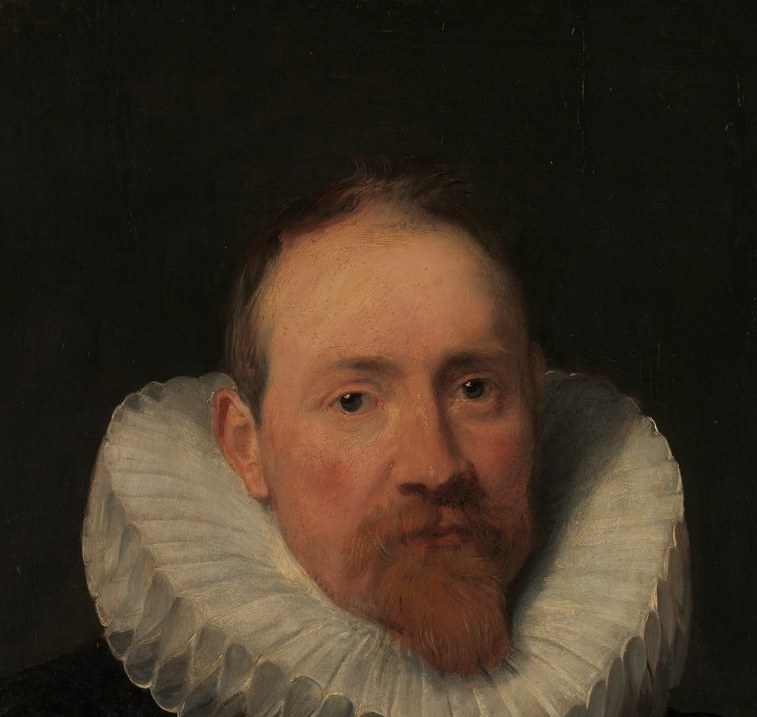
Anthony van Dyck painted this portrait in 1618. He was 19 years old.
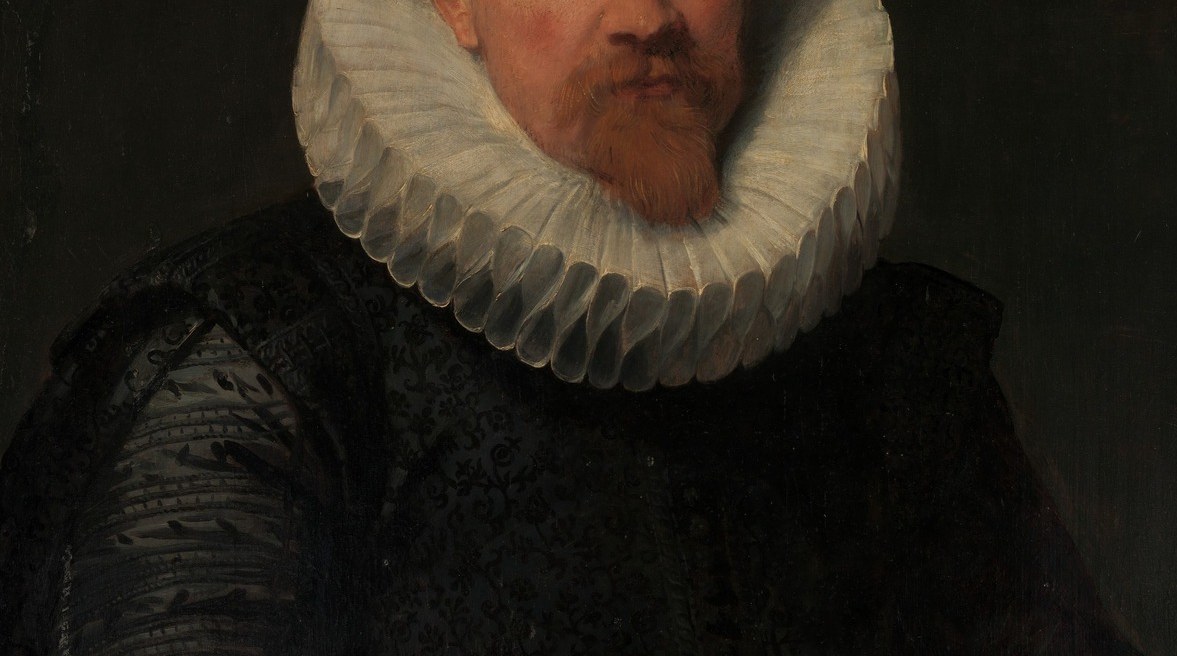
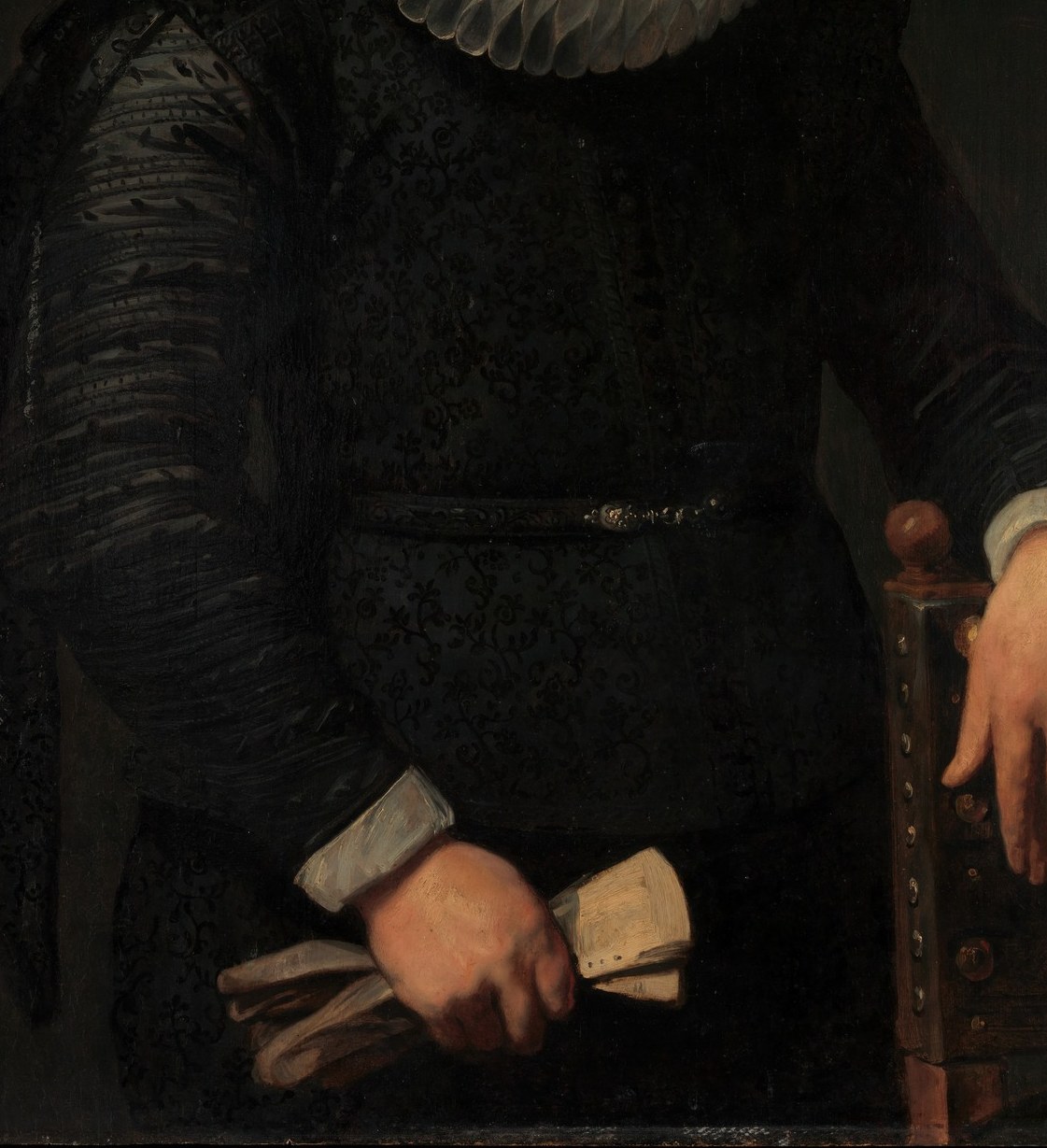
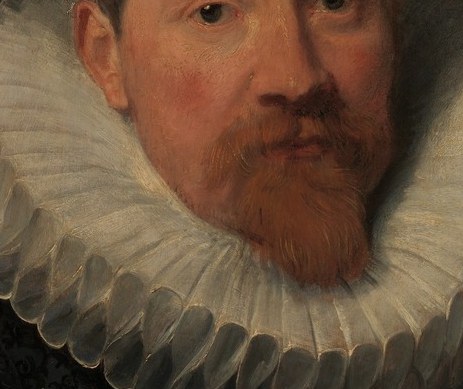
Look at the jacket. The doublet is nearly featureless black fabric. The background is also black, a void with no curtain, no landscape, no architecture. A lesser painter would have let the figure dissolve into the ground. Van Dyck's solution was a single reflected edge of light running down the shoulder and sleeve, just bright enough to distinguish cloth from air. The difference is barely there, but it is everything.
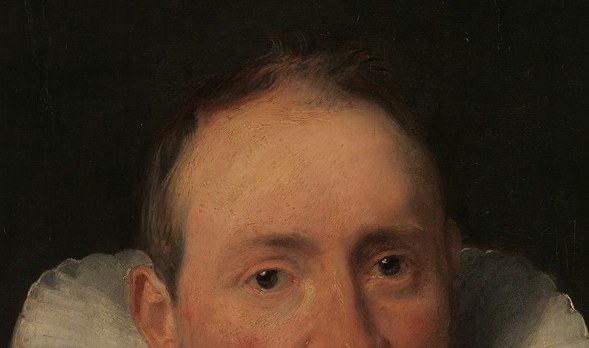
He learned the trick in Rubens's studio, where he was already a master by 18. The technique is chiaroscuro pushed to its quietest extreme: not the theatrical spotlights of Caravaggio, but a low, raking ambient light that shapes a shoulder out of near-darkness. The face gets the full beam. The doublet gets a whisper.
The painting is in a private collection now. Most people who scroll past it see a generic man in black. The ones who stop see a 19-year-old proving he could paint what is almost invisible.
#arthistory #anthonyvandyck #baroque
Details
Transcript
You are looking at a portrait from 1618. The painter was only 19. A single light source catches his face. Now look at his jacket. It is painted almost entirely black. The background is also black. Van Dyck separated them with a single reflected edge. Black cloth against a black void. No outline, just light.