Card Players in a Drawing Room by Pierre Louis Dumesnil
View the artwork: Card Players in a Drawing Room →
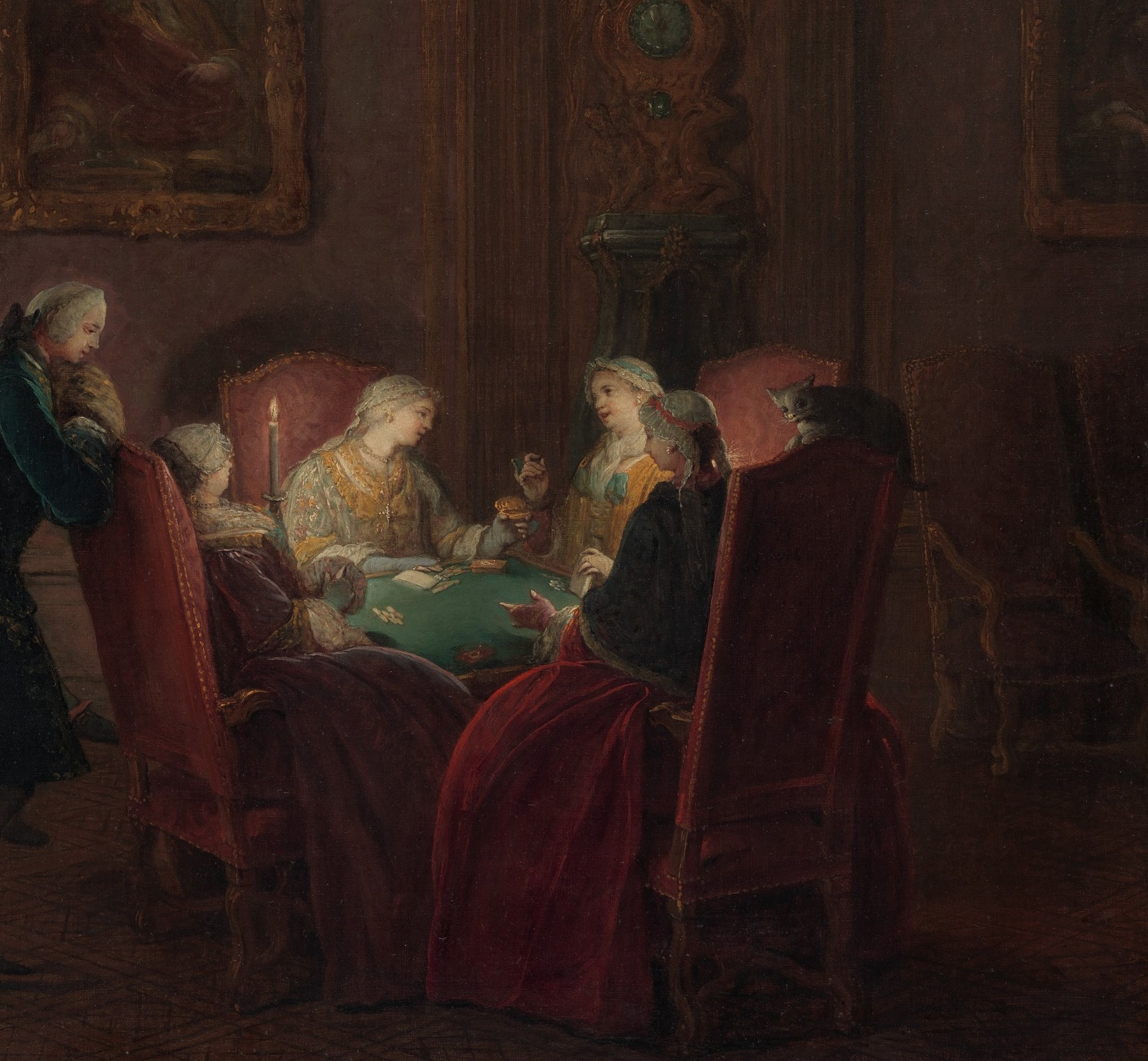
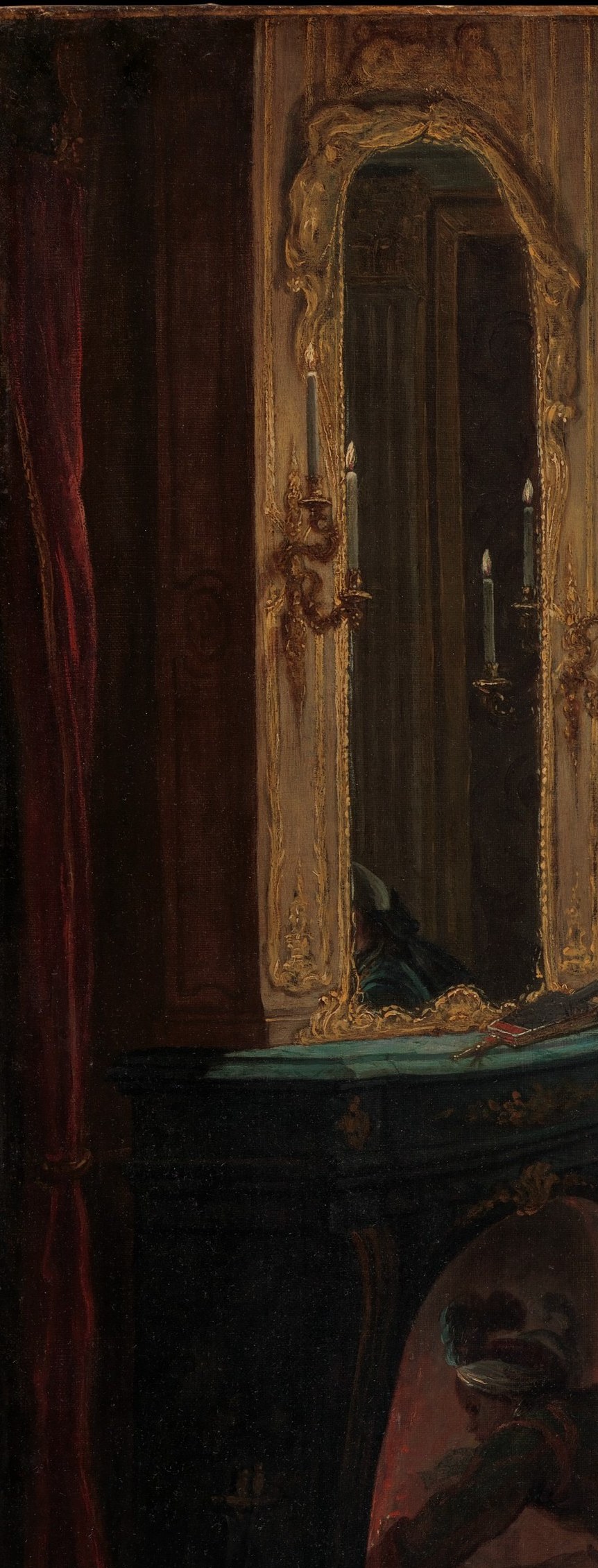
Card Players in a Drawing Room, painted by Pierre Louis Dumesnil in 1749, looks at first like a straightforward scene of an elegant evening. But every object in an 18th-century genre painting carried a specific meaning for the people who first saw it, and this room is quietly full of coded messages.
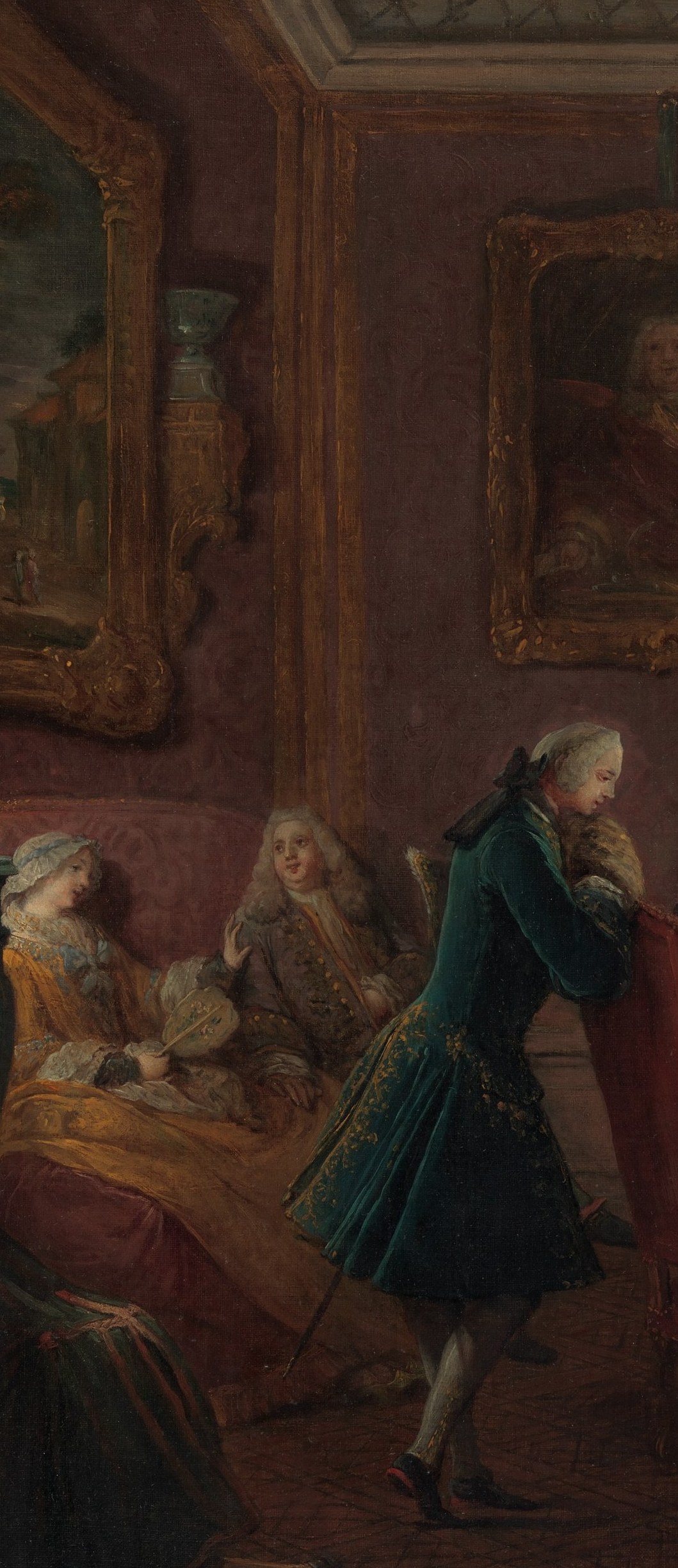
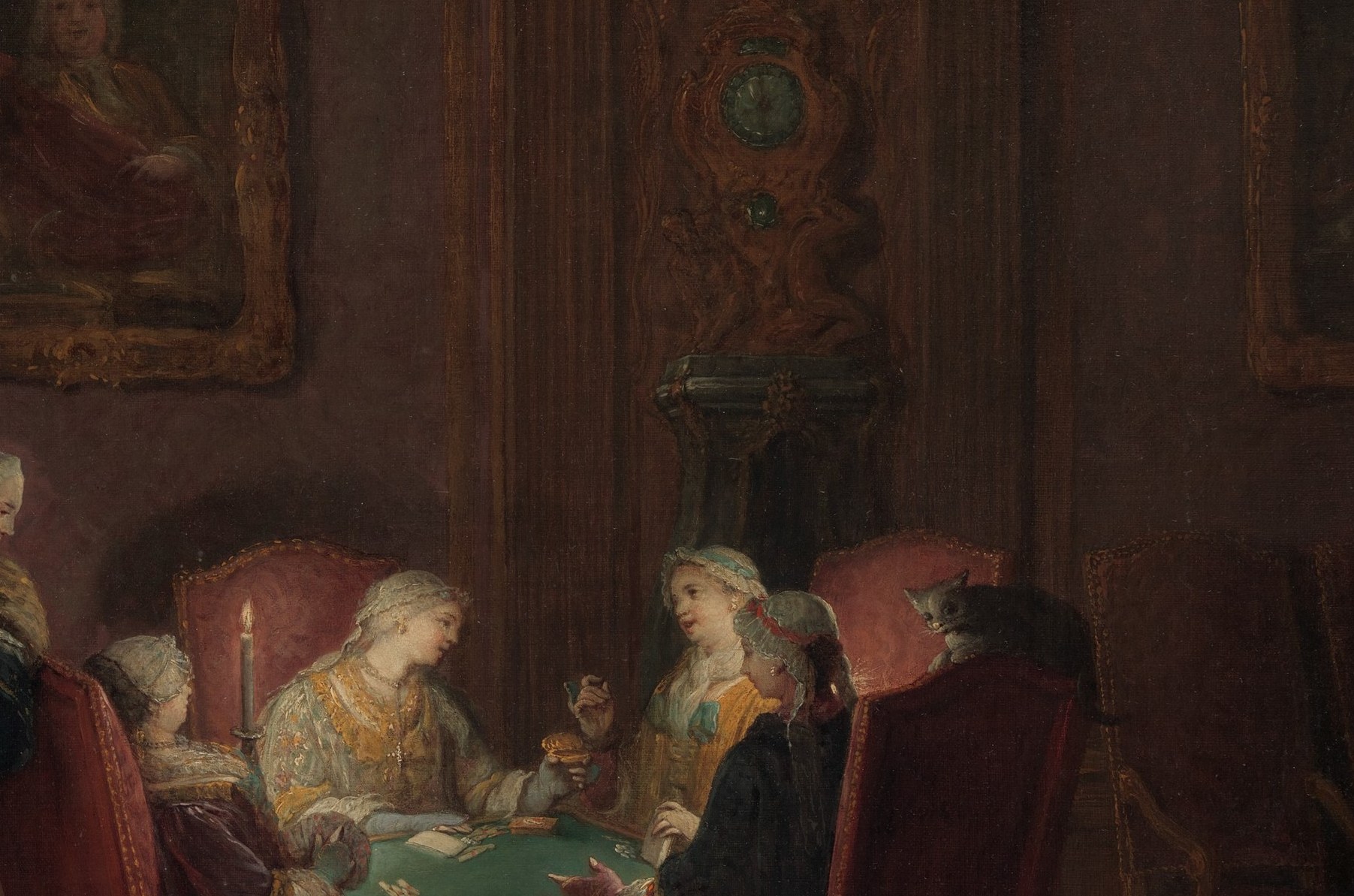
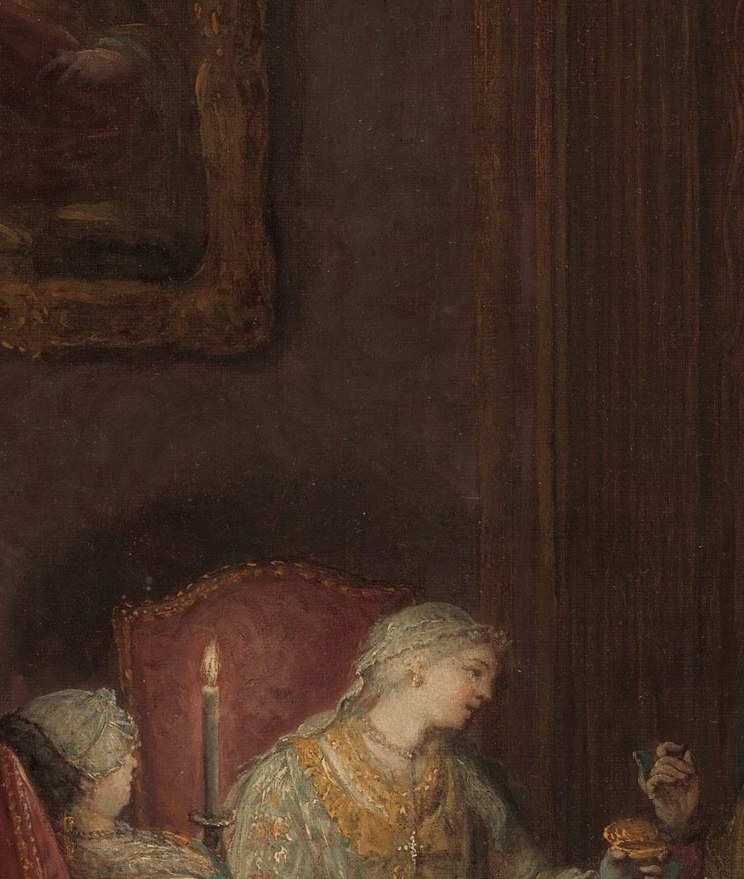
Watch the candle on the card table. It is not just a light source. It burns down like an hourglass, a common reminder that time and fortune are fleeting. The dog asleep on the floor is a fidelity symbol, vouching for the honesty of the game. The woman with a fan has closed it, which in the fan-language of the period signaled that she was not open to advances. And the servant kneeling at the fire, absorbed in his work, anchors the whole scene: his labor makes this leisure possible.
Dumesnil was a Paris-born painter who specialized in these domestic interiors. He paid close attention to texture and atmosphere, and the candlelight raking across silk and brocade is where his skill really shows. The painting belongs to a long tradition of card-playing scenes that were as much about social commentary as they were about entertainment.
What details do you notice once you know to look for them?
#arthistory #18thcenturyart #pierrelouisdumesnil
Details
Transcript
A quiet evening of cards, 1749. The candle is the first message. It burns like a clock, marking the time we waste on chance. This dog, asleep on the floor, means fidelity. His presence says: no cheating, no betrayal here. The woman holds a fan, closed. A closed fan meant: I am not open to conversation. The kneeling servant tends the fire. He is the cost of leisure.