Salisbury Cathedral from the Bishop's Garden by John Constable
View the artwork: Salisbury Cathedral from the Bishop's Garden →
On a spring morning in 1925, a woman named Grace Marcon entered London's National Gallery, hid a meat cleaver inside her coat, and slashed John Constable's 'Salisbury Cathedral from the Bishop's Garden' three times. She was a suffragette, and the painting, a cherished symbol of English tradition, was her target. The attack made headlines, but the canvas was repaired so meticulously that today you would never know it happened.
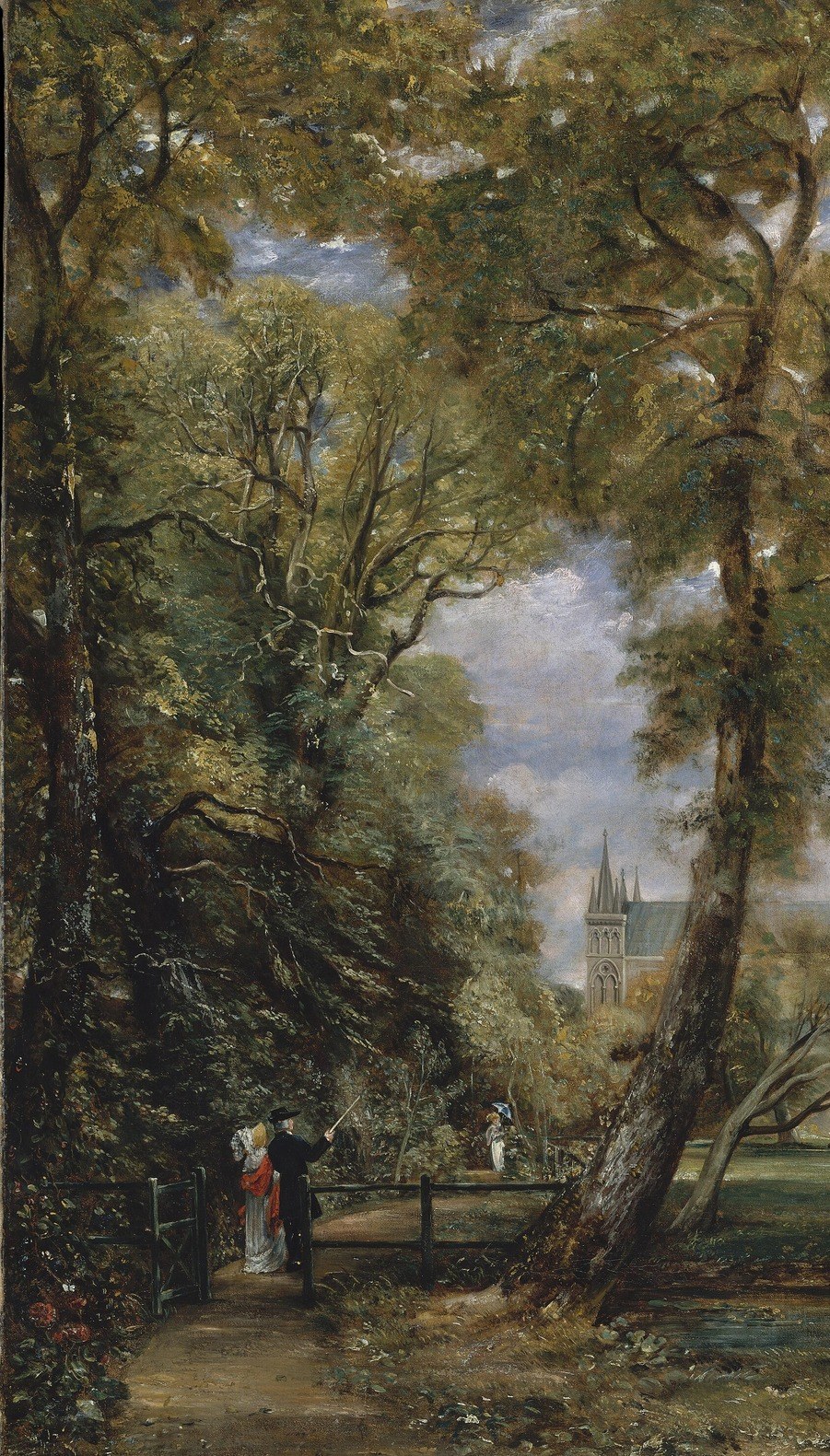
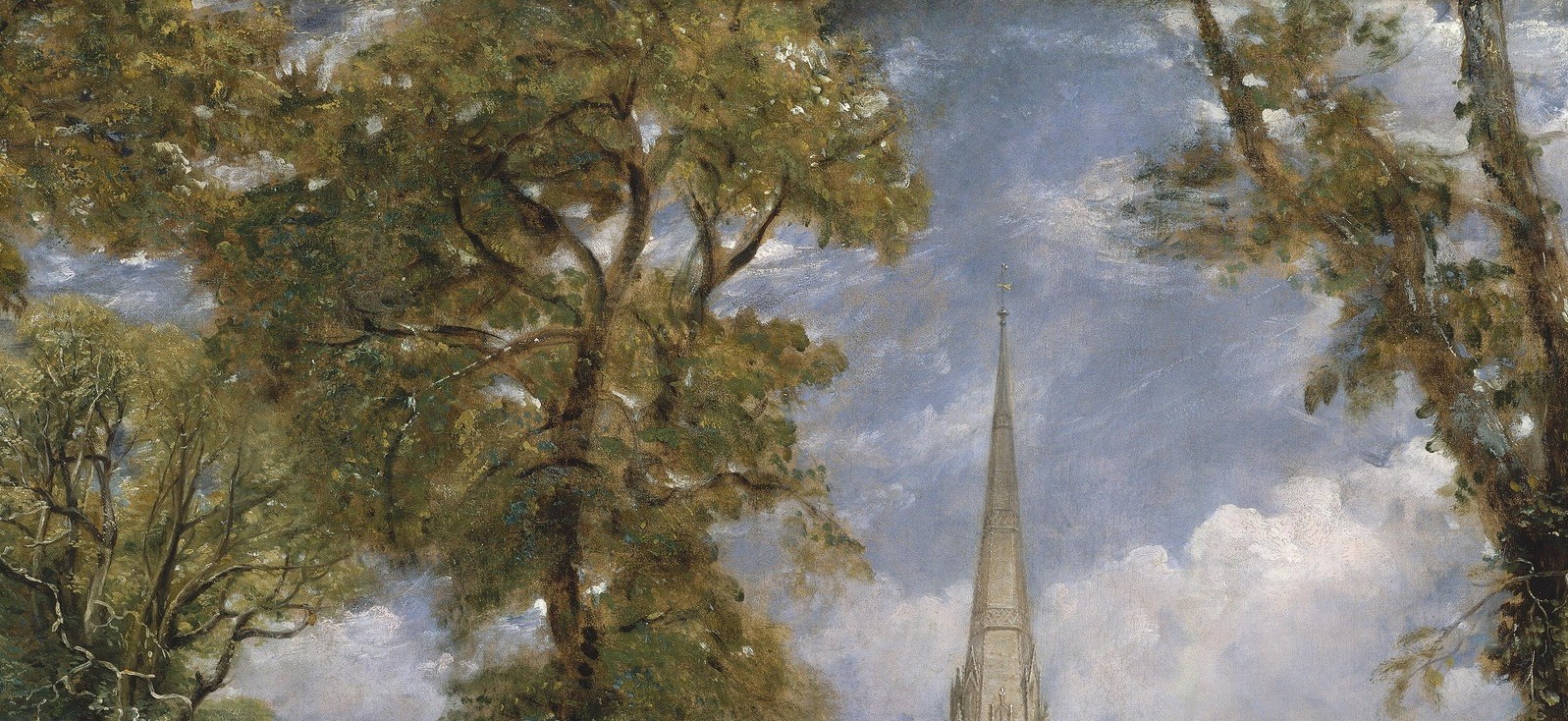
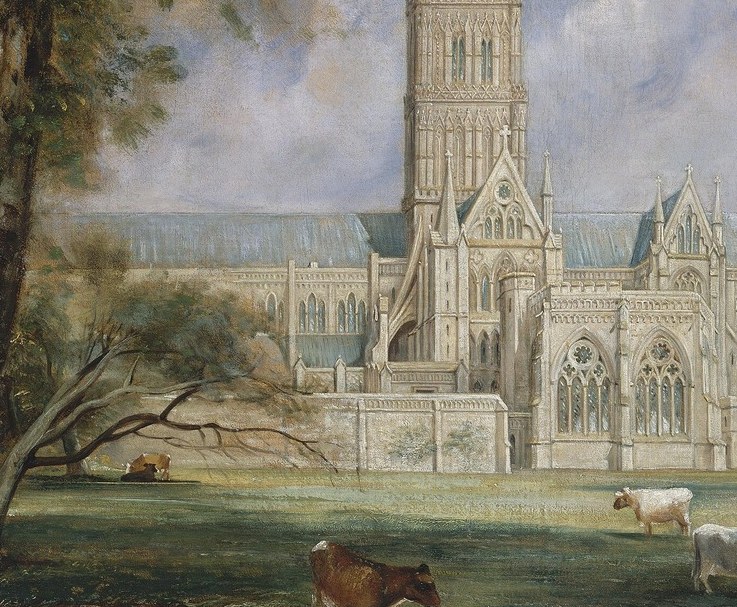
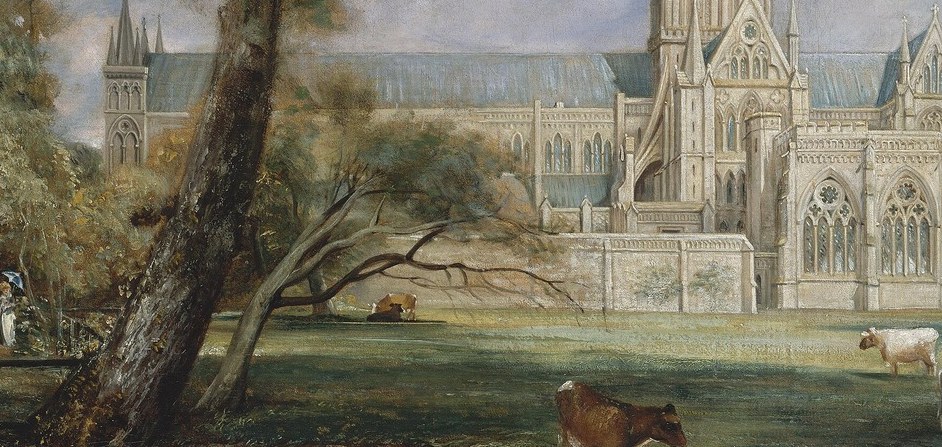
What remains is Constable's most personal cathedral portrait. He painted it in 1825 for his friend John Fisher, the Bishop of Salisbury, framing the Gothic spire through a natural arch of English elms. It was a deliberate fusion of stone and tree, a vision of the church as both monumental and rooted in the land.
Look closely at the sunlit foliage and you will see something that outraged London critics. Constable dotted the leaves with pure white paint to capture the sparkle of wet branches catching shifting cloud light. They called it 'Constable's snow' and laughed. Today those same dabs are recognized as a step toward Impressionism, made decades before Monet picked up a brush.
The painting hangs again in the National Gallery, a survivor of protest, weather, and mockery. What do you notice in the sky that everyone else scrolls past?
#arthistory #johnconstable #salvagedart
Details

Transcript
They called this painting a masterpiece of the English countryside. But in 1925, a woman walked into the National Gallery with a meat cleaver. She slashed this canvas three times, right through the heart of the sky. Her name was Grace Marcon. She was fighting for the vote. The gallery repaired it so perfectly the damage vanished. Now look at the spire. See the white flecks on the leaves. Critics mocked them as 'snow.' Now they feel like the first breath of Impressionism.