Moses Striking the Rock by Abraham Bloemaert
View the artwork: Moses Striking the Rock →
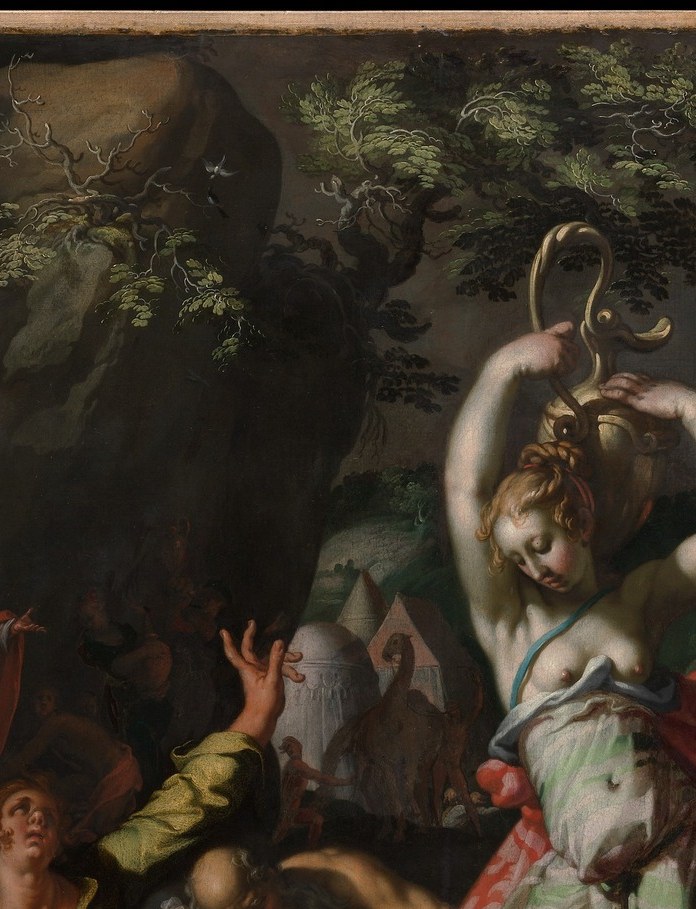
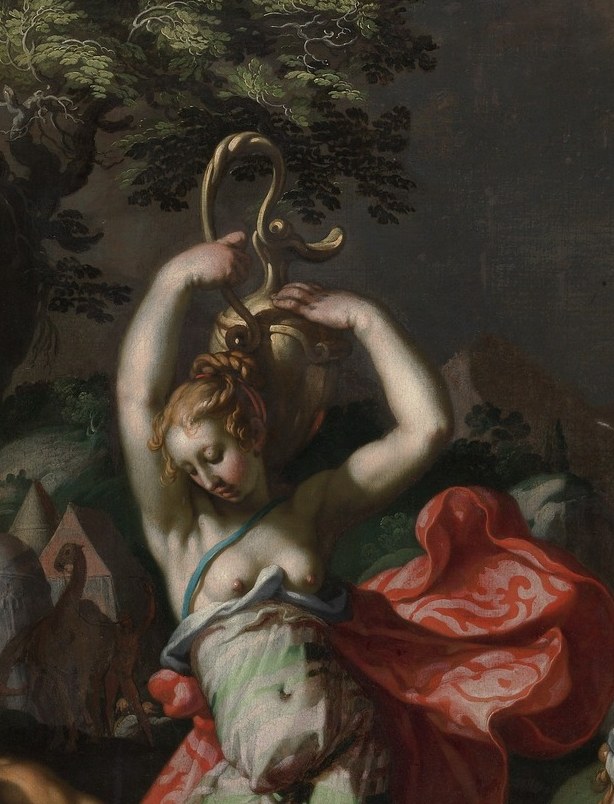
Abraham Bloemaert painted 'Moses Striking the Rock' in 1596, and it now hangs in the Metropolitan Museum of Art. It is one of the largest and most ambitious Mannerist paintings in any American museum.
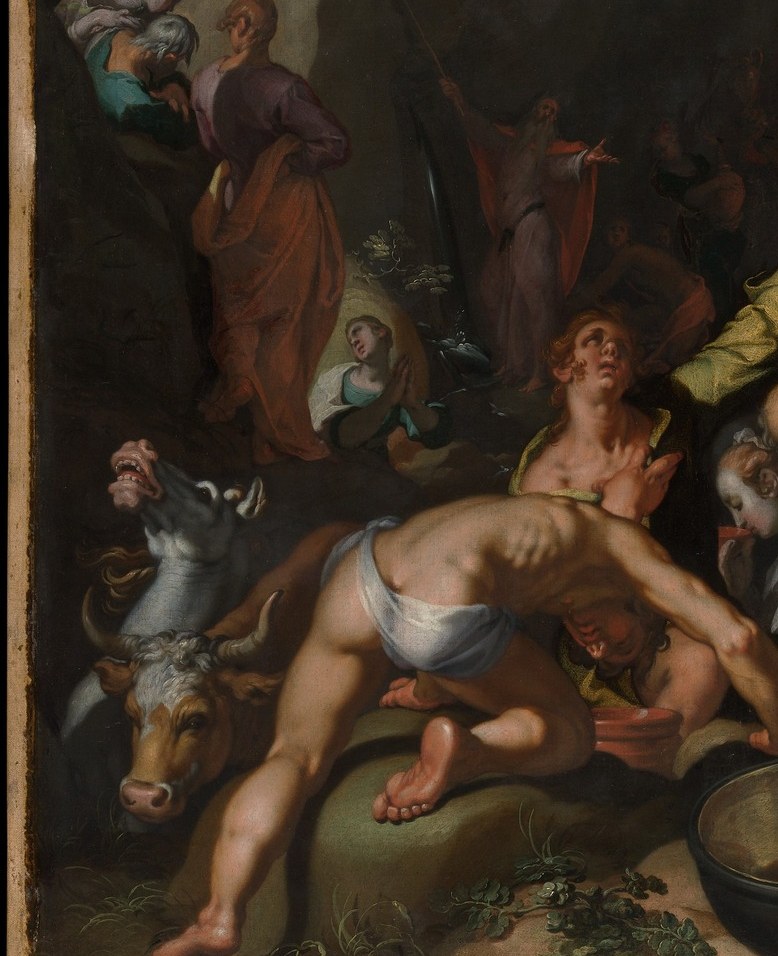
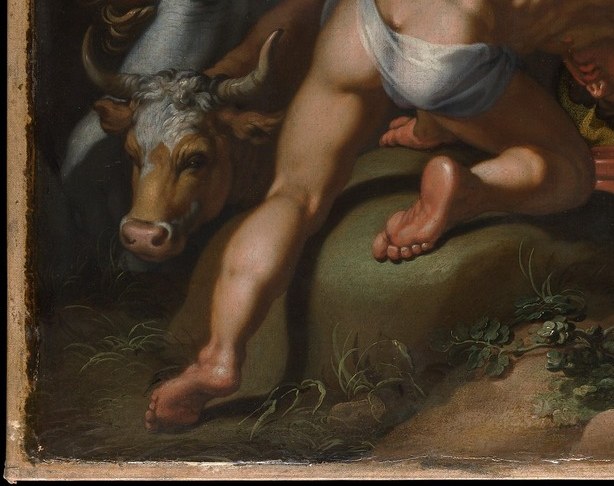
The painting shows the biblical moment from Exodus when Moses, guided by God, strikes a rock at Horeb to bring forth water for the thirst-crazed Israelites. Look at the extreme bottom left. A figure lies collapsed, near death from thirst, his skin ashen against the dark stone. Bloemaert delays our eye there before the central miracle delivers relief.
Bloemaert painted this at the height of Dutch Mannerism, with elongated, twisting bodies and a theatrical concentration of light on Moses's white robe. For centuries the painting essentially vanished from public view. When it resurfaced in a European private collection, the Met purchased it in 1972 for one million dollars. The art press openly mocked the price.
Adjusted for inflation, that million is about seven million today. For a staggering, master-scale Bloemaert of this importance, in a museum that has no other like it, that number now reads as absurdly low.
#arthistory #abrahambloemaert #metmuseum
Details
Transcript
In 1972, the Met paid $1 million for one Dutch painting. A record price. The press called it extravagant. Look at the figure in white at the center. That raised arm commands one of the largest Mannerist canvases in America. The painting had been lost to scholars for centuries. Found in a private collection, it was the artist's forgotten masterpiece. Today, the Met insures it for a figure the 1972 critics could not have imagined.