Boulevard Héloïse, Argenteuil by Sisley, Alfred
View the artwork: Boulevard Héloïse, Argenteuil →
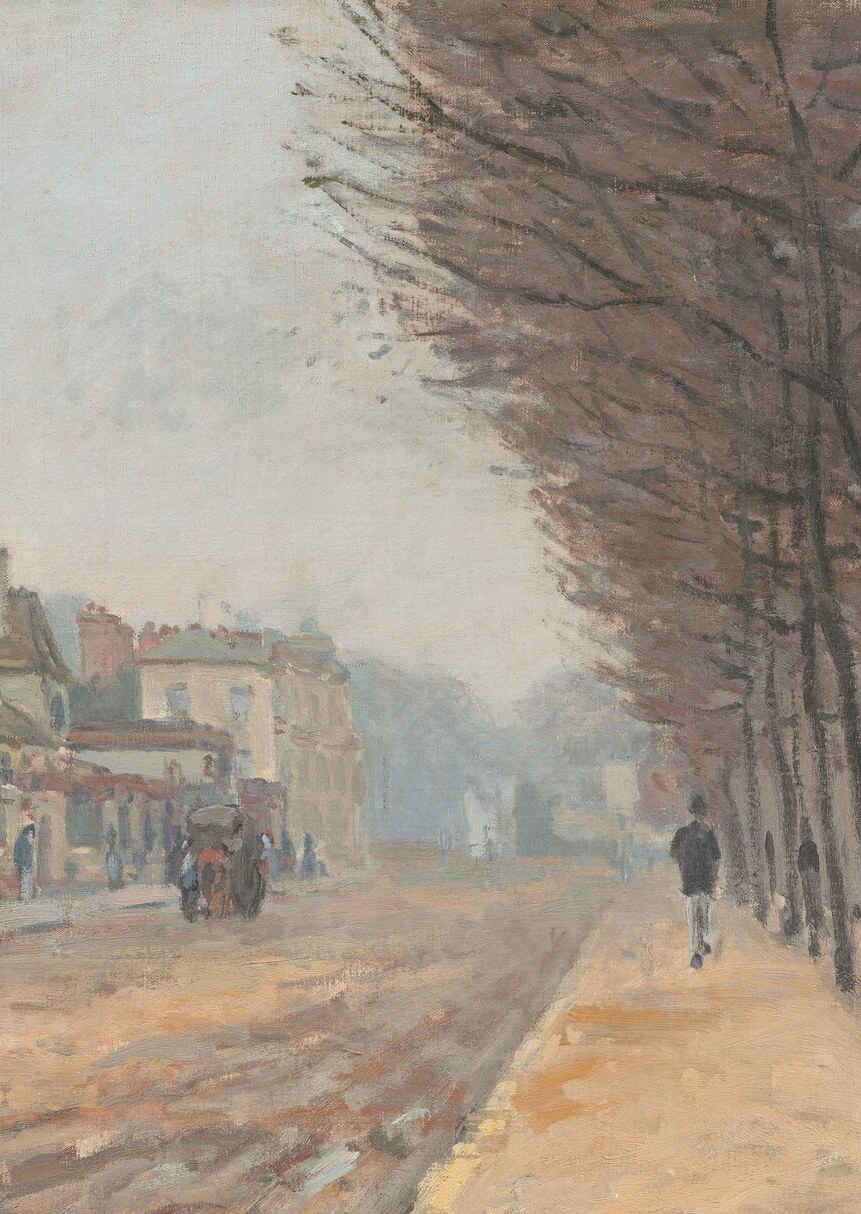
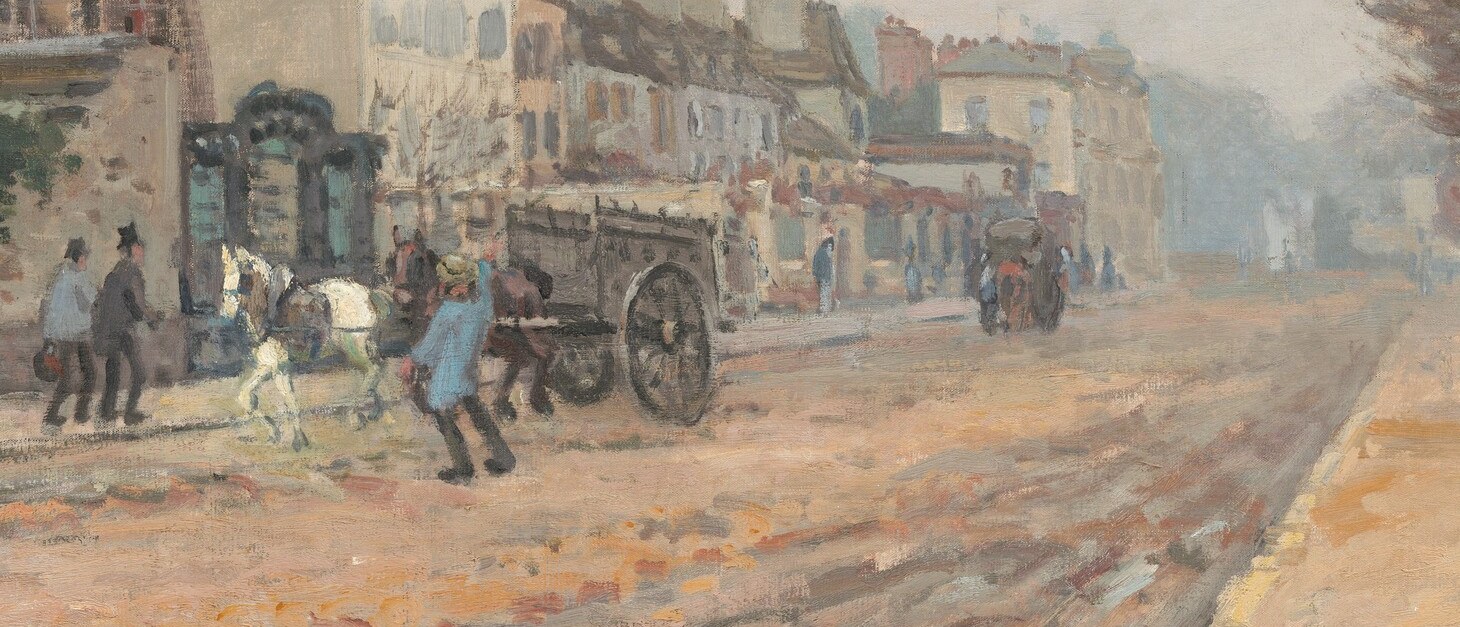
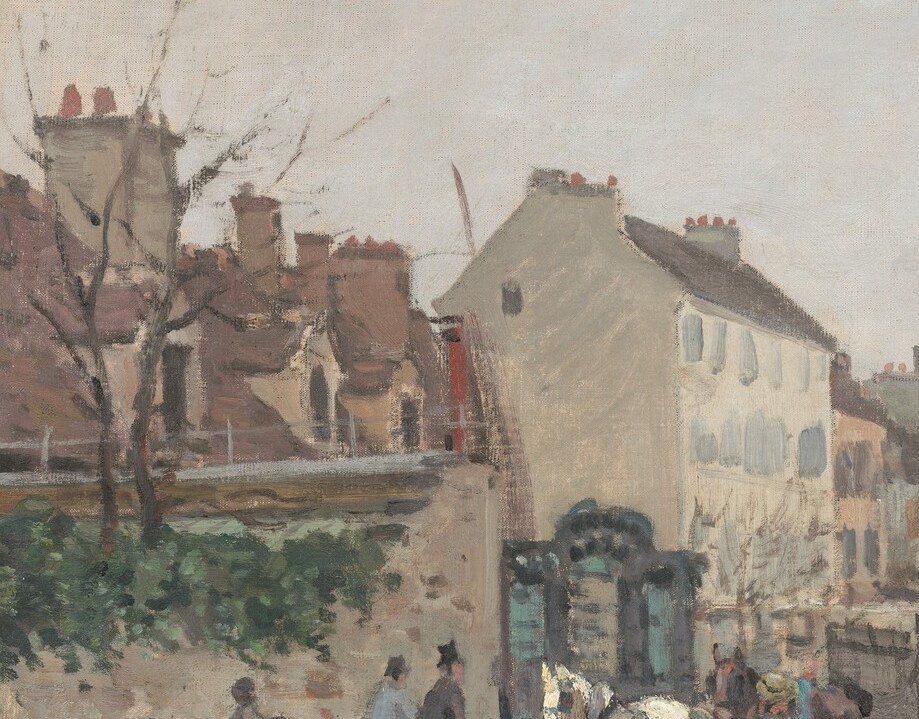
This is Boulevard Héloïse, Argenteuil, painted by Alfred Sisley in 1872. It hangs in a museum now, but for over a century it was simply a record of a road. The single most poignant thing about it is the gap between its peace and its painter's life: Sisley was the only core Impressionist who never found a market. He died in 1899, at 59, still poor, still painting.
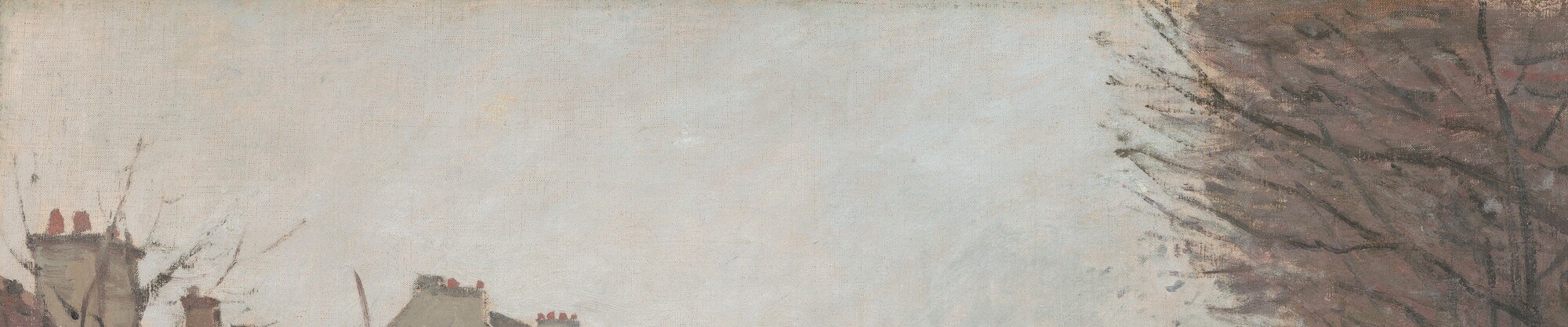
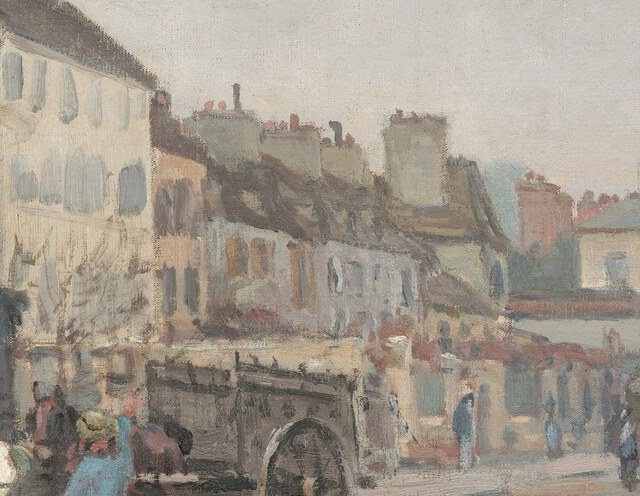
Look at how Sisley builds the boulevard. The leafless plane trees march toward a vanishing point softened by pale atmospheric haze. A horse-drawn cart sits mid-road, a workman making a delivery. Pedestrians walk on the left sidewalk, unhurried. The sun warms the macadam in loose, directional strokes. Everything is ordinary, and everything is observed with absolute devotion.
Sisley was born to British parents in Paris. He was among the first to paint en plein air alongside Monet and Renoir in the 1860s. But while they broke through, Sisley's work was repeatedly rejected or ignored. He moved often, unable to afford rent, and sold paintings for a few francs to feed his family. Argenteuil, where he painted this scene, was a new kind of place: a Haussmann-era suburb where Paris pushed its working people. He painted it not as a tourist but as a neighbor.
The boulevard recedes, and so did his chances. But he never stopped. There are hundreds of paintings like this one, made by a man who had every reason to quit, and didn't.
#arthistory #impressionism #alfredsisley
Details
Transcript
Argenteuil, 1872. A new kind of Paris suburb. Haussmann's boulevards pushed ordinary life out here. A workman makes a delivery under a sky the color of pearl. No drama. No heroes. Just light on dusty macadam. The painter was Alfred Sisley. He would die in poverty. Renoir and Monet found success. Sisley never did. He painted this road because it was what he had. He kept painting.