Portrait of a Young Girl by Mary Cassatt
View the artwork: Portrait of a Young Girl →
This is Mary Cassatt's "Portrait of a Young Girl," painted in 1899. An American who spent most of her adult life in France, Cassatt was a key figure in the Impressionist movement, exhibiting alongside Degas and described by critic Gustave Geffroy as one of "les trois grandes dames" of Impressionism. This painting lives in a Philadelphia museum and remains one of her most technically striking single-figure portraits.
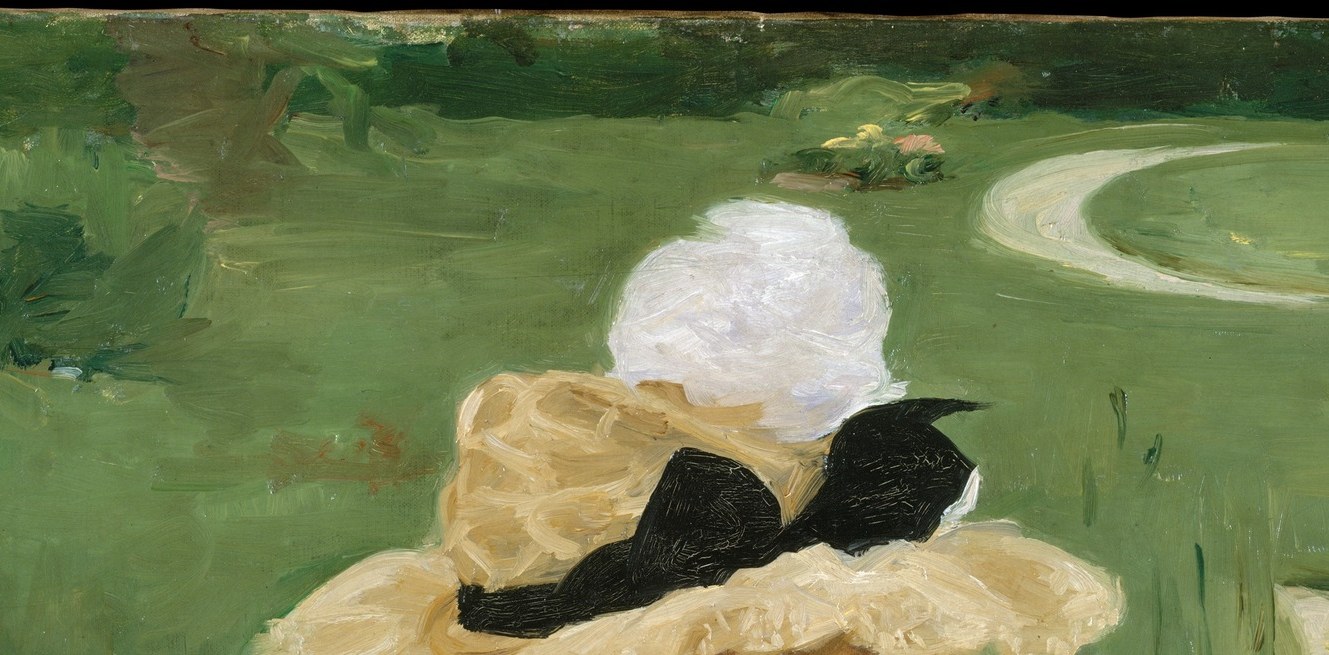
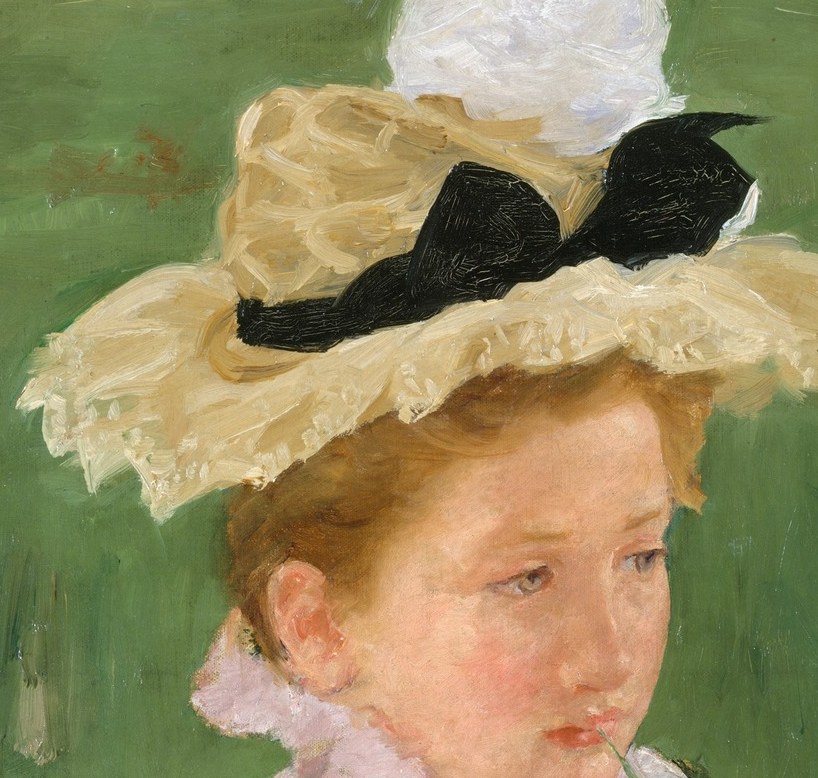
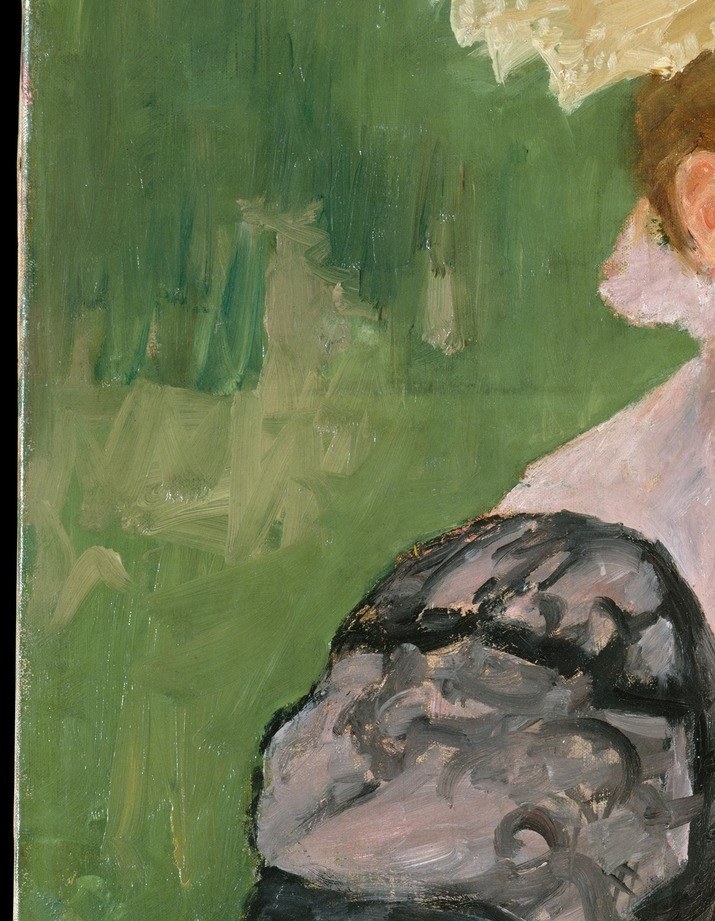
The first thing to notice is the speed difference. The grass and foliage are painted with rapid, directional strokes that barely resolve into individual leaves. It is confident, athletic paint-handling. Then your eye reaches the face, and the surface goes quiet. The skin is blended so smoothly that it feels photographic, an effect Cassatt achieved by building thin, translucent layers of oil on a tightly woven canvas.
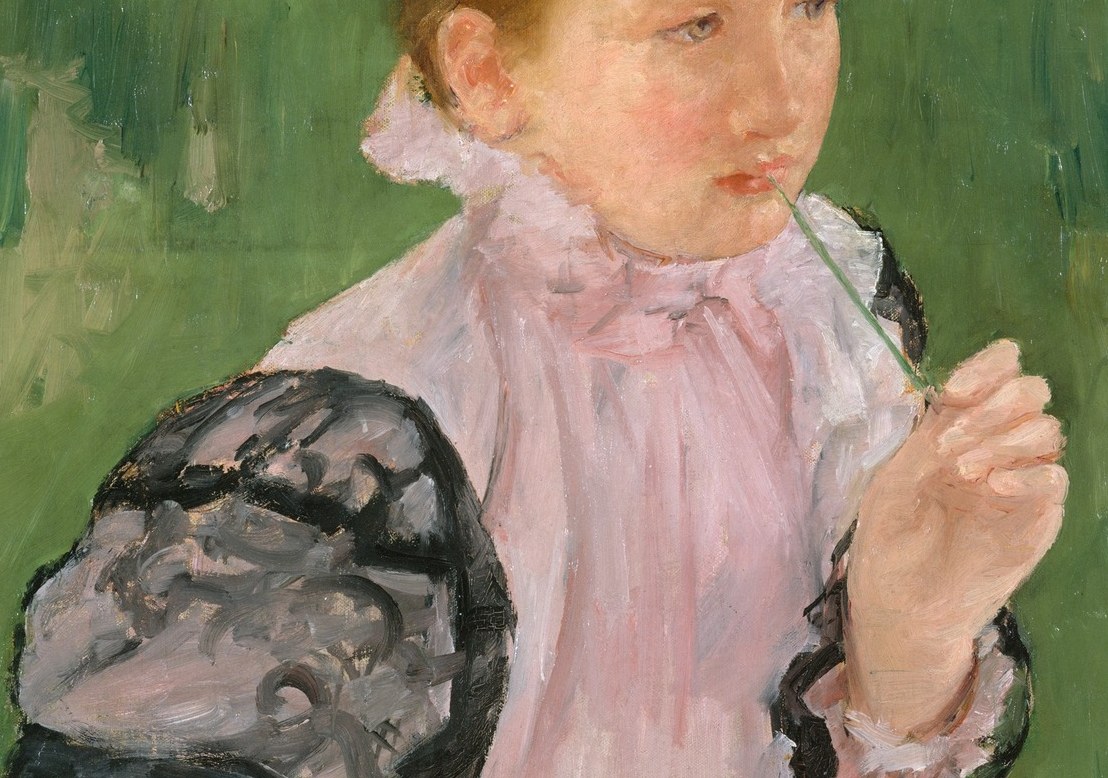
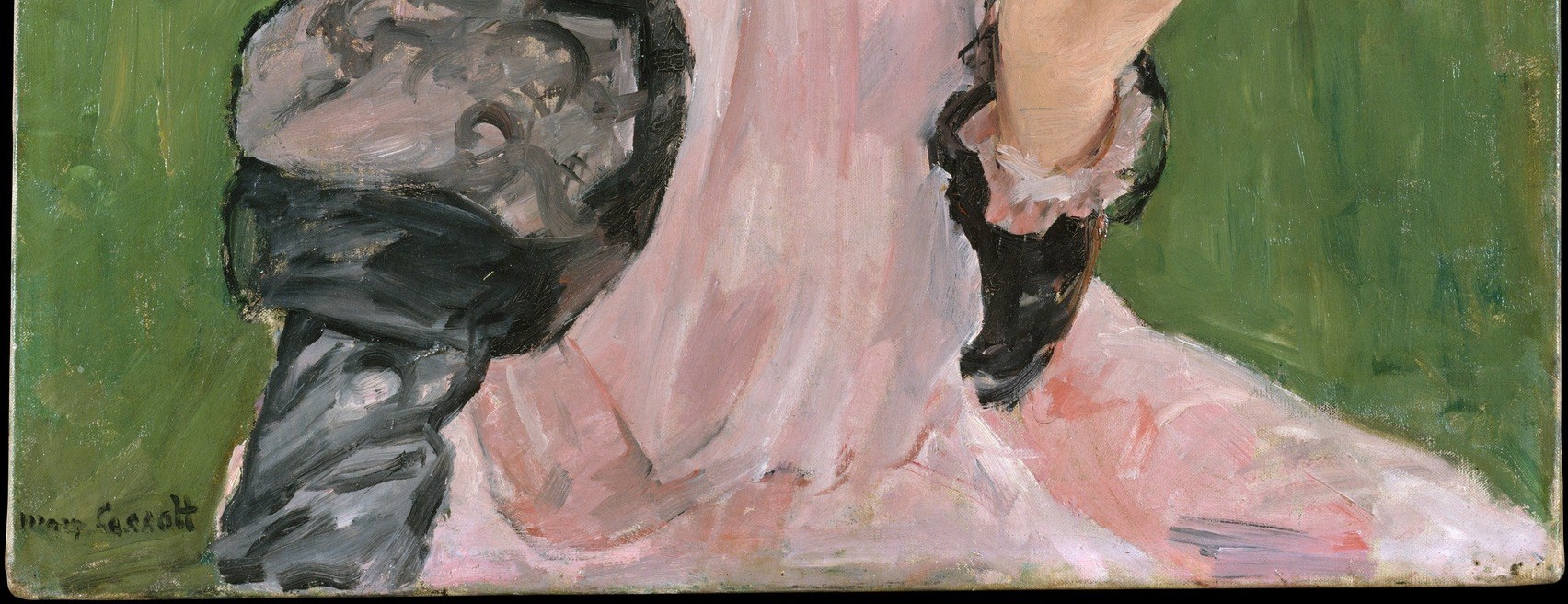
The pink dress radiates against the green field. The black puffed sleeves date the painting precisely to the late 1890s, the height of that fashion. And her right hand holds a single blade of grass, painted in perhaps four strokes, a detail most viewers scroll right past. That tiny action carries the whole painting's mood: a child absorbed in the natural world, unposed and unguarded.
Cassatt brought Impressionism to American collectors through her connections with the Havemeyer family. But here, on her own canvas, she was showing her peers something else: that a single painting could hold two completely different paint languages and feel perfectly whole.
#arthistory #marycassatt #impressionism
Details
Transcript
A girl in a field. Bright pink, loose green. This is Mary Cassatt, an American who ran with the French Impressionists. She was a master of two speeds of paint at once. Look at the ground. Almost abstract. Fast, confident brushstrokes. The foliage dissolves into a suggestion of leaves. Now look at her face. Perfectly smooth. The illusion works because Cassatt layered thin, blended skin tones over a fine weave. The blade of grass in her hand is barely four strokes.