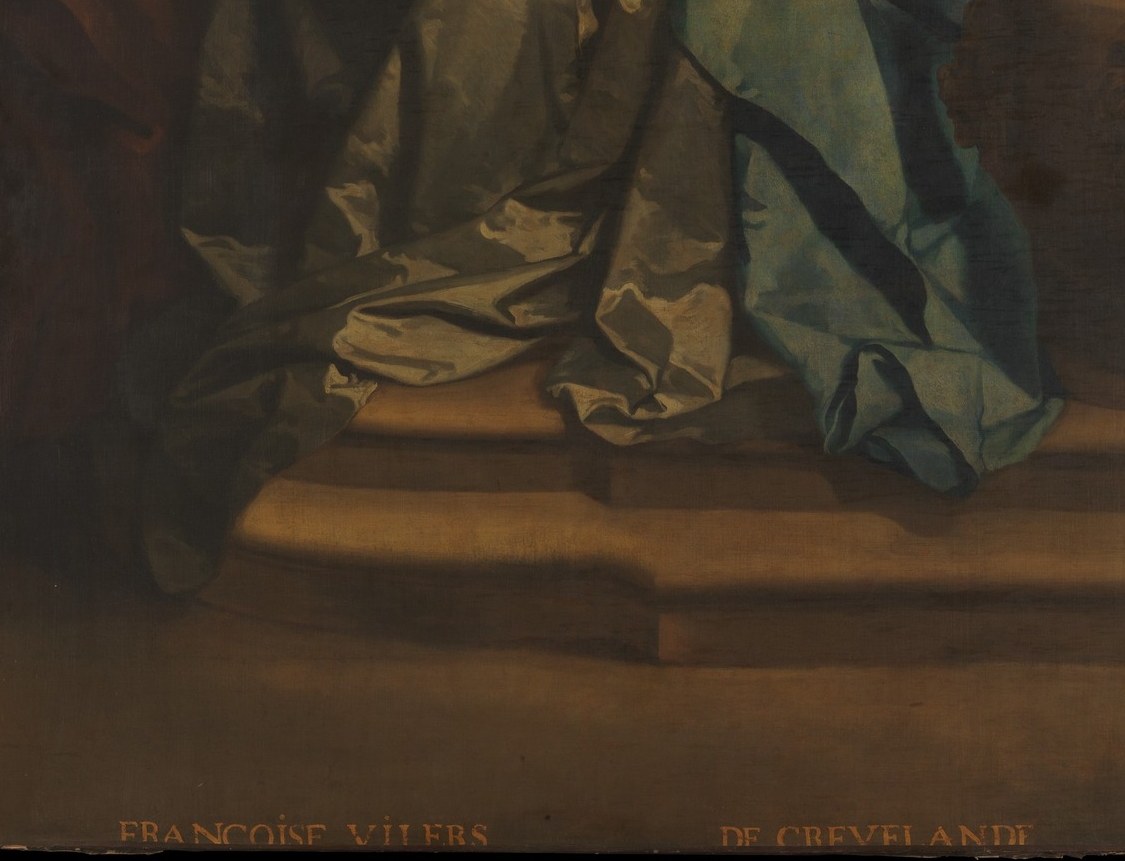
Barbara Villiers (1640–1709), Duchess of Cleveland by http://www.wikidata.org/.well-known/genid/f7ecefe7bac9cfe92872fa372a896abe
View the artwork: Barbara Villiers (1640–1709), Duchess of Cleveland →
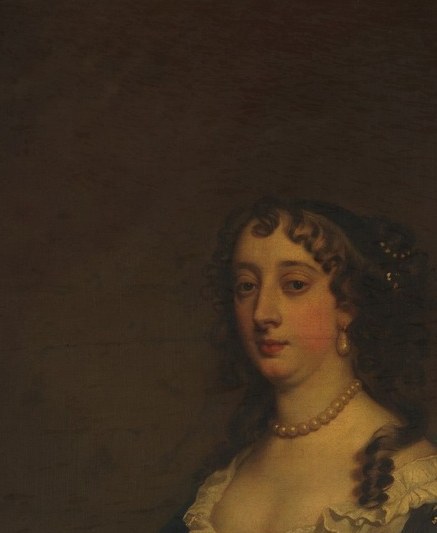
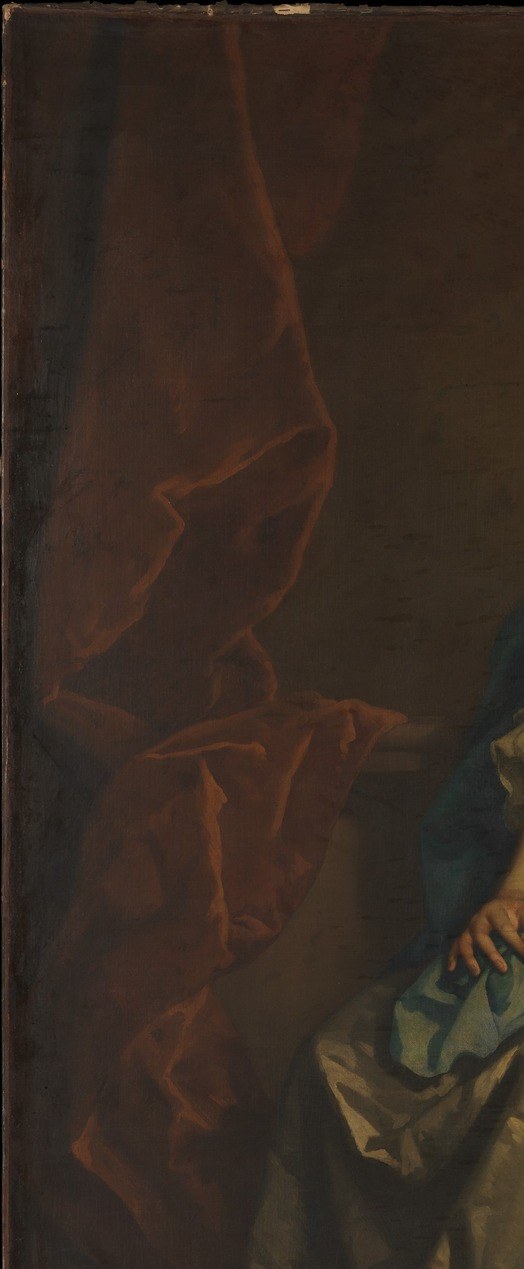
This is Barbara Villiers, Duchess of Cleveland, painted by Sir Godfrey Kneller around 1700. For over a decade she was the most powerful woman in England who was not the queen, the principal mistress of Charles II, mother to five of his children, and a figure of real political influence. By the time this portrait was made, her reign at court was over. But you would never guess it from the way she looks at you.
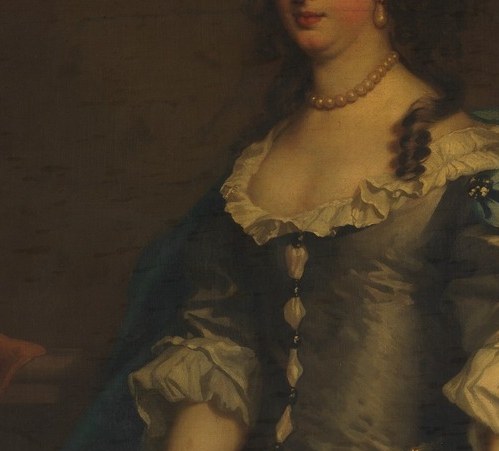
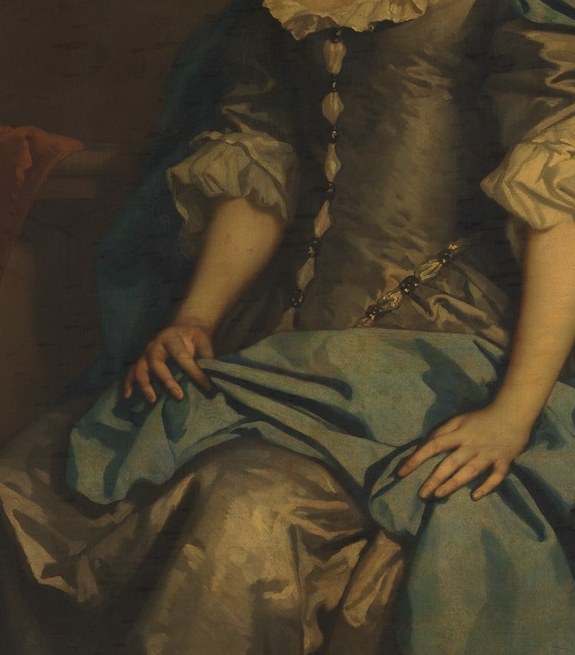
Look at her face, serene, direct, completely unapologetic. Her hand is planted on her hip in a pose of authority that was rarely granted to women in formal portraiture. The low décolletage is not simply fashion; Restoration court beauties used strategic undress as a political language, and Barbara Villiers spoke it fluently. The blue and gold brocade encodes her royal patronage more clearly than any inscription could.
Barbara Villiers was already famous, or notorious, when she caught the young king's attention shortly after his restoration in 1660. Samuel Pepys recorded her in his diary as the king's acknowledged mistress. Her beauty and temper were equally legendary. She lost the king's favor by the mid-1670s, but lived until 1709, long enough to sit for this portrait as a woman in her fifties, still commanding the frame as if the court still answered to her.
A portrait painted a generation after scandal can be its own kind of victory. She did not disappear. She made sure of it.
#arthistory #Restoration #portraiture
Details
Transcript
For over a decade, she dominated the court of Charles II. This portrait was painted long after her power had faded. She still dresses like a woman who expects the world to look at her. Hand on hip: a pose of command, not decorum. Court beauties used undress as a political language. She bore five of the king's children and wielded real power. The painter gives her the same gravity her enemies wished she lacked.