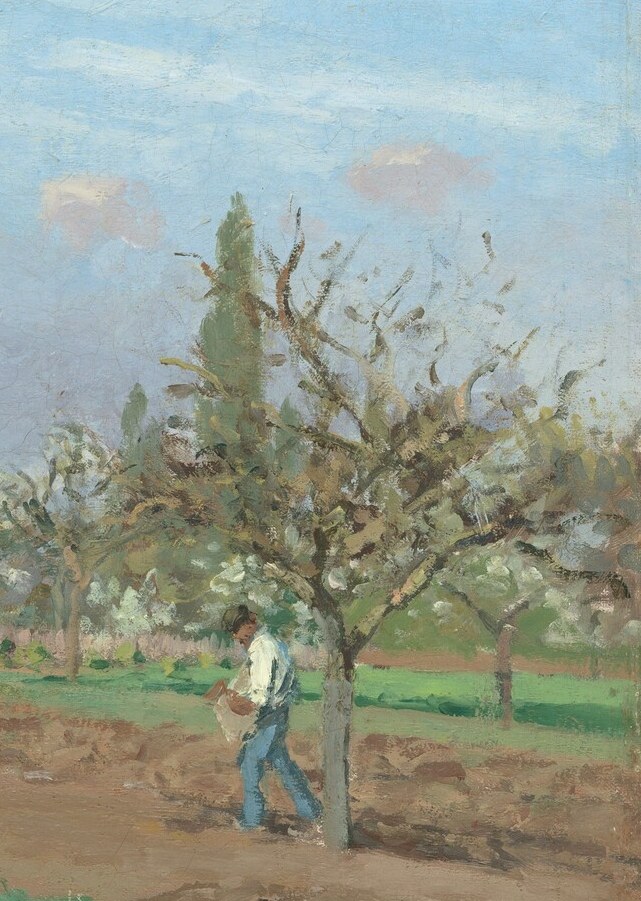
Orchard in Bloom, Louveciennes by Pissarro, Camille
View the artwork: Orchard in Bloom, Louveciennes →
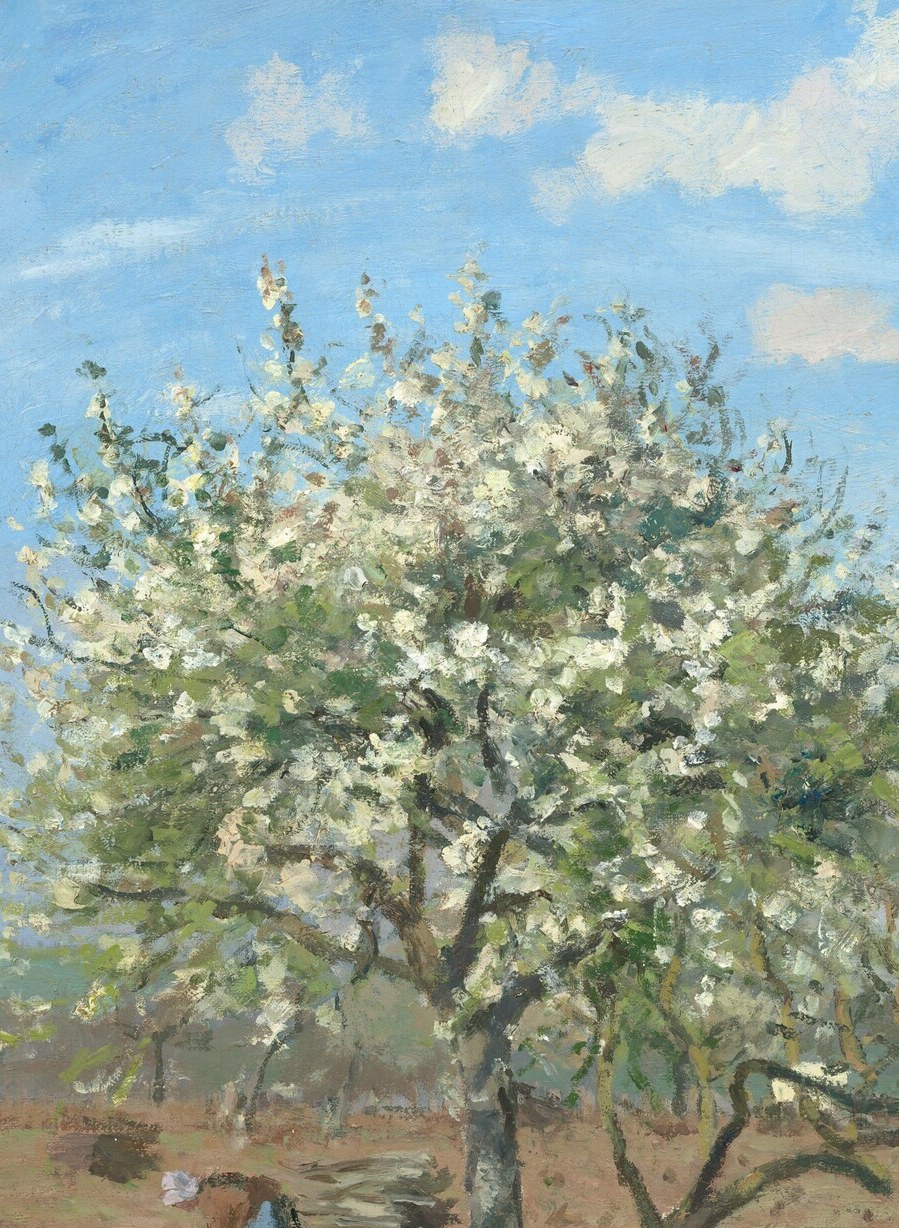
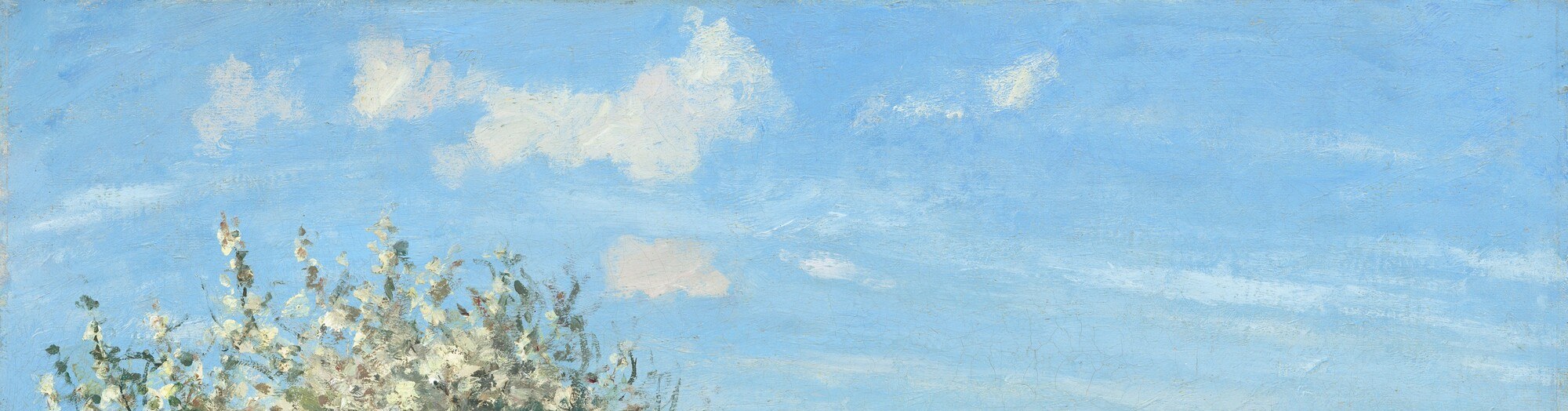
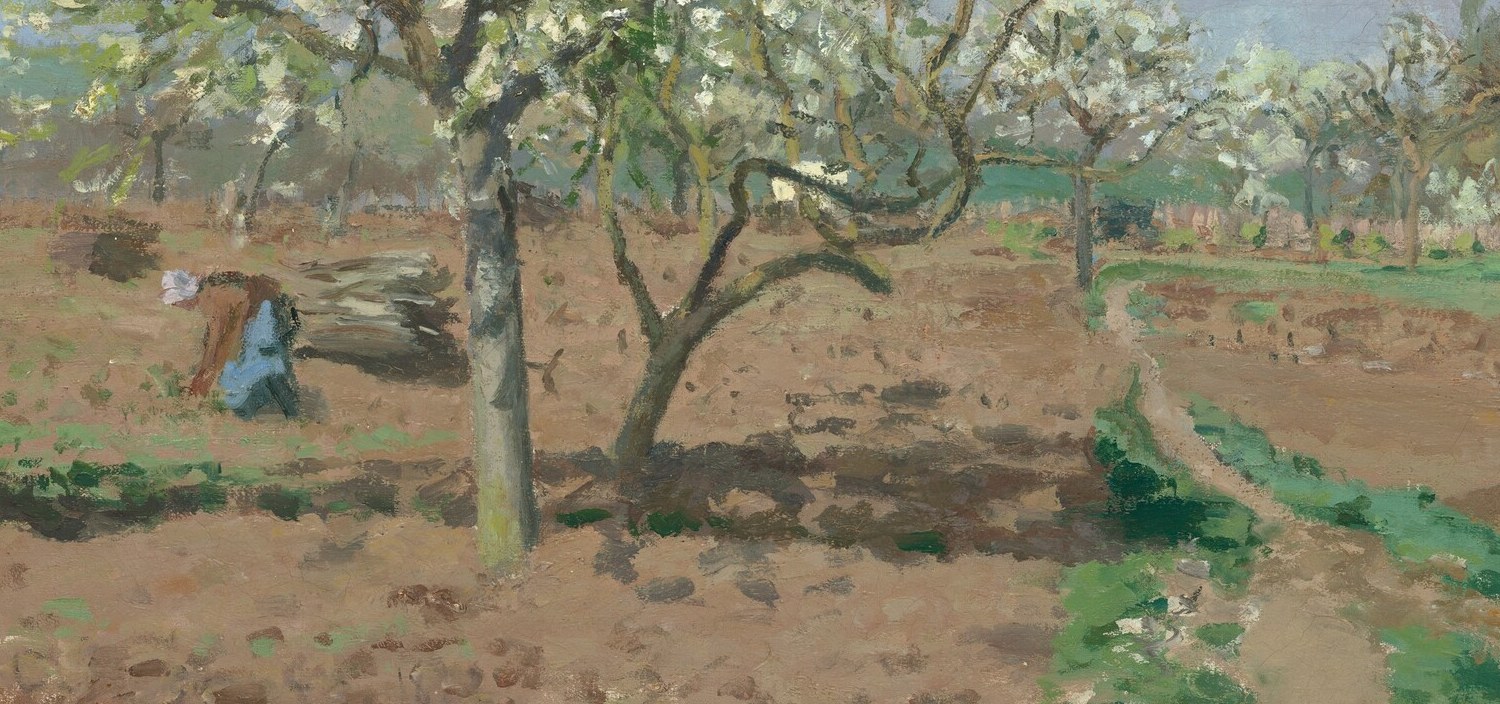
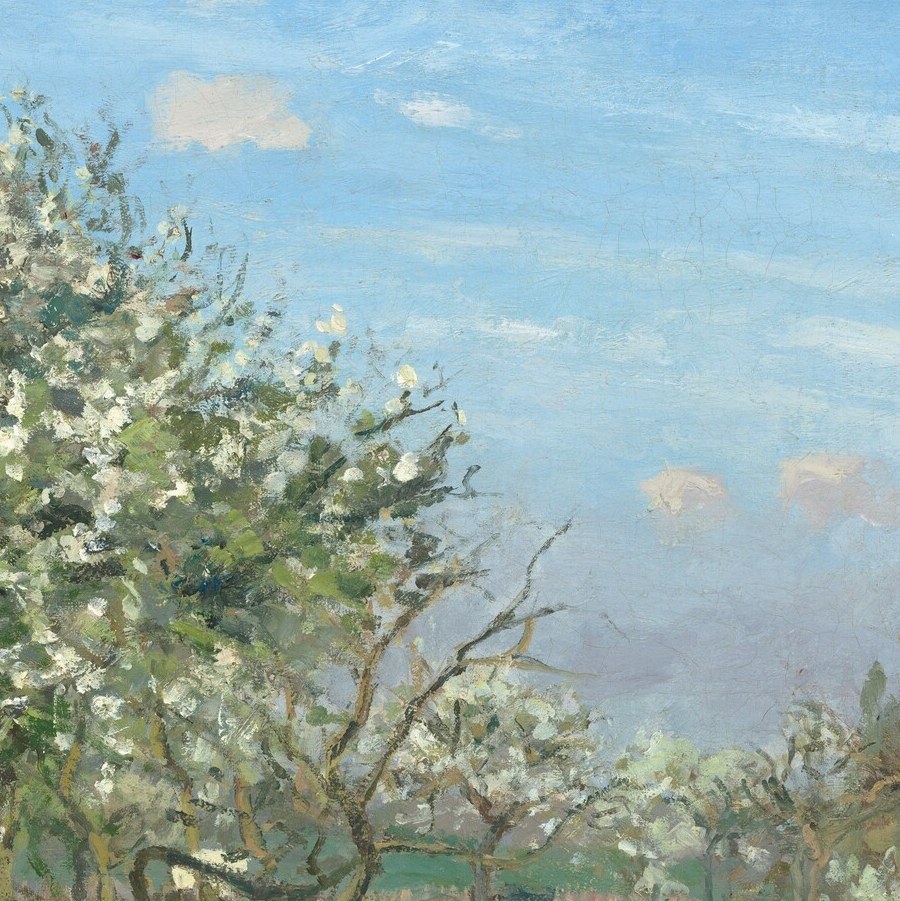
Camille Pissarro painted Orchard in Bloom, Louveciennes in 1872, and it hangs in the National Gallery of Art in Washington, D.C. It looks like a straightforward spring landscape, an orchard, white blossoms, a woman working among the trees. But the date is the real subject.
The Franco-Prussian War had ended the year before. Pissarro fled his home in Louveciennes ahead of the Prussian advance, leaving behind decades of work, paintings, studies, everything he had. When he returned, the house had been looted and his studio was gone. The occupying soldiers had taken his canvases and used them as floor mats in the muddy garden.
He borrowed a house nearby and started again. This painting is one of the first things he made after losing almost everything. The plowed reddish-brown earth, the careful tending of the orchard, it is all painted as if nothing happened. That restraint is its own kind of devastation.
Next time you see a pastoral landscape with a date around 1871 or 1872, look again. Sometimes peace on canvas was the opposite of peace in the room.
#arthistory #camillepissarro #impressionism
Details
Transcript
Spring, 1872. An orchard in full bloom west of Paris. White blossoms against a pale sky, a woman in blue bending low. Pissarro painted this from a borrowed house in Louveciennes. He had returned to find his own home ransacked and his studio destroyed. Prussian soldiers had used his canvases as floor mats in the mud. Years of work, trampled into the earth beneath this quiet orchard.