The Mourning Virgin; The Man of Sorrows by http://www.wikidata.org/.well-known/genid/28e0c537048566acc78d25bd1a272d3f
View the artwork: The Mourning Virgin; The Man of Sorrows →
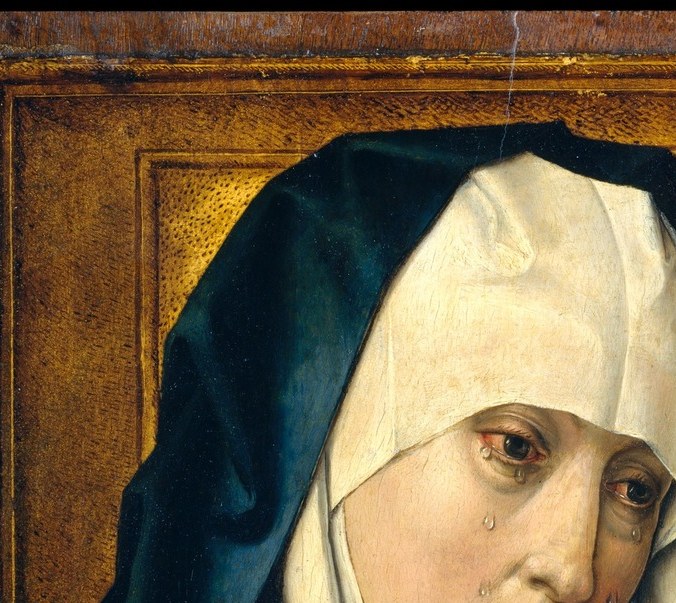
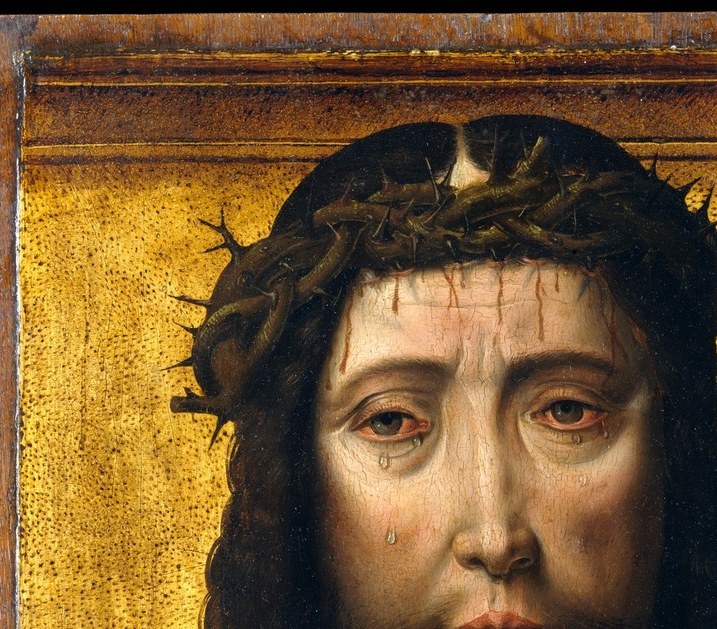
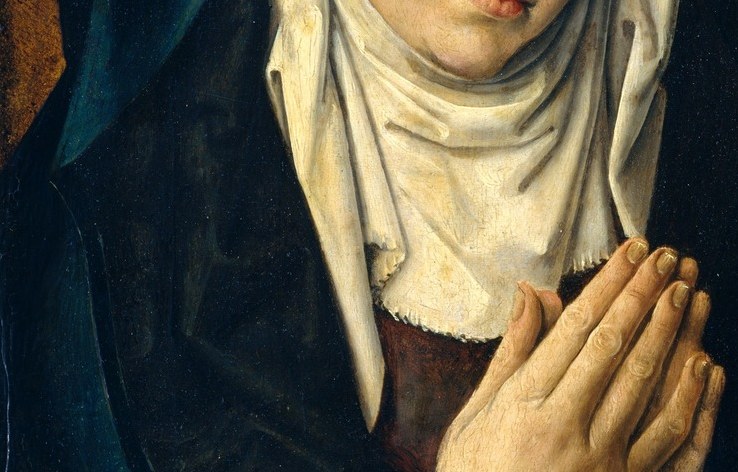
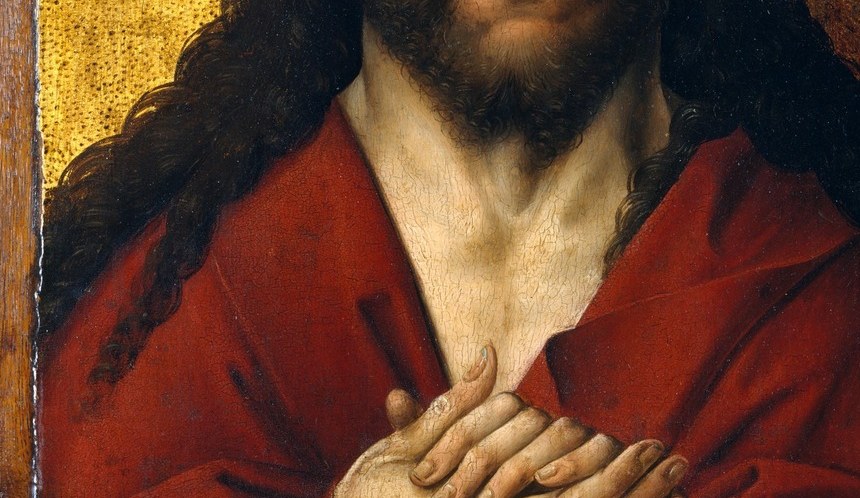
This is 'The Mourning Virgin; The Man of Sorrows', a small devotional diptych by an unknown master from around 1600. It surfaced in the art market and immediately baffled experts. The consensus for a while was that these weren't saints at all. People saw the red-rimmed eyes, the pale knuckles, and the claustrophobic composition, and concluded this must be a self-portrait of an artist losing his mind.
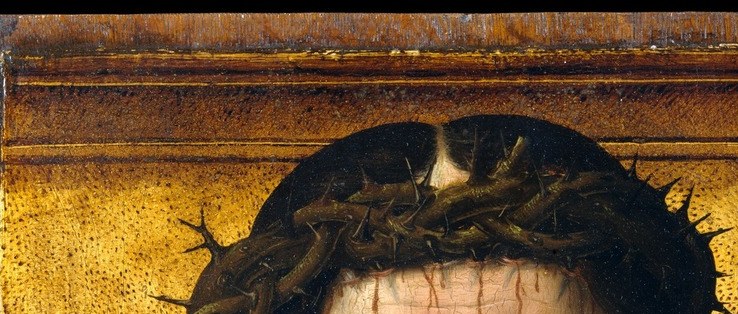
But look closer. The Virgin wears deep black-blue; Christ wears crimson. The gold backgrounds are flat and timeless, lifted straight from Byzantine icon convention. The tears are surgical. This isn't an expressionist meltdown. It's a rigidly formal object, a tool for prayer. The whole point is the symmetry of grief: the mother's anguish mirrors the son's suffering so a worshipper can move between them.
What happened next is a case study in projection. In the 20th century, we wanted tortured artists so badly that we mistook a standard Passion diptych for a cry for help. The unknown painter wasn't breaking down. They were a professional fulfilling a precise, demanding commission for a private act of devotion.
What do you see when you look at their faces now, knowing this was meant to be held in someone's hands, not hung on a wall?
#arthistory #religiousart #diptych
Details
Transcript
Two panels, painted to be held together like a book. On the left, a mother cries. On the right, her son wears a crown of thorns. Look at their hands. Now look at his. Symmetry was the whole argument. When this surfaced, scholars thought it was the artist himself, cracking apart. They misread a rigid 1600s devotional formula as a nervous breakdown.