Meadow with Cows by the Water by Willem Maris
View the artwork: Meadow with Cows by the Water →
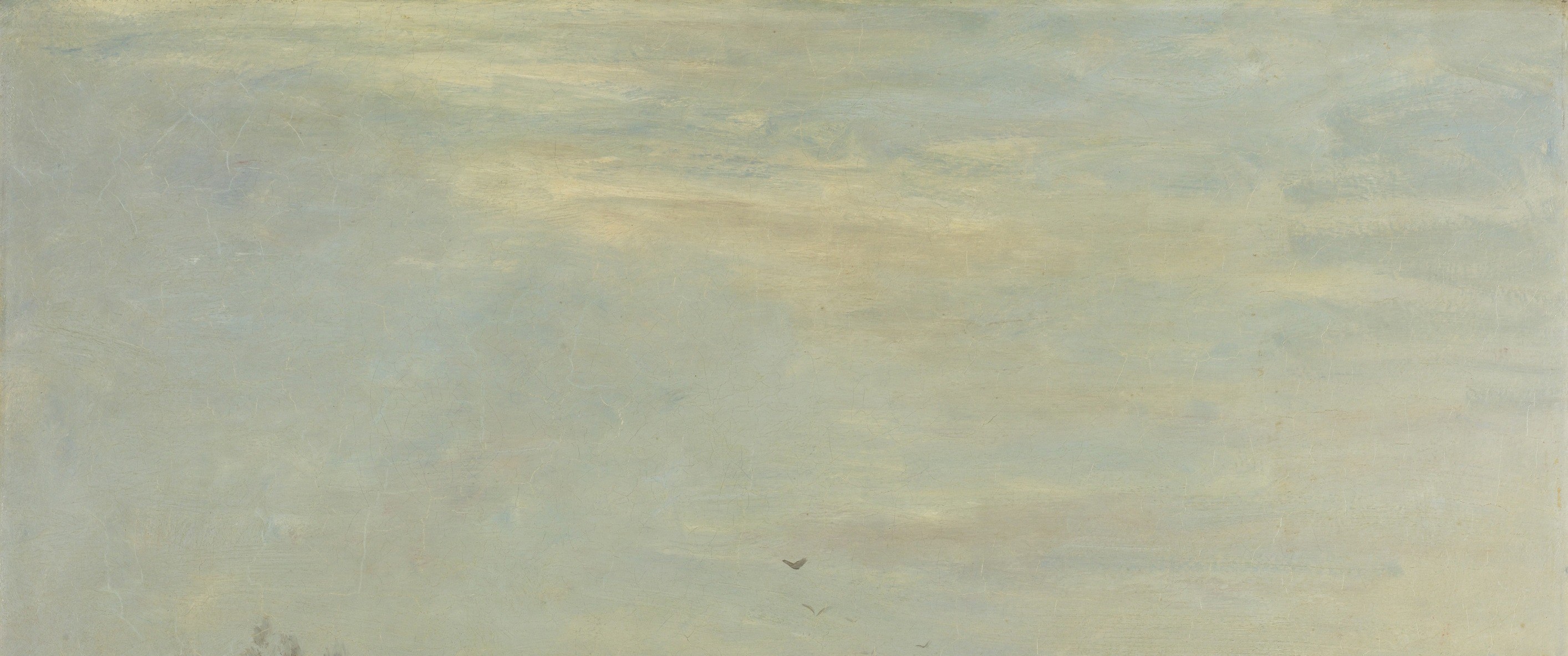
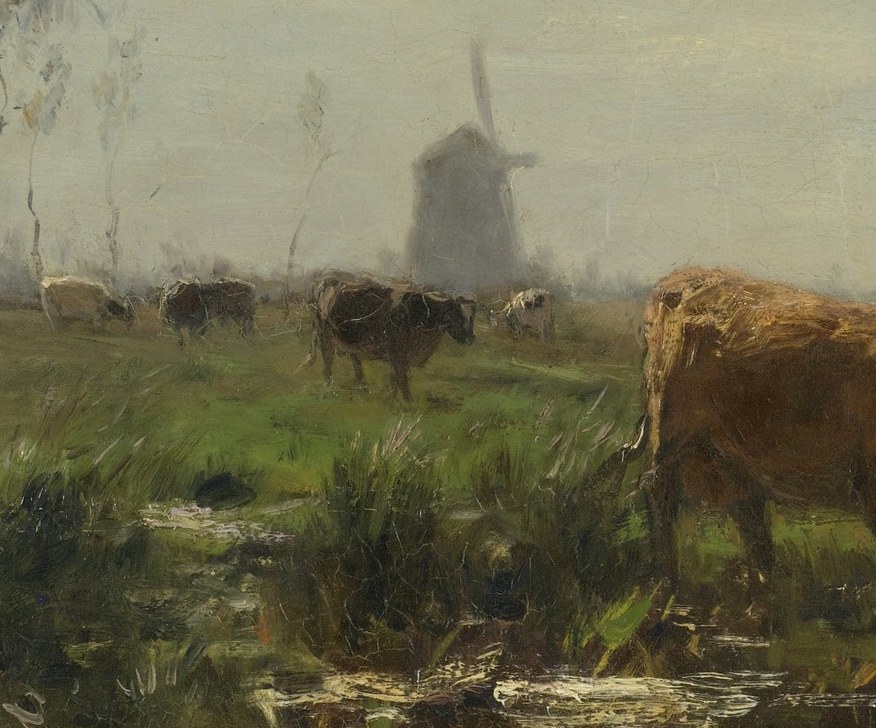
This is Willem Maris's 'Meadow with Cows by the Water,' painted in 1892 and now held at the Rijksmuseum in Amsterdam. It looks like the most peaceful painting in the world. It was also stolen by the Nazis.
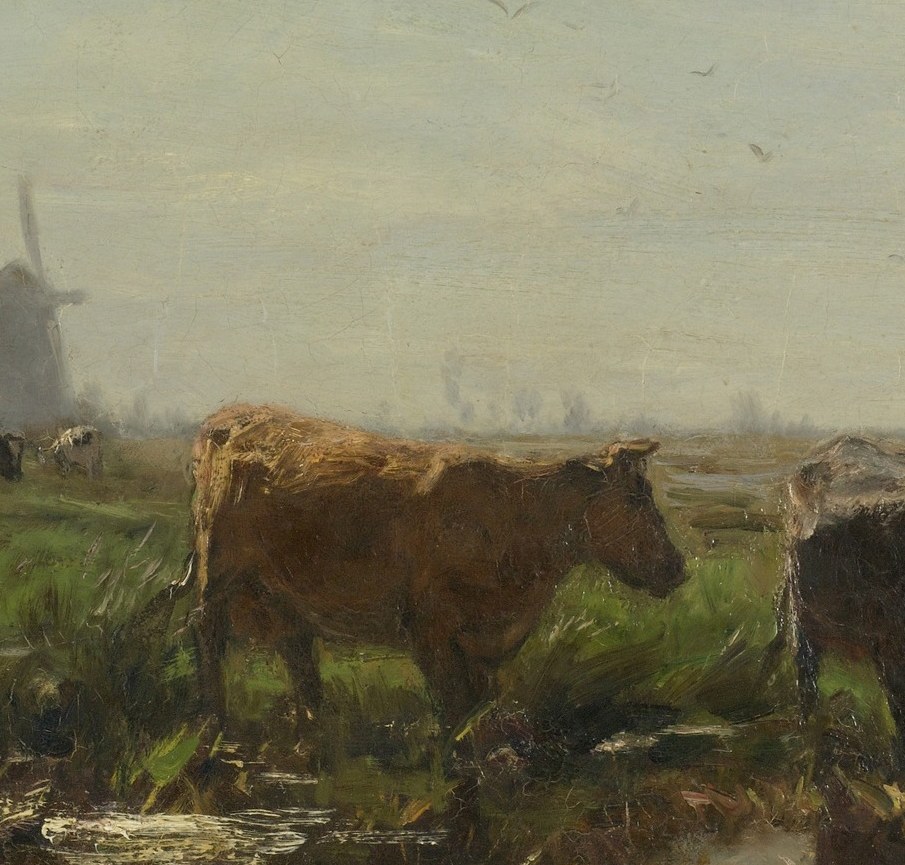
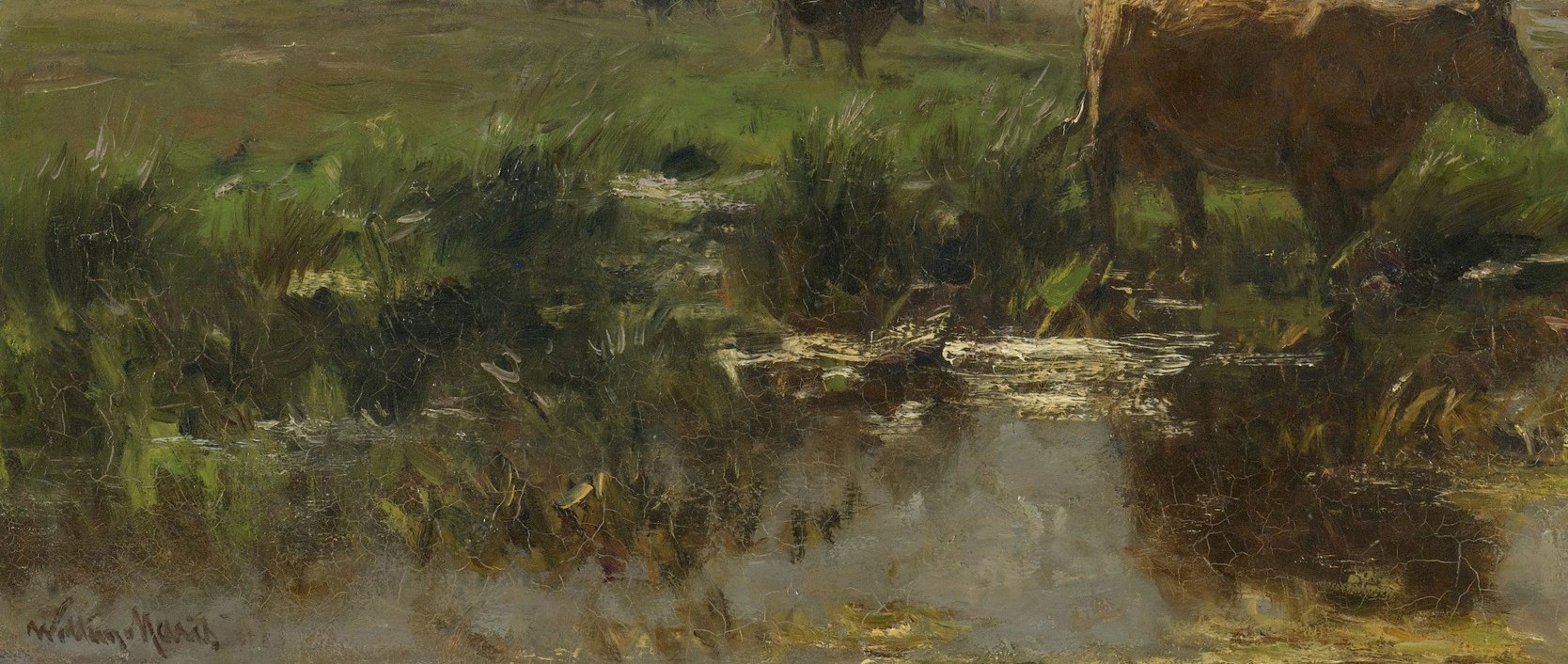
Maris was a master of the Hague School, known for painting the soft, diffuse light of the Dutch lowlands. Look at the reflection in the shallow pool at the foreground, the slight distortion in the water reveals just how thin and still it is. The central cow's flank shows his confident, abbreviated brushwork, suggesting the texture of hide and muscle without any fussy detail.
The painting spent its first five decades with a private owner. In 1942, it was seized by the Dienststelle Mühlmann, a Nazi organization tasked with acquiring art for Hitler's planned Führermuseum. It was catalogued among thousands of looted works.
After the war, Allied forces discovered the painting deep in a salt mine, where the Nazis had stored treasures to protect them from bombing. It was recovered and returned to the Netherlands in the great post-war restitution effort. The quiet meadow we see today survived a near miss with history's worst intentions.
When you look at the distant windmill, just visible on the left horizon, it's worth remembering: that little silhouette might have disappeared into the dark of a mine shaft forever.
#arthistory #dutchart #wwiihistory
Details
Transcript
This field has been quiet for over a century. Cows rest near a shallow pool. A windmill turns on the horizon. Willem Maris painted this Dutch polder in 1892. He sold it. It stayed with a private collector for 50 years. Then, in 1942, a Nazi art-looting unit seized it. After the war, the Allies found it hidden in a salt mine. The calm you see is the calm it almost lost forever.