Portrait of Sebastián Martínez y Pérez by Francisco Goya
View the artwork: Portrait of Sebastián Martínez y Pérez →
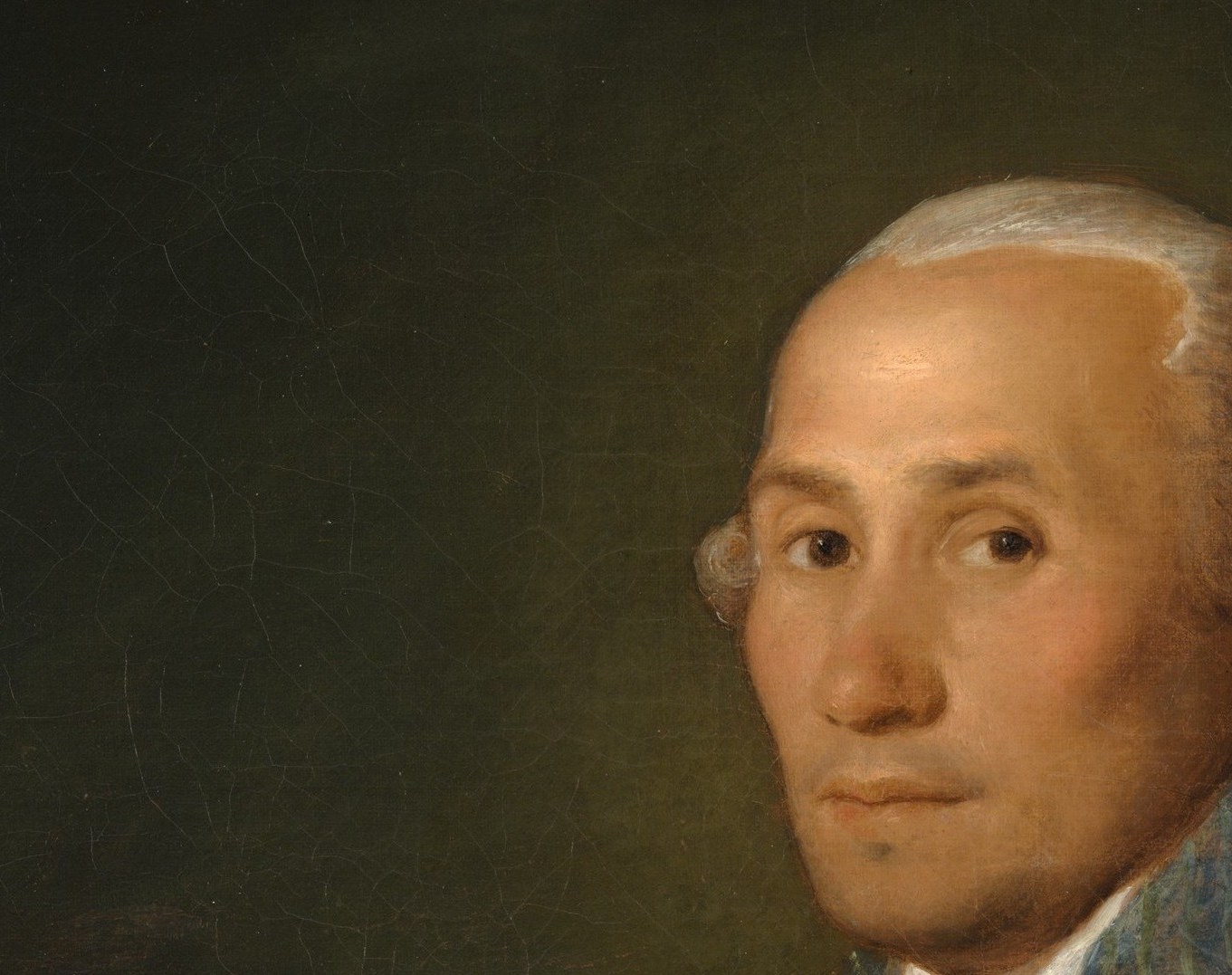
This is Francisco Goya's 'Portrait of Sebastián Martínez y Pérez,' painted in 1792 and now held at the Metropolitan Museum of Art. It marks the exact pivot point between the career of a successful court painter and the isolated genius who would later create the Black Paintings.
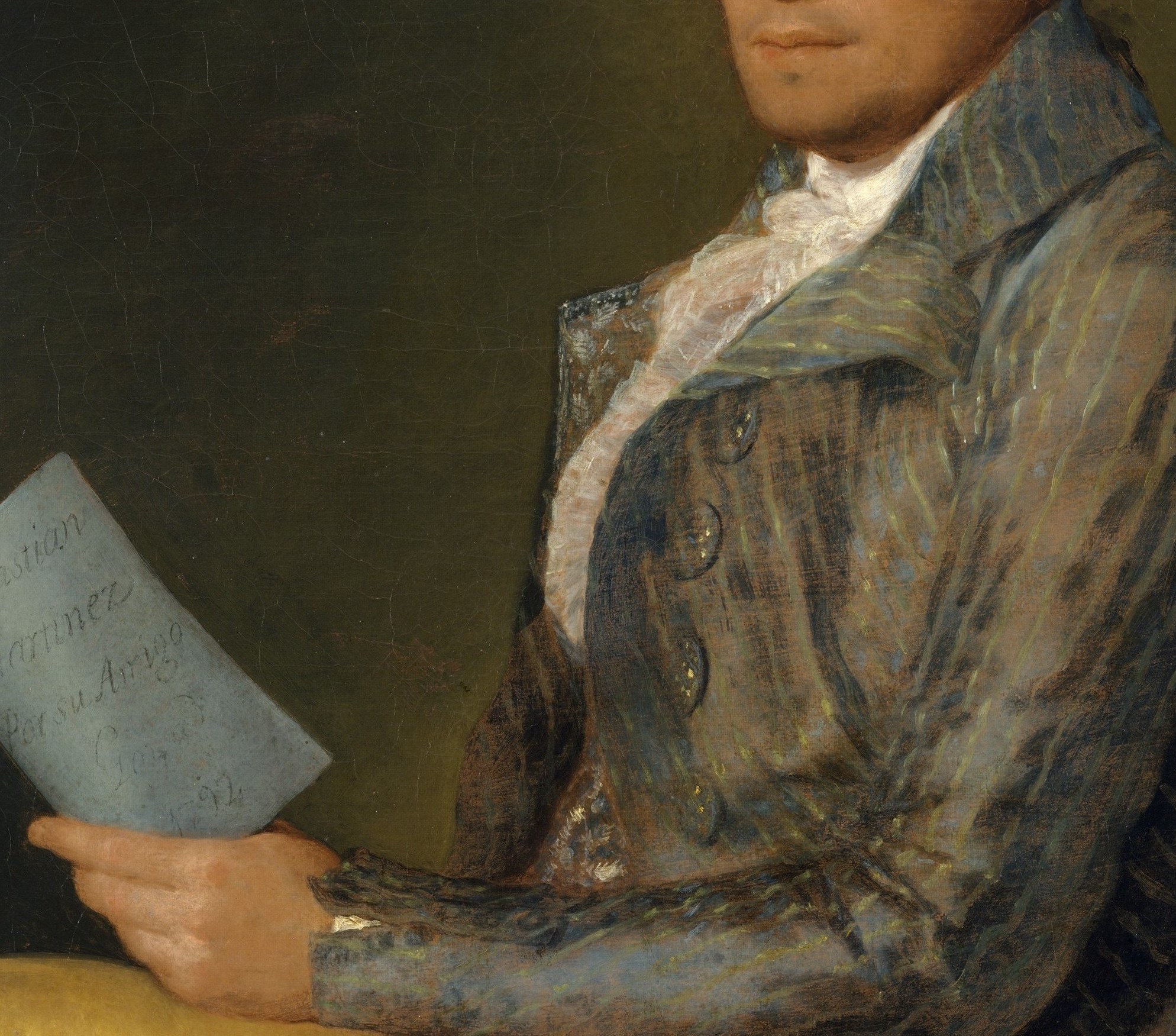
Look first at Martínez's face. Goya grants his friend a remarkable psychological presence: alert, slightly guarded, wholly intelligent. Then look down at the letter in his hand. It is the key to the painting's story. Martínez was not a royal commissioning a status symbol; he was a merchant and arts patron who had just spent months nursing Goya back from a severe, undiagnosed illness that left the artist permanently deaf.
This portrait was painted in Cádiz, in Martínez's own home, during Goya's convalescence in 1792-93. The illness remains a medical mystery, but the consequences are visible in every brushstroke Goya applied afterward. The bright Rococo tapestry cartoons stopped. A darker, more penetrating vision took their place. The man in this picture, by protecting his friend, inadvertently reshaped the history of Spanish art.
When you look at the deep green background consuming the figure, you are seeing the edge of the silence that descended on Goya here. What sounds do you imagine he missed most?
#arthistory #goya #portraiture
Details

Transcript
Sebastián Martínez was a wealthy merchant in Cádiz. In 1792, his friend the painter fell gravely ill. Martínez took him into his home for months. The illness left the painter completely deaf. This portrait was his thank-you. Goya painted his friend. Look at the letter: Martínez was his patron, not his subject. Goya's world went silent here. His art changed forever.