Still Life with Lobster and Fruit by Abraham van Beijeren

This is Still Life with Lobster and Fruit, painted by Abraham van Beijeren around 1651. For nearly two centuries after his death in 1690, his work was largely forgotten, misattributed, undervalued, or tucked away. Today he is considered one of the great Dutch still-life painters, and this canvas is a quiet record of that reversal.

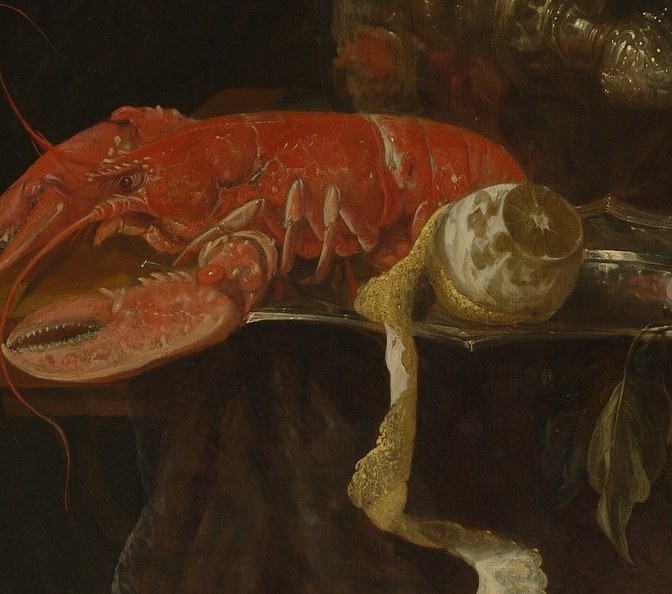
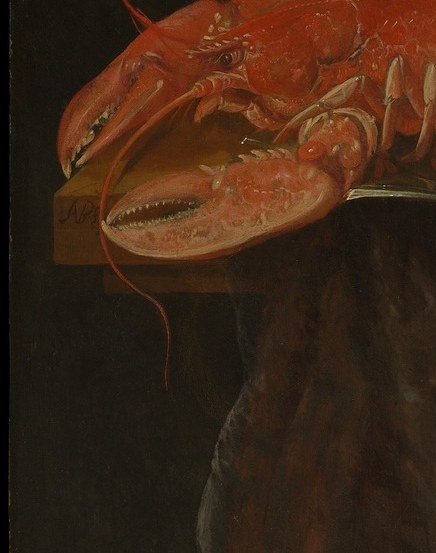
The lobster dominates the frame. It is not a generic food item, van Beijeren painted each segment of the shell with distinct, loaded brushstrokes. Follow the left claw: it extends forward, breaking the picture plane, as if the animal is offering itself to the viewer. The spiraling lemon peel, the half-opened oyster, and the silver tazza all reward the same slow looking.

Van Beijeren began his career as a marine painter in The Hague. He turned to still life, particularly the pronkstilleven, or sumptuous display piece, later in life, likely because the market demanded it. Yet he never saw real recognition. His rediscovery came only in the 20th century, when scholars began untangling his oeuvre from those of more famous contemporaries.

A painting that once hid in the shadows now hangs in museum light. What does it mean to make work that waits two hundred years for its audience?

#arthistory #dutchstilllife #abrahamvanbeijeren

Details
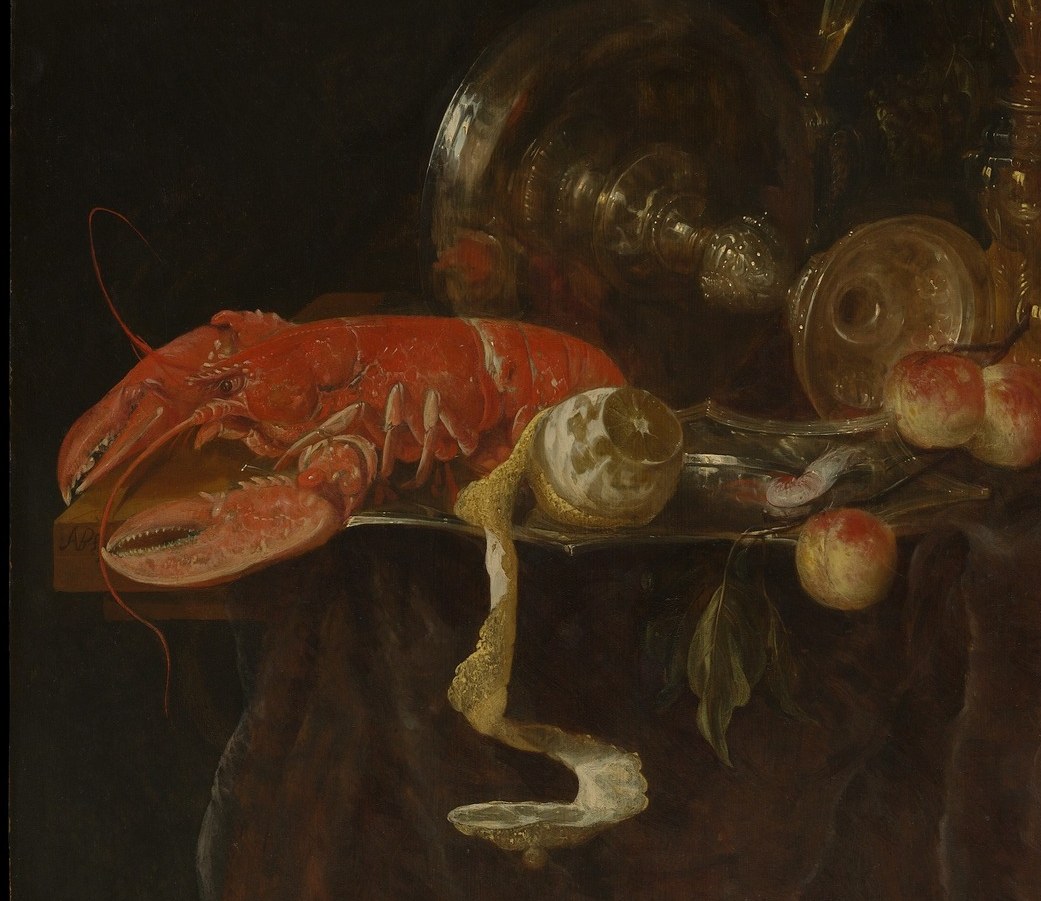
The scarlet carapace is the compositional anchor; its vivid hue against near-black background is the first thing every eye lands on, and its texture , segmented shell, forked tail , is a tour-de-force of impasto.
The iridescent, wet interior of the oyster demands close reading; oysters in Dutch still life carry dual meaning (luxury seafood and erotic allusion), and the painter exploits the nacreous reflections with bravura brushwork.
The extended claw points outward toward the viewer , an almost theatrical gesture that breaks the picture plane and invites physical proximity; its stippled surface shows the individual chitin plates in exceptional detail.
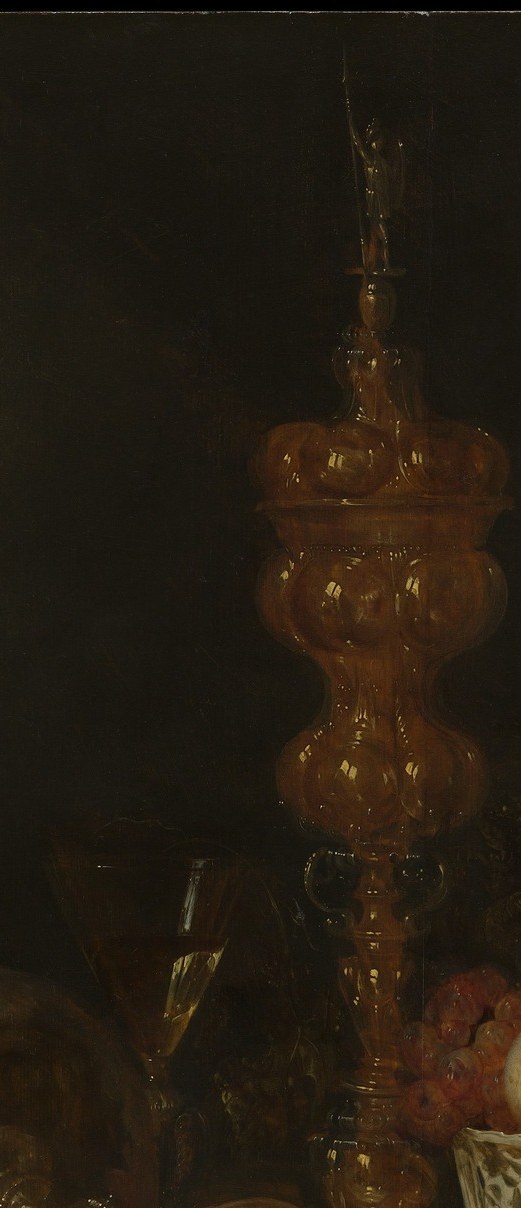
A soaring gold-toned vessel dominates the vertical axis; its hammered and chased surface is a showcase of reflected light and the wealth it represents , probably a silver-gilt or Venetian-style object.
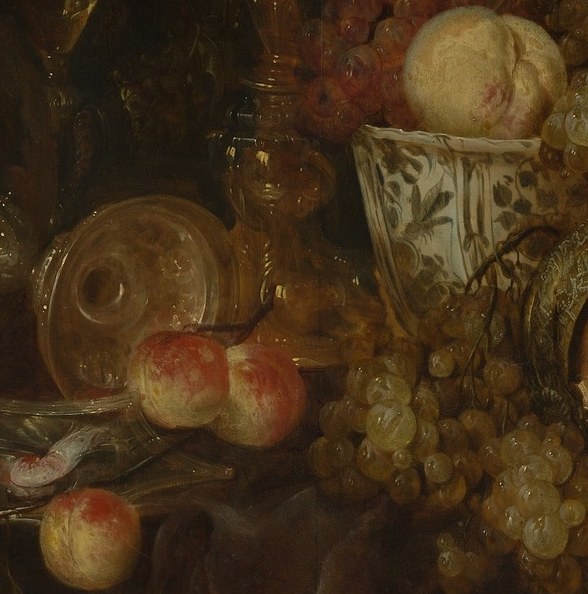
Chinese export ware imported via the VOC appears in countless Dutch still lifes as a direct symbol of global trade wealth; the cobalt blue pattern is legible even in shadow and encodes the era's mercantile pride.
Transcript

For two centuries, this painting was lost. Abraham van Beijeren died in 1690, nearly unknown. His work sat unrecognized until the 20th century. Now look at this claw. It reaches straight toward you. Each plate of the shell is a separate stroke of paint. He was building a reputation that took 250 years to arrive.