The Choir of the Capuchin Church in Rome by François Marius Granet
View the artwork: The Choir of the Capuchin Church in Rome →
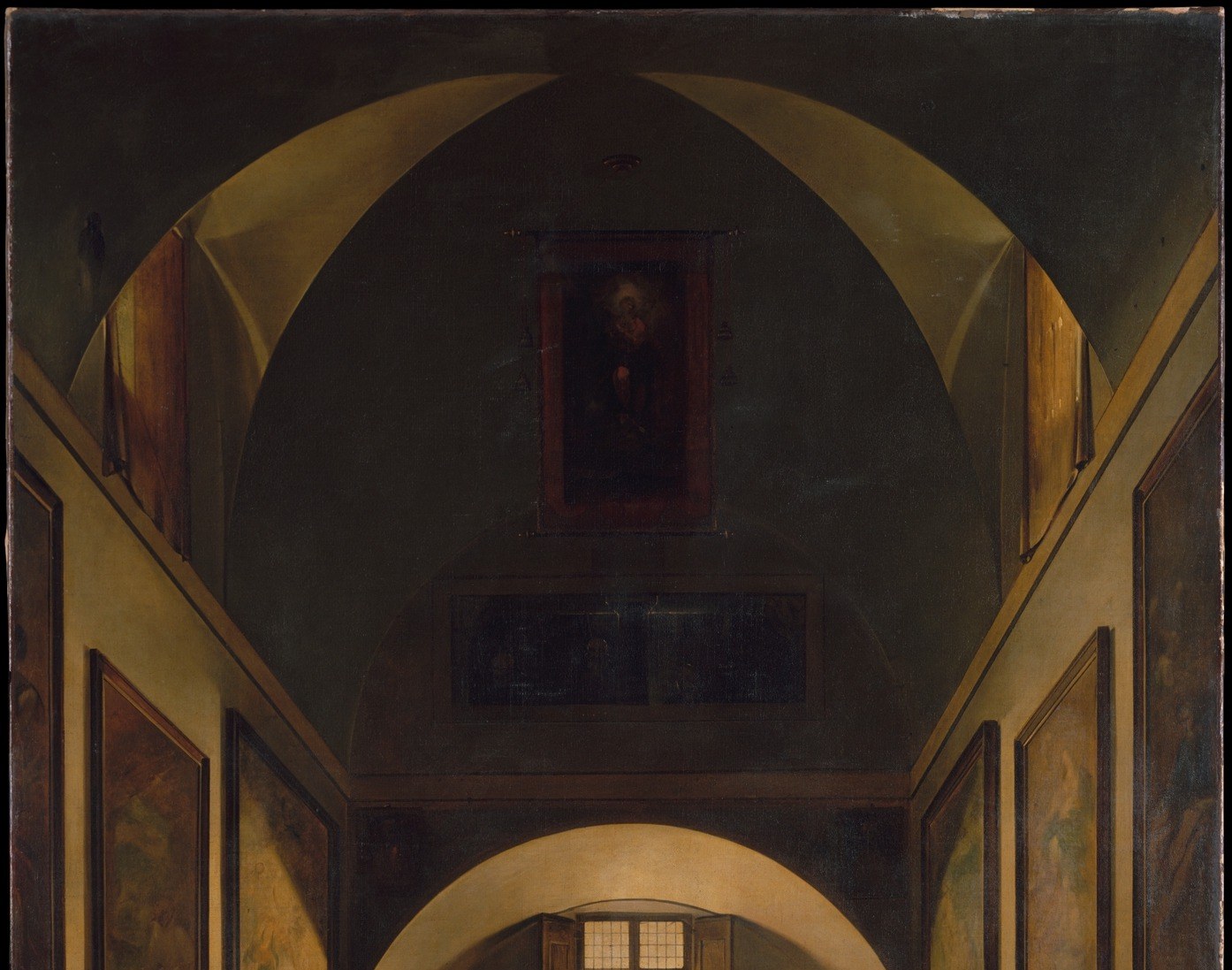
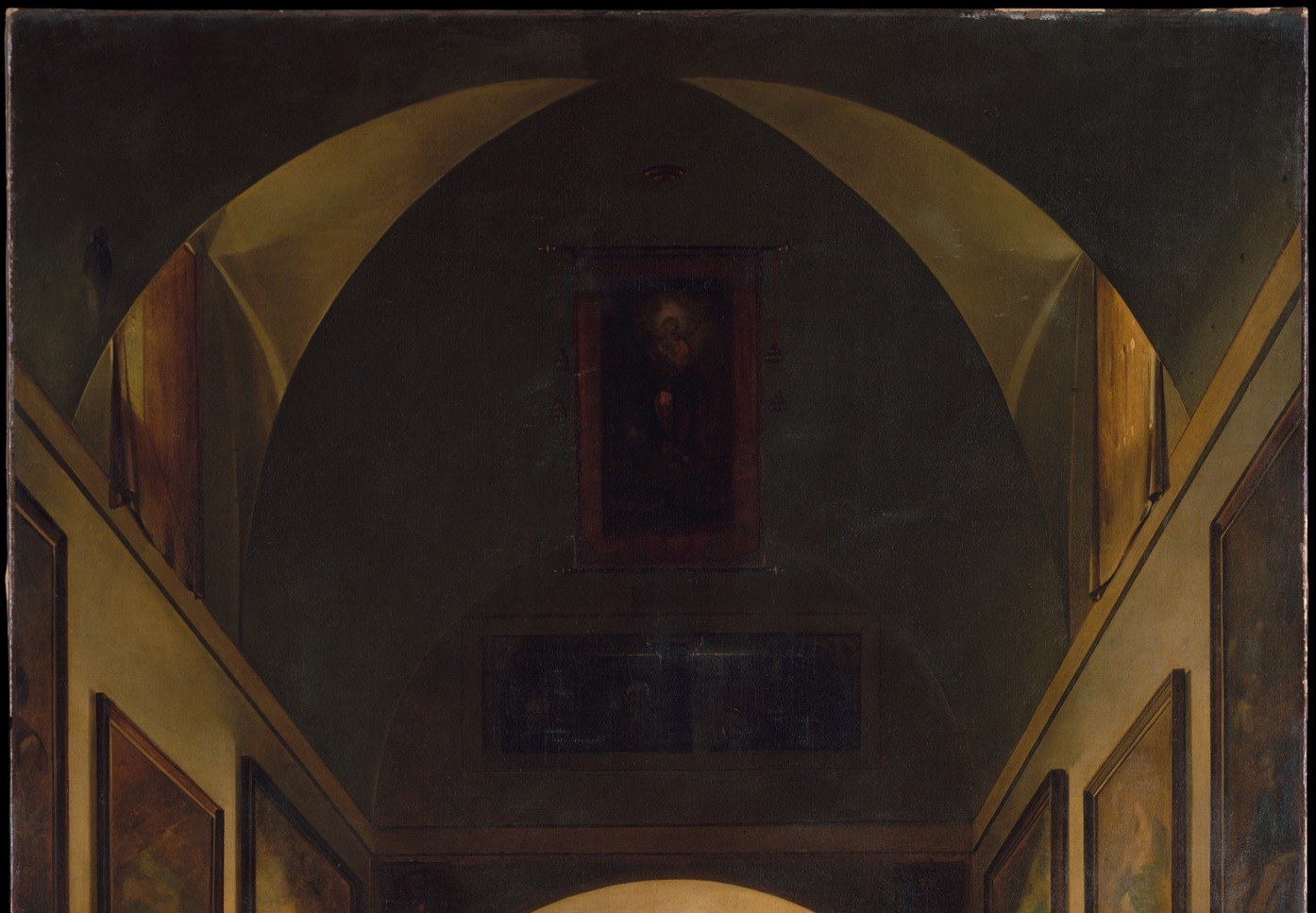
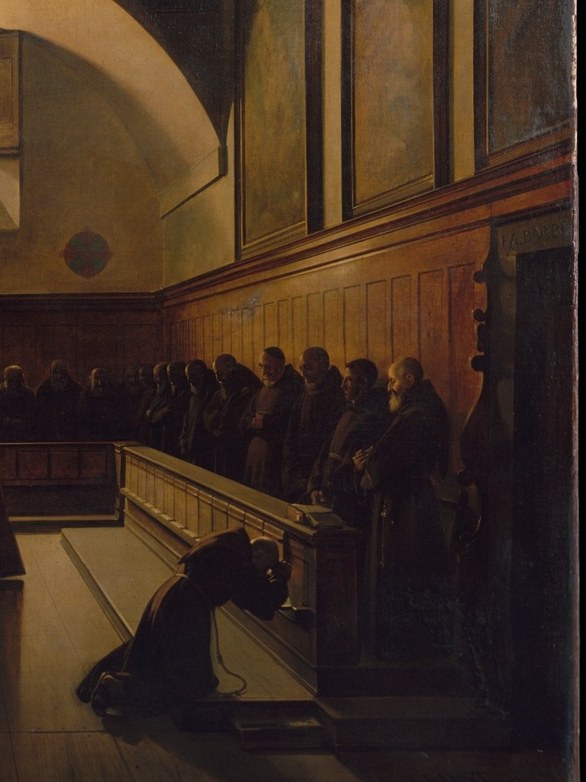
This is François Marius Granet's The Choir of the Capuchin Church in Rome, painted in 1814. It shows the interior of Santa Maria della Concezione, the Capuchin church built for an order that practiced a radical vow of poverty. Granet, a French painter who spent his most productive years in Rome, turned away from the grand history painting of his teacher and toward these silent, unpeopled architectural spaces.
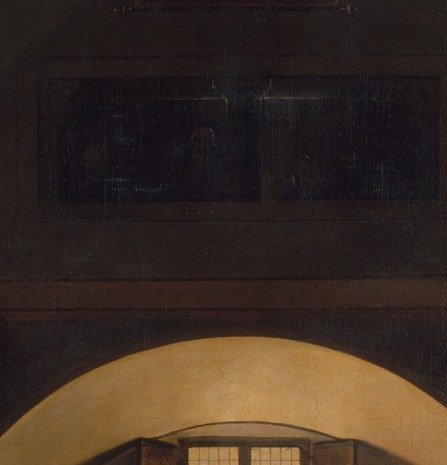
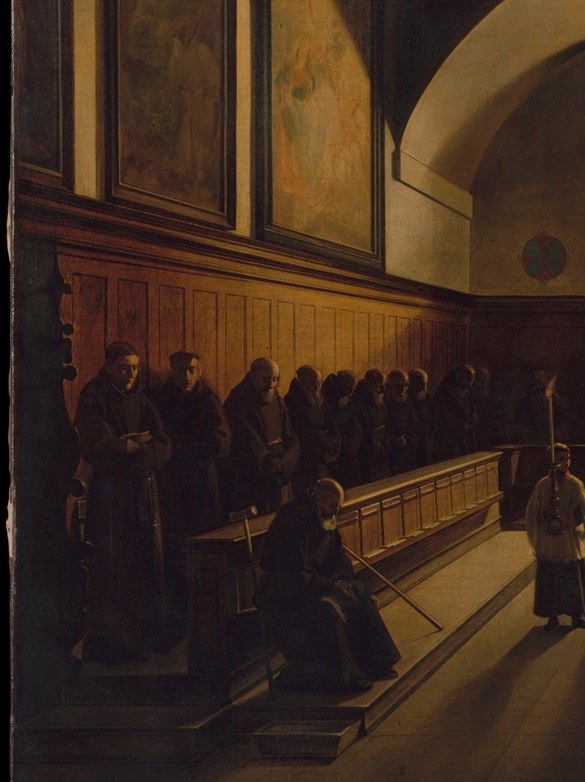
Look at the single window above the altar. It is the only light source in the entire composition. Granet lets its pale glow wash down the ochre walls and bounce off the bare stone floor, while the faces of the friars remain swallowed in shadow. The one standing figure, a reader at the central lectern, is the lone movement in the room. Everyone else bows.
Granet was an intense observer of monastic life. He was known to sit for hours in Roman churches and cloisters, sketching the fall of light across plain plaster and rough wood. This painting took that obsession and turned it into a near-abstract study of humility: no gilding, no marble, no heroic gestures. Only the architecture of devotion and the quiet community it holds.
The Capuchins believed that stripping the world away made room for the sacred. Granet seems to have believed the same about painting.
#arthistory #francoisgranet #19thcenturyart
Details
Transcript
They have chosen the dark. In 1814, the Capuchin order still practiced a vow of radical poverty. No gold. No marble. Only bare wood and plaster. The painter, Granet, spent years in Rome studying the life of quiet interiors. He makes the floor a pathway into silence. One man stands. A reader, offering the only movement. Every face is hidden or bowed. Piety without performance. And the single window does what a sermon cannot.