Madonna and Child with Angels by Bernardino da Genoa
View the artwork: Madonna and Child with Angels →
This is Bernardino da Genoa's "Madonna and Child with Angels," painted around 1515. It is a quiet encyclopedia of devotional symbols, each object carrying a theological weight that a Renaissance viewer would have recognized instantly.
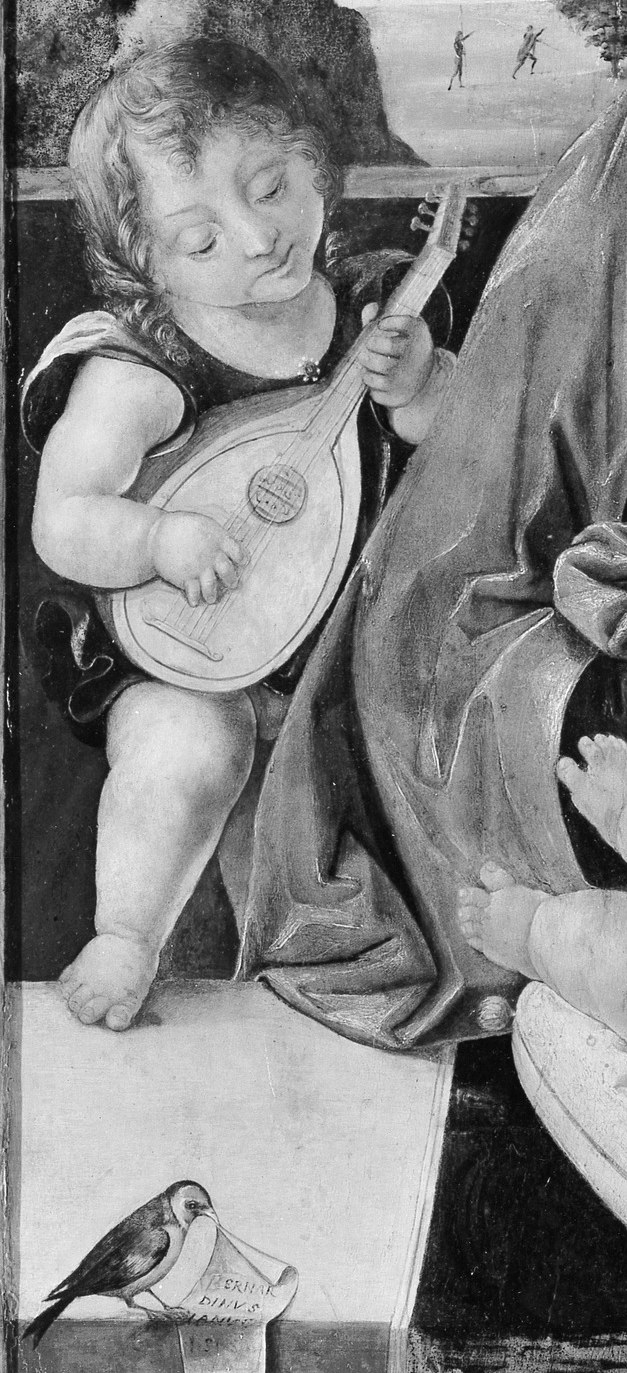
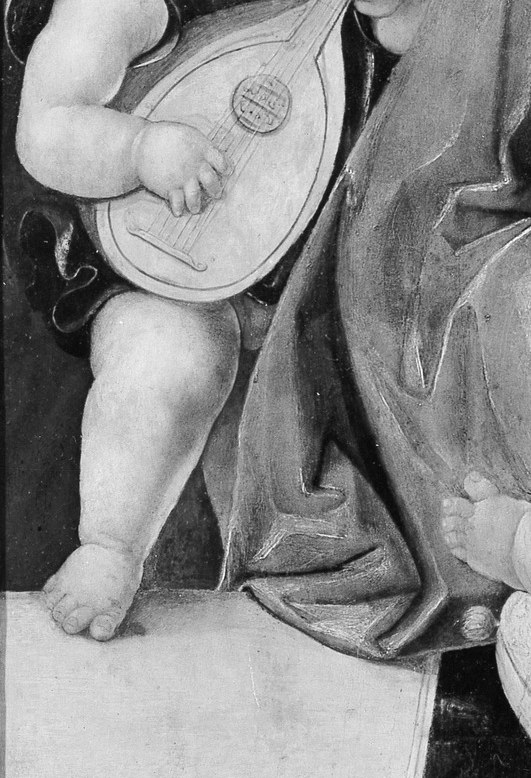
Look first at the lute. Music in a sacred scene is never casual; it represents the harmony of heaven, the perfected sound of salvation. Now find the bow held by the angel on the right. It lacks a stringed partner, which suggests it may be a repurposed attribute of Cupid, drawing profane love into a sacred context. In the lower-left corner, an owl hides in the shadow. For a Renaissance mind, an owl could mean wisdom or the melancholy of solitude, but here, under Mary's feet, it signals darkness conquered.
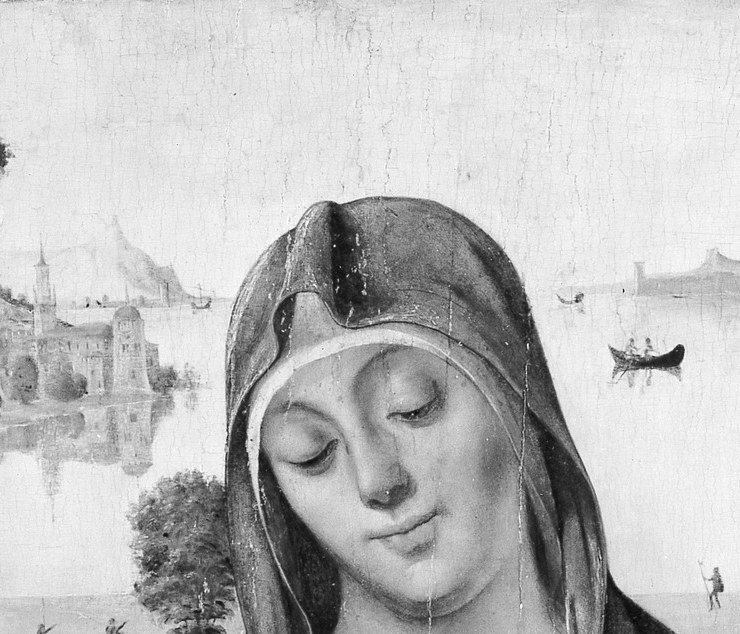
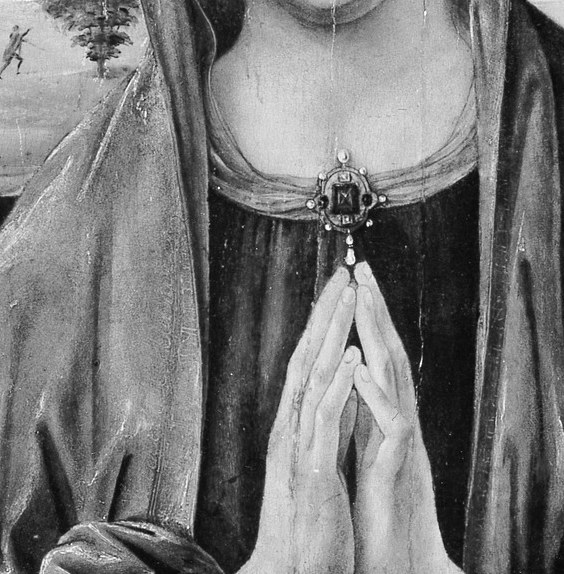
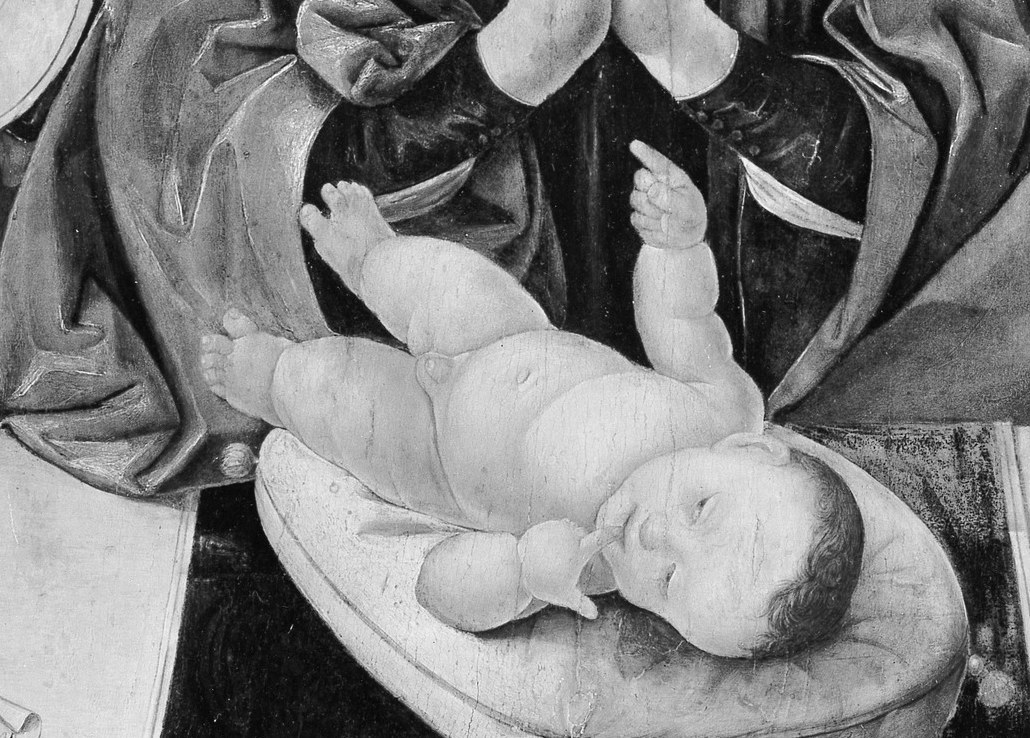
Bernardino da Genoa was part of the fertile Ligurian school, and you can see the influence of Northern European painting in the Arcadian trees and the tiny ship on the distant water, a nod to Genoa's maritime power. Every mark of luxury, from the brooch at Mary's neck to the embroidered cushion beneath the child, brings this holy scene into the domestic world of an aristocratic patron.
What at first looks like a simple Madonna is actually a theologically precise machine. Every object does a job: the clasped hands beg for mercy, the sleeping child foreshadows sacrifice, and the instruments play a silence that means peace. What object here holds your eye the longest?
#arthistory #renaissanceart #italianpainting
Details
Transcript
The music here is not just decoration. A lute in sacred art represents celestial harmony. The bow has no instrument. Is it Cupid's, repurposed? In the shadows, a small owl. Wisdom, or melancholy conquered. Her hands. The central symbol of intercession. A sleeping child who prefigures the Pietà. Every object makes her a bridge between heaven and us.