Madame Augustine Roulin with Baby by Vincent van Gogh
View the artwork: Madame Augustine Roulin with Baby →
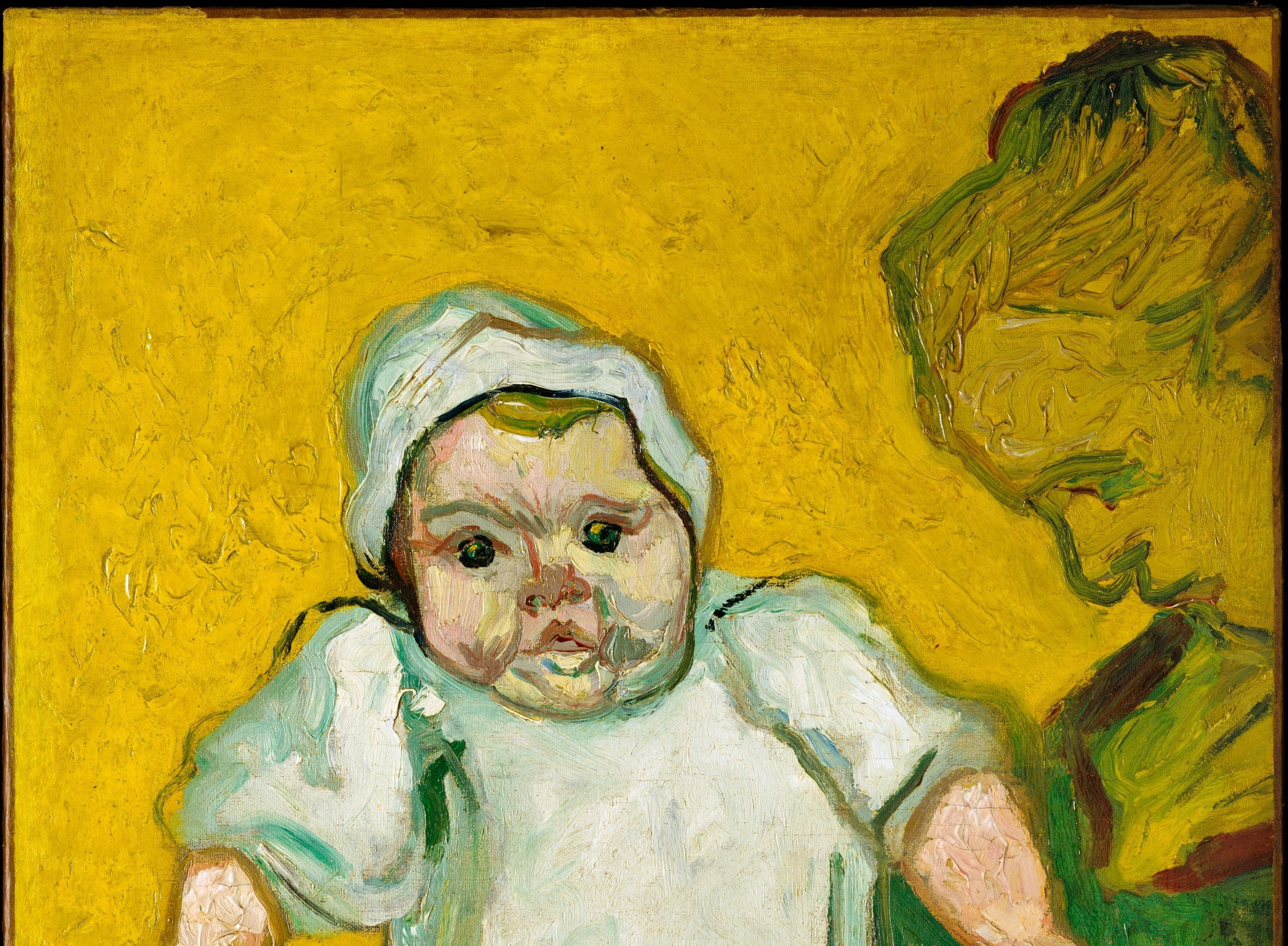
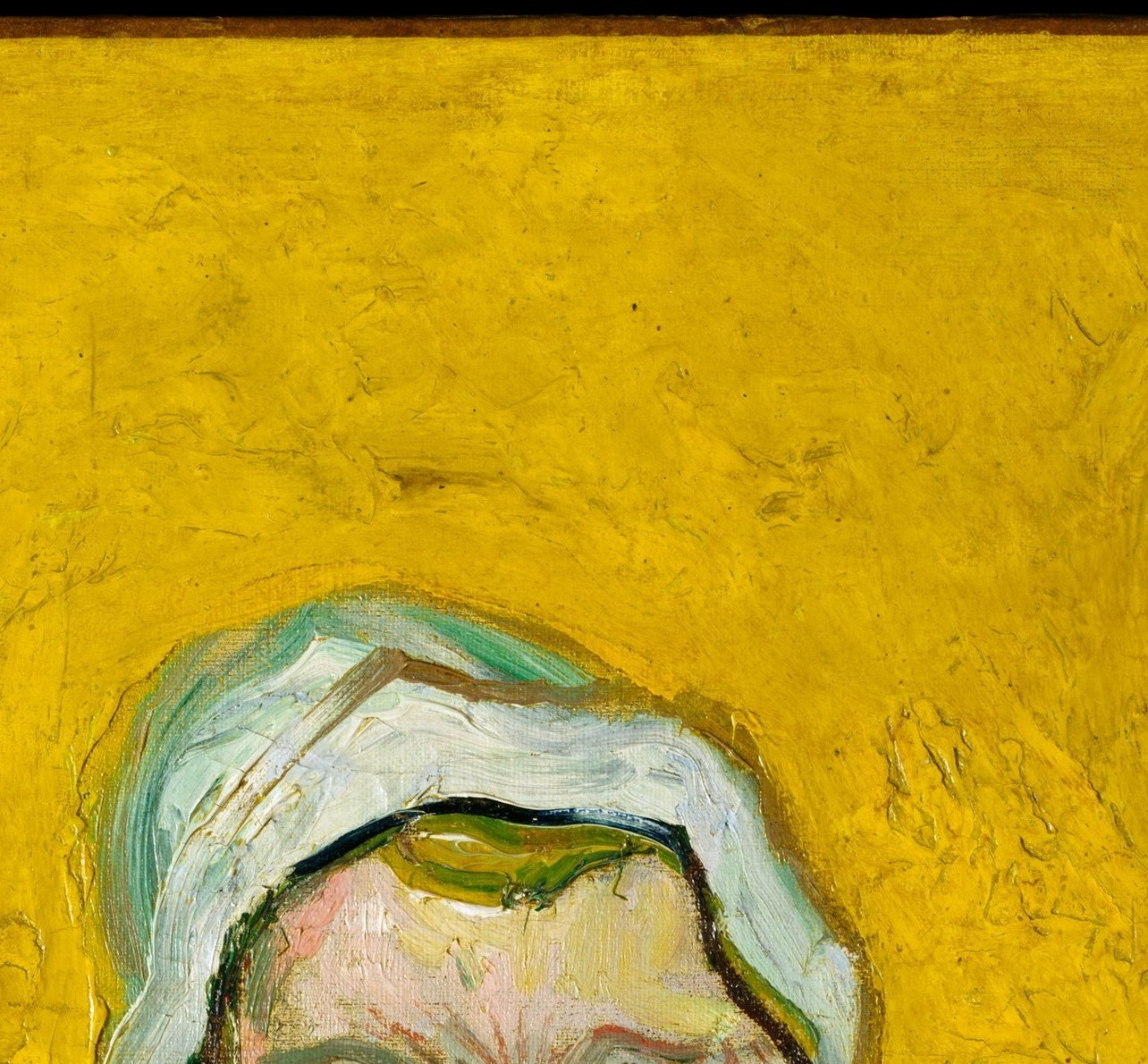
Vincent van Gogh painted 'Madame Augustine Roulin with Baby' in 1888, and it hangs today at the Metropolitan Museum of Art. The painting depicts Augustine Roulin holding her infant daughter Marcelle. But the most remarkable thing about it is the ledger. No money changed hands.
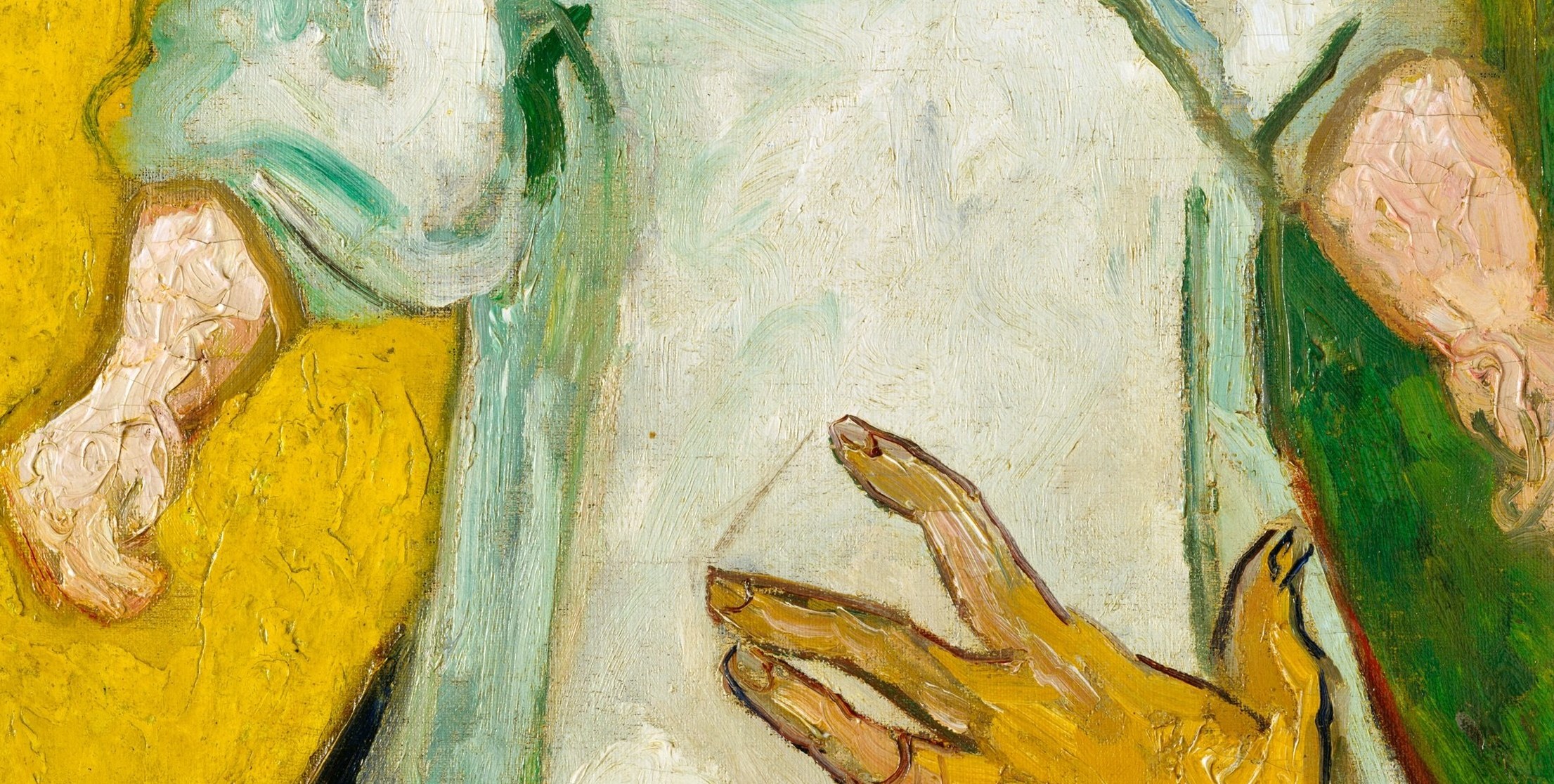
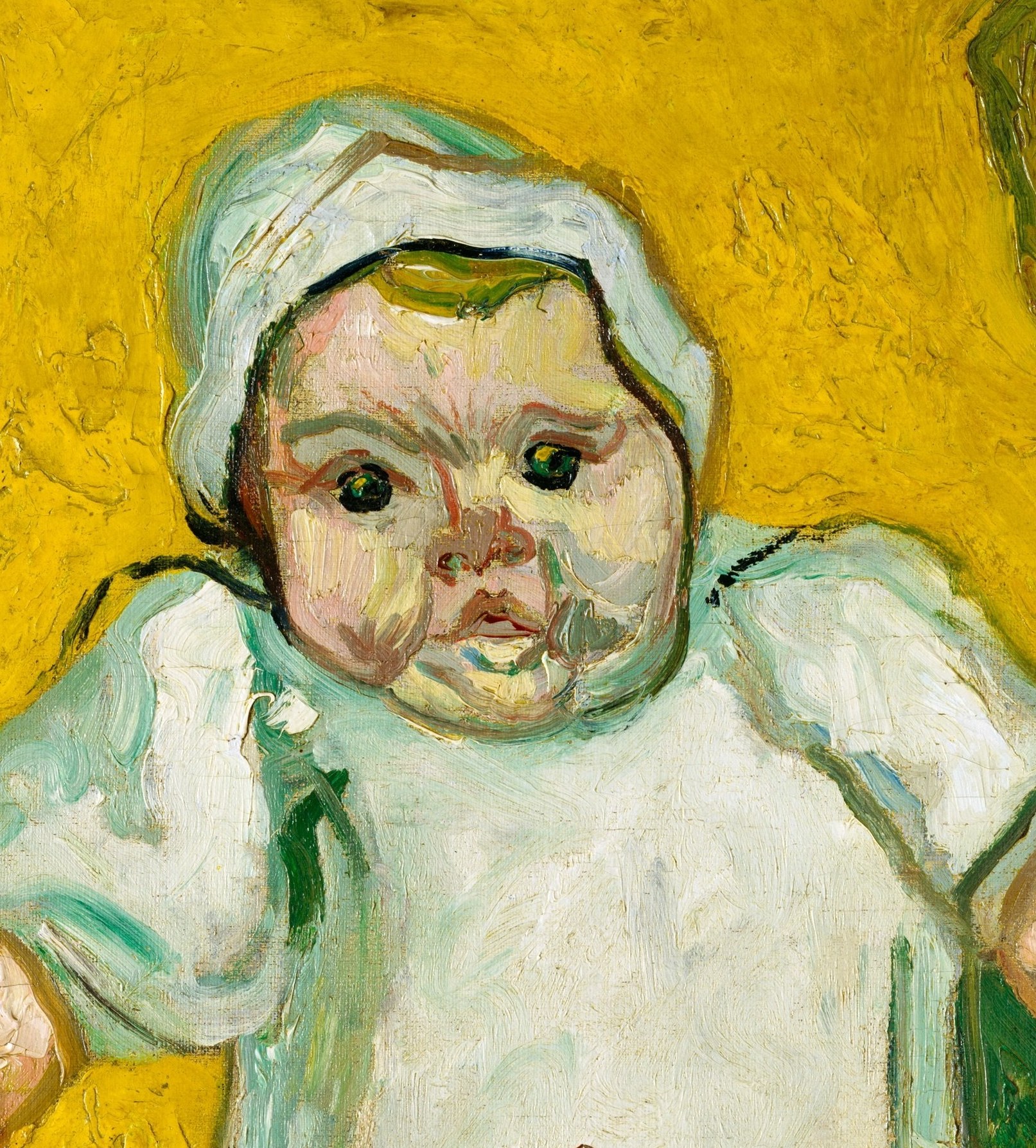
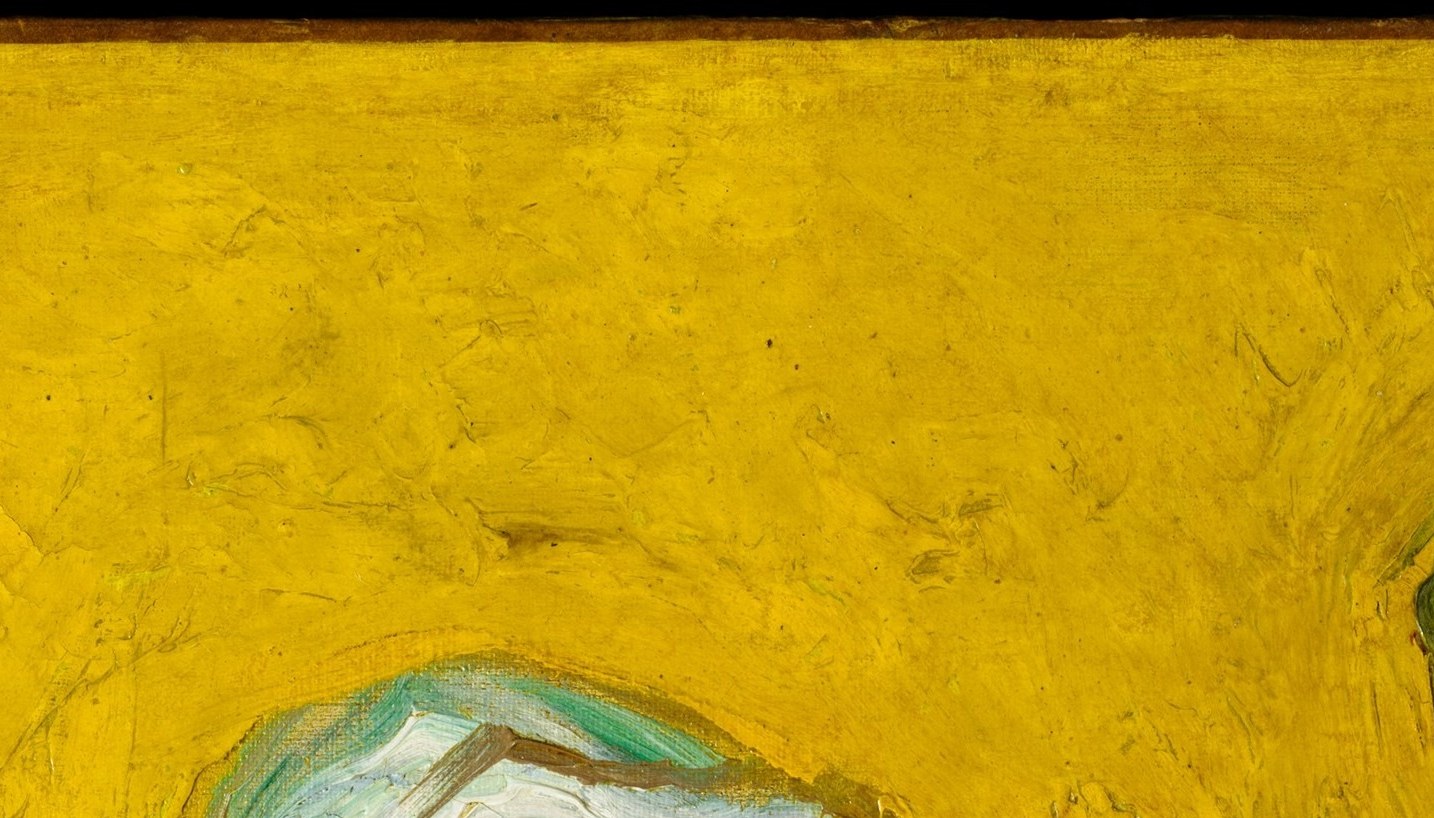
Look at the mother's hands. Van Gogh deliberately painted them oversized and unrefined, the thick fingers wrapped around the luminous white gown of the baby. Her face is partially cropped out of frame, subordinated entirely to her role. The infant, by contrast, faces us directly with wide, unblinking eyes.
The Roulin family became Van Gogh's anchor in Arles. Joseph Roulin, the local postman, befriended the artist and sat for multiple portraits. Then Van Gogh painted Augustine, and the children. For a man who struggled to maintain human connection, the Roulins offered something more valuable than a commission: steady companionship and hot meals.
This painting required no patron, no church, no dealer. It was an exchange between people who saw each other. What would it cost to live in a world where that was enough?
#arthistory #vangogh #postimpressionism
Details
Transcript
This is not a commissioned portrait. Van Gogh didn't have patrons. He had a postman. Joseph Roulin sat for him. Then his wife. Then their baby. The family paid him in meals and company. Look at her hands. He paints them huge, working-class, unsoftened. Not a Madonna. A postman's wife, painted with the same thick urgency as a sunflower. The infant Marcelle looks straight at you. In 1888, this was his currency. Not money. Presence.