The Adoration of the Magi by http://www.wikidata.org/.well-known/genid/4c8c5ccf03d32070832712ee9ea40ca5
View the artwork: The Adoration of the Magi →
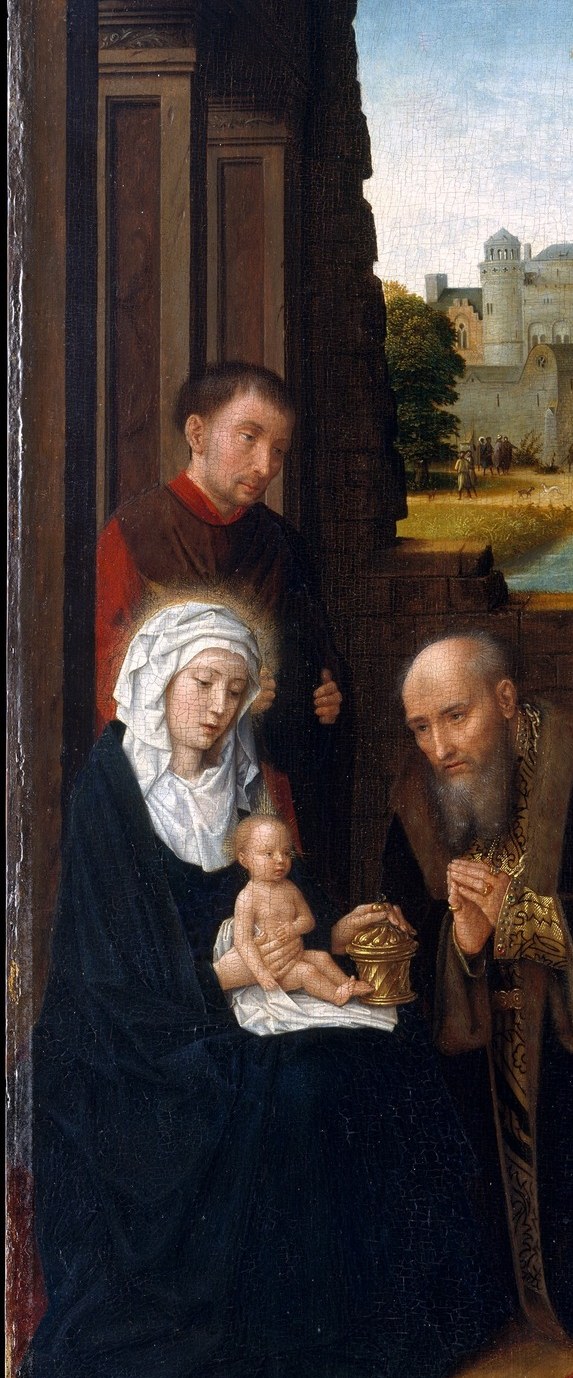
The Adoration of the Magi by Italian Renaissance painter Defendente Ferrari, painted around 1520, carries a physical scar from its own true-crime story. It hangs in a small church in Lombardy, but for a year in the mid-1970s, a crucial piece of it was missing.
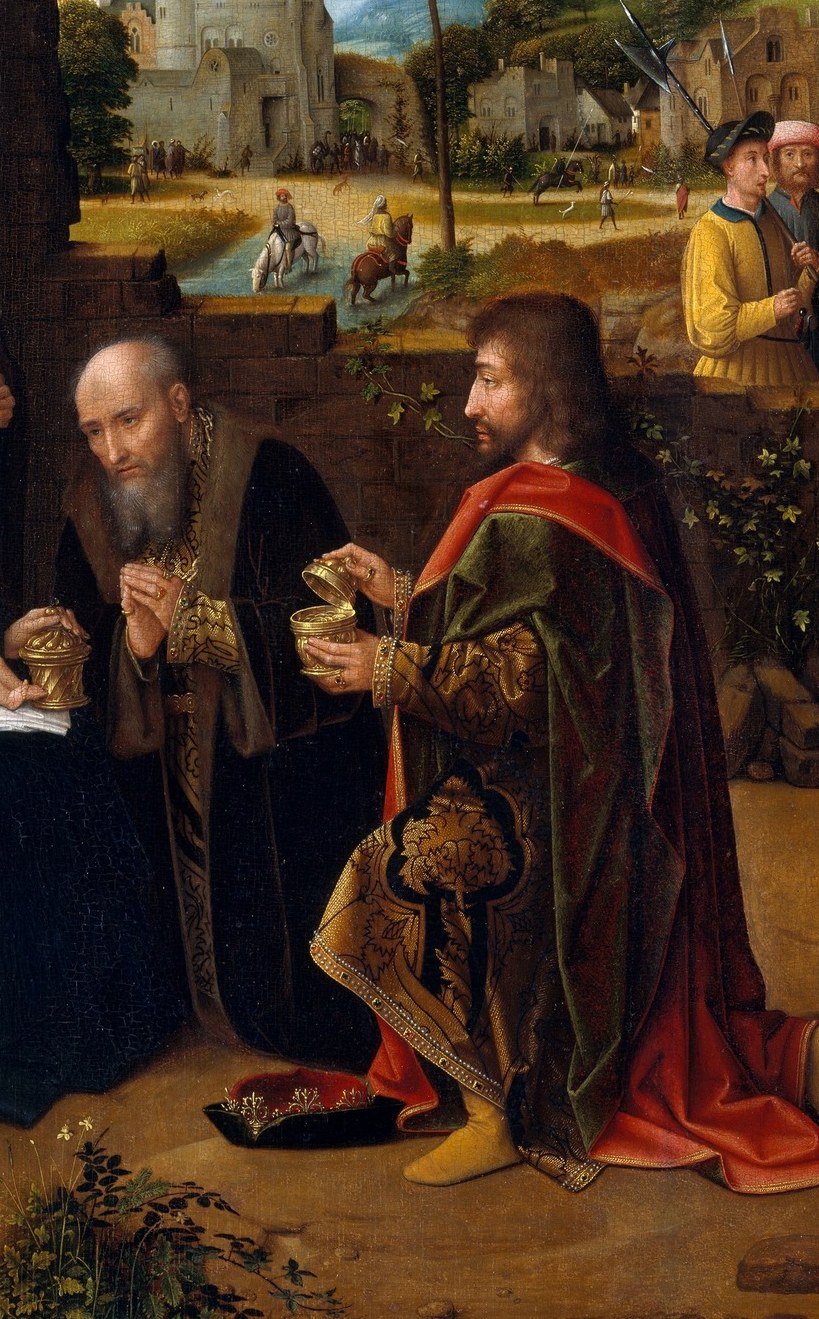
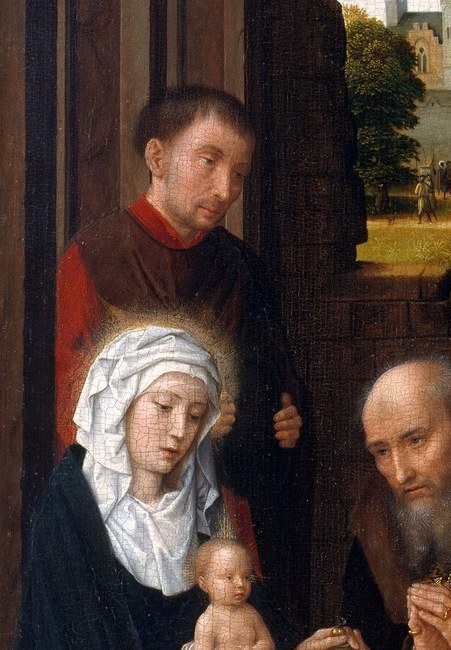
Check the robe of the kneeling king. A faint vertical seam cuts through the paint, just to the side of the gilded vessel. That is the line where thieves sliced the wooden panel and pulled a section free. They took only the kneeling figure, likely hoping to sell him on the black market. After an anonymous tip, police found the missing piece hidden in a barn, wrapped in newspaper. Conservators reattached it as faithfully as possible, but they left the scar visible rather than hiding the damage with fresh paint.
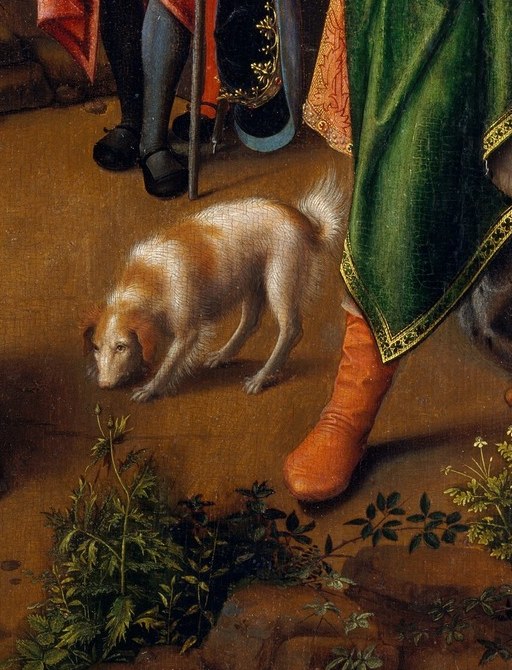
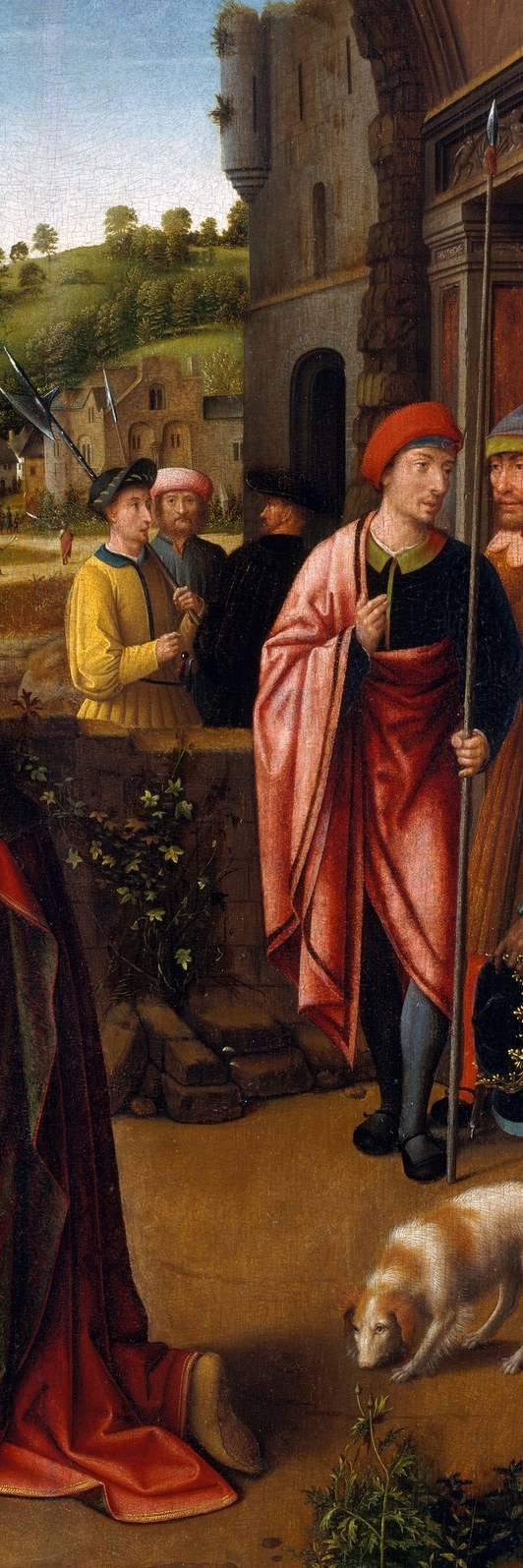
The painting itself is Ferrari's luminous interpretation of the Magi story: a crowded arrival of kings and their retinues, framed by a stone arch that opens onto an Italianate cityscape. A palm tree marks the eastern origins of the visitors, and a white dog at the far right stands for fidelity. The dense crowd on the right hides half-seen faces at the margin, a reminder that the scene continues beyond what Ferrari gave us.
Some wounds tell the story better than a perfect surface ever could.
#arthistory #defendenteferrari #truecrimeart
Details
Transcript
Christmas Night, 1975. A small church in Italy. Thieves broke in and cut this painting from its frame. They only wanted one section. The kneeling king. But look closely at his robe. A seam runs across it. That is the scar. The panel was cut with a blade and carried away. It was missing for over a year. Then, an anonymous tip. Police recovered it in a barn, wrapped in newspaper. Restorers reattached it. The seam stayed. A faithful wound.