Portrait of Marianne Dorothy Harland (1759–1785), Later Mrs. William Dalrymple by Richard Cosway (British, 1742–1821)
View the artwork: Portrait of Marianne Dorothy Harland (1759–1785), Later Mrs. William Dalrymple →
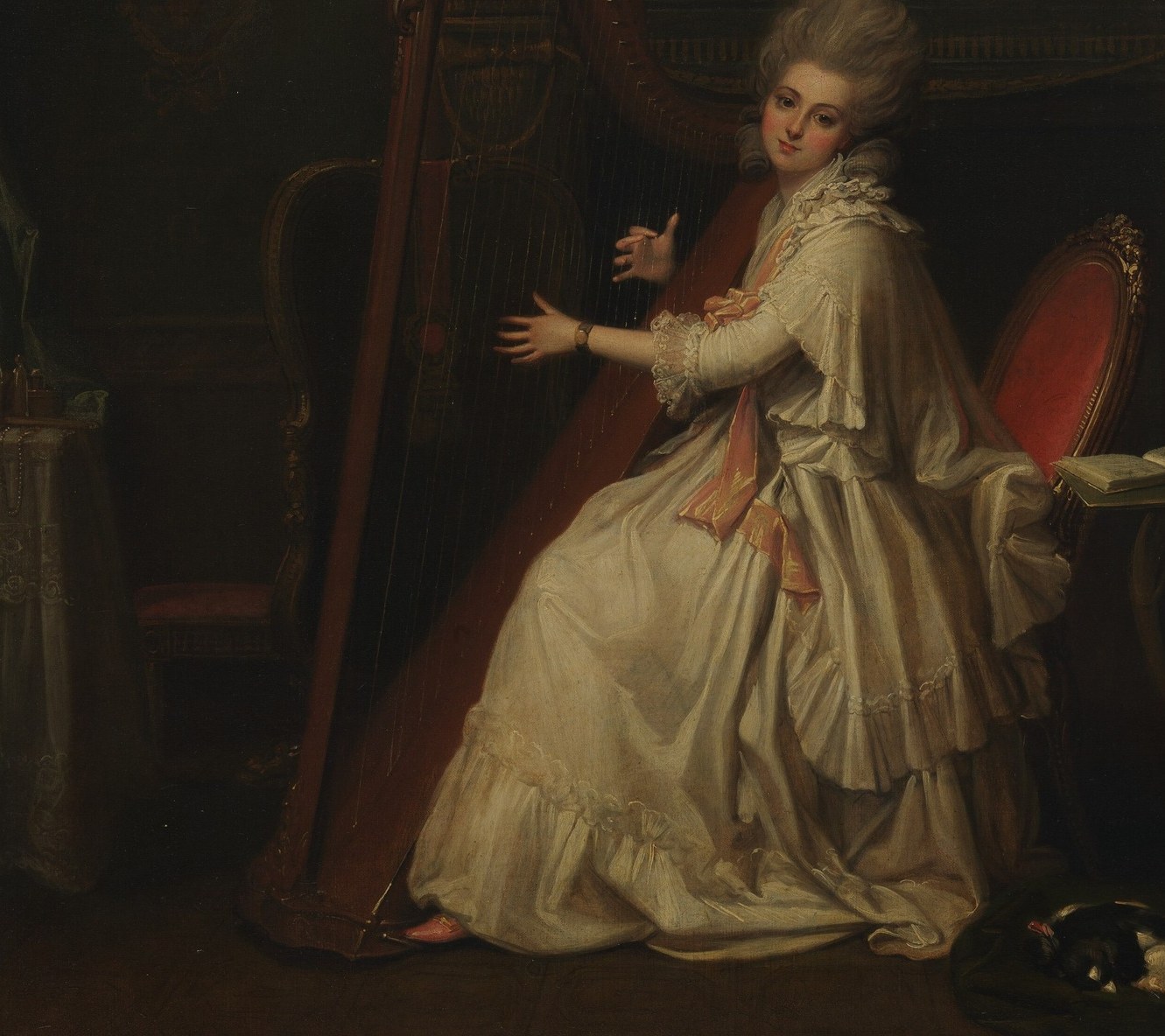
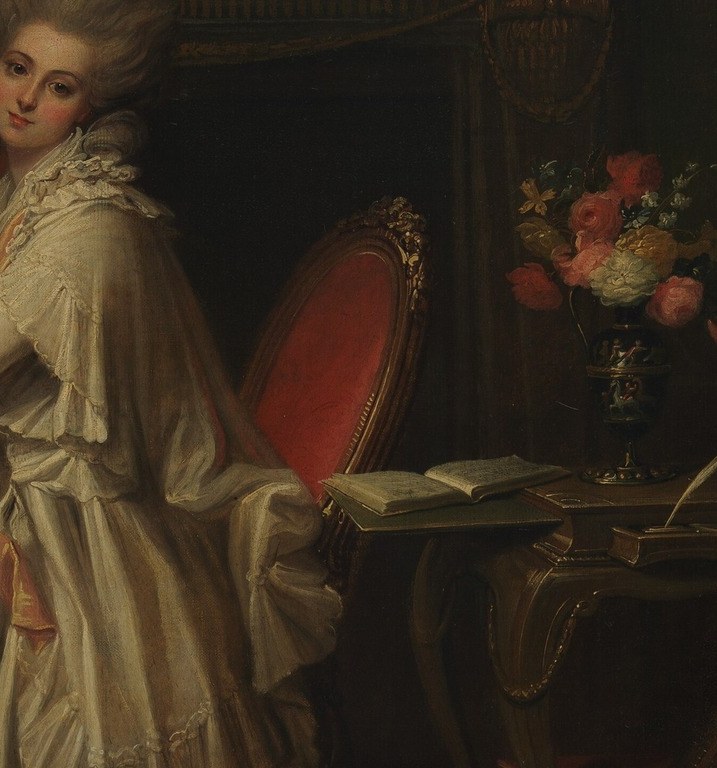
Richard Cosway's portrait of Marianne Dorothy Harland, painted around 1778, is a painting that critics once mocked and that death later made devastating. The admiral's daughter sits in her dressing room playing a harp, surrounded by the intimate clutter of an elite eighteenth-century morning. When it was shown at the Royal Academy in 1779, a reviewer for the St. James's Chronicle attacked Cosway's 'painful and minute attention to little Circumstances' and pronounced the whole work 'coxcomical.'
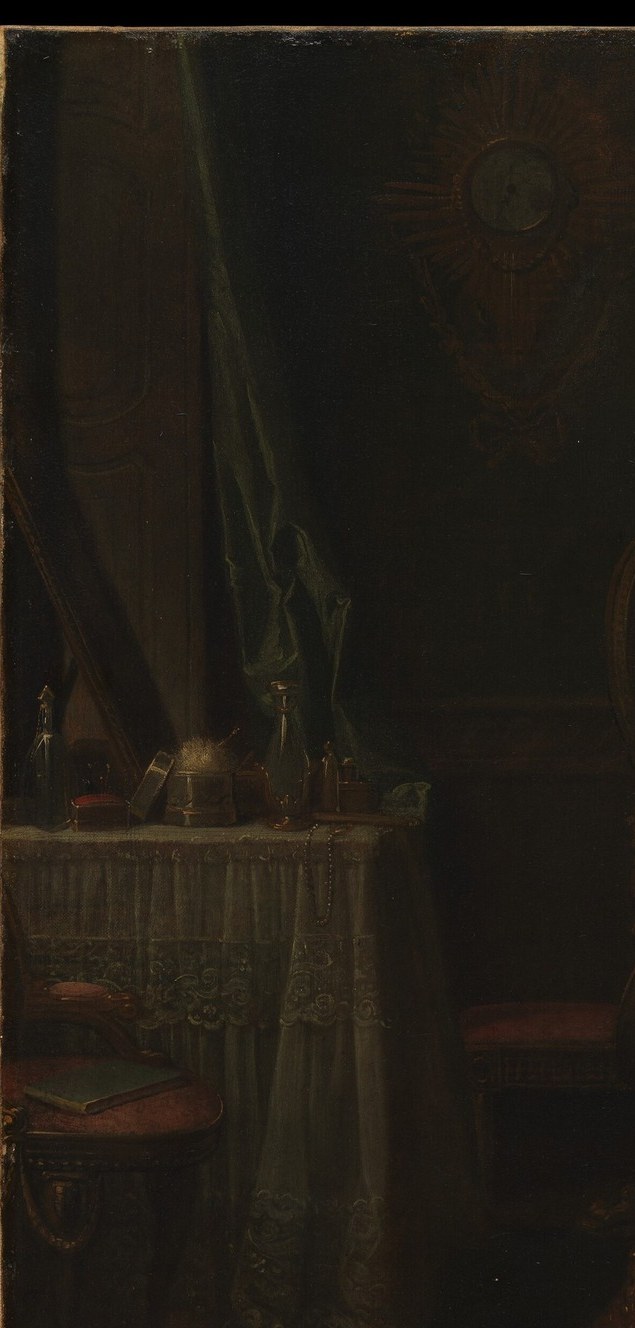
The 'little Circumstances' are still there on the dressing table at right: a pincushion, scent bottles, a powder puff. What the critic missed was the animation of her hands across the harp strings. Cosway caught her mid-motion rather than stiffly posed, a progressive naturalism for the period. The vast white morning dress is itself a technical argument, its folds rendering his celebrated minute brushwork.
Marianne married The Hon. William Dalrymple in 1783. Two years later she died of a throat disease. Later audiences, knowing her fate, could not look at the harp in her hands without hearing what was lost.
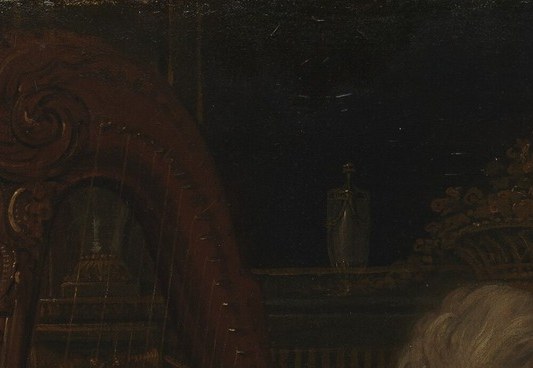
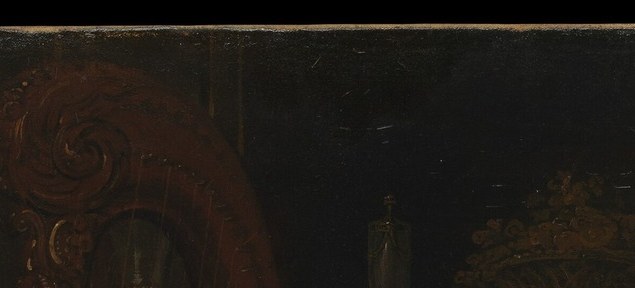
The canvas entered the Metropolitan Museum of Art in 1969 and spent years in storage under a disfiguring layer of yellowed varnish. A conservation treatment in the 2020s revealed Cosway's delicate brushwork and brought it into the museum's reinstalled eighteenth-century galleries, still mid-song, almost 250 years later.
#arthistory #portraitpainting #georgianera
Details
Transcript
In 1779, a critic called this painting 'coxcomical.' He mocked its 'painful and minute attention to little Circumstances.' The 'circumstances' were these: a pincushion, scent bottles, a powder puff. She was an admiral's daughter, shown mid-song in her dressing room. Look at her hands, mid-motion, not posed. Marianne married in 1783. Two years later, she died of a throat disease. The harp she plays here was her voice.