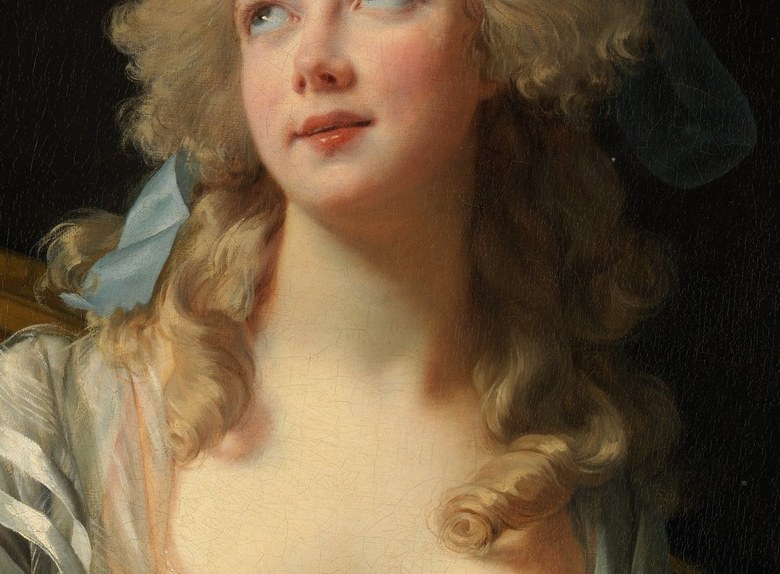
Madame Grand (Noël Catherine Verlée, 1761–1835) by Élisabeth Louise Vigée Le Brun
View the artwork: Madame Grand (Noël Catherine Verlée, 1761–1835) →
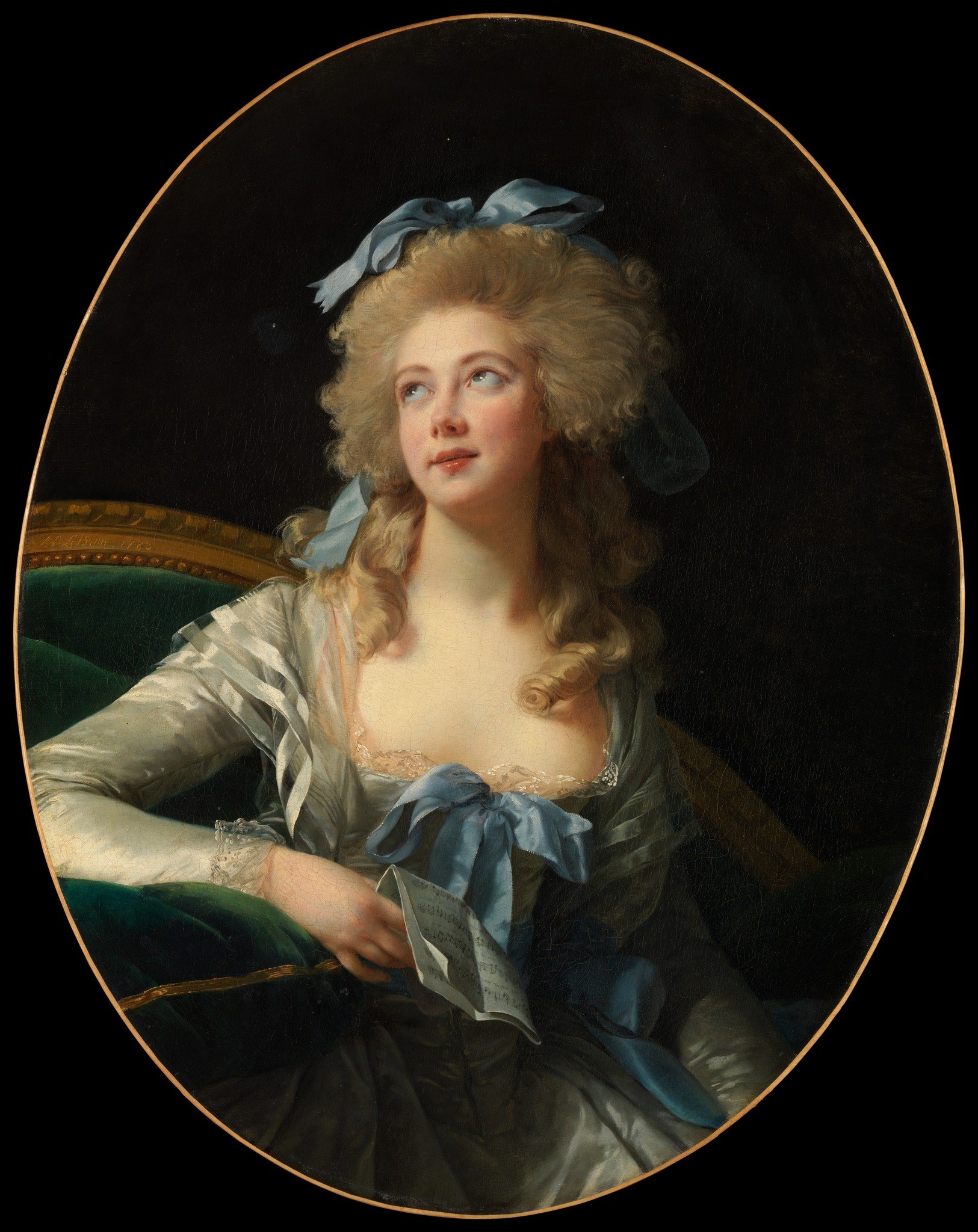
This is Madame Grand, painted by Élisabeth Louise Vigée Le Brun in 1783. It is one of the quietest triumphs in 18th-century portraiture. Catherine Noël Verlée was born in India, married a British clerk in Calcutta, and arrived in Paris alone, with no title, and remade herself entirely. This portrait captured her at the exact moment before everything changed.
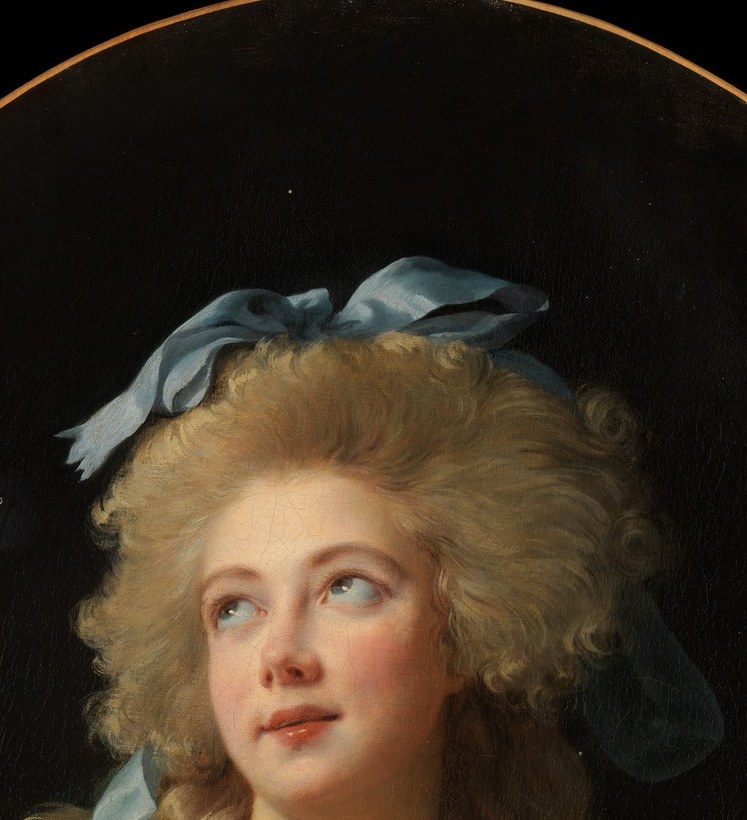
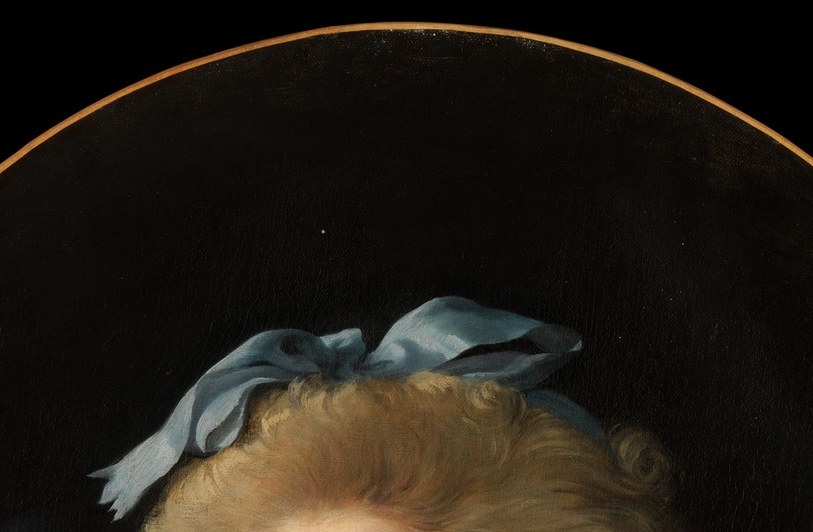
Look at her face. Vigée Le Brun gave her an expression that is not meant for us. Her eyes lift just off-axis, and her lips stay softly parted. She is not performing. She is thinking. The blue ribbon in her hair and the blue sash across her bodice form a deliberate color rhyme, pulling your eye up and down the figure, but the face holds you. The warm shadow under her chin suggests candlelight, or a window just out of frame.
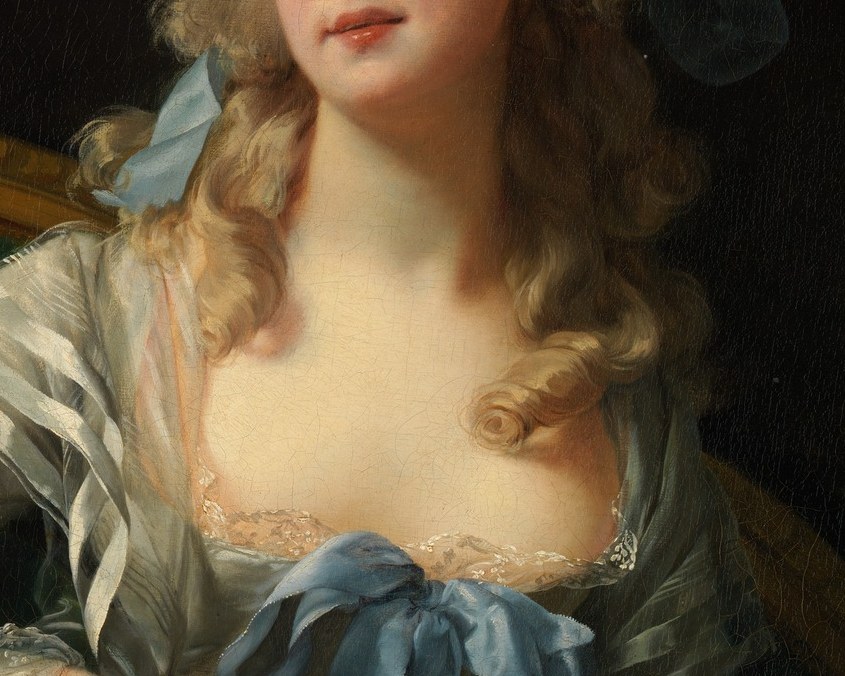
Vigée Le Brun was Marie Antoinette's painter, the most sought-after portraitist in pre-Revolutionary France. She knew beauty, and she knew how to show it without scandal. Here, Madame Grand's bare shoulders and loose muslin bodice signal both fashion and freedom, a look associated with Rousseau's ideas about naturalness. It was a knowing choice, for a woman who understood presentation.
Madame Grand did not stay a courtesan. She became the mistress, and then the wife, of Charles Maurice de Talleyrand-Périgord, France's first Prime Minister. In 1806 she was made a princess. The girl in this painting, dreaming past us, was already on her way.
#arthistory #vigeelebrun #18thcenturyart
Details
Transcript
1783. She had just arrived in Paris from Calcutta. Look at her face. Not at you, but through you. Her eyes lift somewhere this room cannot go. She was a courtesan, famous for her beauty. These hands had already crossed oceans. The painter was Marie Antoinette's favorite portraitist. Years later, she would marry the Prime Minister of France.