Portrait of a Boy by Marie-Anne Fragonard
View the artwork: Portrait of a Boy →
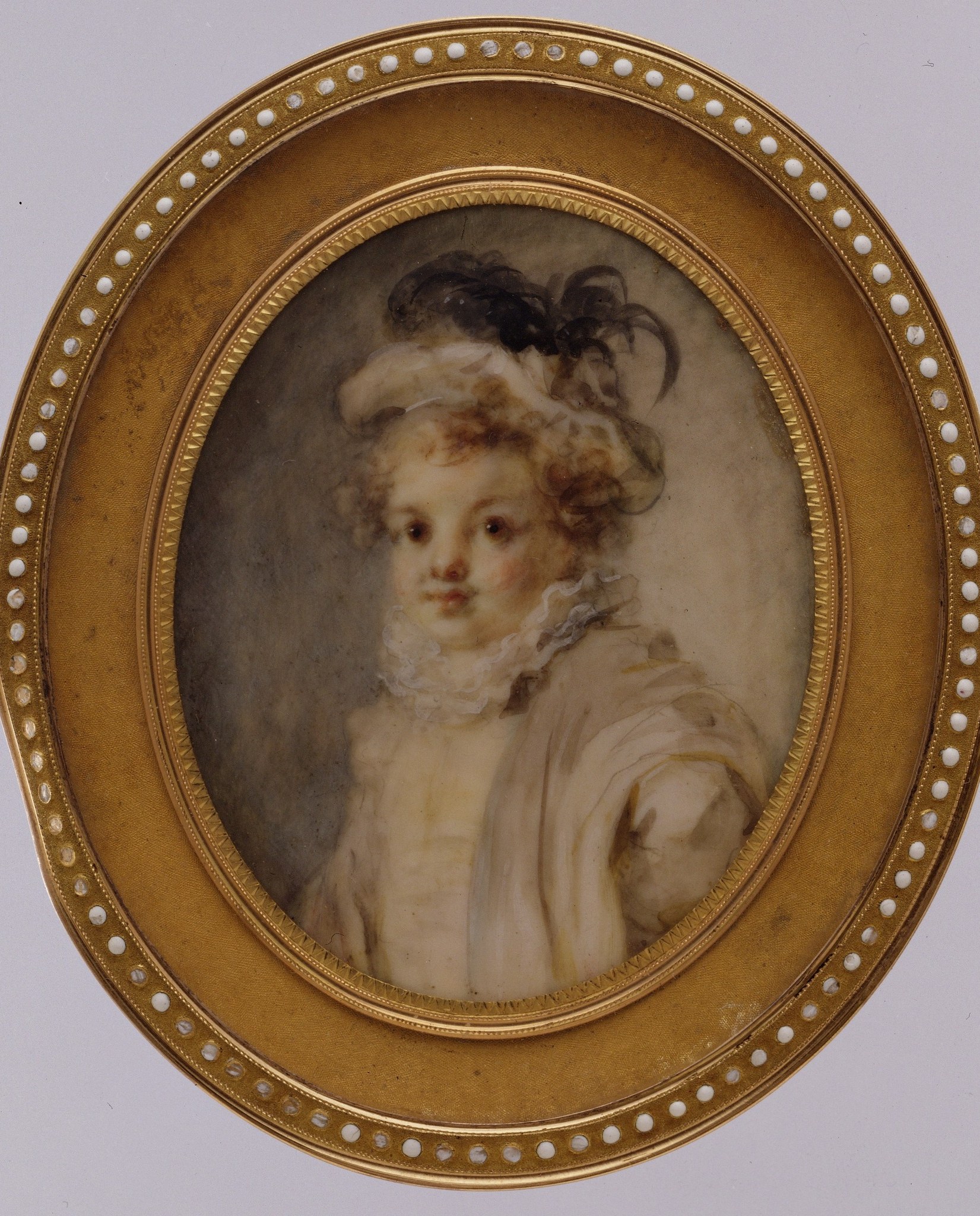
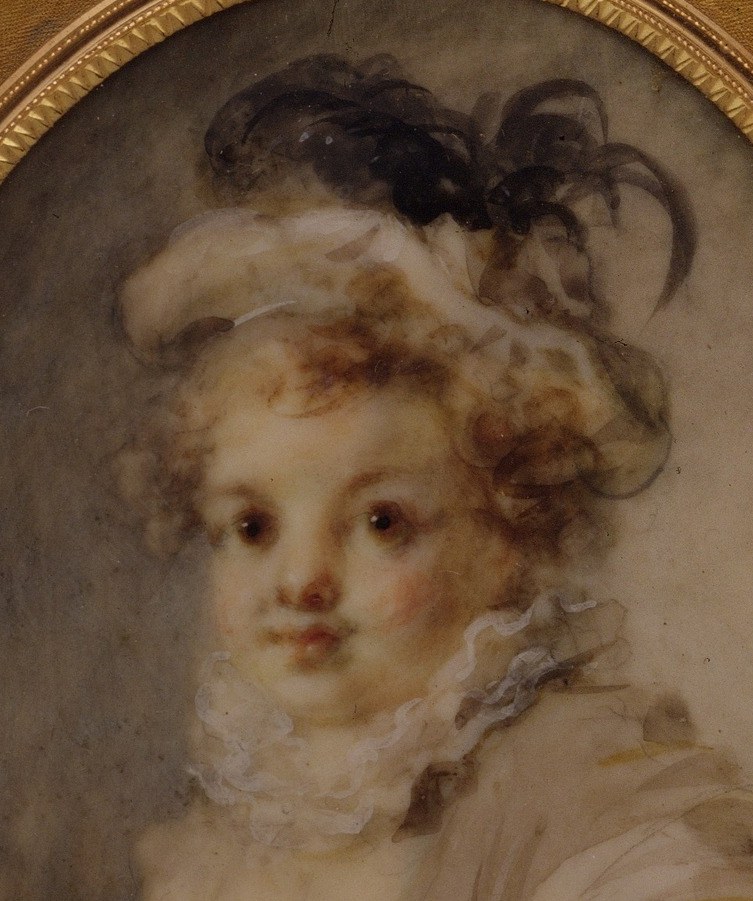
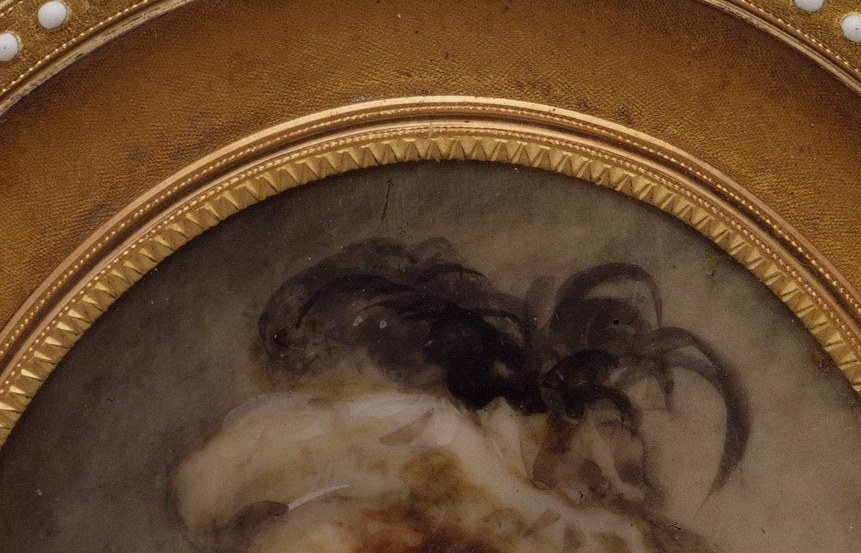
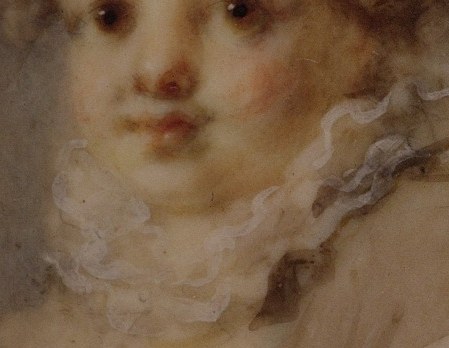
This is "Portrait of a Boy" by Marie-Anne Fragonard, painted around 1775. For nearly two hundred years, it was attributed to her husband, the famous Rococo painter Jean-Honoré Fragonard. Only recently has the work been returned to her name, thanks to the scholarship of historian Pierre Rosenberg, who recognized her hand in the free and easy brushwork.
Look at the boy's eyes. They are cast softly downward, refusing a direct exchange with the viewer. In the 18th century, this introspective gaze was a sophisticated choice, more often given to adult sitters. It creates a sense of quiet reverie and psychological depth that is unusual in a child's portrait. The light concentrates on his left cheek, drawing your eye in a circular path through his features, while the muted brown background forces all attention onto his face.
Marie-Anne Gérard married Fragonard in 1769 and became a respected painter of portrait miniatures in her own right. She worked in a style close to her husband's, which is why so many of her pieces were absorbed into his catalogue. This small, oval painting is a perfect example of the intimate scale and delicate expression that defined her career. It now resides in a private collection, a quiet monument to a reputation finally restored.
How many other works by women painters still wait behind a famous husband's name?
#arthistory #womenartists #fragonard
Details
Transcript
For two centuries, this painting was signed by a man. It hangs as the work of Jean-Honoré Fragonard. But his wife, Marie-Anne, was a miniaturist in her own right. Her paint handling here is free and confident. The boy's averted gaze creates an unusual psychological distance. A subtle choice, rarely entrusted to a child's portrait in 1775. In 2015, the attribution finally shifted to her name.