The Monkey and the Cat by Abraham Hondius
View the artwork: The Monkey and the Cat →
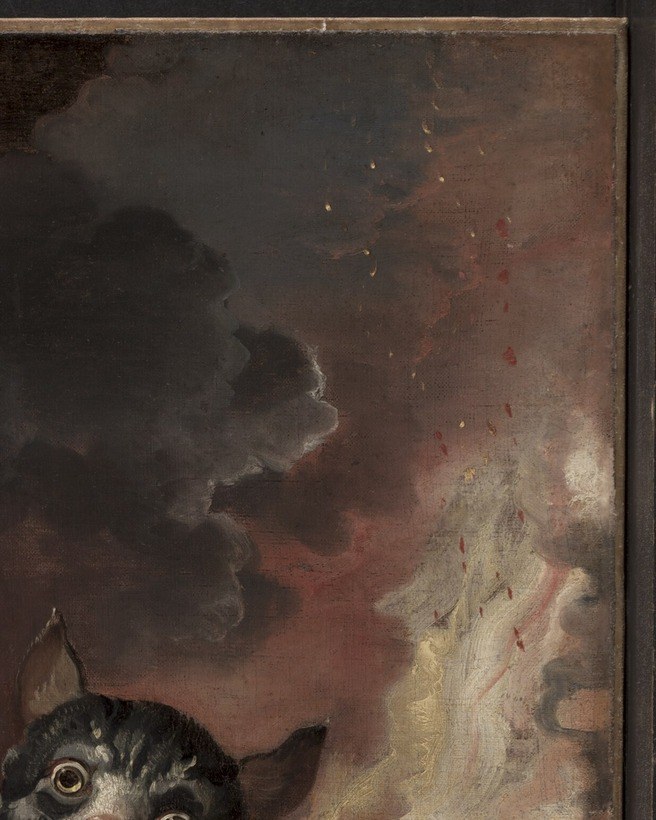
This is Abraham Hondius's "The Monkey and the Cat," painted around 1670. It hangs in a quieter corner of art history, but the drama inside the frame is anything but quiet. The painting is a direct, muscular depiction of a Baroque street fight between two animals, lit by a single fiery source in the dark.
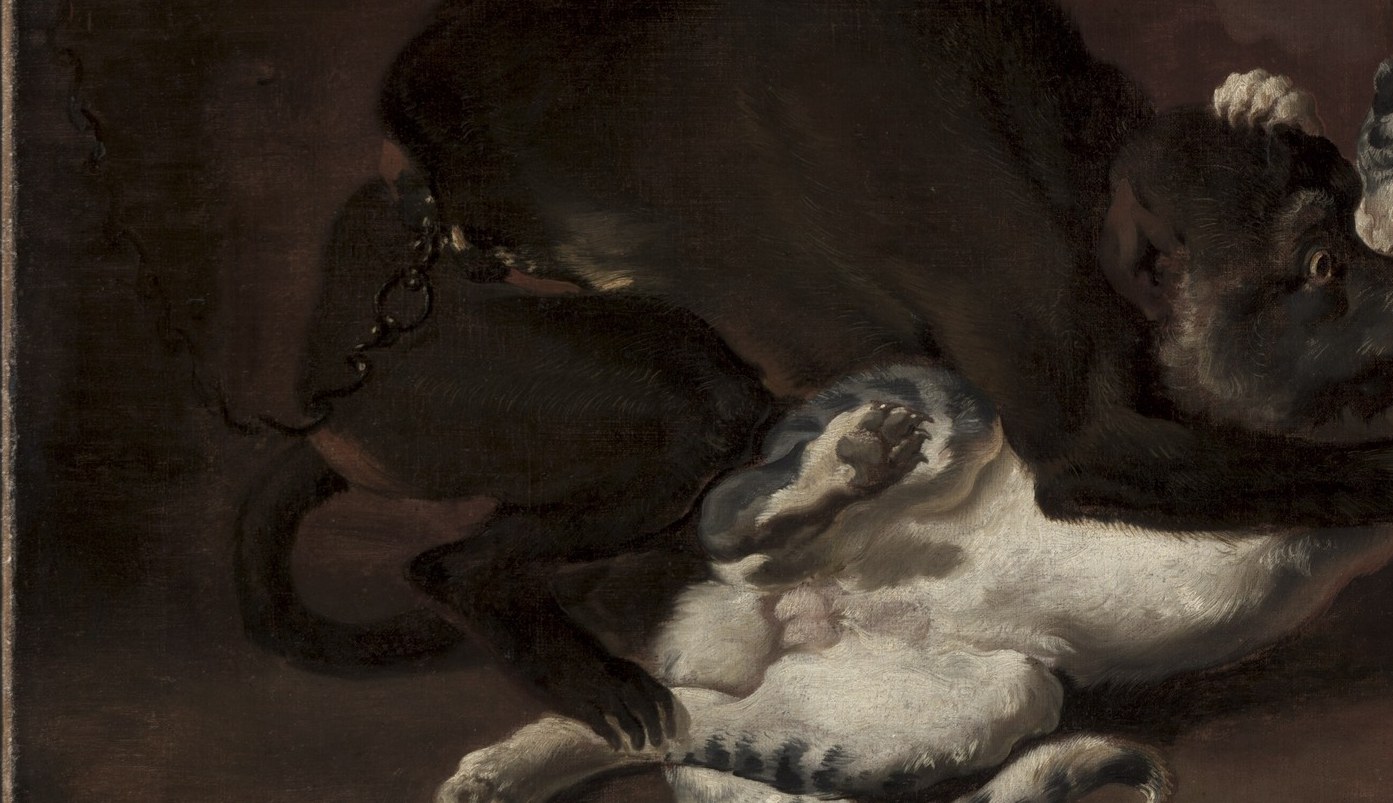
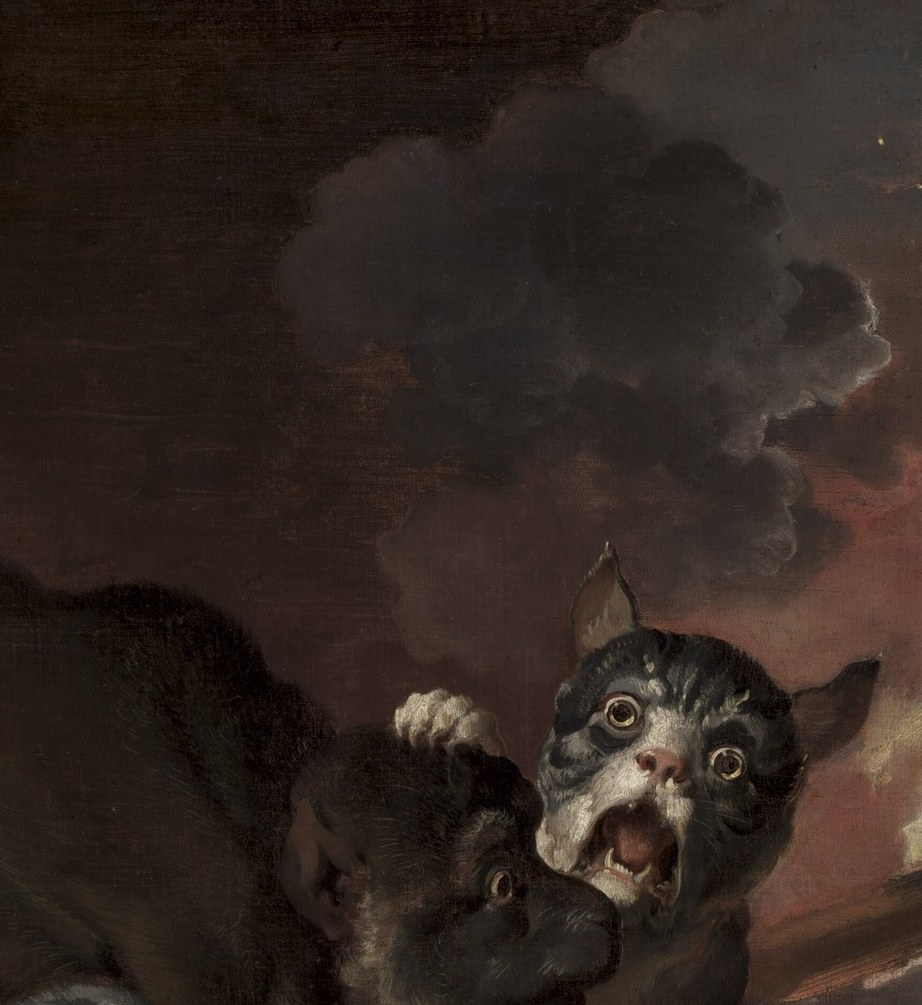
Look at the monkey's face. Hondius gives it a mask of pure, shrieking alarm, a flash of white in the darkness. Then trace the cat's raised paw, suspended in the exact moment of impact. The whole composition hangs on that frozen blow, the thick impasto of the fur making the motion feel immediate and tactile.
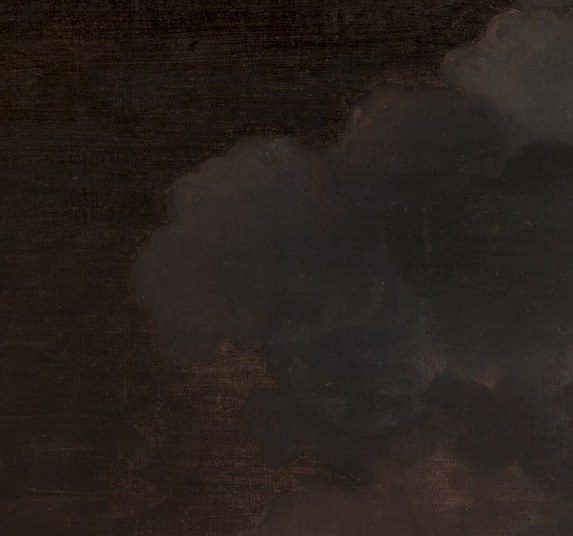
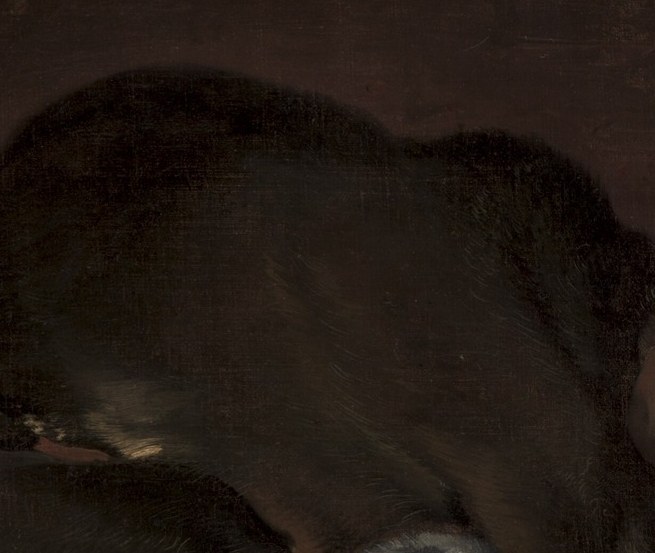
The painting illustrates a moral fable warning against greed, but the real reward is visual. The deepest shadow on the upper left is not empty. Peer into it: a ghostly, secondary face emerges, shaped by the fire's rim-light. It's a secret encounter within an encounter, a detail that changes the whole scene once you see it. What body does that extra face belong to?
#arthistory #dutchgoldenage #baroquepainting
Details
Transcript
Two animals, locked in a fight in the dark. The painter, Abraham Hondius, was famous for his animals. He freezes the most chaotic moment of the brawl. The cat swings, and the monkey shrieks back. The fire behind them seems to roar, but it's only paint. This scene is a fable about greed, but most people miss the clue. Look into the void on the left. The fire reveals a hidden face.