The Van Moerkerken Family by Gerard ter Borch
View the artwork: The Van Moerkerken Family →
Gerard ter Borch's 1653 portrait, The Van Moerkerken Family, hangs in the Rijksmuseum and is far more than a stiff group portrait. It contains a hidden visual rhyme that nearly everyone scrolls past.
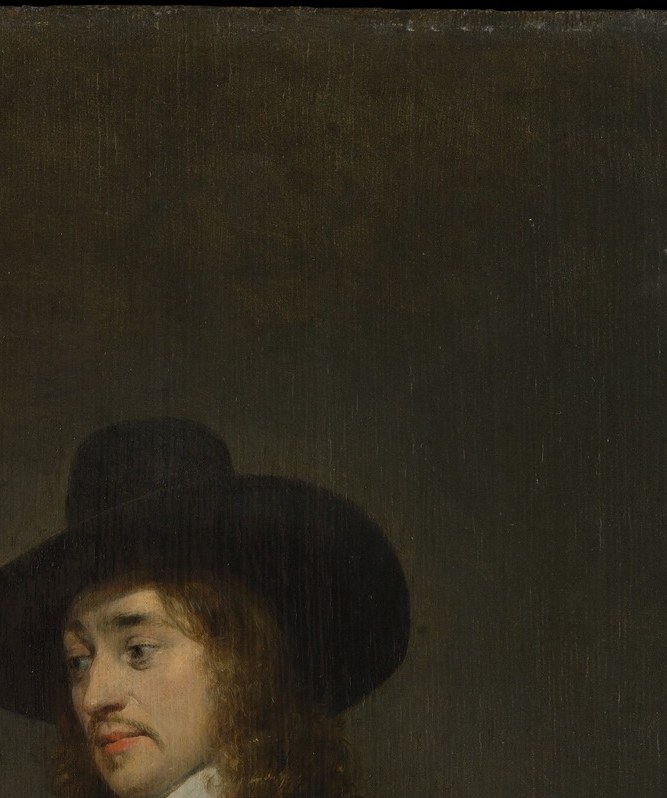
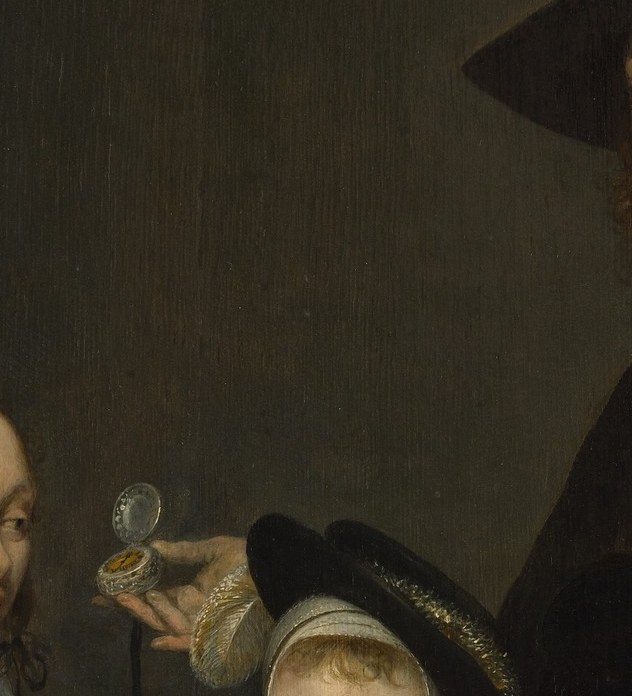
Follow the hats. The father's wide-brimmed black felt hat dominates the upper right of the canvas. The mother's hands cradle the child, steadying a tiny version of the same hat on its head. The echo is exact and deliberate. Ter Borch is not just showing us a family; he is showing us lineage as a physical object, passed down in a gesture both nurturing and firm.
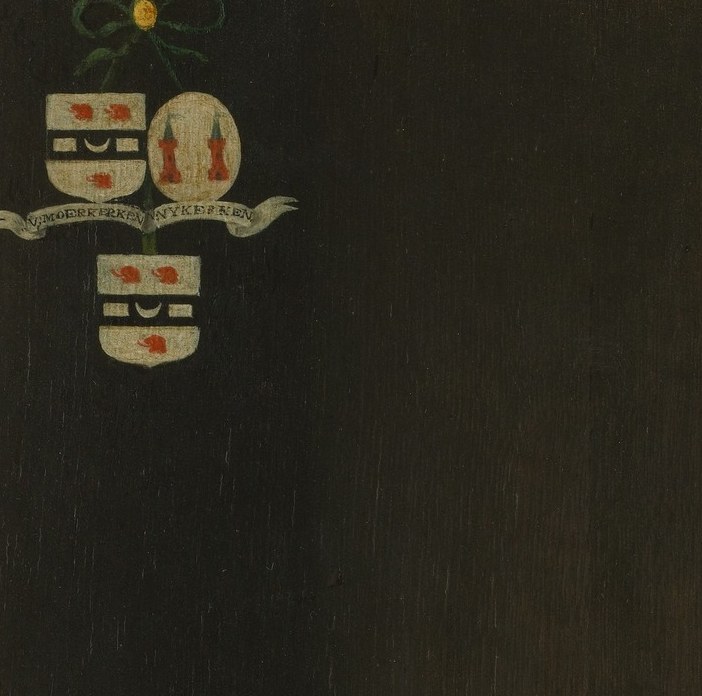
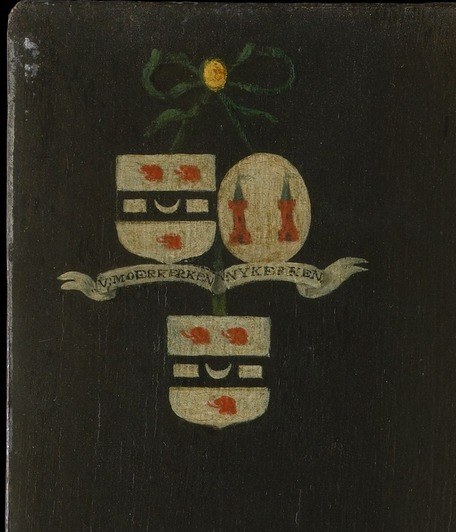
The child looks directly out at us, wide-eyed, the only figure to break the fourth wall. That direct gaze, set against the formal attire and the heraldic coat of arms in the upper left, captures the tension of a small person already being shaped for a role they did not choose. The mother's hands are the emotional center, steadying, preparing, protecting.
Ter Borch was a master of psychological distance and delicate tonal modeling, a painter who influenced Vermeer. Here he takes the formal family portrait and locates its meaning in one small, easily missed act. The future of the Van Moerkerken name rests, quite literally, on a child's head.
#arthistory #dutchgoldenage #gerardterborch
Details
Transcript
A family portrait from 1653. Formal, still, composed. The father dominates with his wide black hat. His face is reserved, his distance cool. Now look at the mother's hands. She is adjusting a tiny hat on the child's head. A perfect miniature of the father's. Inheritance made visible as a single, tender act. Gerard ter Borch understood that the smallest echo can hold a family's entire future.