The Fletcher Mansion, New York City by Jean-François Raffaëlli
View the artwork: The Fletcher Mansion, New York City →
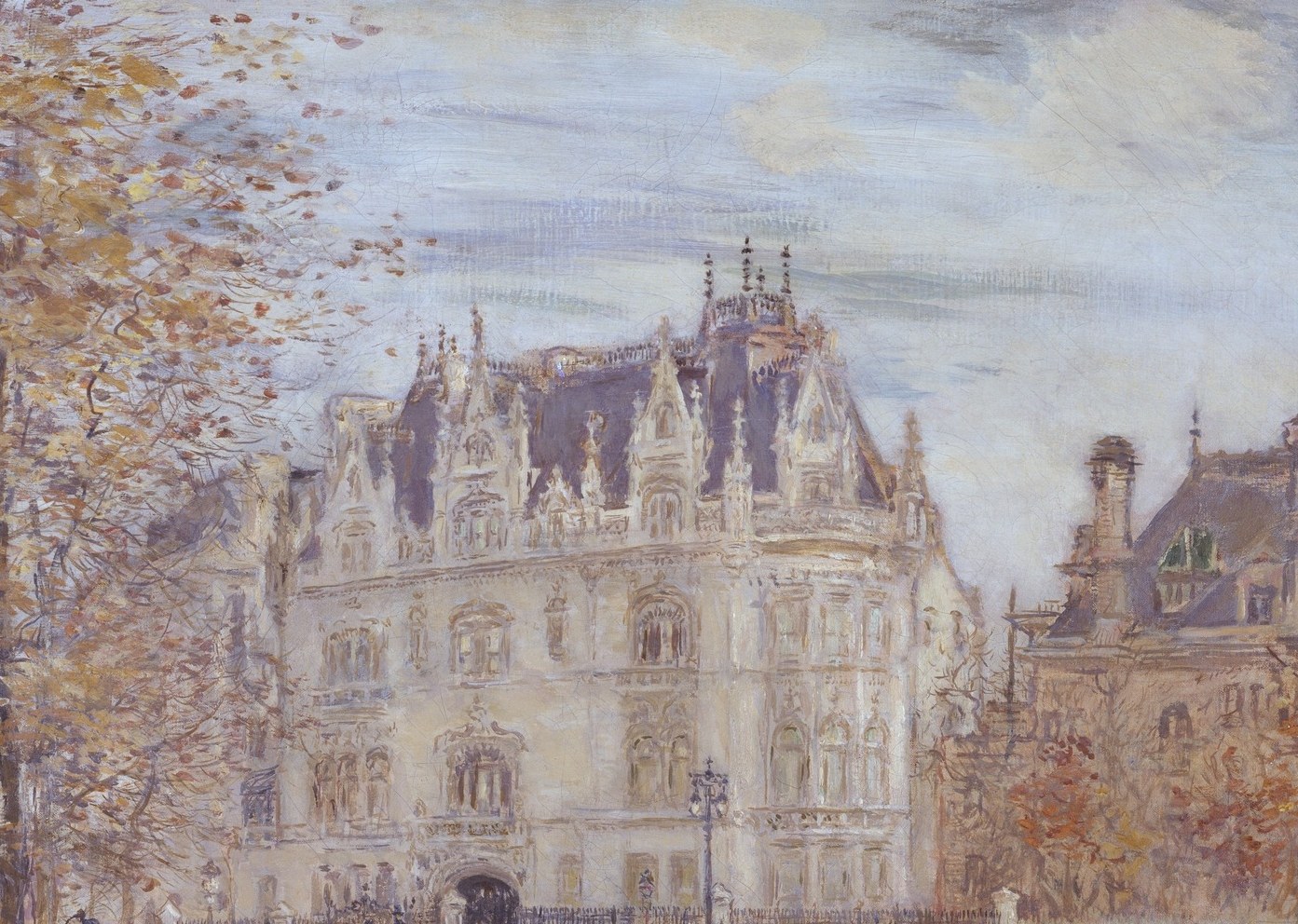
Jean-François Raffaëlli’s 'The Fletcher Mansion, New York City' (1899) is not a postcard. It was painted by a French realist who had exhibited with the Impressionists, and it served as a quiet indictment of Gilded Age excess, so quiet that its American audience simply looked away.
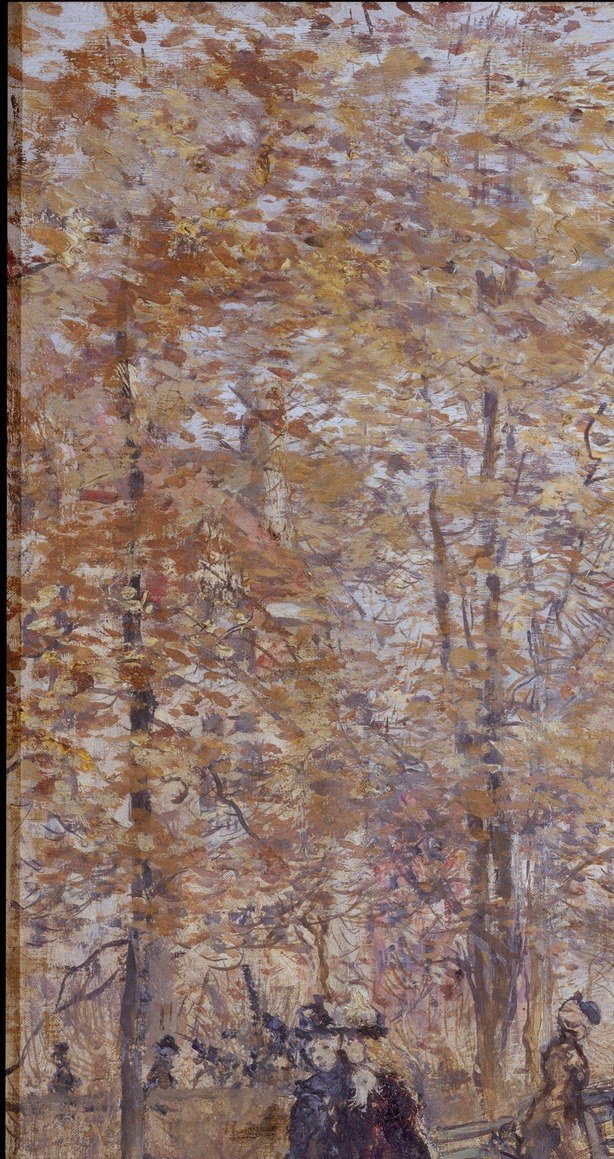
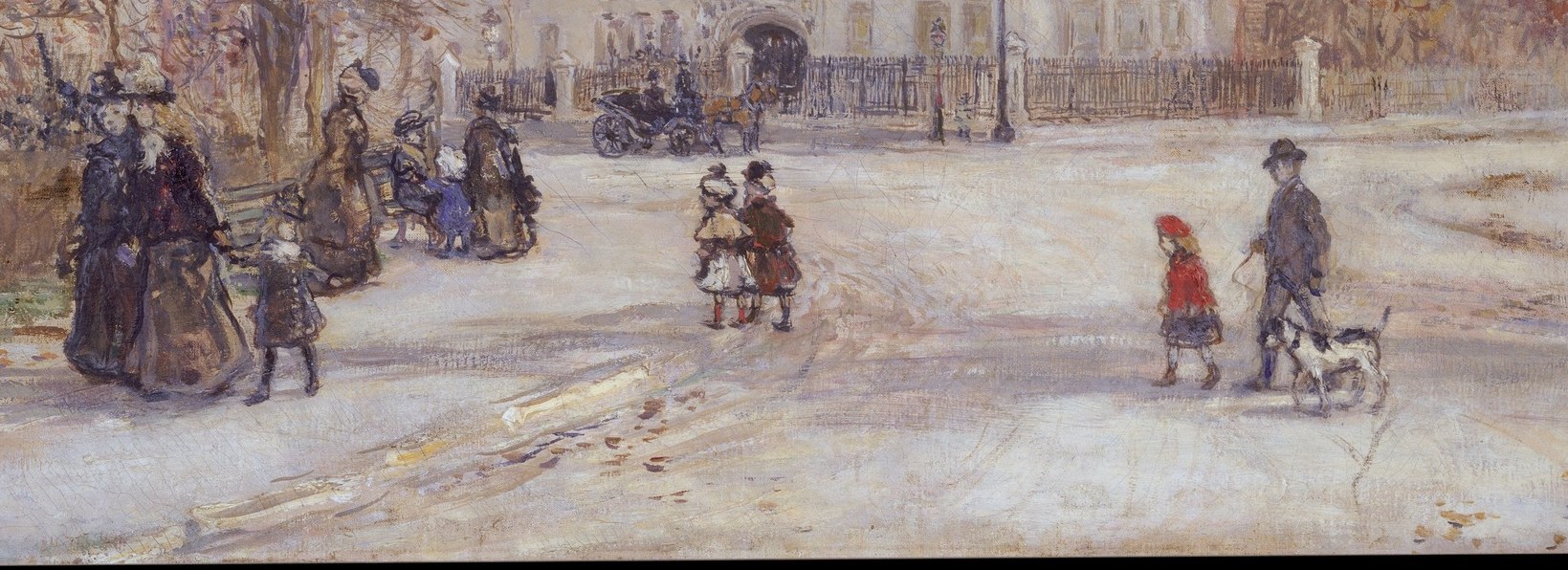
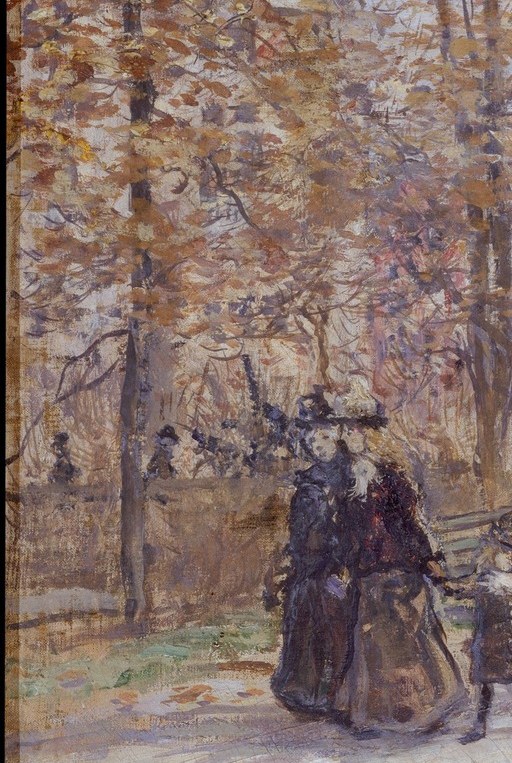
Raffaëlli’s brushwork here is loose and atmospheric, nearly dissolving the mansion's ornate stone facade into a winter sky. Look at the figures: dark-clad women promenading on the sandy park ground, an empty carriage waiting in the middle distance. The mansion looms over them, but its owners are invisible, sealed inside their private palace while a public park surrounds them.
The painting was commissioned or acquired by the Fletcher family themselves, but its fate is telling. After its debut, the work essentially vanished from public view for over a hundred years. The critique was too legible, an image of a city reshaping itself around private fortune, captured by an outsider with no reason to flatter.
Why do you think the owners hid it instead of destroying it?
#arthistory #gildedage #raffaelli
Details

Transcript
New York, 1899. The city was building monuments to money. This was the Fletcher Mansion, one man's private palace rising over the park. Look how Raffaëlli paints it: a lacework of stone dissolving into winter light. But the figures in the park tell a different story. Dark-clad women promenade on the sand, a ritual of being seen. The carriage sits empty. The mansion's owners are inside, unseen. Raffaëlli was a French realist. He painted this for a Paris audience. Its quiet critique of American wealth so offended buyers it was hidden for over a century.