Mount Starr King, Yosemite by Albert Bierstadt
View the artwork: Mount Starr King, Yosemite →
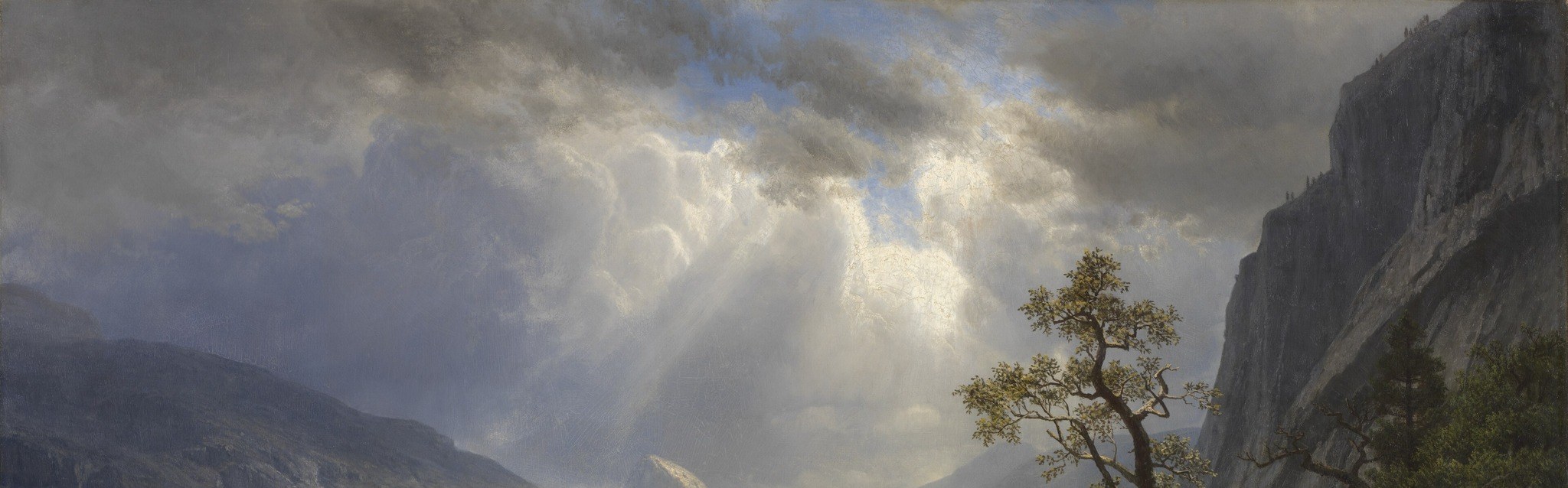
In 1866, Albert Bierstadt sold "Mount Starr King, Yosemite" for $25,000. Adjusted for inflation, that single canvas cost more than half a million dollars, and it shattered auction records to make Bierstadt the highest-paid living artist in America at the time.
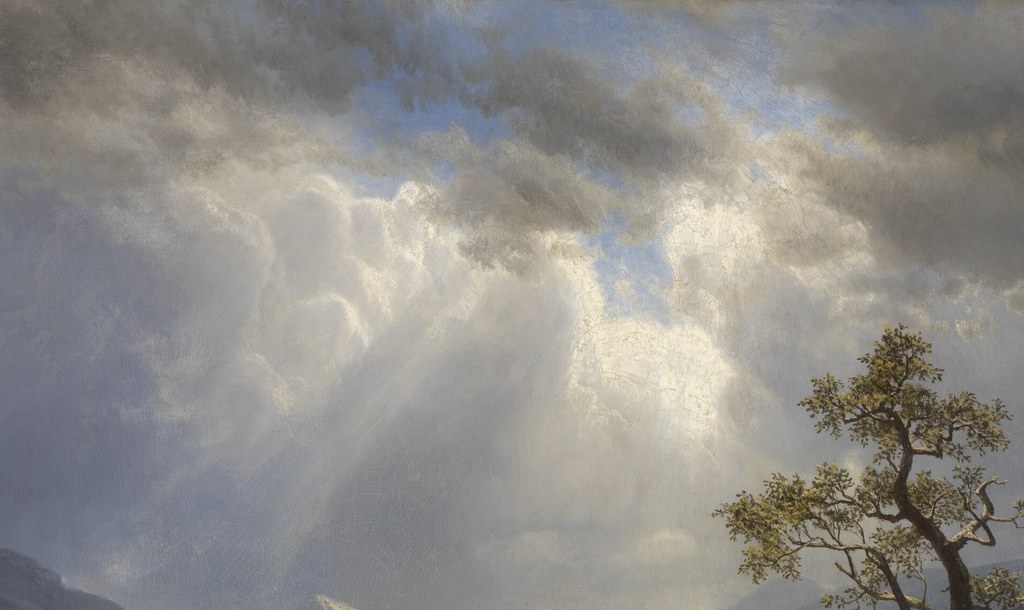
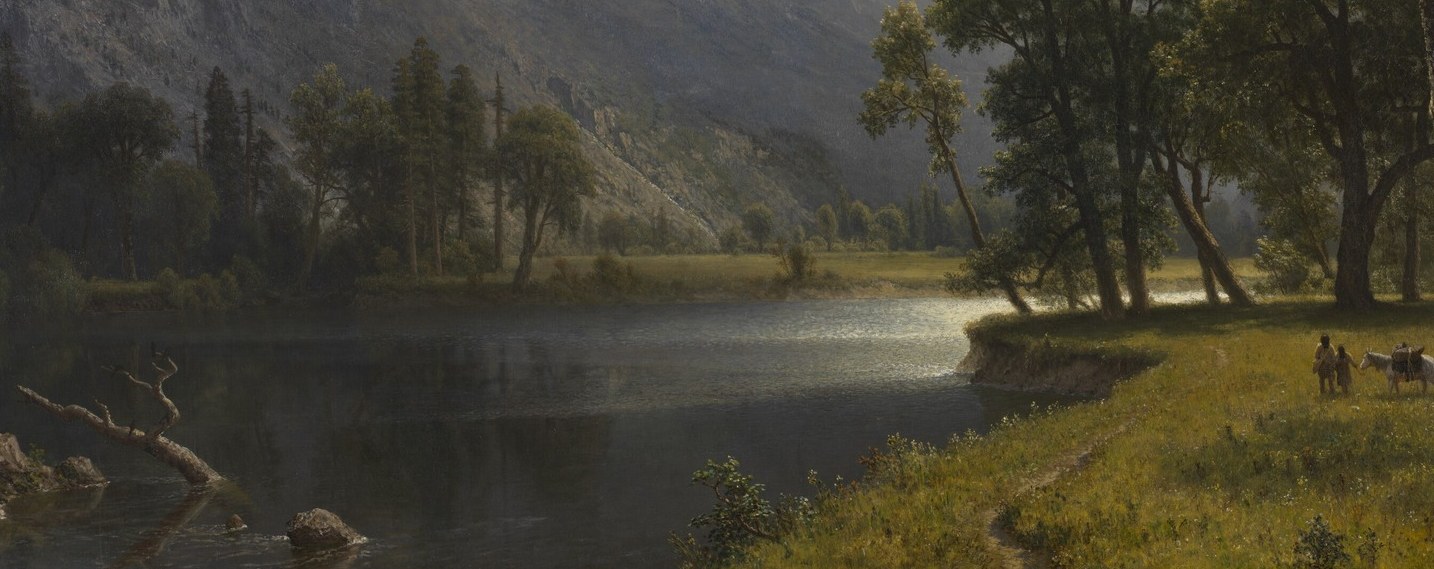
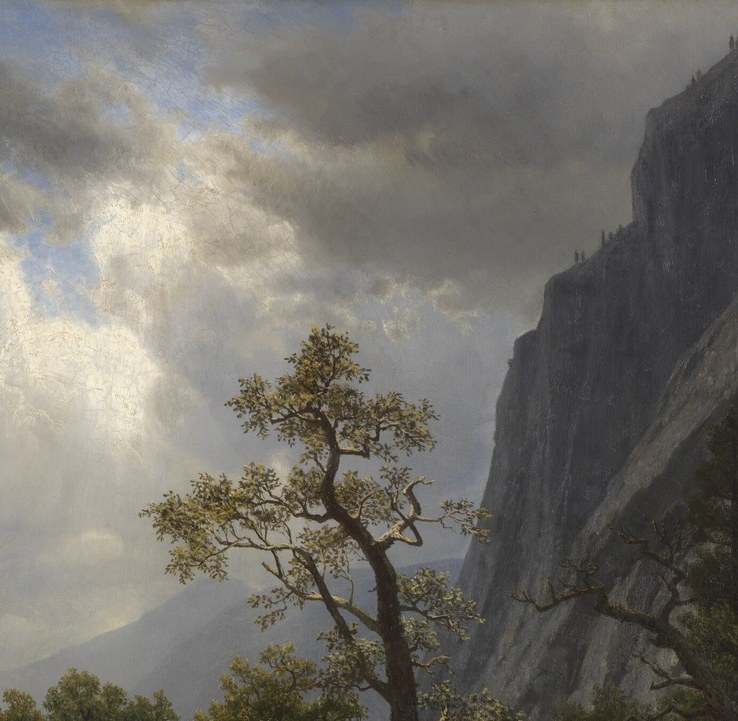
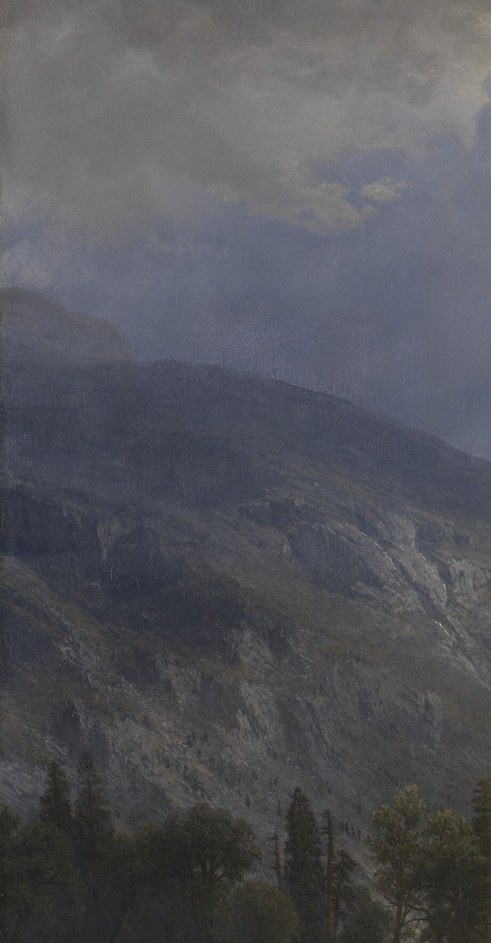
Look at the two tiny figures barely visible on the shore. Their extreme smallness against that sheer granite wall is a deliberate calculation. Bierstadt wasn't just painting a landscape; he was selling the overwhelming scale of a continent most Eastern buyers would never see with their own eyes. The river catches the golden sky and reflects it back up, so the whole scene feels illuminated from within, a luminist trick that made his canvases glow in gaslit parlors.
Bierstadt had traveled west with a surveying expedition, making oil sketches of Yosemite that he later inflated into operatic studio paintings back in New York. Critics sometimes complained he exaggerated the cliffs, but buyers did not care. The photograph was still a novelty, and a Bierstadt painting was the closest anyone came to seeing the real West.
The price held for years. It proved that landscape, not just history painting or portraiture, could command fortunes. What do you think those two little figures were discussing, watching the same light we see now?
#arthistory #AlbertBierstadt #HudsonRiverSchool
Details
Transcript
Gold had made California rich. But in 1866, a different strike hit the art market. An American painter asked twenty-five thousand dollars for a single canvas. That was a record. More than a laborer earned in a lifetime. The light is the argument. A heavenly spotlight on untouched wilderness. The river doubles the glow. Bierstadt lit his canvases from inside. The figures are tiny so the price feels justified. You are buying the sublime.