The Calling of Saint Matthew by http://www.wikidata.org/.well-known/genid/629dcbf818171c4c1903d356ae11b7f8
View the artwork: The Calling of Saint Matthew →
Caravaggio's The Calling of Saint Matthew (1600) hangs in the Contarelli Chapel in Rome's San Luigi dei Francesi, and it nearly didn't. The commission was a lifeline for the painter, who had never before worked on this scale. He delivered something so raw, so optically true, that the priests who saw it first were reportedly unsettled by its lack of decorum.
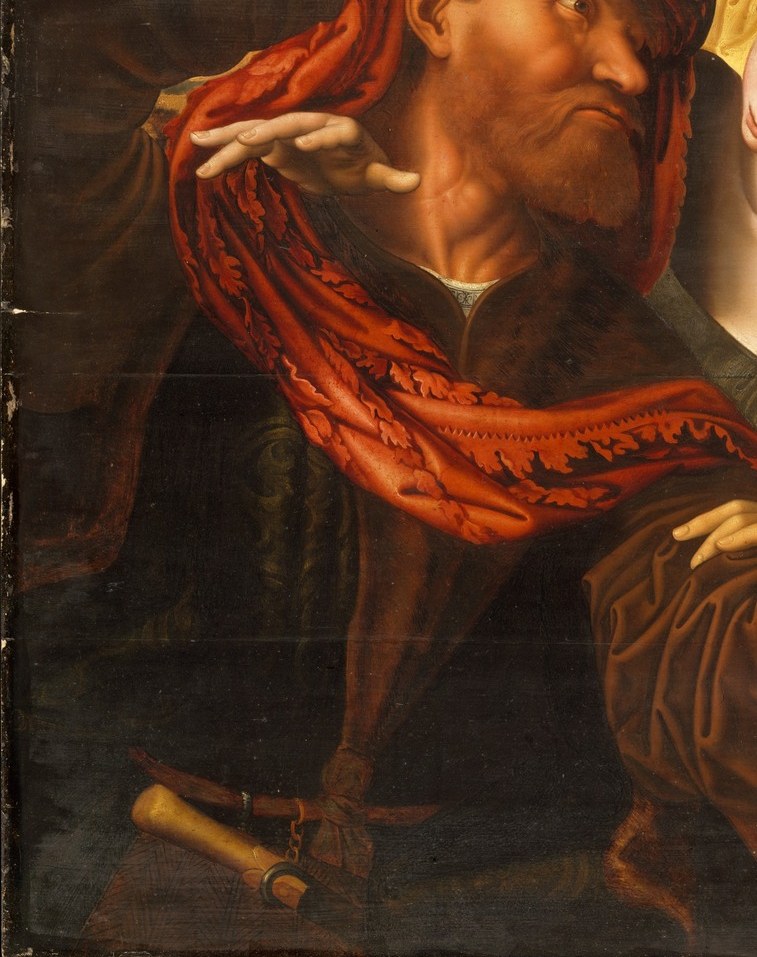
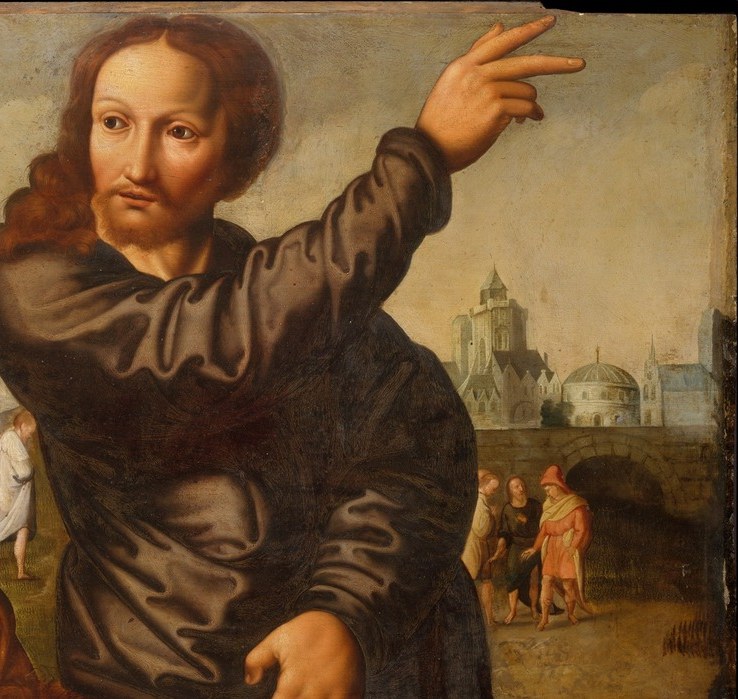
Follow the light. A beam cuts across a blank wall and lands on Matthew's face, a tax collector mid-count, his finger frozen on a coin. Across the room, nearly invisible in darkness, Christ stands with his arm extended. Caravaggio quotes Michelangelo directly: Christ's hand is the hand of Adam from the Sistine ceiling, now reversed, calling Matthew not into life but into a new identity.
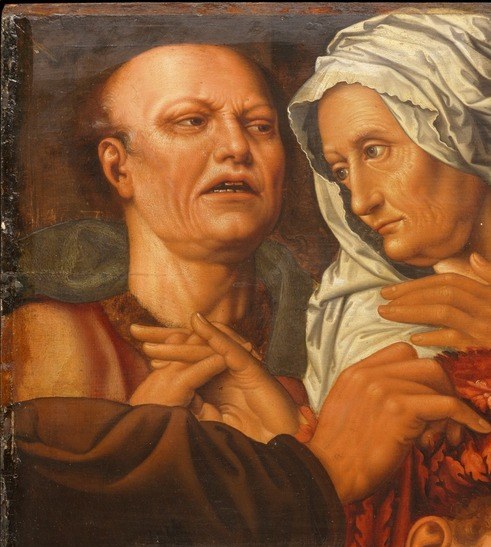
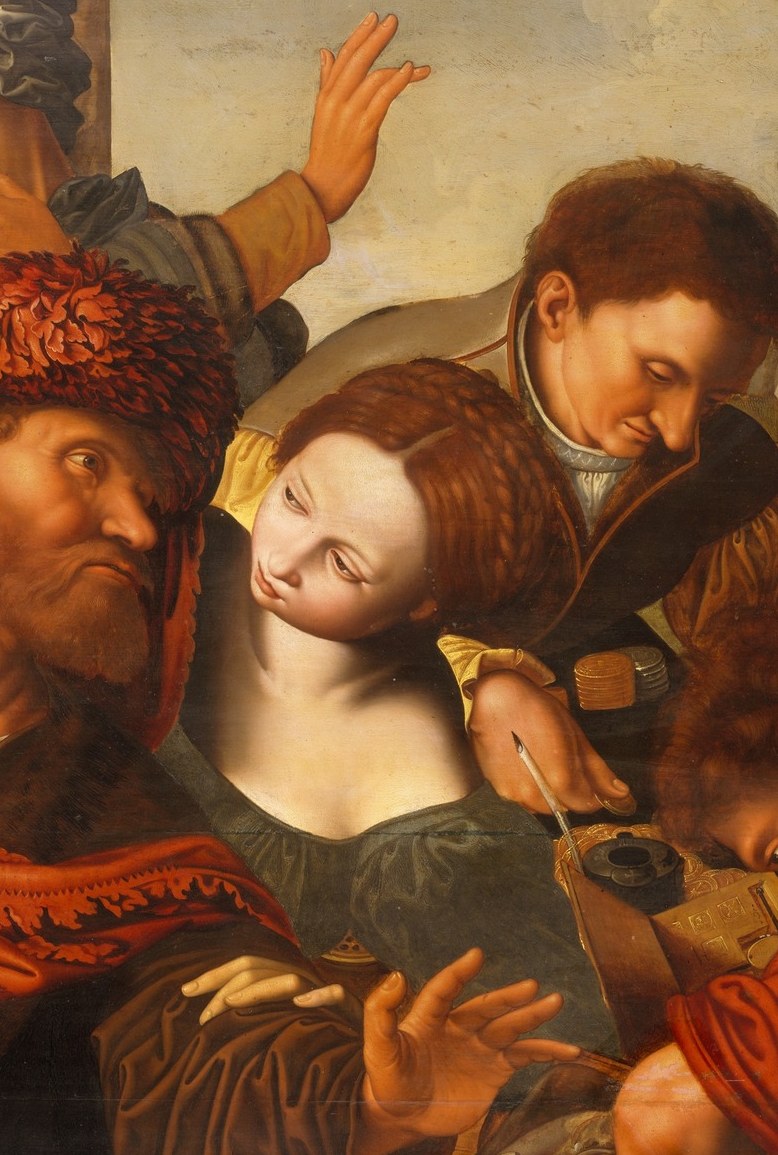
The figures around the table react at different speeds. An old man in glasses stoops over the coins, missing everything. Two younger men look up with sharp curiosity. And Matthew, his left hand still on the money, his right beginning to rise, is caught in the exact middle of a decision. Caravaggio understood that sacred stories happen inside ordinary rooms, to ordinary people, in ordinary light.
#arthistory #caravaggio #baroque
Details
Transcript
A tax collector sits at his counting table. His name was Levi, and his job made him an outcast. Now look at the man in shadow. Christ's hand echoes Adam's on the Sistine ceiling. When the church unveiled this, they nearly refused it. Matthew's bare feet were too real. Too poor. Too human.