The Adoration of the Shepherds by Giorgione
View the artwork: The Adoration of the Shepherds →
This is The Adoration of the Shepherds, a painting from around 1505 to 1510 by the Venetian Renaissance artist Giorgione. For nearly a century, it was not called a Giorgione at all, it was the Allendale Nativity, named after the English noble family who owned it and kept it at Bretton Hall in Yorkshire. The name changed only after the art dealer Joseph Duveen brokered its sale to the American collector Samuel H. Kress in 1938, and it entered the National Gallery of Art in Washington, D.C., where it remains today.
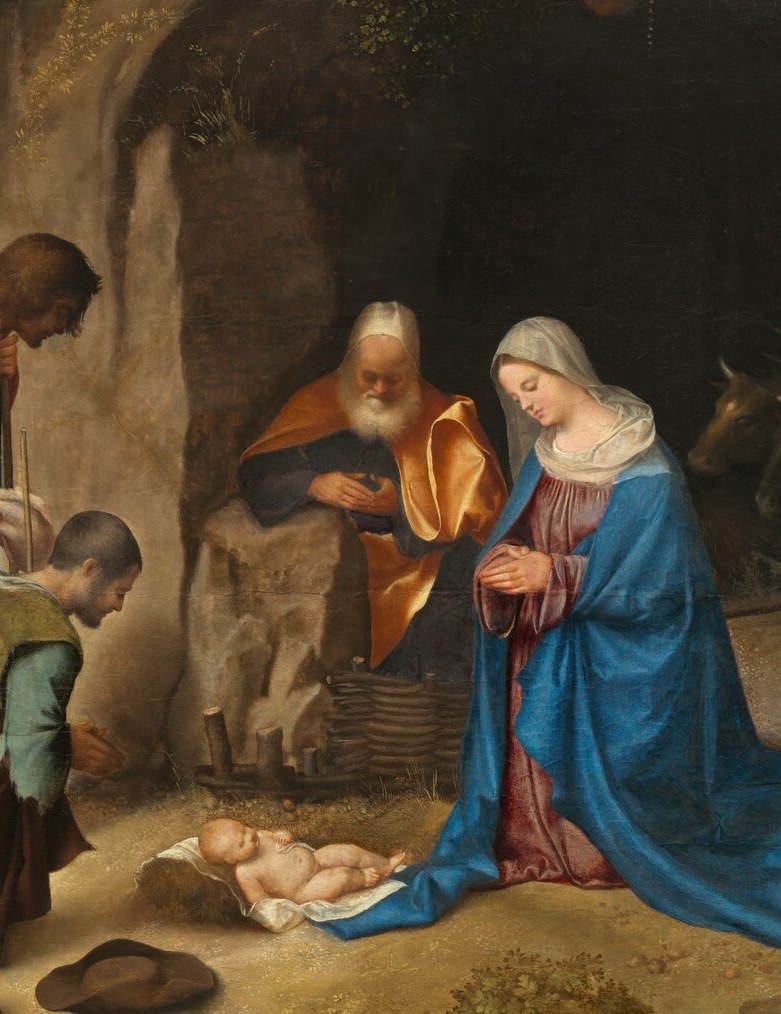
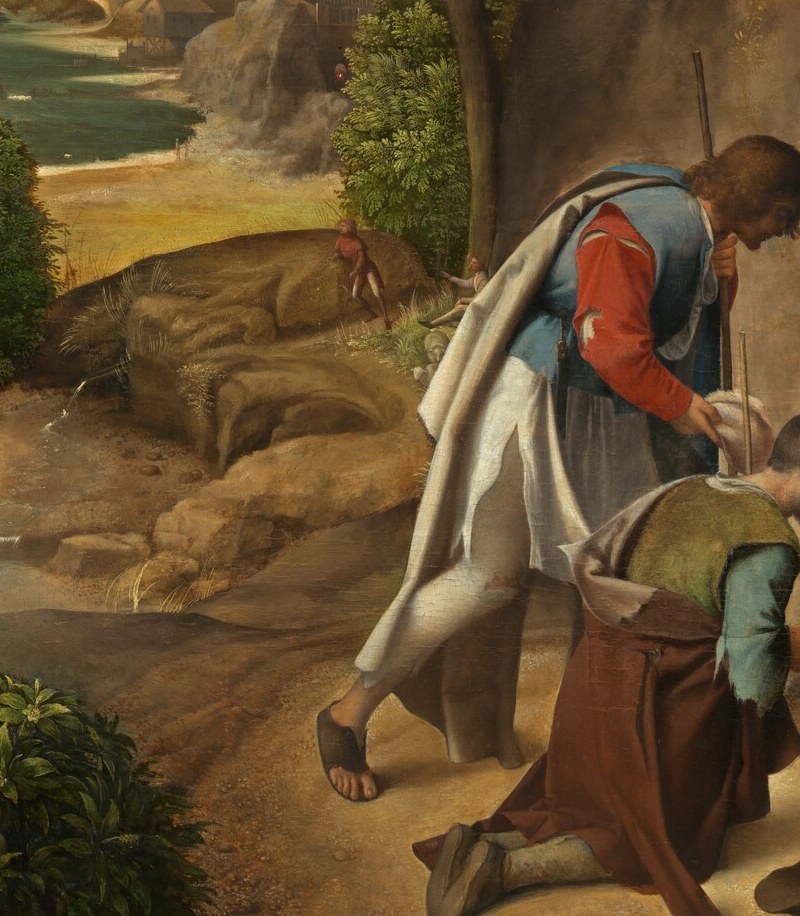
Look first at the ground beneath the infant Christ. The earth there is slightly paler, as if the child himself is the source of the light that illuminates the scene. That is a theological idea made physical in paint, subtle enough to be symbolic rather than literal, but it anchors the whole composition. Then look at the kneeling shepherd, whose deep bow pulls your eye downward to the infant. His silhouette creates a diagonal line from the standing shepherd on the left all the way to the Christ child.
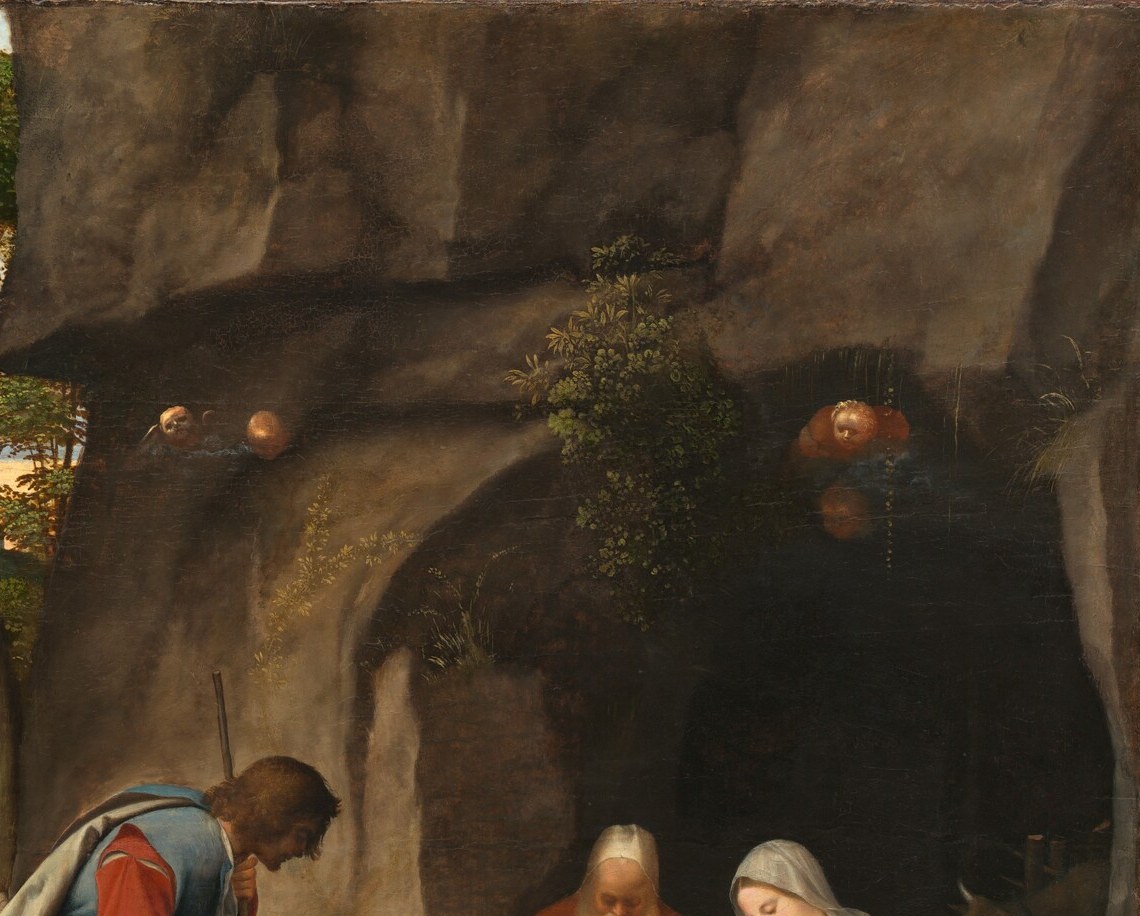
The attribution is still not settled. A minority of scholars argue this is an early work by Titian, who studied alongside Giorgione in the same Venetian workshops. Giorgione died young, possibly of plague, around 1510, leaving behind fewer than twenty paintings that are universally accepted as his. His habit was to paint slowly, layering oil glazes to create soft, glowing shadows, a technique called sfumato that you can see in the luminous cave interior here. He painted for private collectors, not churches, and his small, quiet, poetic works were called poesia, poems in paint.
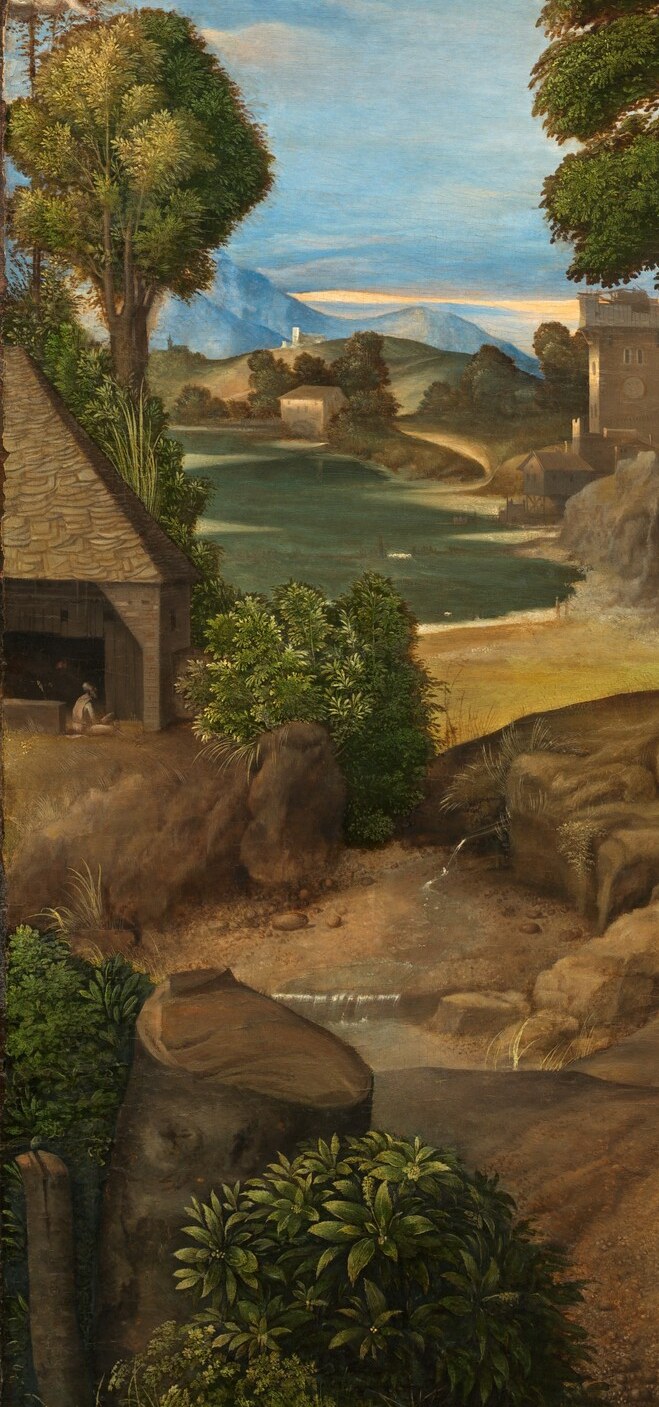
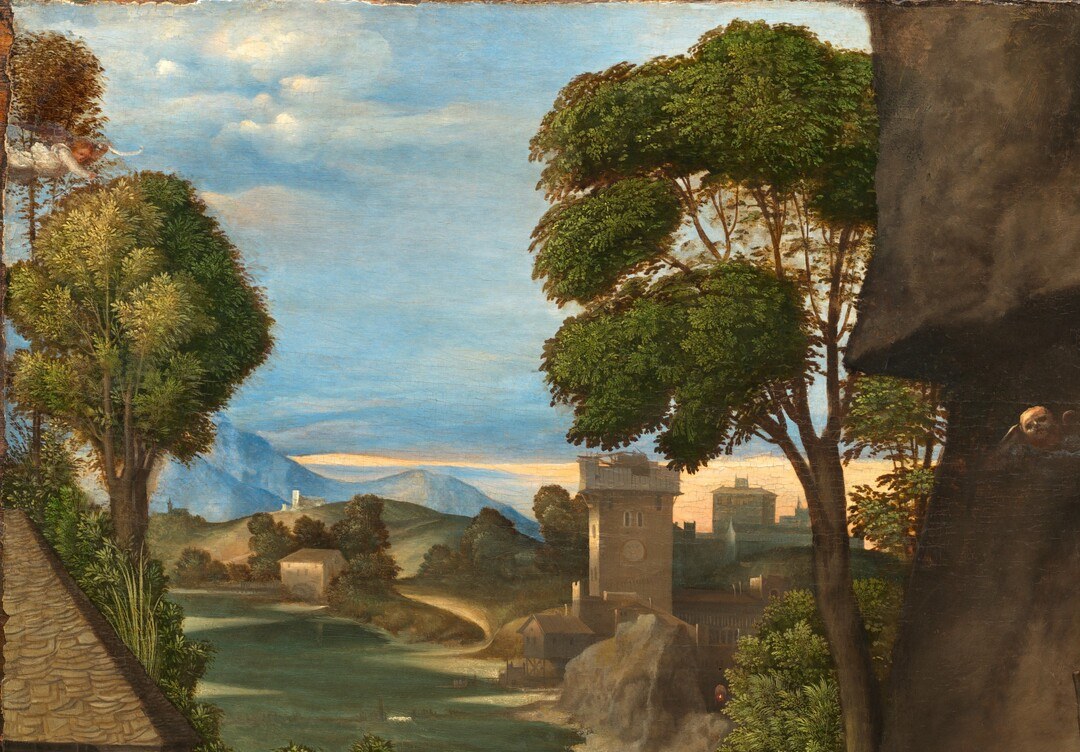
The painting itself is a study in contrasts: the dark grotto on the right, the sunlit Venetian landscape on the left. Two worlds, one sacred, one earthly, held inside the same panel. Look for the tiny white town in the distant hills. It anchors the miracle in an inhabited, ordinary world.
#arthistory #giorgione #renaissance
Details
Transcript
For a century, it was not called a Giorgione. It was the Allendale Nativity, named for the lords who owned it. Two shepherds kneel before an infant on bare ground. The light does not come from the sky. It comes from the child. In 1938, the dealer Duveen brokered its sale to an American collector. Scholars still argue whether this is Giorgione, or an early Titian. He died young, leaving fewer than twenty paintings we can be sure of.