The Holy Family with Saints Anne and Catherine of Alexandria by Jusepe de Ribera
View the artwork: The Holy Family with Saints Anne and Catherine of Alexandria →
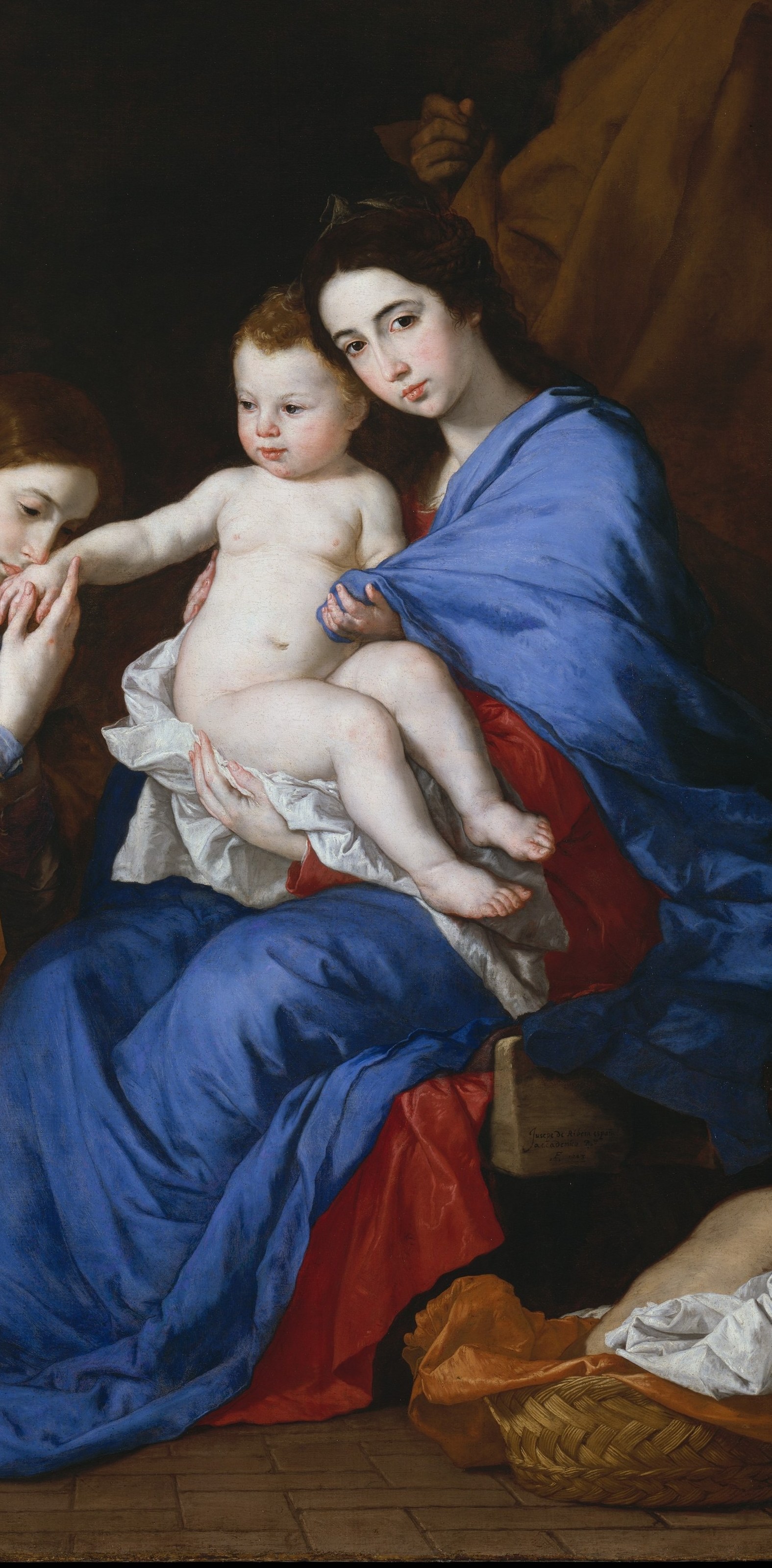
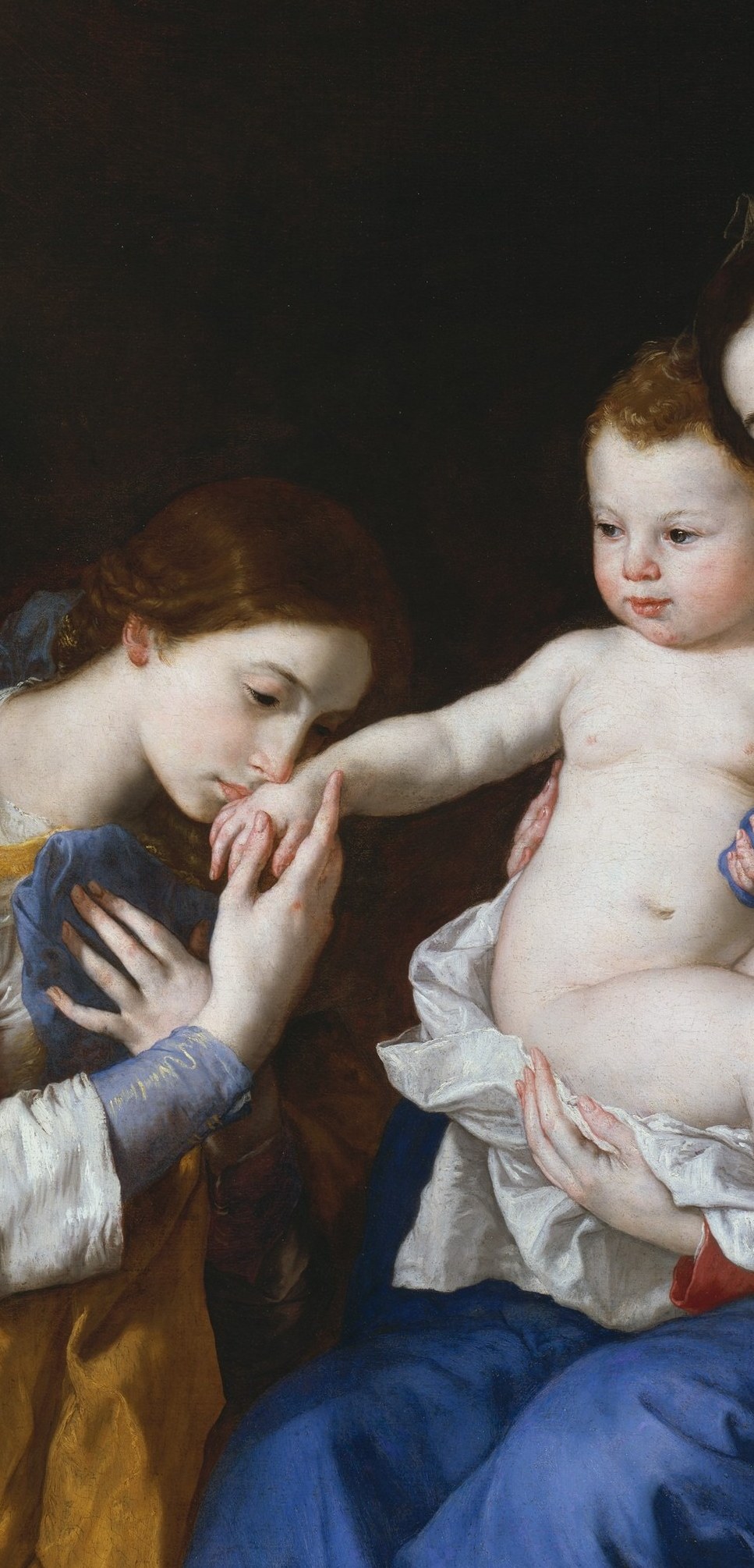
The Holy Family with Saints Anne and Catherine of Alexandria, painted by Jusepe de Ribera in 1648, lives at the Metropolitan Museum of Art. It is a masterclass in tenebrism, the technique of making figures materialize from an abyss of shadow with no visible light source at all.
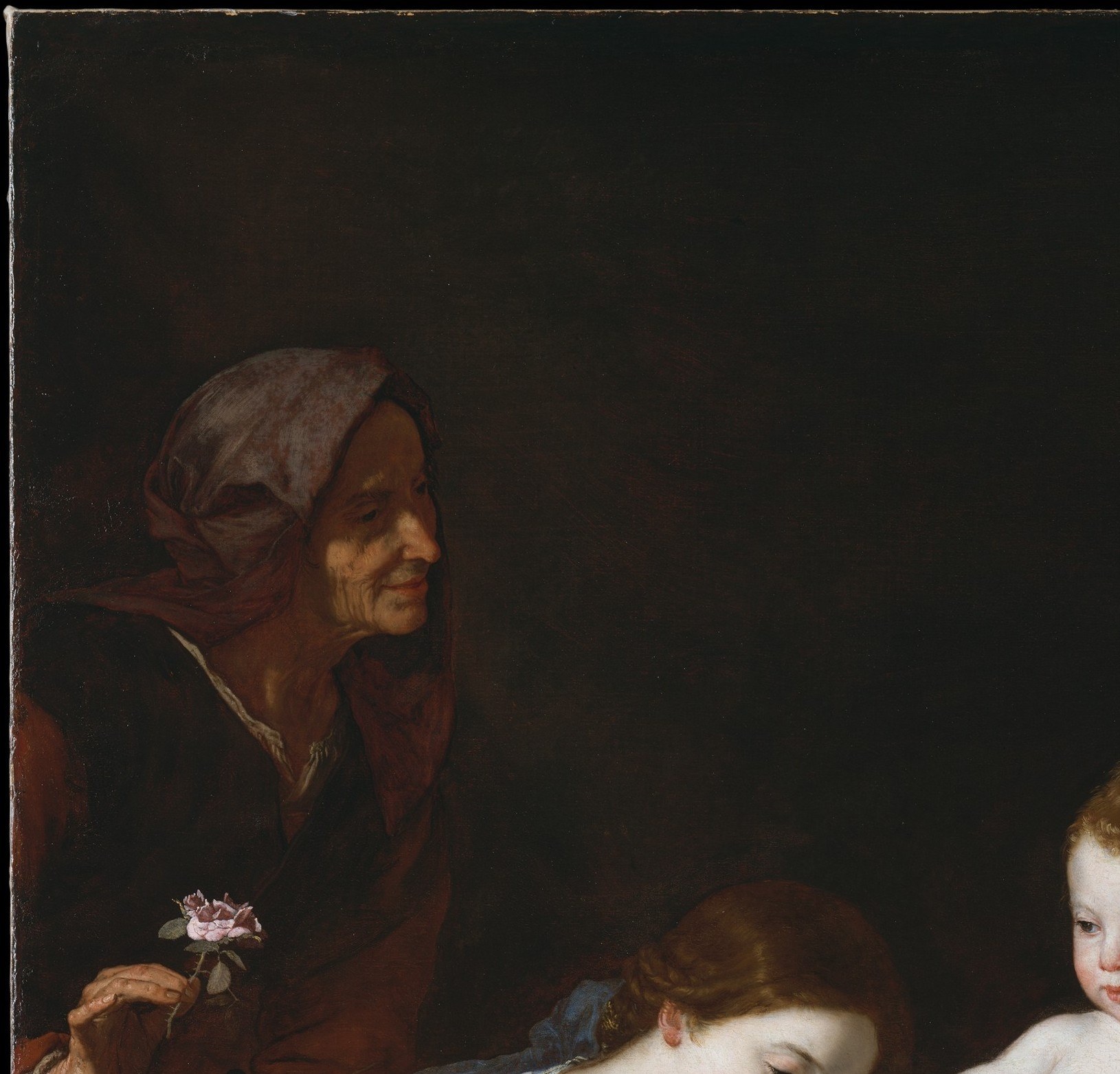
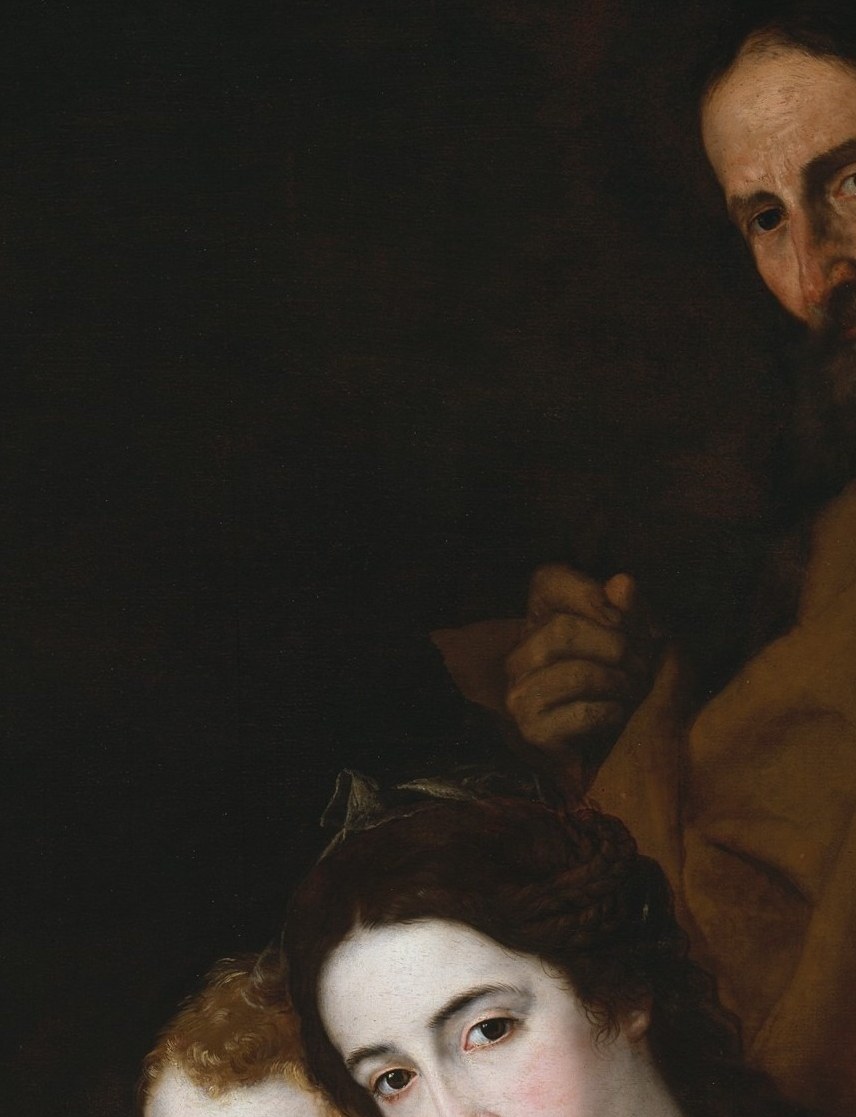
Look at the upper half first. Joseph is there, but barely. Saint Anne is even fainter, her elderly face a half-remembered presence at the threshold of visibility. In the upper right margin, nearly lost, is an obscured figure most people never notice. Ribera hid bodies in the darkness, rewarding the patient eye.
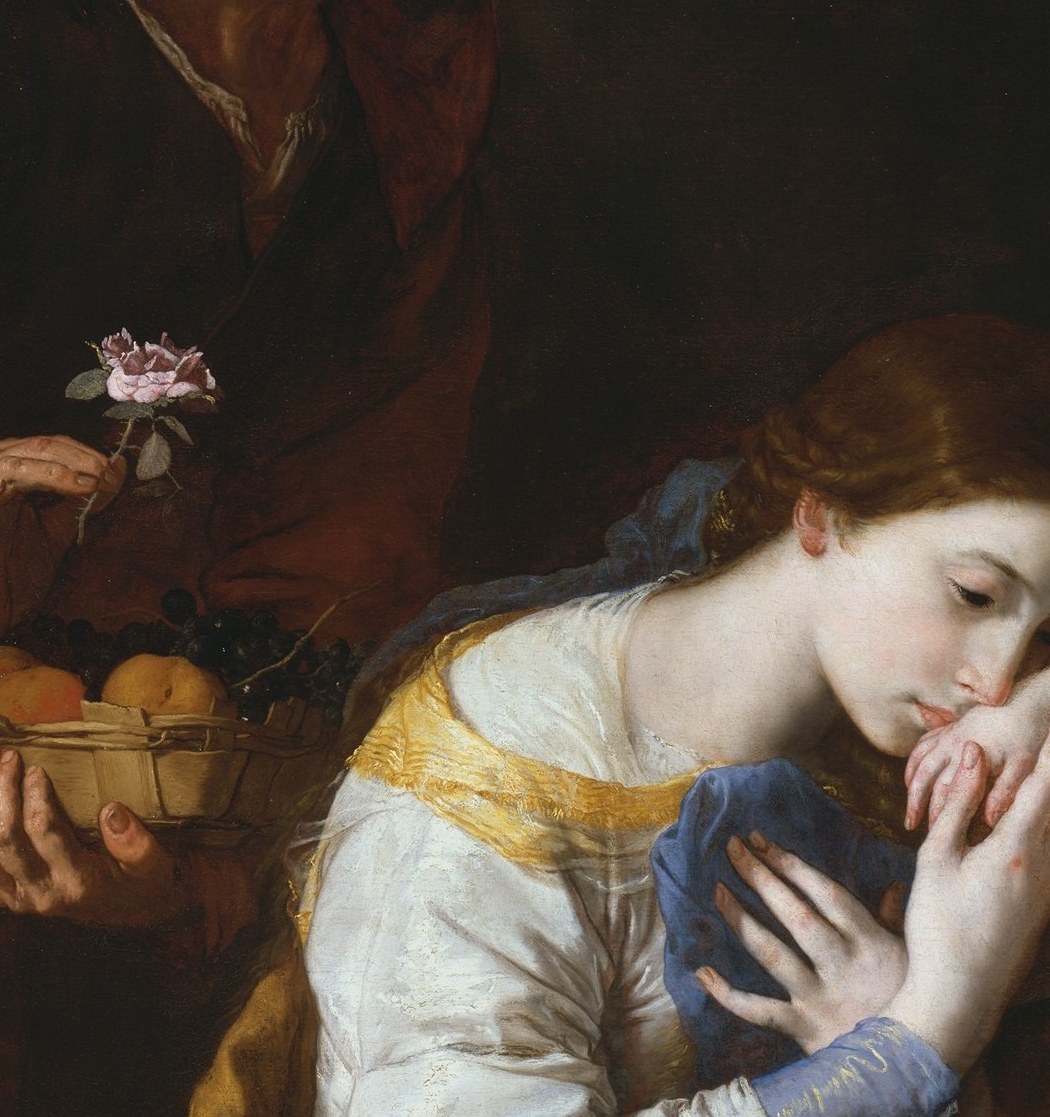
The only brightness in the painting falls on the central group: the white cloth, the Christ Child, Mary's blue mantle, and Saint Catherine's reaching hands. That light has no painted origin. It is simply there, radiating outward from the infant as if the sacred itself were the source.
Ribera was called Lo Spagnoletto, the Little Spaniard, by his Italian contemporaries. He spent his career in Naples, then a Spanish territory, and became Baroque painting's great poet of darkness and flesh. This canvas entered the Met in 1934 from the Earl of Harewood, and later made a cameo in The Sopranos. The darkness still works.
#arthistory #baroque #ribera
Details
Transcript
First, the darkness. Figures surface out of it like stone from deep water. Joseph's face is nearly swallowed by shadow. Saint Anne is even further gone. Old Testament history, receding. A hidden figure sits in the upper right. Most viewers never notice. No light source is painted. The glow has no origin. Ribera's tenebrism: divinity arriving as light out of absolute black.