Lilacs in a Window by Mary Cassatt
View the artwork: Lilacs in a Window →
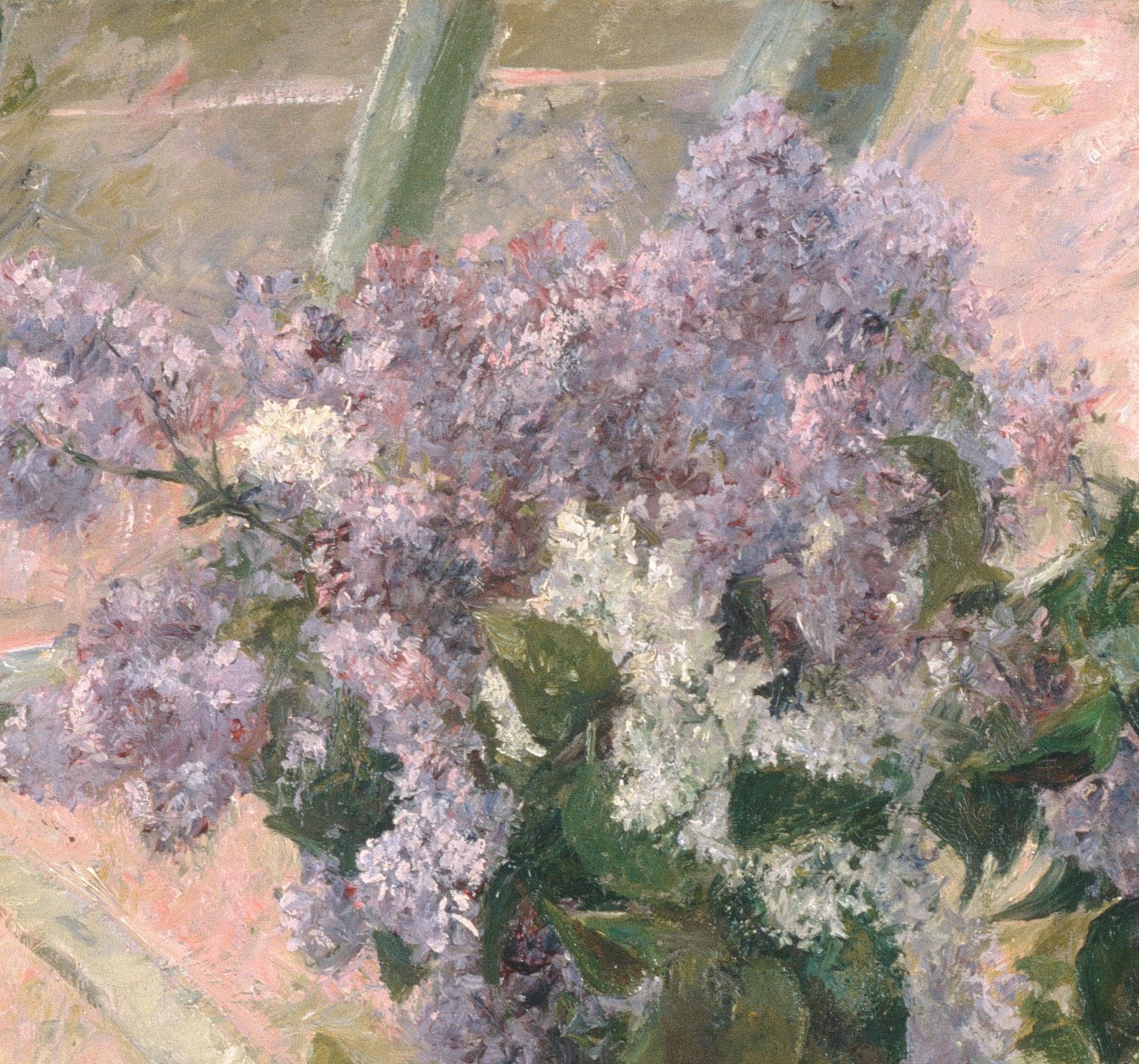
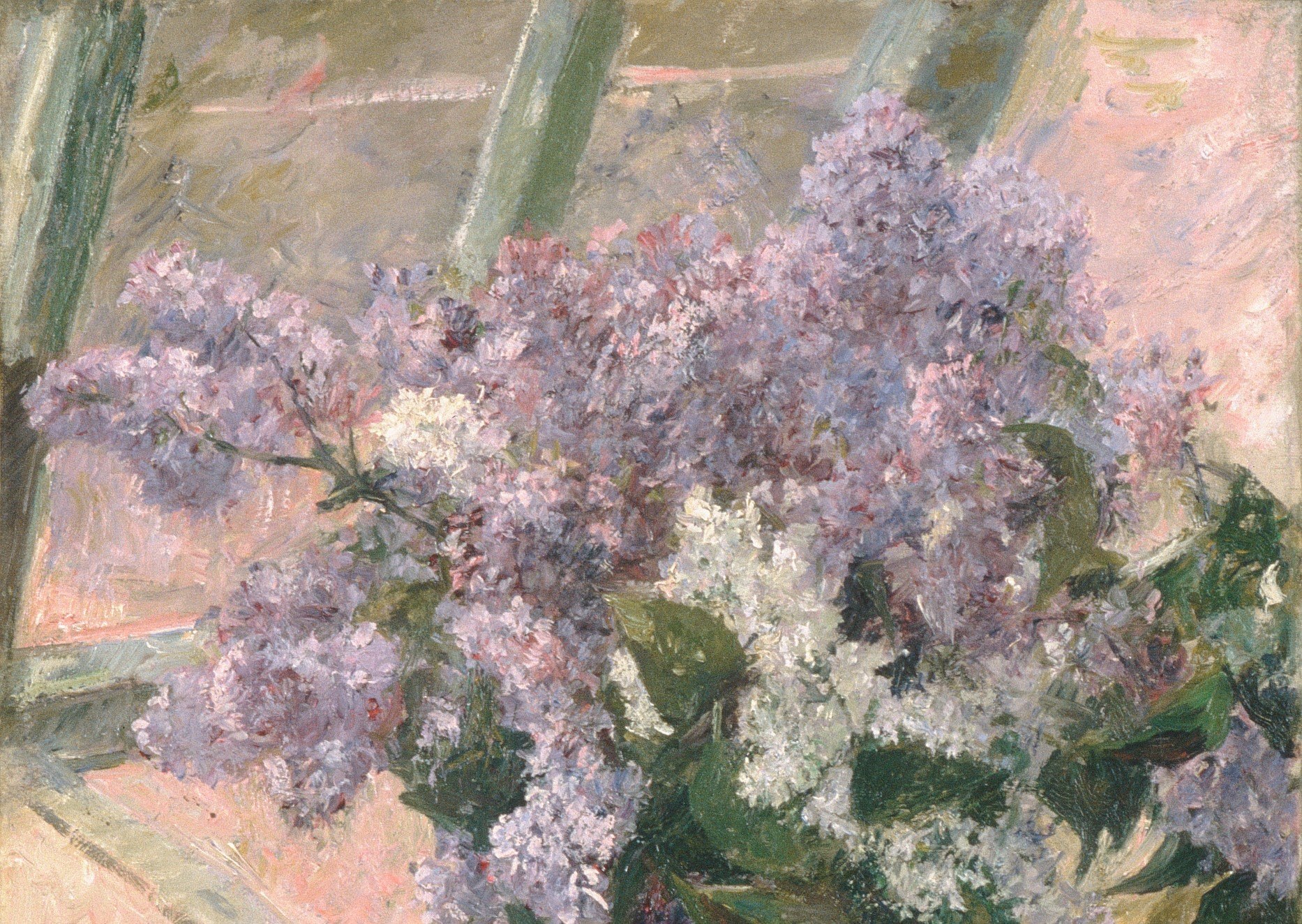
This is Mary Cassatt's "Lilacs in a Window," painted in 1880, now at The Metropolitan Museum of Art. It is one of the very few still lifes she ever made. Cassatt is famous for painting women and children, but here she turned her eye to a bouquet and quietly proved she could make paint do what her friend Degas did: capture light itself.
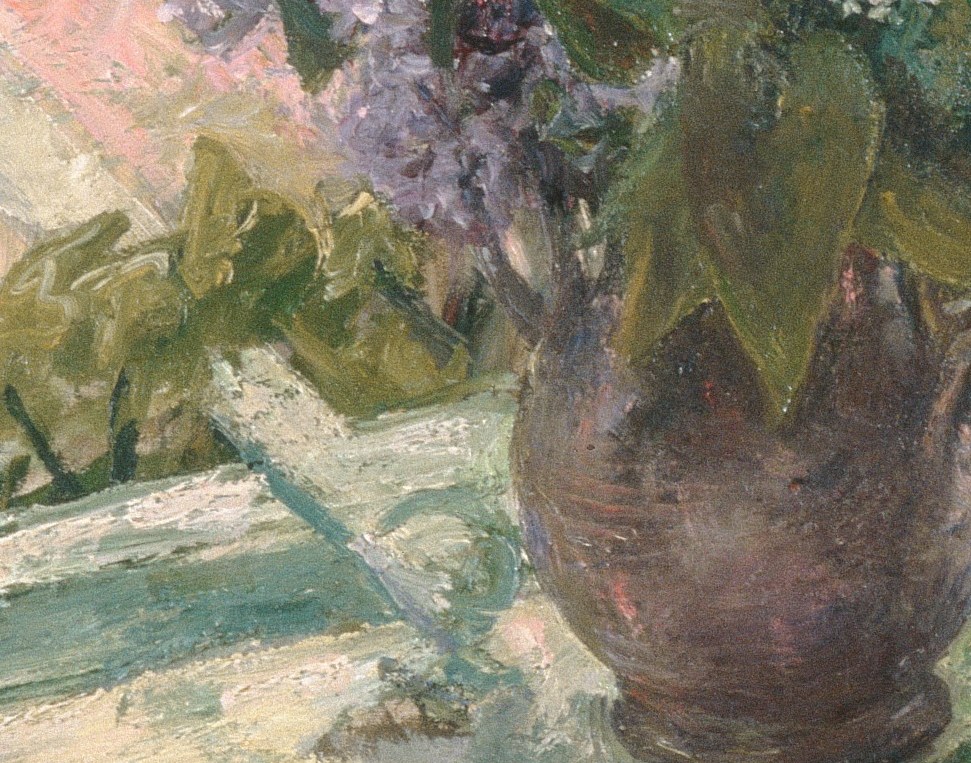
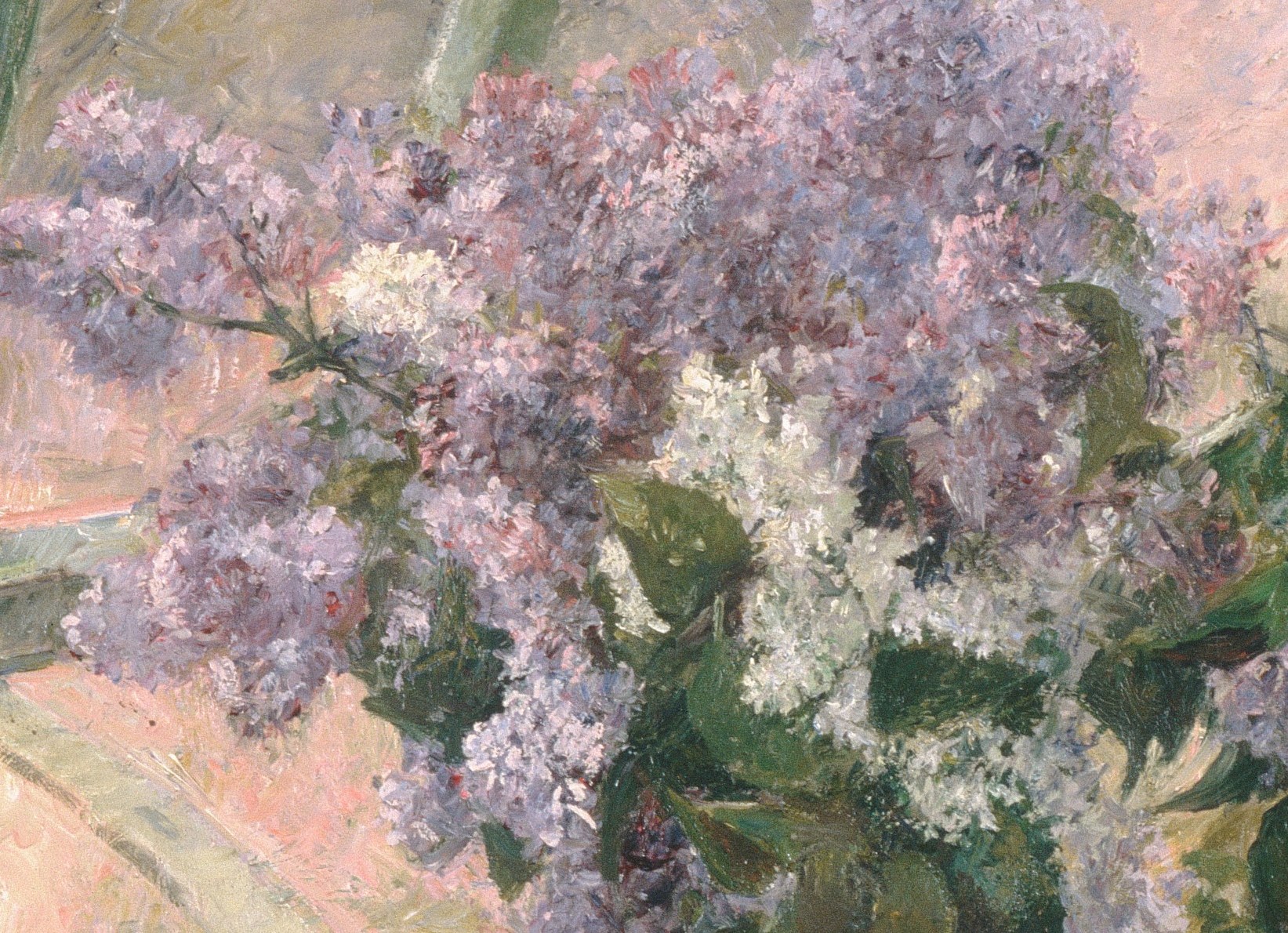
Look at the blossom cluster. Cassatt gave up on outlines. She used short, feathery brushstrokes that dissolve solid form into pure color sensation. The lilacs vibrate against the window light because no single floret is stiffly described. Then look at the windowsill shadow. It is not a neutral gray. It is tinted violet, picking up the reflected color of the blooms. That was a radical choice, an Impressionist insistence that shadows carry color, not just darkness.
Cassatt painted this for Moyse Dreyfus, a Parisian collector and early patron. She had been introduced to him through her Impressionist circle, and she had already painted his portrait the year before. This little bouquet was a gift of friendship, and it shows her studying the same problem that absorbed her colleagues: how to paint light dissolving across everyday life without letting the object turn solid and dead.
The painting hangs in Gallery 774 at the Met. Next time you see lilacs, watch for the violet in the shadow beneath them.
#arthistory #marycassatt #impressionism
Details
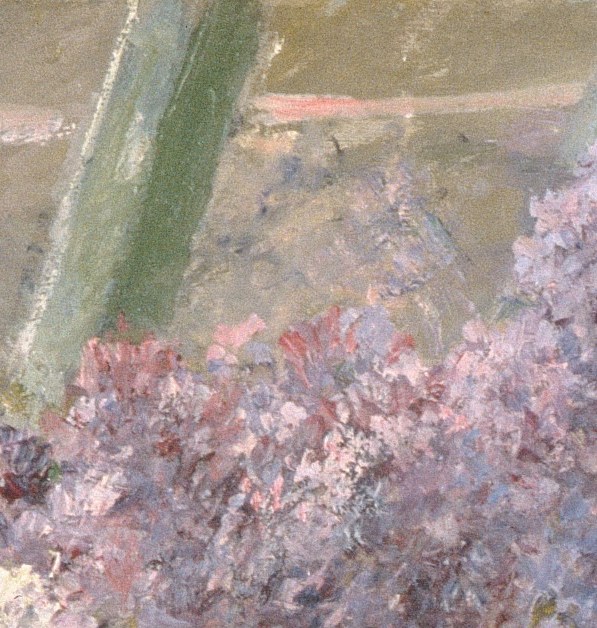
Transcript
A vase of lilacs. It looks simple enough. But Mary Cassatt rarely painted still lifes. She painted people. So why these flowers? Move closer. See that? The flowers are losing their edges. Cassatt dragged the brush in short, feathery strokes. No solid outlines. She painted light touching flowers, not flowers themselves. And she hid the trick in the shadow. See the sill. It is not gray. It is violet, the bloom's color reflected back into the room.