Charles Maurice de Talleyrand Périgord (1754–1838), Prince de Bénévent by François Gérard
View the artwork: Charles Maurice de Talleyrand Périgord (1754–1838), Prince de Bénévent →
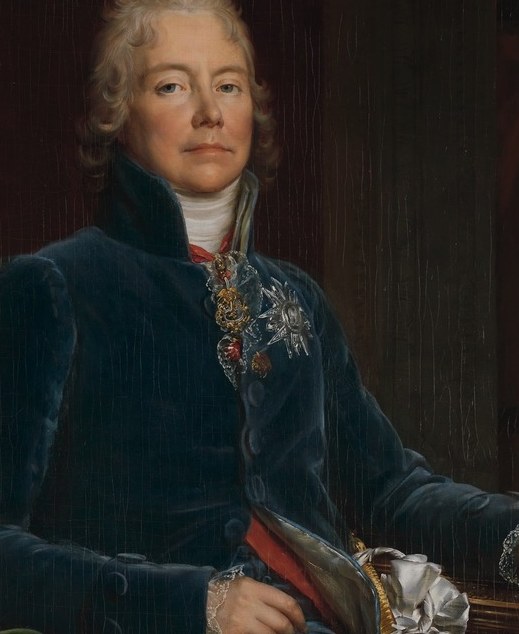
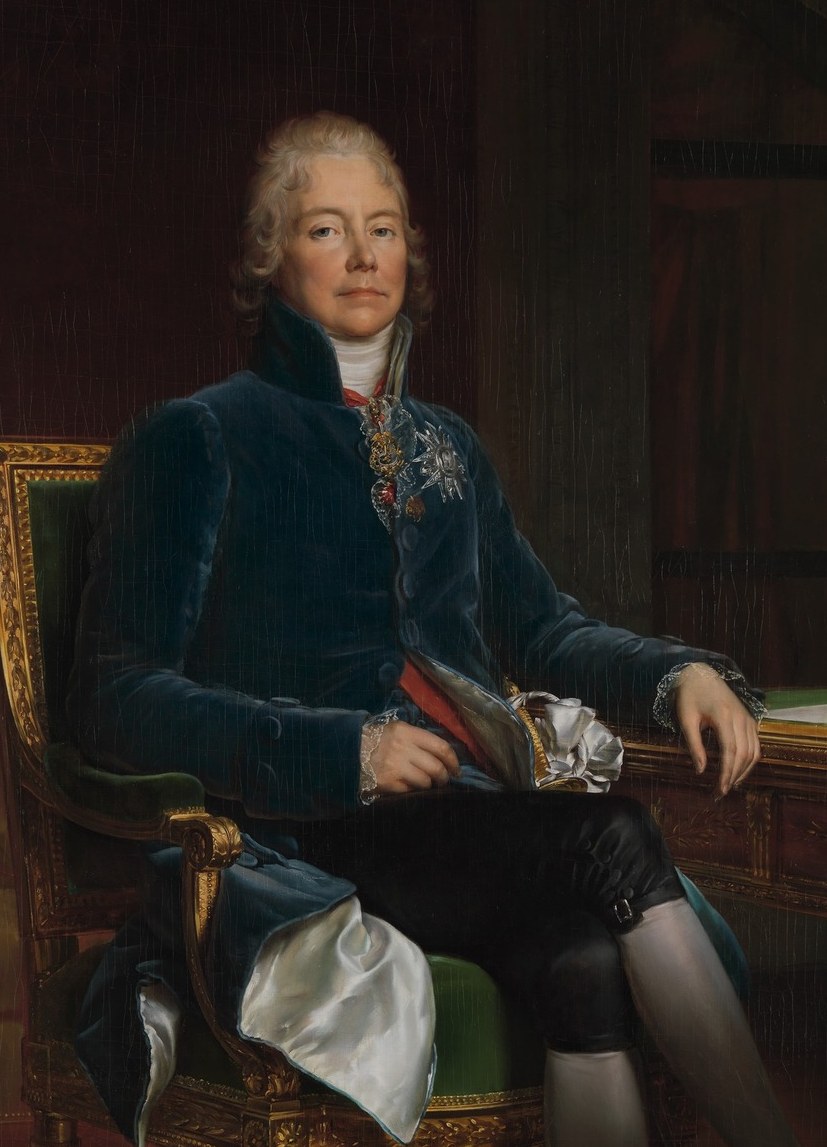
Francois Gerard painted this portrait of Charles Maurice de Talleyrand in 1808, and it is now held at the Metropolitan Museum of Art in New York. Talleyrand had just resigned as Napoleon's foreign minister, breaking with the Emperor over his relentless military expansion. What you are looking at is a man declaring, in code, whose side he is really on.
Look first at the crimson sash and star. That is the Grand Cordon of the Legion of Honor, an order created by Napoleon. Talleyrand wears it prominently, yet he had just walked away from Napoleon's government. The contradiction is the message. Then look at the chair: its gilt frame and tapered legs are unmistakably Louis XVI, pre-Revolutionary. This is not a piece of Empire furniture. It is a subtle, deliberate social signal about where his roots lie.
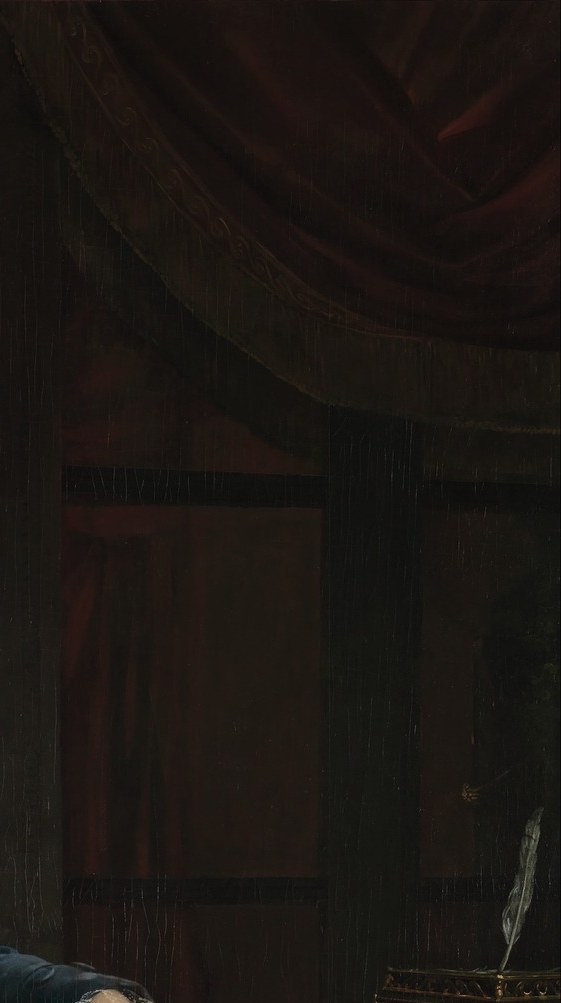
The document folded in his right hand is the diplomat's prop. We cannot read it, but the message is clear: his currency is paper, not battlefields. The volume of correspondence on the desk reinforces that this man moved Europe with letters and treaties. His face is unreadable, exactly as it should be for a political survivor who outlasted the Revolution, the Directory, the Consulate, and Napoleon himself.
Every object in this portrait is a credential, chosen and placed. Talleyrand spent his life staying one step ahead of the guillotine and the firing squad, and he knew a painting could function as a political negotiation by other means. What do you think the folded document represents?
#arthistory #francoisgerard #napoleonicart
Details
Transcript
He wears Napoleon's highest honor. But when this was painted, he had just resigned. His right hand holds the tool of his real power: a document. Paper, not armies, moved Europe's borders. He sits in a chair from before the Revolution. A quiet signal that his loyalties predate Napoleon entirely. The sash says he serves. The chair says he waits.