Madame de Saint-Maurice by Joseph Siffred Duplessis
View the artwork: Madame de Saint-Maurice →
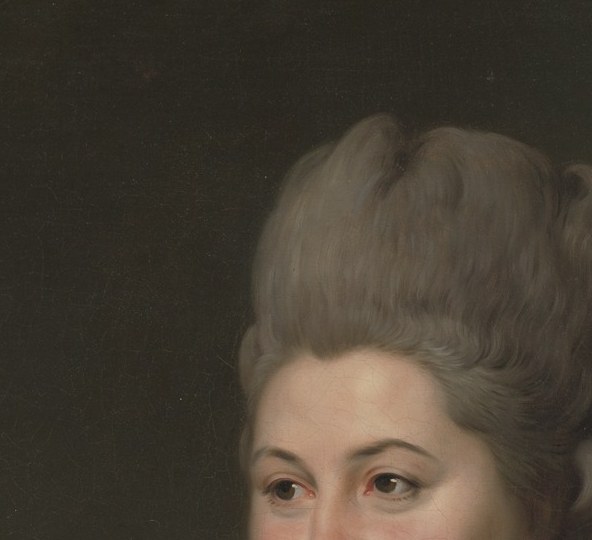
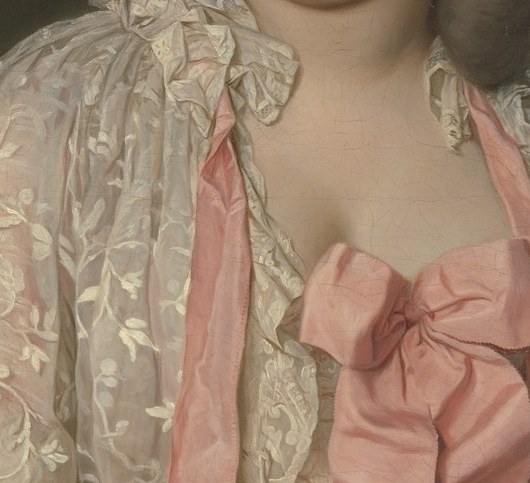
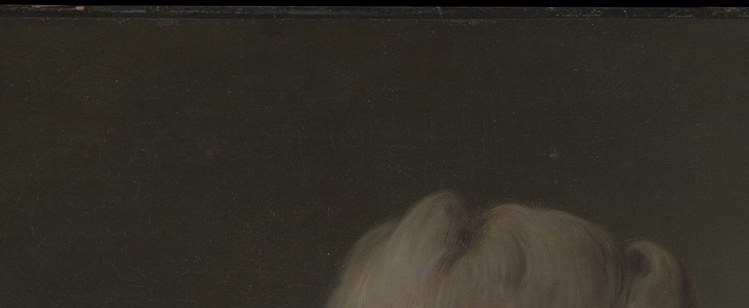
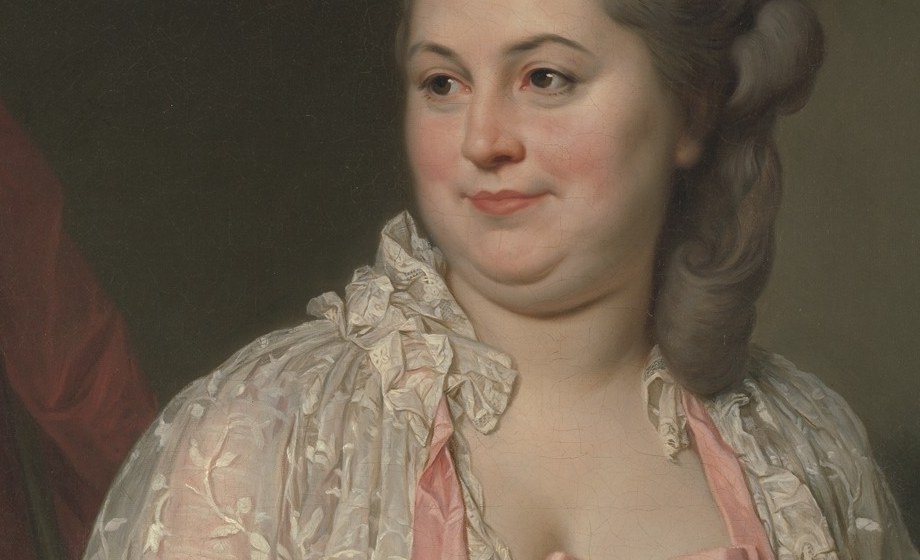
This is Joseph Siffred Duplessis's "Madame de Saint-Maurice," painted in 1776. On the surface, it is a portrait of a wealthy woman in a pink silk gown with a towering powdered coiffure. But the real story is in her face, and the political earthquake that would soon swallow the artist who painted it.
Look at her eyes and the subtle, closed-lip smile. In 1776, this directness was Duplessis's signature and the key to his meteoric rise. Aristocratic portraits were typically masks of formality, but Duplessis gave his sitters a quiet, psychological openness. Madame de Saint-Maurice looks at you like she might speak. That intimacy made him the favorite portraitist of the French court and earned him the position of official painter to King Louis XVI.
The technique is virtuosic. Duplessis built the translucent lace and shimmering silk through meticulous glazing, layering thin washes of oil paint to let light seem to pass through the fabric. The saturated pink bow is the painting's chromatic anchor, a deliberate signal of fashionable wealth on the eve of a revolution that would make such displays a liability.
When the French Revolution erupted in 1789, Duplessis's royal associations became a life-threatening problem. The intimate, human style that had charmed the aristocracy suddenly read as propaganda for the old regime. He survived the Terror, but his career never recovered. The new France demanded stern, heroic, neoclassical virtue, not a woman with a quiet smile. This portrait captures a final moment of grace before a world turned upside down.
#arthistory #frenchart #18thcentury
Details
Transcript
Paris, 1776. A painter stakes his future on a single face. She meets your gaze directly. No fan, no mask, no allegorical disguise. Just a faint, private smile, rare in a formal commission. This realism made Duplessis famous. He became Louis XVI's court painter. But after the Revolution, that same royal connection nearly destroyed him. The intimacy he taught Paris to love suddenly read as dangerous proximity to the crown. He survived, but his direct psychological portraits were replaced by heroic, cold neoclassicism. A style that once felt like honesty was, in a new world, left behind.