Archery Contest by Chinese Qing Dynasty
View the artwork: Archery Contest →
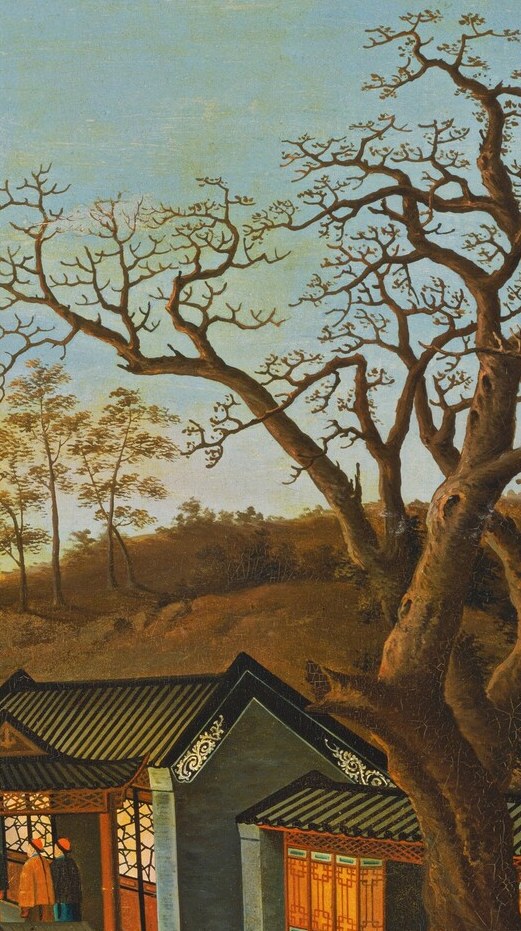
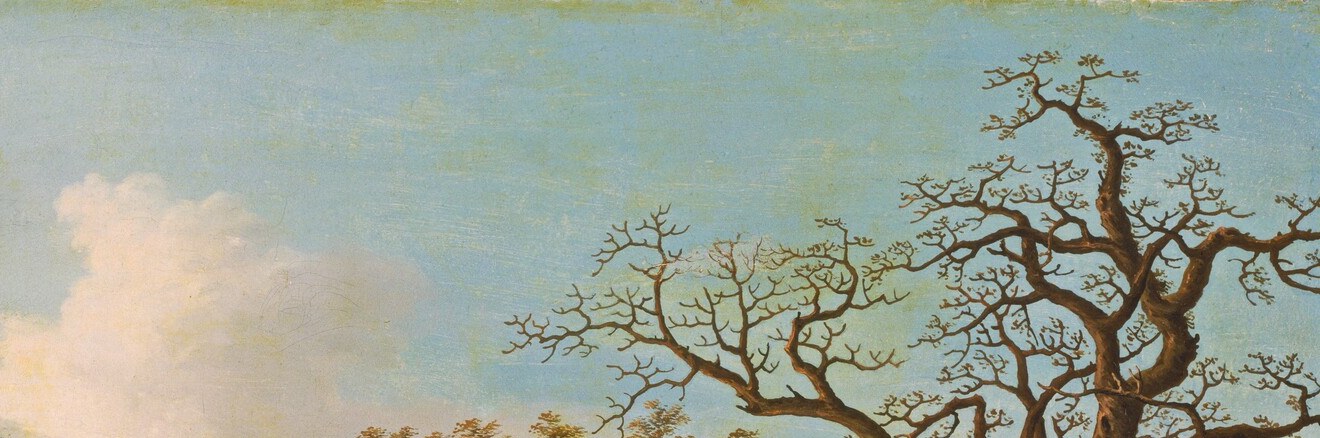
This is 'Archery Contest,' a 19th-century Qing Dynasty painting made with oil on cotton, now in the National Gallery of Art. The artist remains anonymous, but their choice of medium tells the first story: oil on cotton was a European import, evidence of a China increasingly in dialogue with the West.
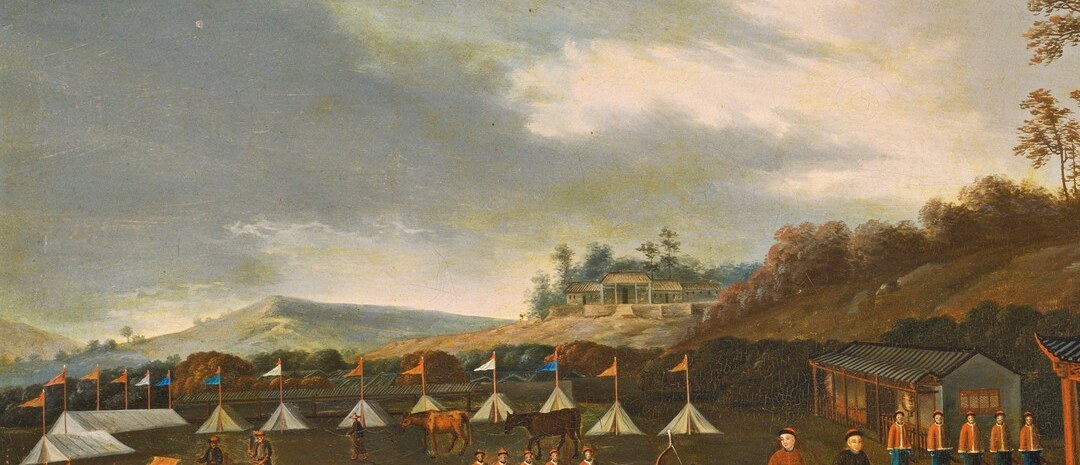
Look past the surface action. The upright banners aren't festive decoration. They correspond to the Eight Banners system, the foundational Manchu military and social structure that governed Qing China. Beside them, the kaleidoscope of robe colors isn't incidental. Different hues and hat styles denote specific ranks, separating Manchu bannermen from Han officials and attendants. Every figure has a coded place.
The painting's provenance is a Washington secret history. Gifted to the National Gallery in 1969, it spent fifteen years on extended loan to Blair House, the President's official guest residence, where visiting heads of state would have walked past it. It later hung in Chief Justice William Rehnquist's chambers at the Supreme Court, and then in the office of the U.S. Trade Representative.
A martial ritual dressed as sport, painted in a borrowed Western medium, hanging silently in rooms where American power was exercised. The painting has traveled strange circles.
#arthistory #qingdynasty #chinesepainting
Details
Transcript
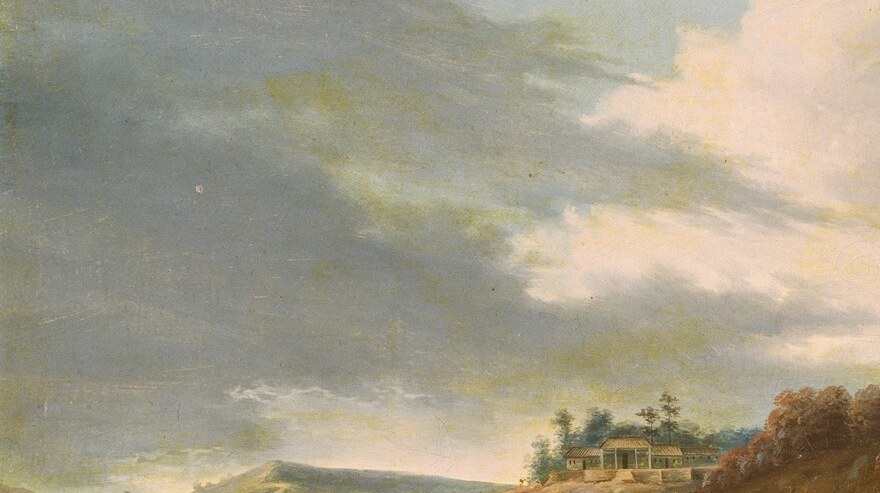
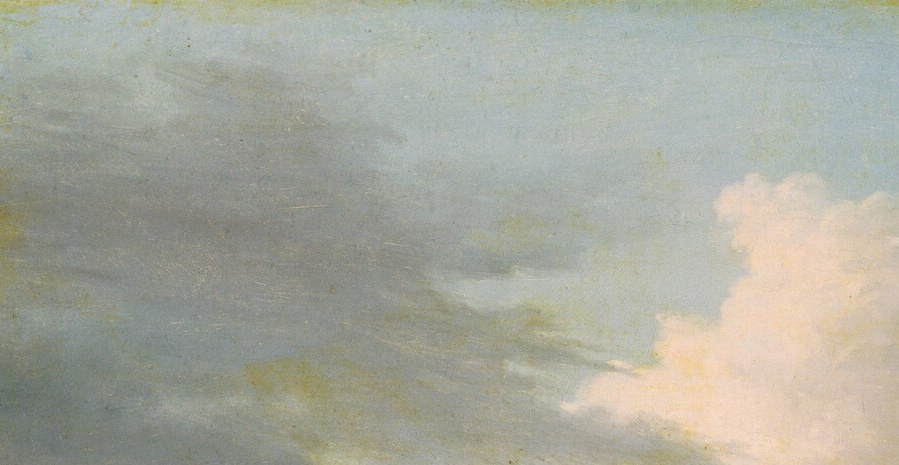
First, look at the storm clouds. European-style drama in a Qing court painting. That alone is rare. Now the banners. These aren't decoration. They mark the Eight Banners, the Manchu military system that ruled China. The colors on the robes encode rank, too. Bannermen, Han officials, attendants. A hierarchy you could read from fifty feet away. The horsemen aren't here to watch. Mounted archery was their battlefield test. What looks like a game is really an empire showing itself its own order.