The Love Letter by Boucher, François
View the artwork: The Love Letter →
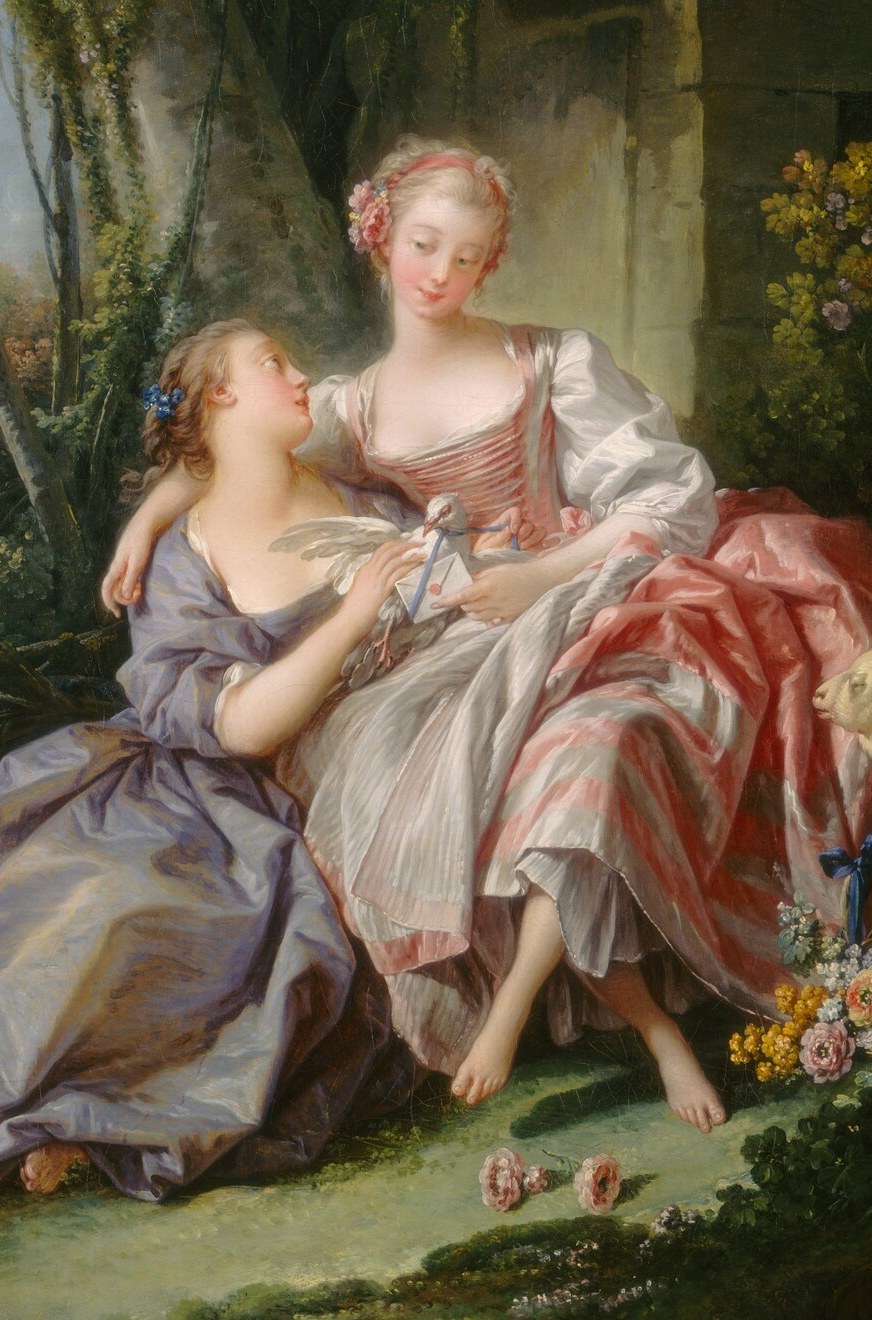
François Boucher painted "The Love Letter" in 1750, at the height of his fame as the favorite artist of Madame de Pompadour, Louis XV's chief mistress. It is now in the National Gallery of Art, Washington. The painting is a pure example of Rococo pastoral fantasy: a world built by and for the French aristocracy as an escape from the grime and noise of mid-18th-century Paris.
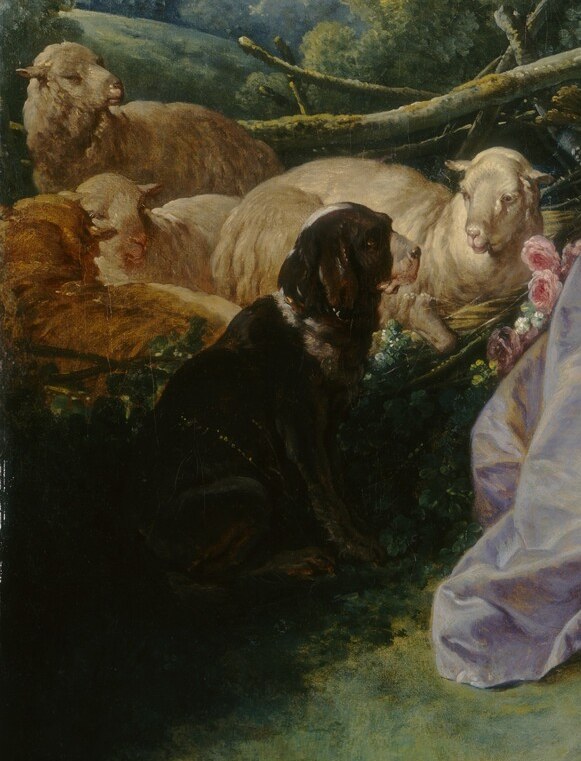
The scene centers on two women, not the shepherd and sheep in the background. The woman in pink reads a small letter while her companion in blue leans close. Their hands meet over the paper, and the entire composition turns on this small, ambiguous gesture. The sheep are standard pastoral props, symbols of innocent affection in a landscape that never really existed.
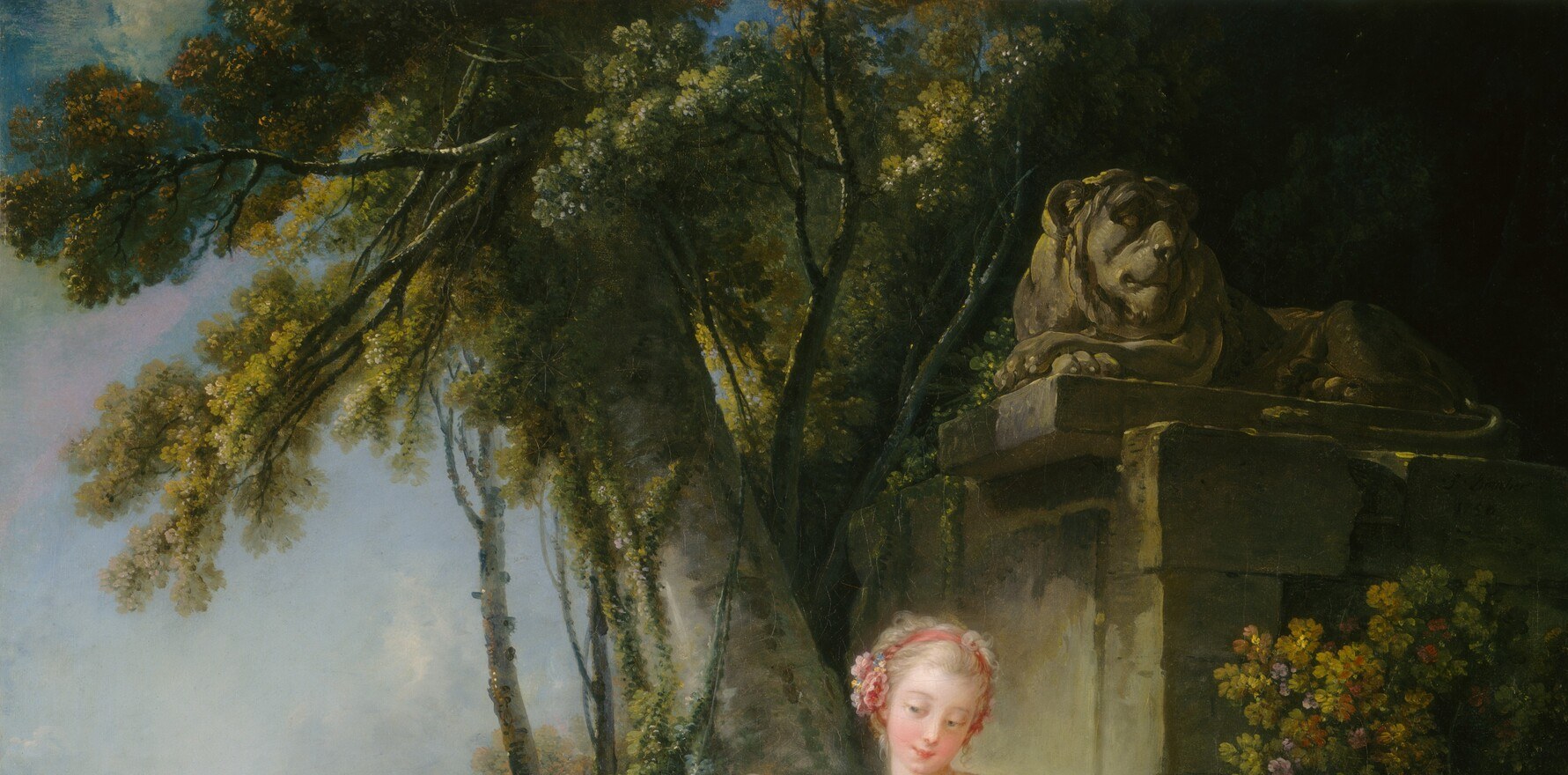
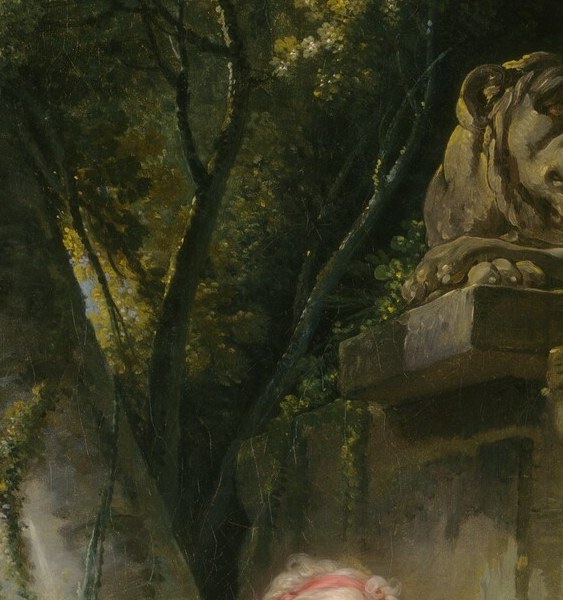
Look at her hair: the powdered coiffure and pink ribbon are precise markers of early 1750s French court fashion. Boucher dressed his pastoral figures in the clothes of his aristocratic patrons, blurring the line between fantasy and flattery. If you look up into the trees above them, you will spot a carved stone urn, half-hidden: a sign that this is an orchestrated garden, not real countryside.
Boucher was the most celebrated decorative artist of his century, and this painting shows why. Every surface, from the billowing pink silk to the basket of flowers at the lower right, is rendered with a lightness that feels almost airless. The picture never lets you forget it is a performance. What do you think the letter says?
#arthistory #francoisboucher #rococo
Details
Transcript
Paris, 1750. The city was crowded, noisy, and rank. So the aristocracy dreamed of this: a clean, perfumed countryside. These sheep are jobbing actors. They mean innocent love. The real story is between these two women. One reads a letter. The other leans in to hear. Who wrote it? A lover? A husband? Boucher never tells. Her hair is powdered, her bow precisely dated. This is 1750s court fashion. Even the garden is a stage set: carved stone hidden in the trees.