The Power of Music by William Sidney Mount
View the artwork: The Power of Music →
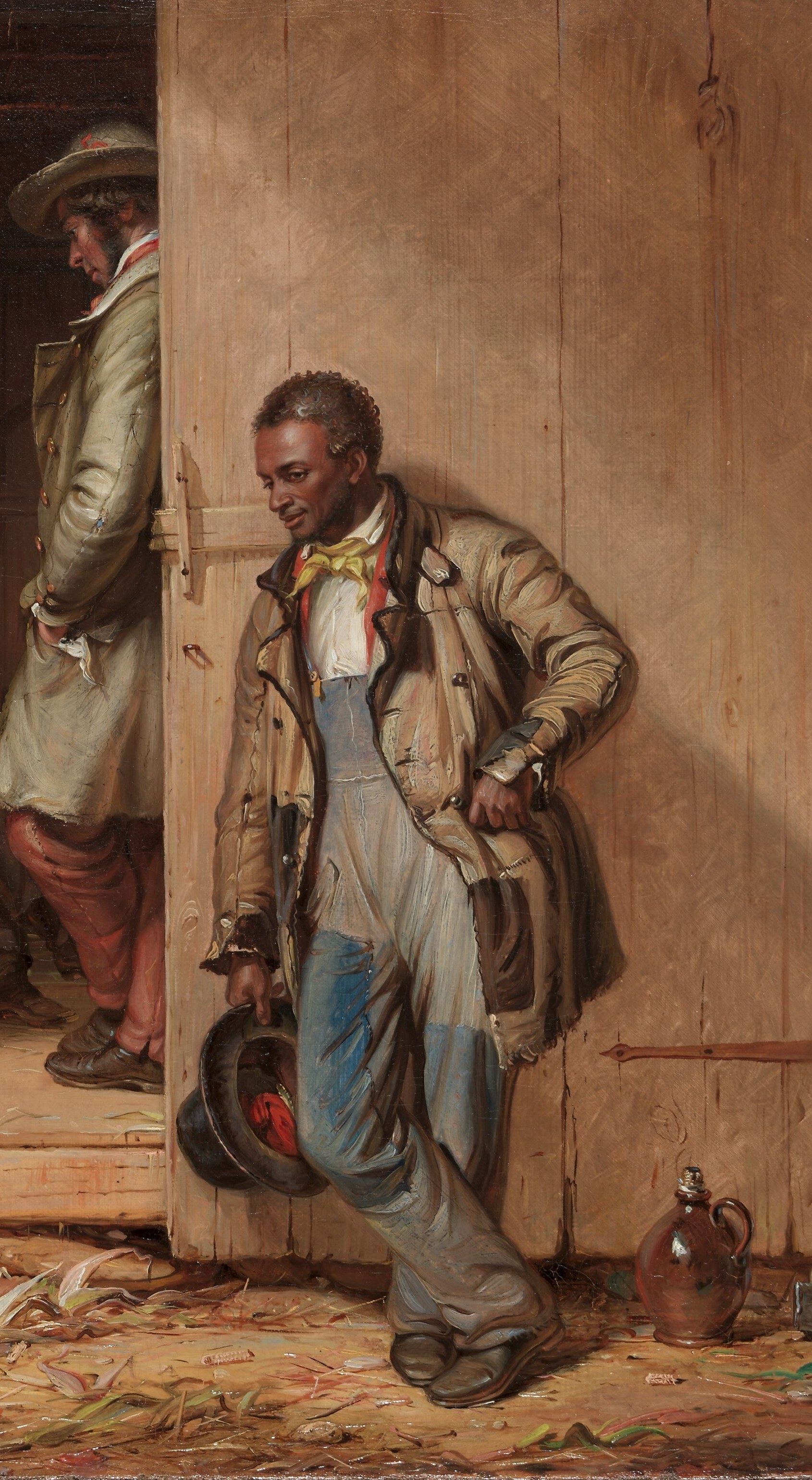
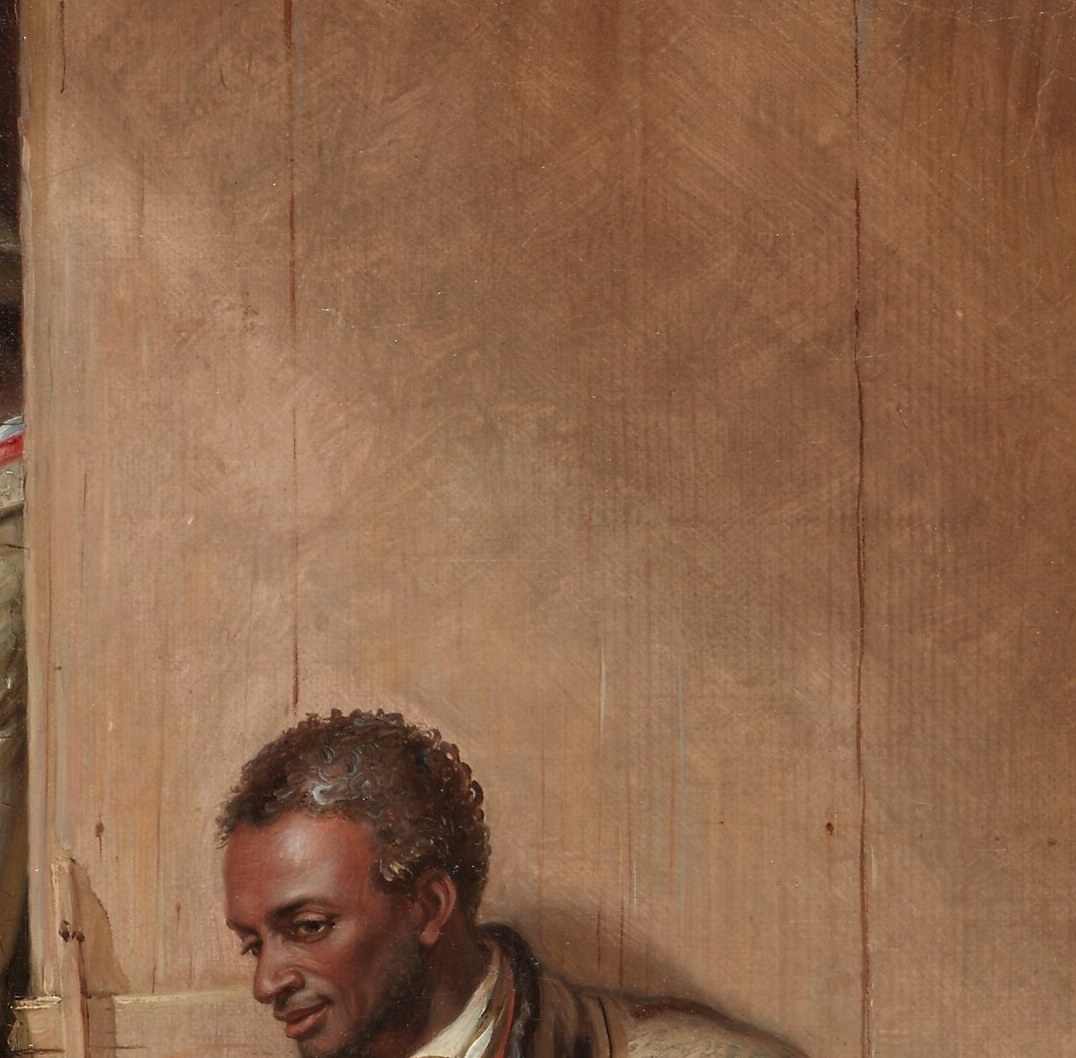
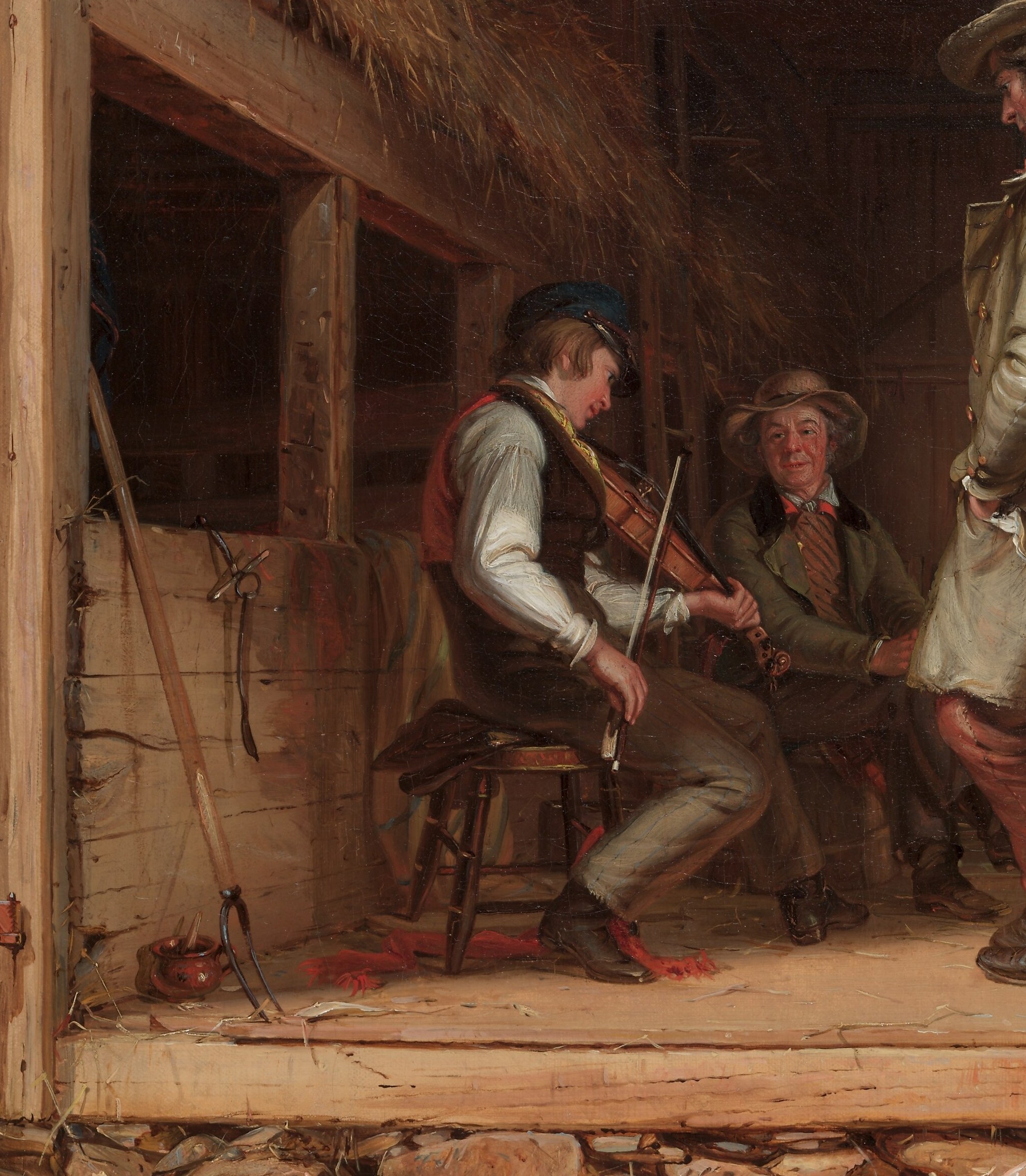
William Sidney Mount’s The Power of Music (1847) holds one of the quietest, most devastating thresholds in American painting. An African American laborer, hoe in hand, stands outside a barn door, arrested by the sound of a fiddle tune he cannot enter the room to share.
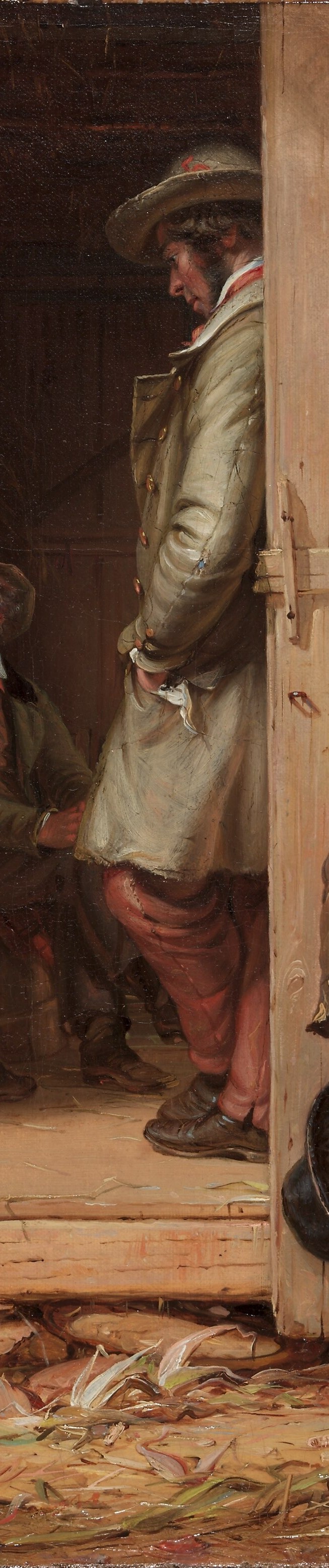
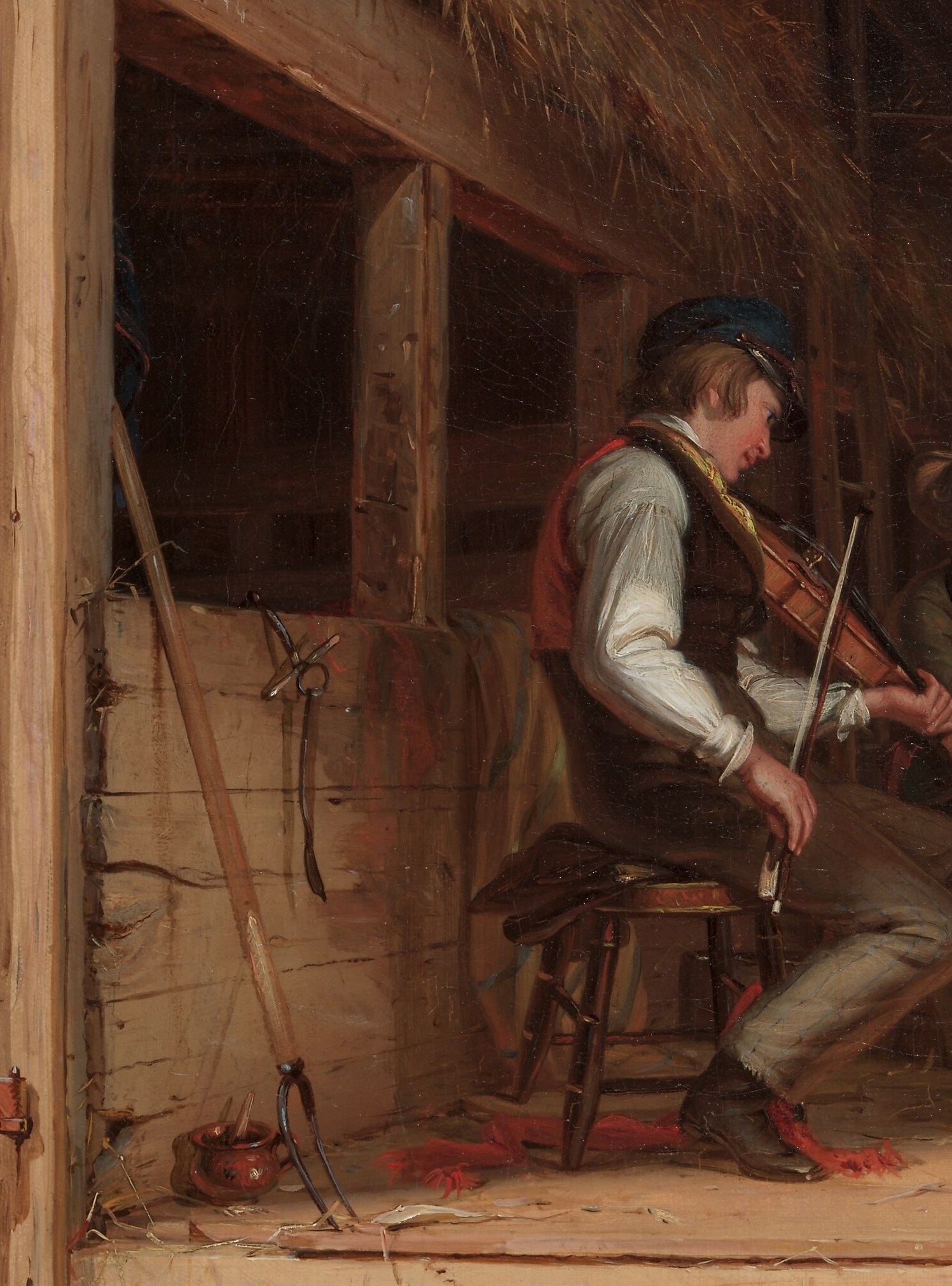
The painting splits its world with a barn post. On one side, white musicians sit in golden lantern light. On the other, the listener stands in cooler shadow, his face soft, his body still. He has stopped work for this. The jug at his feet places what little comfort there is on his side of the line.
Mount was an accomplished fiddler himself. He knew music’s power to disarm, to move someone involuntarily, and he chose to show that power reaching, right up to a boundary it could not cross. The painting debuted as The Force of Music at the National Academy in New York in 1847, commissioned by Laura Lee, whose husband had been mayor of New York City. It stayed in the family before spending over a century at The Century Association. It has lived at the Cleveland Museum of Art since 1991.
Music travels, but welcome does not always follow it. What do you see in the man’s face, patience, longing, or simply the pleasure of a good tune?
#arthistory #americanrealism #williamsidneymount
Details
Transcript
1847. Rural Long Island. The eve of a war. An ordinary barn. A fiddle tune drifting out. Inside: white men make music in warmth and light. But look at the edge of the doorframe. A Black laborer stands outside, hoe in hand. He has stopped working just to listen. Mount was a fiddler. He knew music could cross any line. But he also knew a door could stop a man cold.