Salome with the Head of Saint John the Baptist by http://www.wikidata.org/.well-known/genid/74ade1ff43a2abb42708571bb6e27a6b

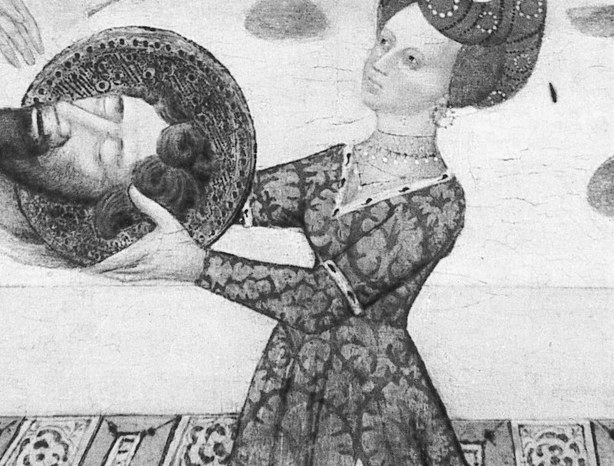
This is Salome with the Head of Saint John the Baptist, painted around 1500 by an unknown Flemish master. It hangs today in a public collection, still carrying the tension it was painted with: a domestic feast interrupted by a prophet's severed head.

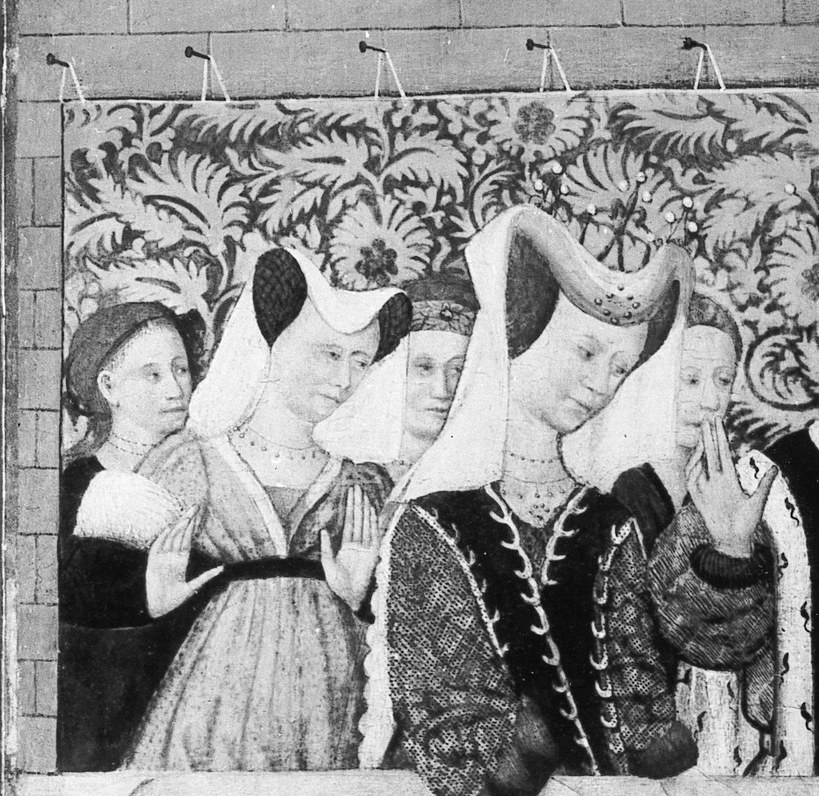
Start at the top, with the courtiers. The artist has given each one a different reaction, some lean in, one whispers, another recoils. They form an emotional chorus around the banquet table, and the white tablecloth cuts the painting in two: witnesses above, the lone figure of Salome below.

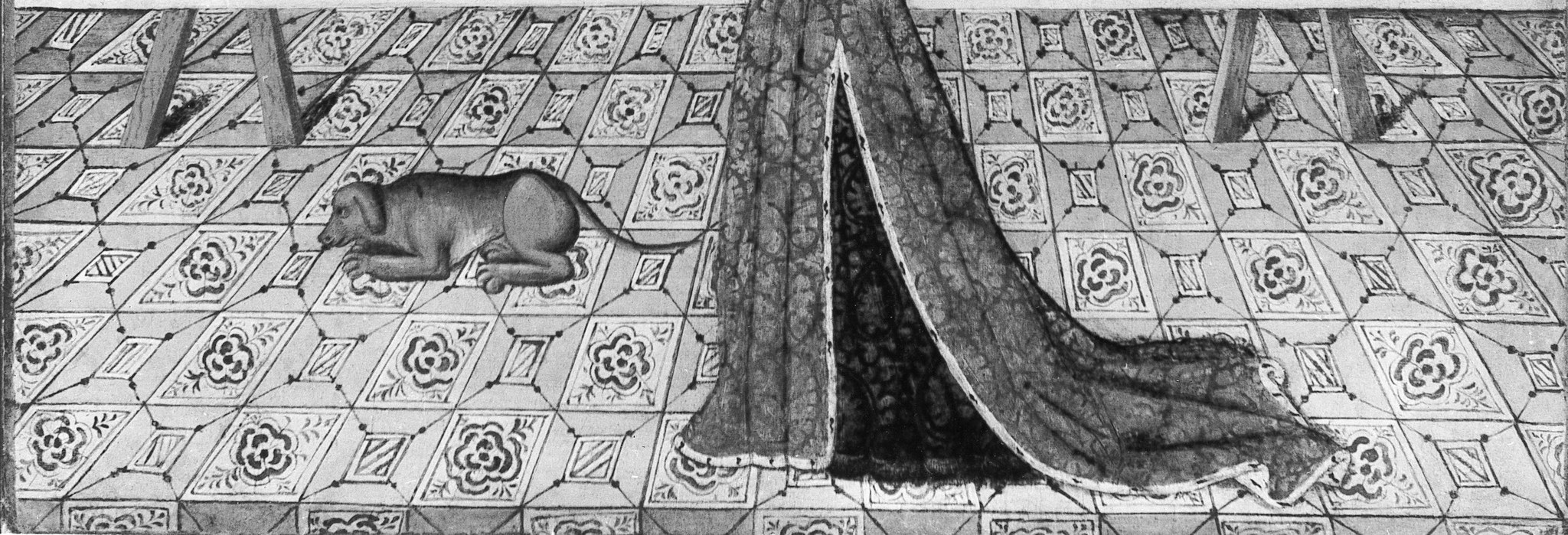
Now look at the tiled floor, lower left. A small dog is curled up, asleep. It is the only living creature in the room that is not reacting to the head. The dog is an anchor of ordinary domestic life, which makes the platter above it even more grotesque. And just to the right of the head on the table: bread loaves. The meal has not stopped.

The painting uses a devotional format for a deeply uncomfortable subject, the moment a dancer's wish becomes a death. The artist's real subject may be moral complicity. Every face around that table, rich or poor, chose to stay at the feast. The dog is the only innocent in the room.

#arthistory #flemishpainting #salome

Details
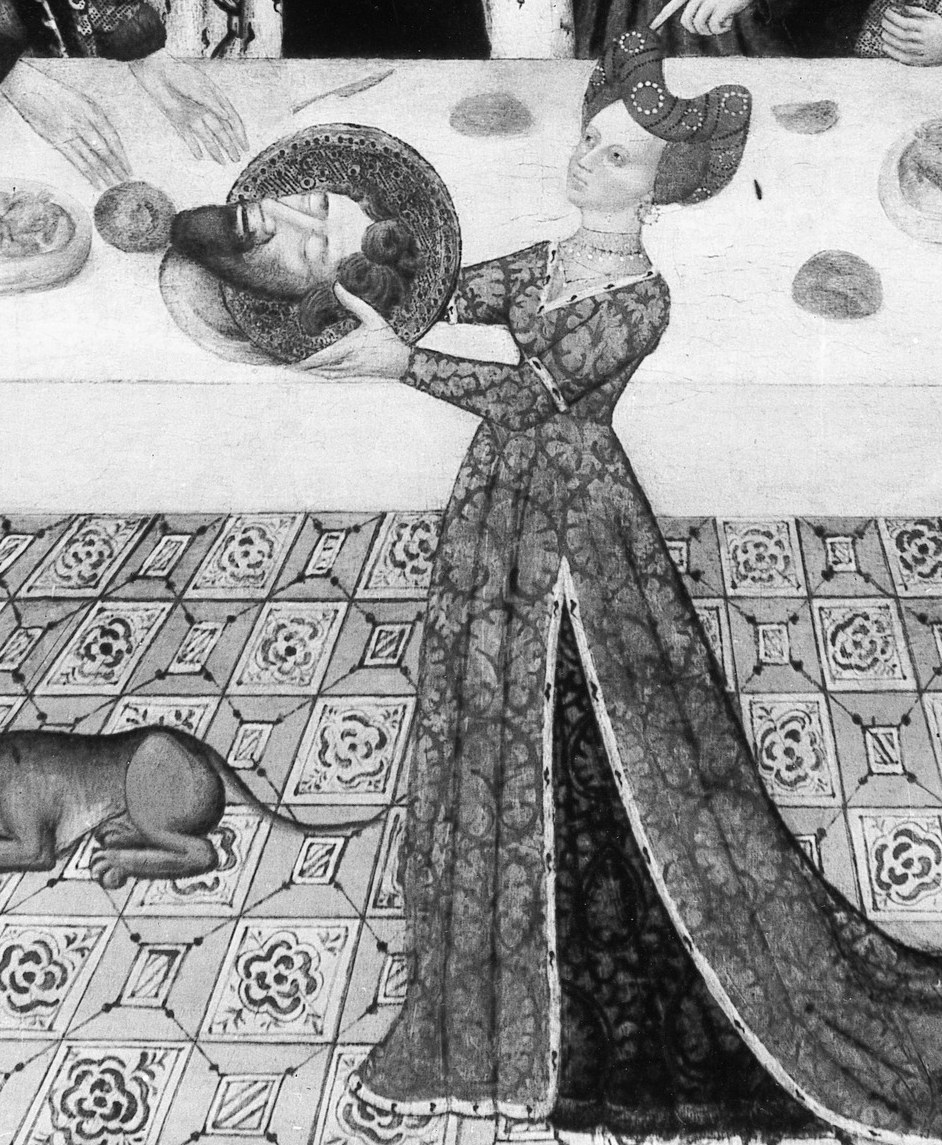
The pivotal narrative figure , her arched-back posture of offering creates dramatic tension between beauty and horror; her elaborate gown and jeweled headdress contrast sharply with her grim cargo.
The moral and visual center of the painting; the head held aloft draws every sightline in the composition, making the viewer complicit in the act of looking.
The interlocking tile pattern is a demonstration of perspective skill and meticulous craftsmanship; its decorative beauty underscores the Flemish delight in surface detail even in grave narrative scenes.
The white tablecloth acts as a visual horizon dividing the witness-crowd above from Salome's lone figure below , a compositional device separating complicity from action.
The elaborate late-Gothic butterfly or horned headdresses are precise fashion markers dating the commission; their composed faces contrast with the horror of the event, suggesting courtly complicity.
Transcript

A princess kneels. She presents her prize. This is the head of Saint John the Baptist. The onlookers cannot look away. But down here, something else is happening. A small dog sleeps through the whole execution. In Flemish painting, a dog meant loyalty and earthly life. And the feast continues. Bread sits inches from the head.