The Niccolini-Cowper Madonna by Raphael
View the artwork: The Niccolini-Cowper Madonna →
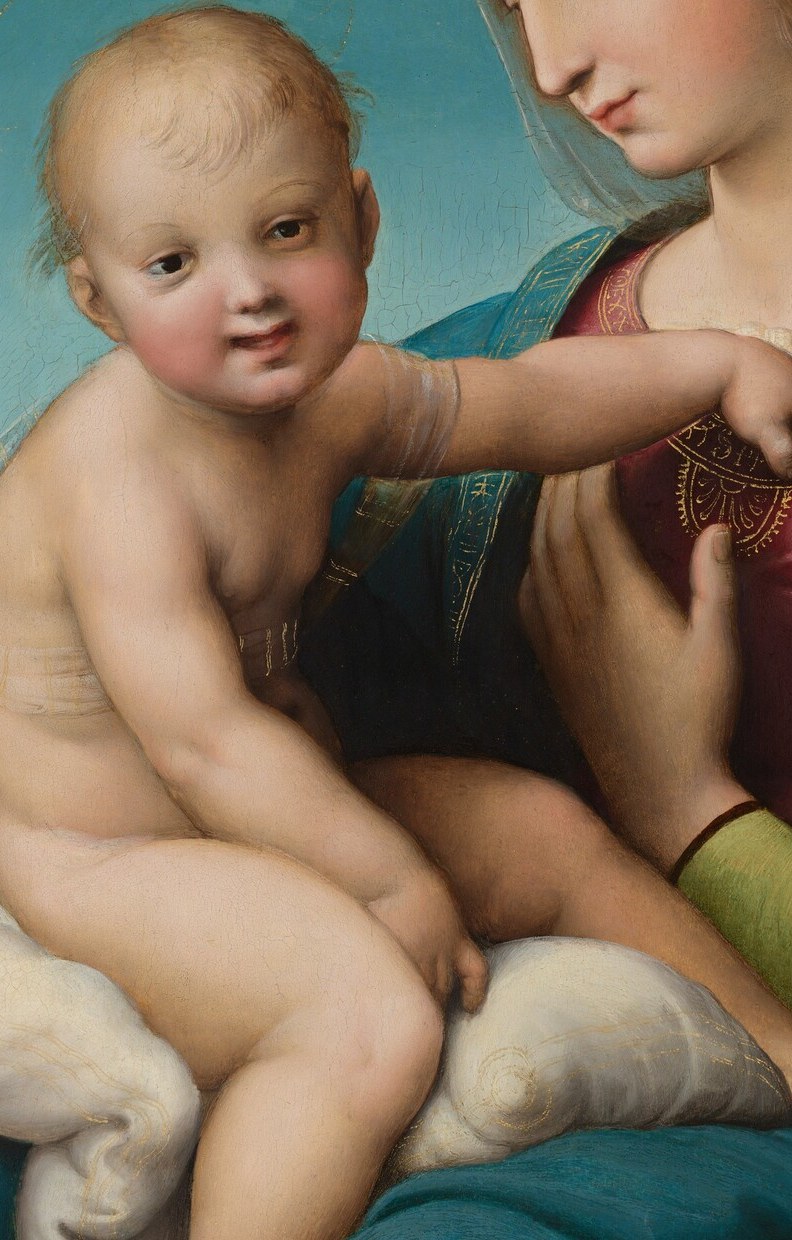
This is Raphael's Niccolini-Cowper Madonna, also known as the Large Cowper Madonna, painted in 1508. It hangs today in the National Gallery of Art in Washington, D.C., and its journey there is a story of wealth, obsession, and one of the most expensive art deals of the early 20th century.
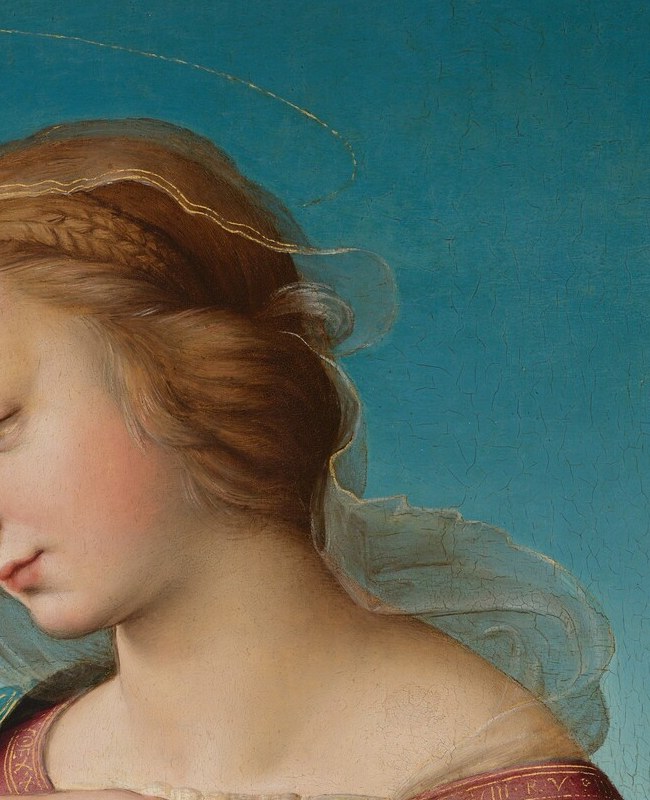
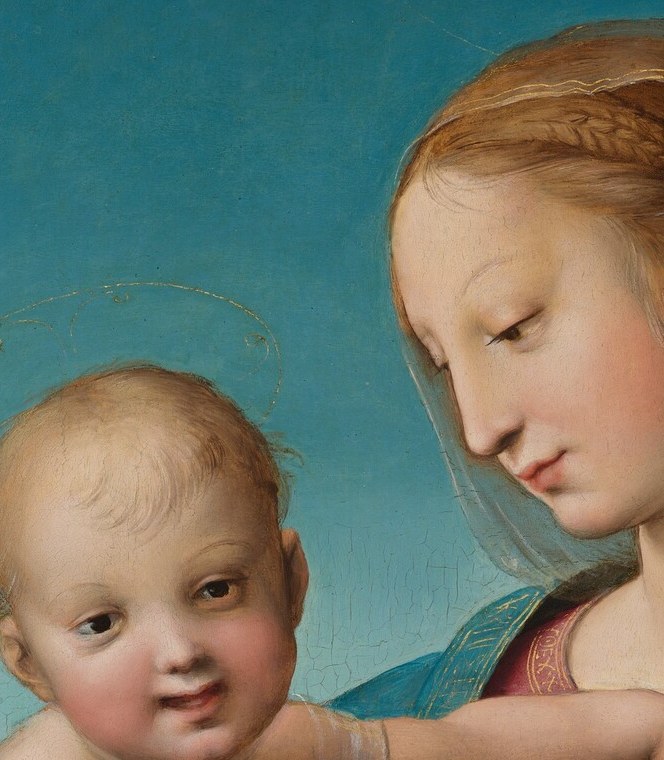
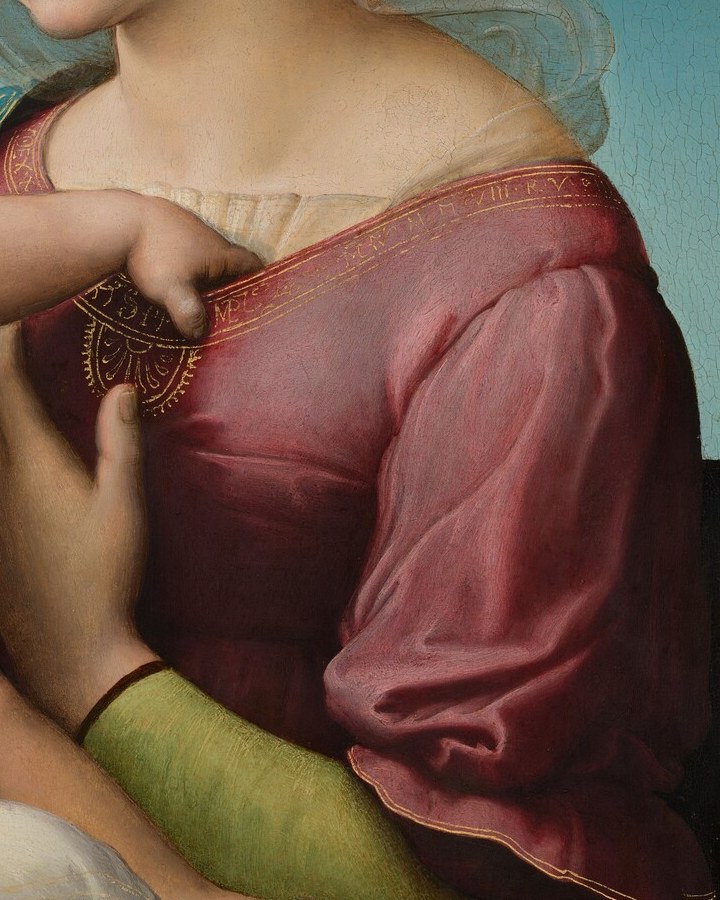
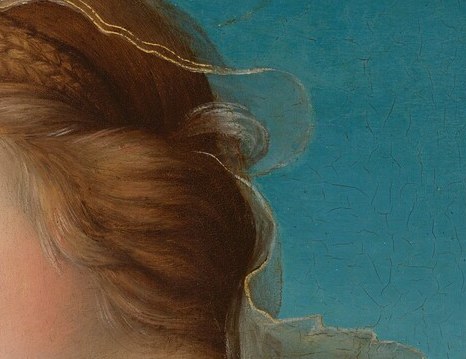
Look at the hands. The Christ Child reaches up toward Mary's bodice while her hand wraps firmly around his torso, a gesture of tender restraint. The painting is only 31.5 inches tall, but Raphael gives every detail monumental weight: the translucent veil over her chestnut hair, the crimson of her dress signaling the Passion to come, and the infant's wide, knowing eyes that meet the viewer directly.
The painting is named for two of its owners. It resided for centuries in the Palazzo Niccolini in Florence before George Cowper, the 3rd Earl Cowper, acquired it during his Grand Tour in the 1780s. Cowper was a passionate, almost obsessive collector; his contemporaries described him as 'mad for pictures.' He brought the Raphael to his estate in Hertfordshire, where it remained until the family's financial troubles forced a sale.
In 1928, Andrew Mellon, the American banker and future Treasury Secretary, purchased it for $875,000. Adjusted for inflation, that is over fifteen million dollars today. Mellon was quietly building the core collection of what would become the National Gallery of Art, and the Niccolini-Cowper Madonna was one of his crown jewels. A small panel that crossed a continent, two centuries, and a staggering price tag to find its final home.
#arthistory #raphael #renaissance
Details
Transcript
She looks like serenity itself. Raphael painted her in 1508, at the height of his Florentine period. For centuries, it hung in the Palazzo Niccolini in Florence. Then, in the 1780s, a young English earl on the Grand Tour bought it. George Cowper brought it to England, giving the painting its name. In 1928, the American banker Andrew Mellon paid $875,000 for it. Three-quarters of a million dollars. For a painting barely two feet tall.