The Smokers by Adriaen Brouwer by Adriaen Brouwer

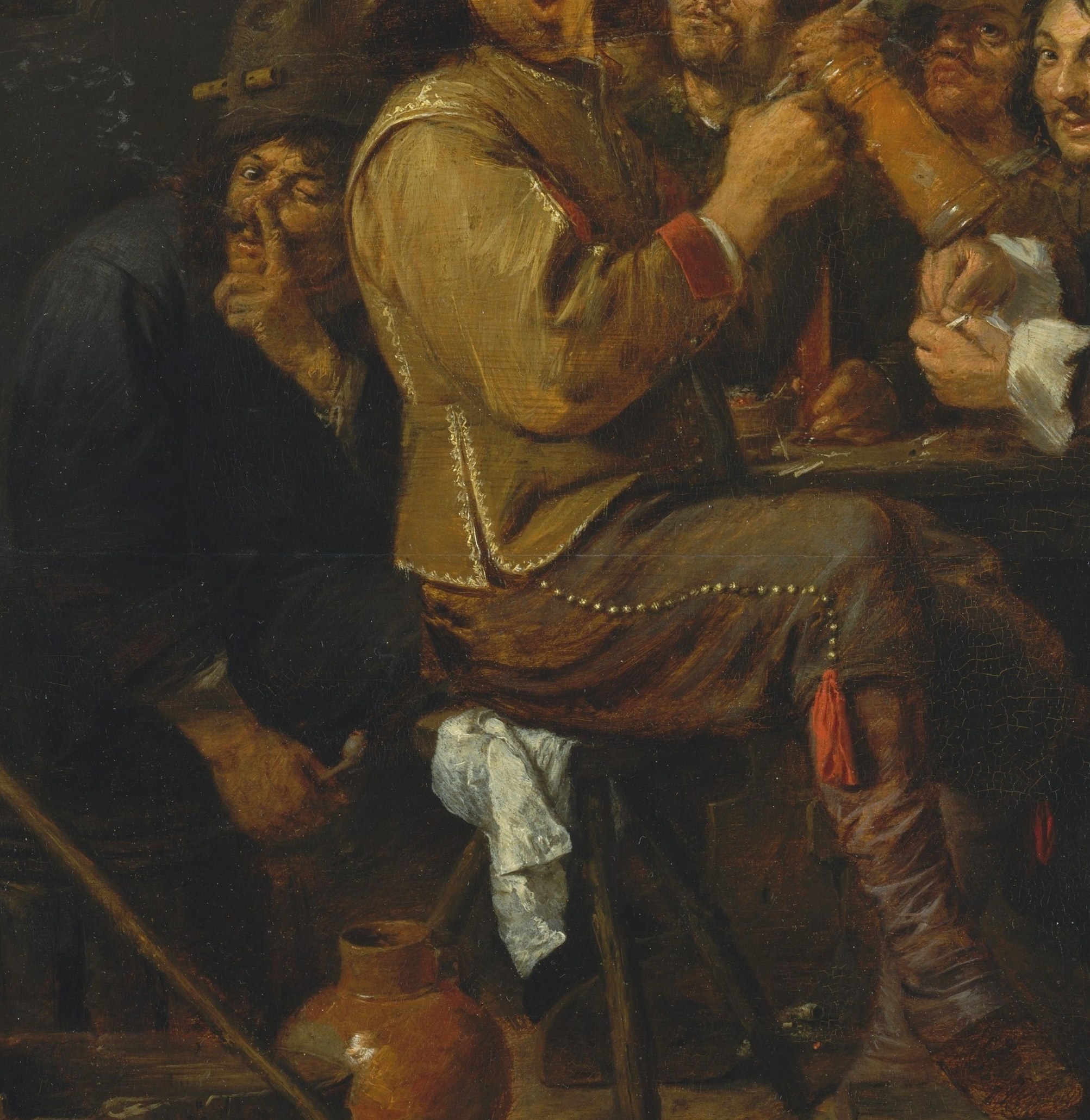
The Smokers, by the Flemish painter Adriaen Brouwer, was made around 1636 and hangs in the Metropolitan Museum of Art. It measures just 46 by 37 centimeters: a pocket-sized tavern scene that carried enormous weight for the artists who saw it.

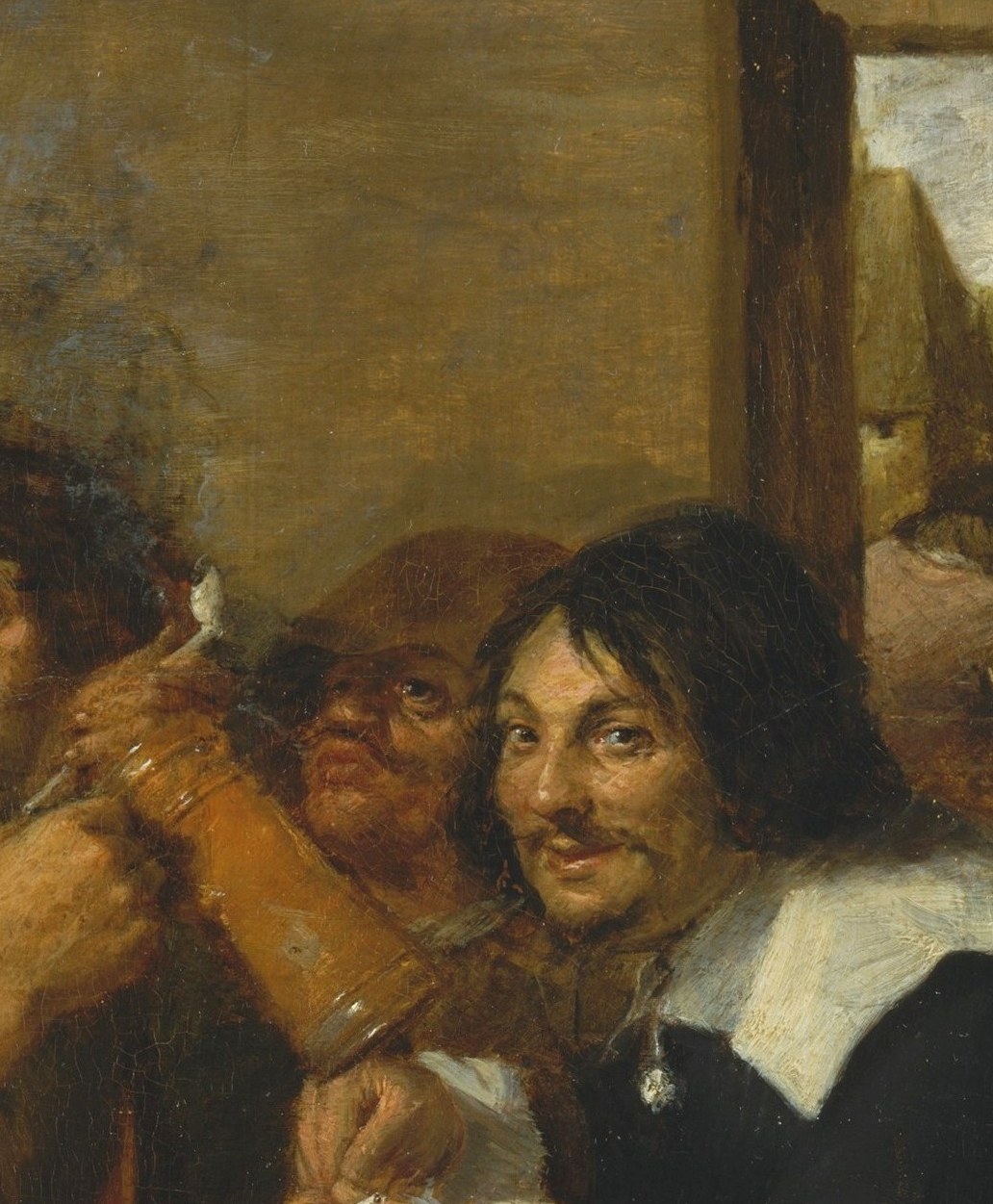
The figure on the left, mouth wide open, is a self-portrait of Brouwer himself. He painted his own face in a state of extreme, near-theatrical expression. The man on the right wears a crisp white lace collar, a quiet signal that he belongs to a different social world than his shouting companion. Brouwer was documenting the collision of classes that the tavern made possible.

Brouwer died in 1638 at the age of 32, leaving behind a small body of work. What survives transformed genre painting: his loose, visible brushwork and unguarded human expressions were unlike anything being made at the time. Both Peter Paul Rubens and Rembrandt collected his paintings. Rubens owned seventeen of them; Rembrandt owned six. Two of the greatest painters who ever lived competed for works by a young man who painted peasants getting drunk.

Brouwer's taverns are not moral warnings. They feel like the record of someone who was in the room.

#arthistory #adriaenbrouwer #flemishpainting

Details
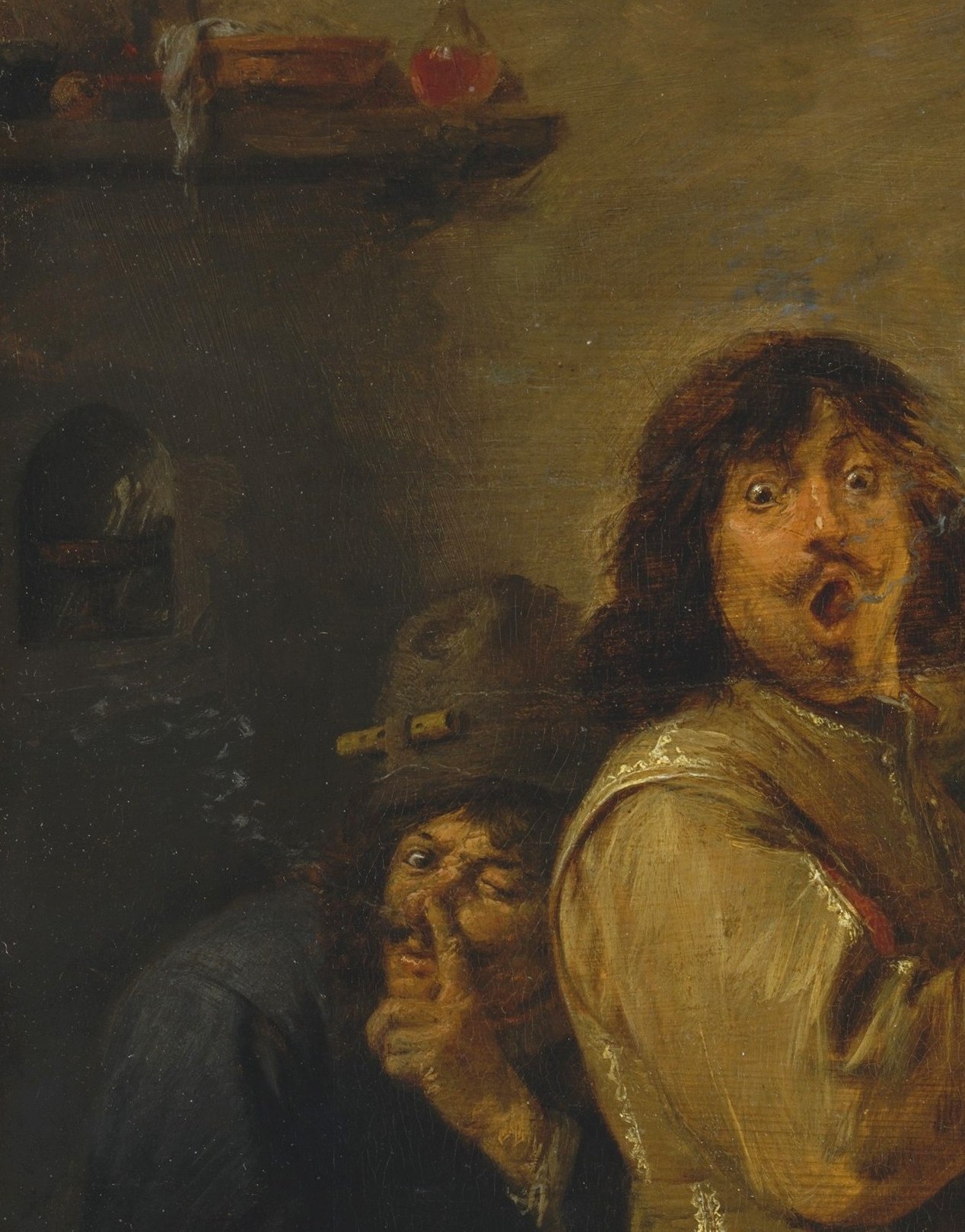
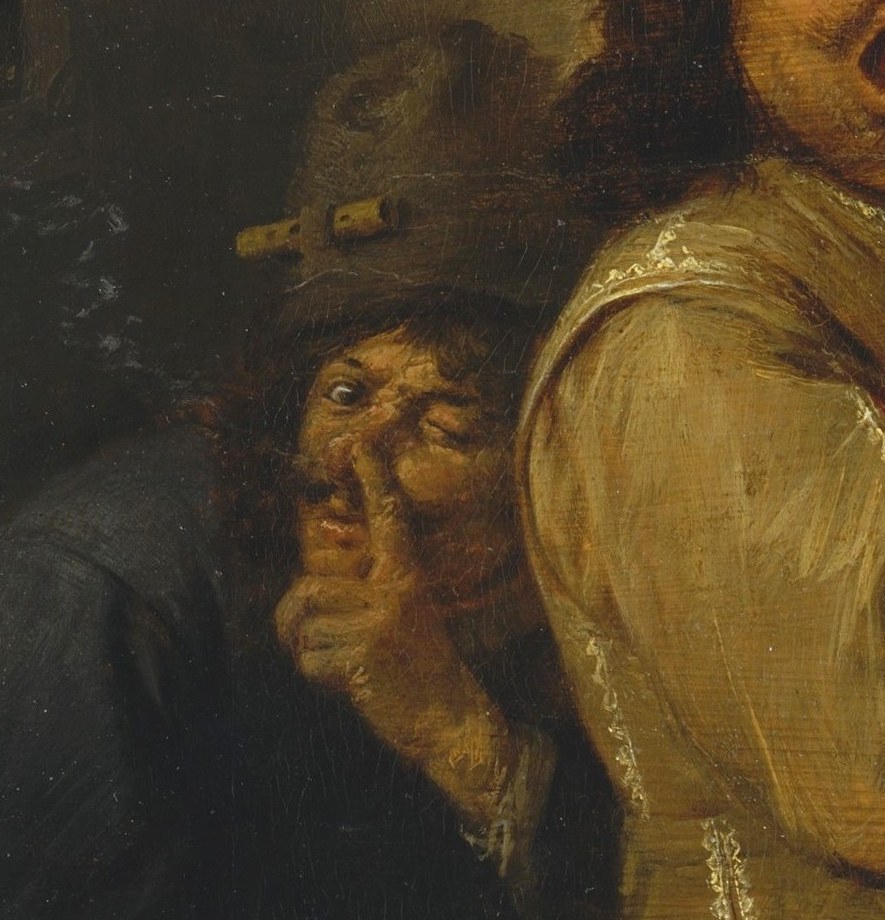
The painting's emotional core , an extreme open-mouth expression that sits on the edge of caricature and realism, almost certainly a self-portrait of Brouwer, who documented his own dissolution with dark humor.
Better-dressed than his companions, his composed amusement signals a different social class slumming in tavern company , the contrast with the shouting man is the painting's social argument.
A close-up reveals near-theatrical distortion of features: this is one of 17th-century painting's most unguarded human expressions, virtuosic precisely because it is ugly.
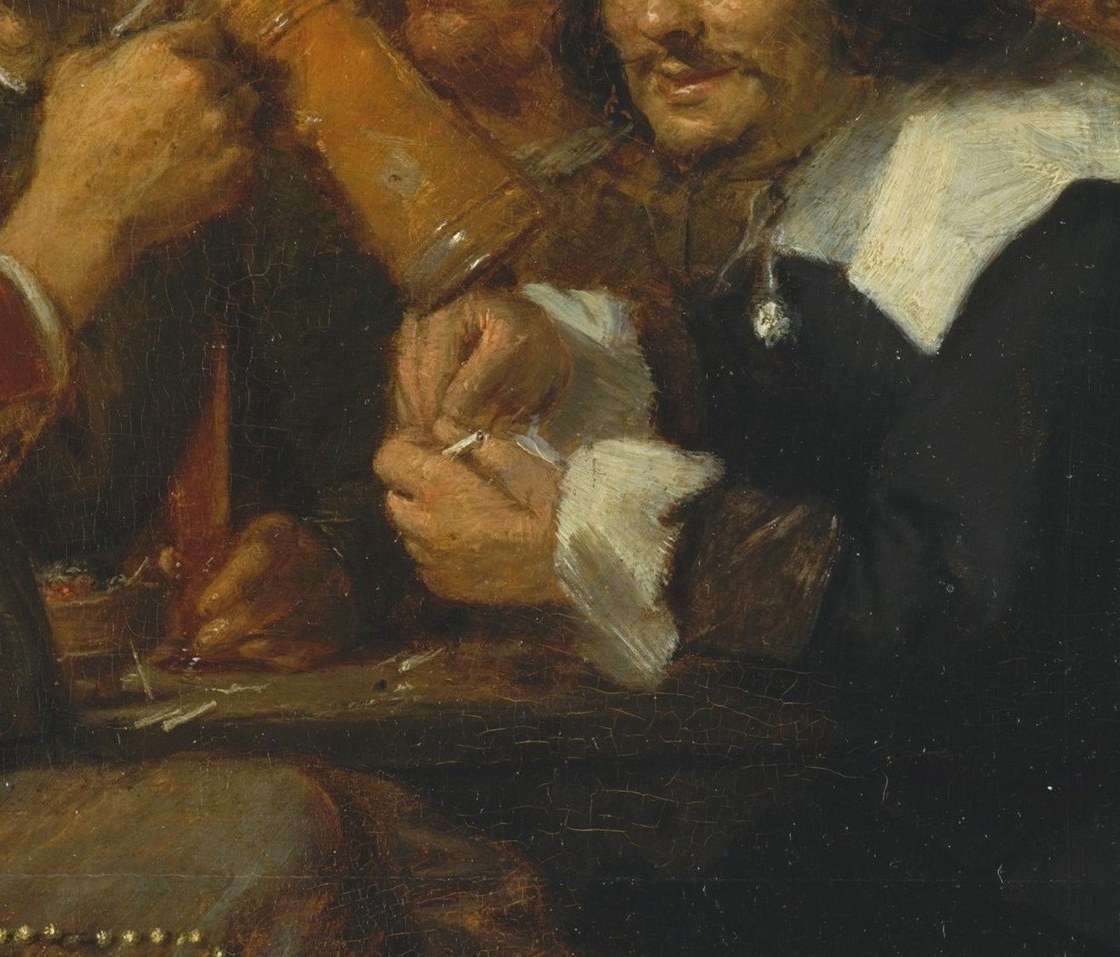
A legible status marker in one glance: refined linen among rough wool asks who exactly is visiting whom, and why the respectable man looks so pleased about it.
The warm brown tonality is not just Brouwer's palette but a pictorial simulation of tobacco haze , the medium imitates the subject, collapsing the distance between viewer and tavern.
Transcript

He looks like a caricature. He is almost certainly the painter. Adriaen Brouwer gave his own face to this moment of total abandon. The man on the right is dressed too well for this tavern. A white lace collar, clean and pressed, among rough wool. Brouwer died at 32. He painted fewer than 60 works. Rembrandt and Rubens both collected his paintings. They competed for them.