The Seine: Morning by Charles François Daubigny
View the artwork: The Seine: Morning →
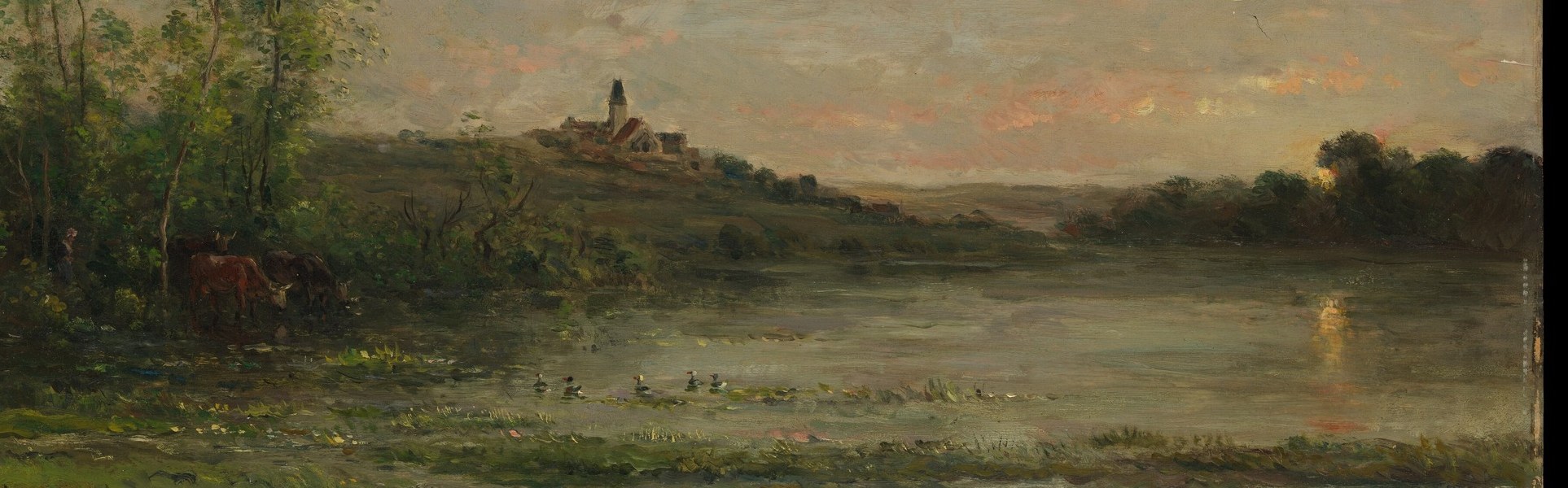
Charles François Daubigny painted "The Seine: Morning" in 1874 from a boat he converted into a floating studio, a leaky craft he called "Le Botin" (The Boot). This single habit fundamentally changed where a painter could stand, allowing Daubigny to capture the surface of the water as a mirror for the sky in a way nobody had quite done before. The work now lives at the Museo Nacional de Bellas Artes in Havana.
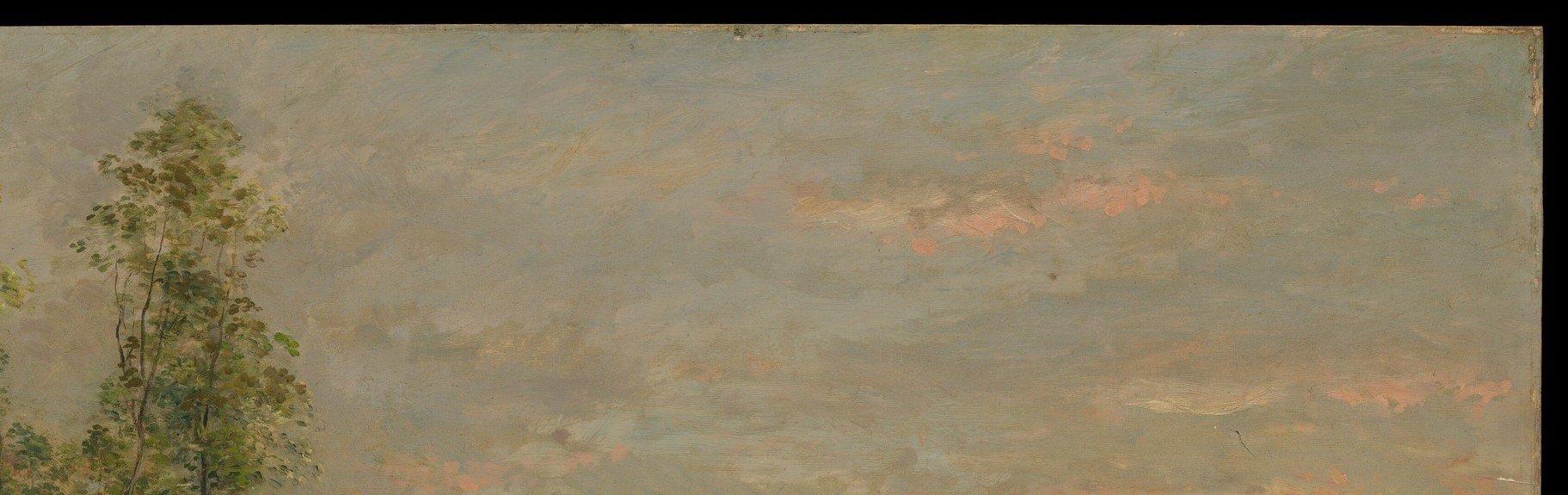
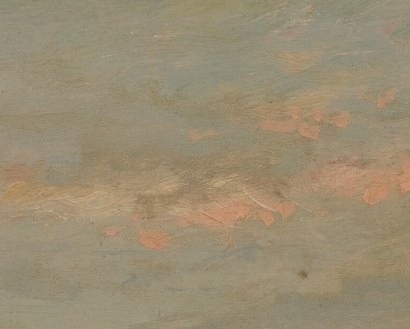
Look first at the horizon. There is a delicate band of mist where the pale gold sky meets the far bank, that fleeting transition was Daubigny's true subject. Then let your eye drop to the water itself. The broken horizontal brushstrokes in the foreground are the most radical passage in the painting; they predict Monet's water-lily surfaces by decades.
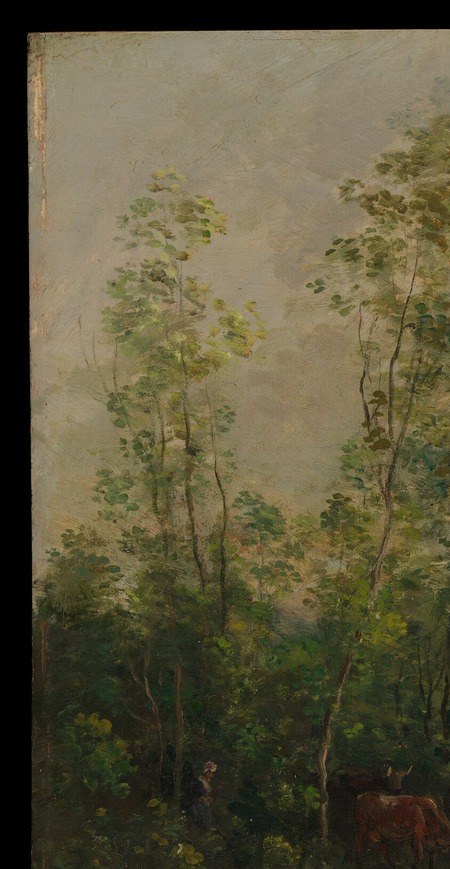
Most people scroll right past the tiny church on the distant hill and the small cows grazing on the far bank. Daubigny embedded these barely legible life-signs in nearly all his late river scenes, not as afterthoughts, but as the scale anchors that make the landscape feel enormous. The painting looks empty for the same reason dawn on a real river feels empty: the details are there, they just require your stillness.
Daubigny was dismissed by many critics for his sketch-like looseness, but the Impressionists saw him as a trailblazer. Monet himself outfitted a studio-boat in 1871, directly inspired by Daubigny's example. A quiet painting can change how you see, which is a fine thing to sit with.
#arthistory #daubigny #barbizonschool
Details
Transcript
A vast, empty river under a pale morning sky. The painter captured dawn from a floating studio. He worked swiftly, chasing the light as it changed. Near the shore, a few small ducks drift on the water. And across the far bank, cows graze in the flat fields. But the story of this painting sits out on the hill. A tiny church, barely visible, that gives the scene its scale.