Still Life with Stoneware Jug and Pipe by Velde III, Jan Jansz van de
View the artwork: Still Life with Stoneware Jug and Pipe →
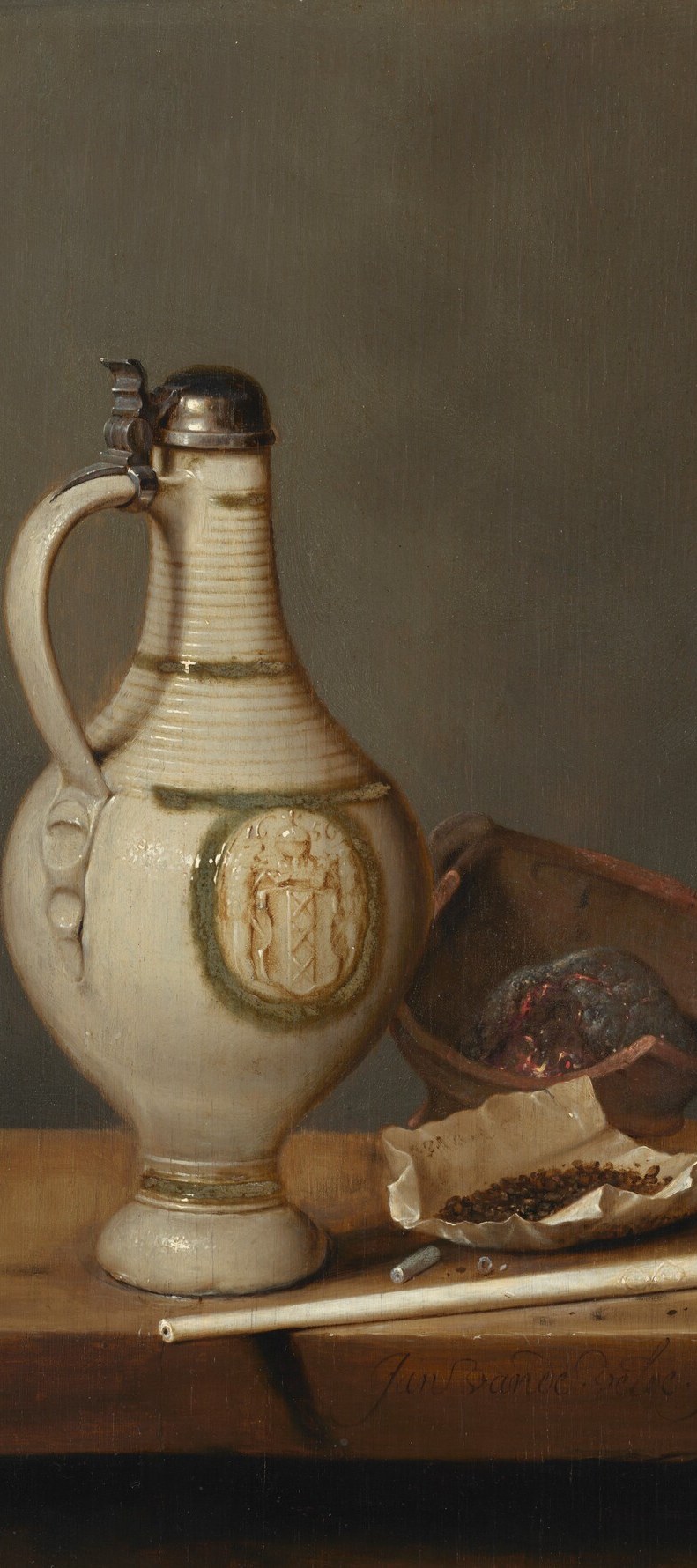
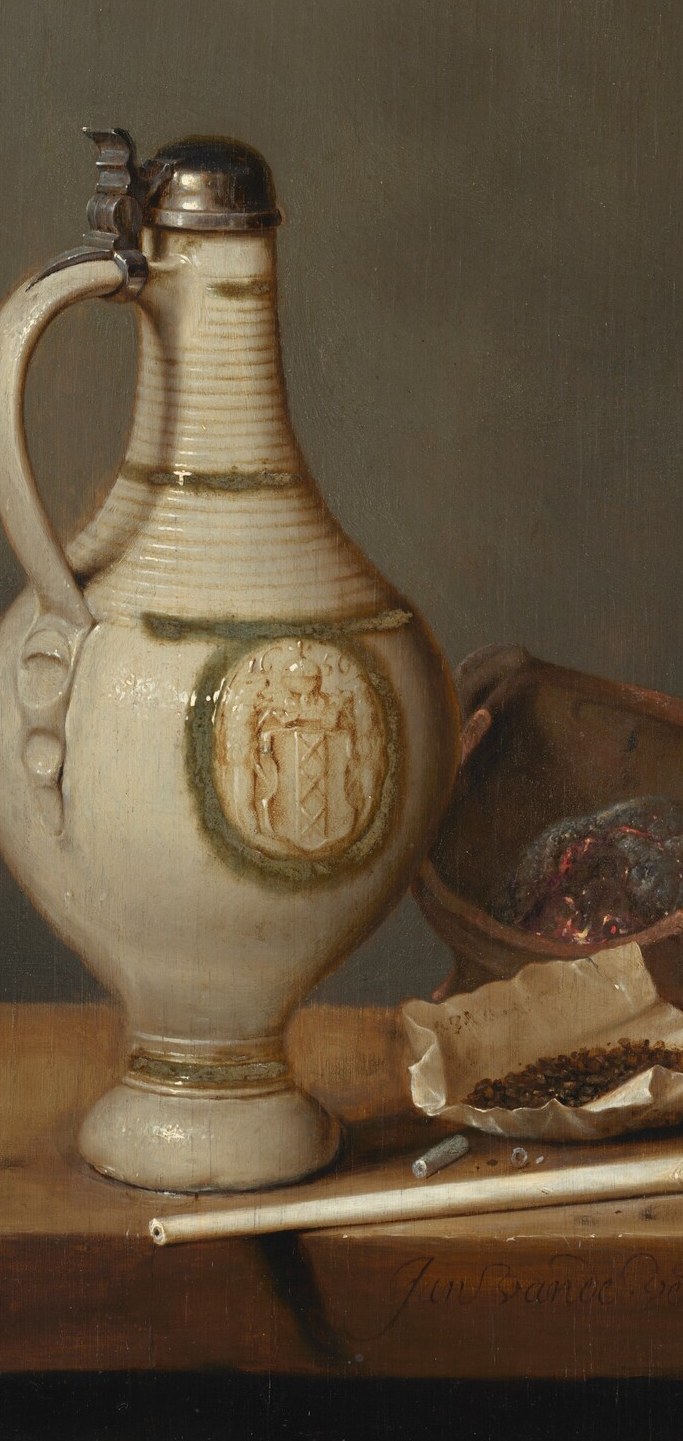
Jan Jansz van de Velde III painted this small, quiet still life around the mid-1650s, and it spent most of its existence hidden in a French noble family's private collection. It surfaced in Paris only in 2018 and now belongs to the National Gallery of Art in Washington. The panel is tiny, about 36 by 28 centimeters, and its objects are deliberately ordinary: a tavern jug, a clay pipe, a folded paper, a wine glass.
Look at the pipe first. It has been smoked and set down. In the symbolic language of Dutch still life, a spent pipe was an unambiguous sign of transience, a pleasure that burns briefly and goes cold. Beside it, the folded broadsheet or letter represents worldly knowledge that is already yesterday's news. The nearly drained wine glass says the same thing: the drink is finished, the convivial moment over.
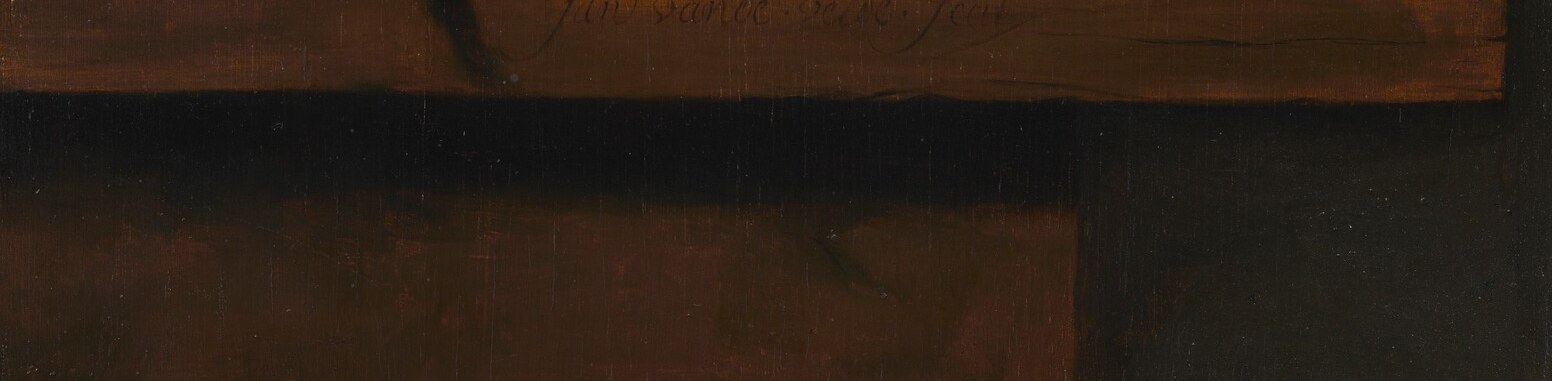
The tall stoneware jug anchors the whole composition. Impressed into the clay is the date 1650, which ties the painting to a specific moment, and quietly reminds us that even sturdy objects carry a timestamp. Van de Velde III signed it along the table's front edge as if carving his name into stone, a trompe-l'oeil trick that blurs the boundary between paint and reality.
No skull appears here. No hourglass. The moral argument is made entirely from the things a Dutch merchant would have handled every day. The code is gentle: enjoy your pipe and your glass, but remember what they mean.
#arthistory #dutchgoldenage #vanitas
Details
Transcript
A tavern table after the drinkers have left. The clay pipe. Its smoke lasted only a minute. In Dutch still life, a pipe means transience. The folded broadsheet: worldly news, already old. The stoneware jug is impressed with the year 1650. The glass is nearly empty. Pleasure is fleeting. Together they whisper: time is short and pleasures vanish.