Madame Sophie de France (1734–1782) by François-Hubert Drouais
View the artwork: Madame Sophie de France (1734–1782) →
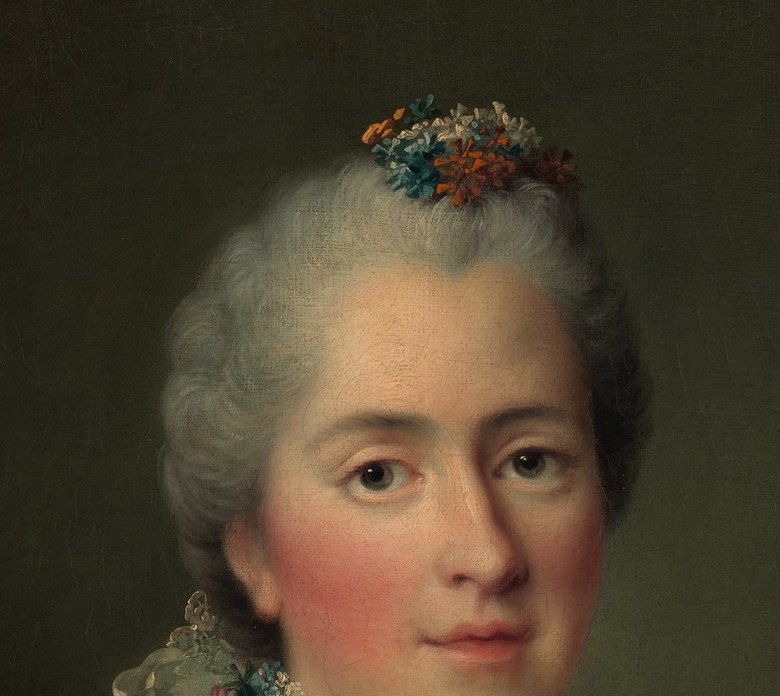
This is Madame Sophie de France (1734-1782), painted in 1762 by François-Hubert Drouais, the leading portraitist of Louis XV's court. She was the king's sixth daughter, a woman of quiet dignity whose life was shaped entirely by the protocol of Versailles. The painting is a masterclass in aristocratic self-presentation, every detail was calculated to broadcast wealth and status before a single word was spoken.
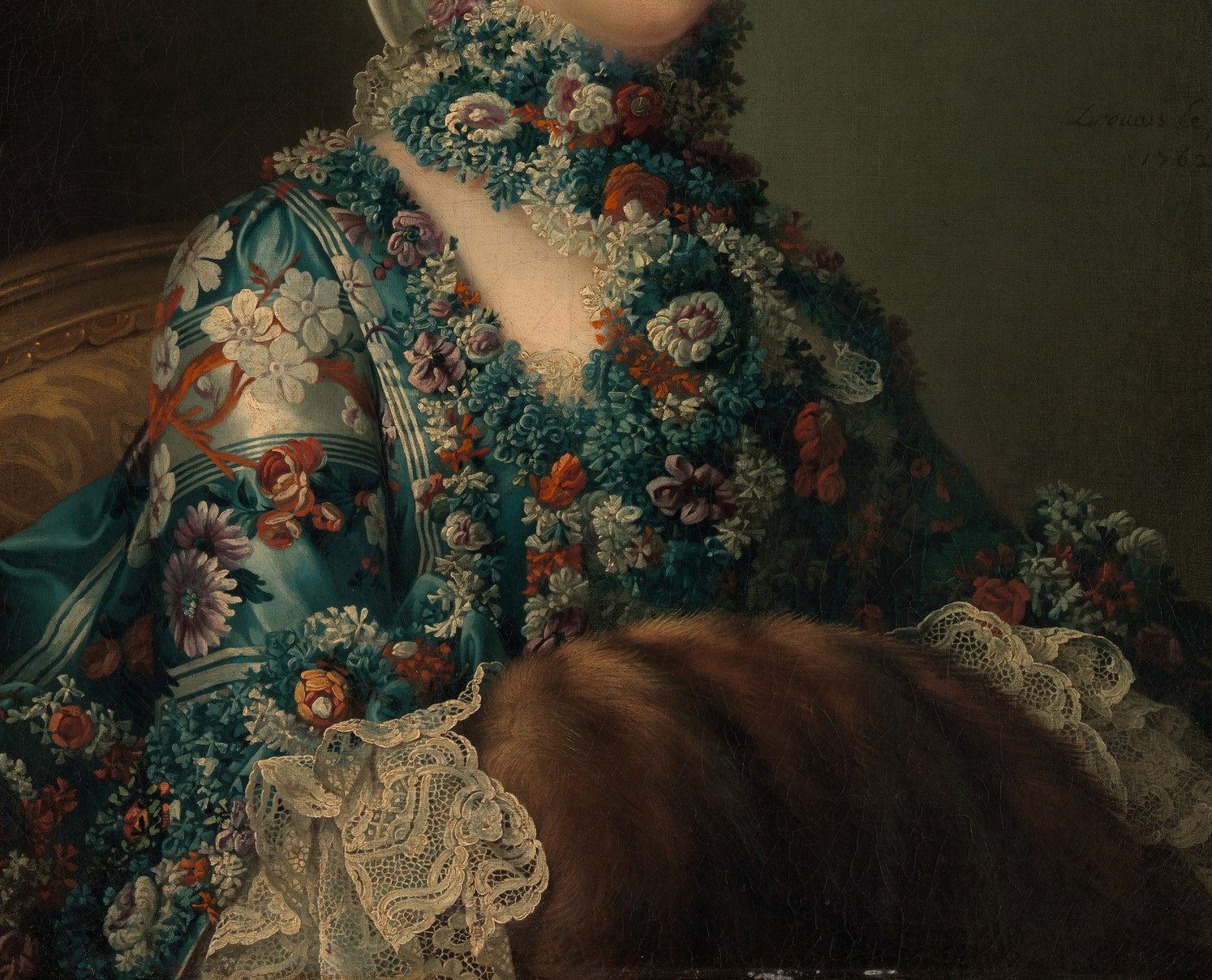
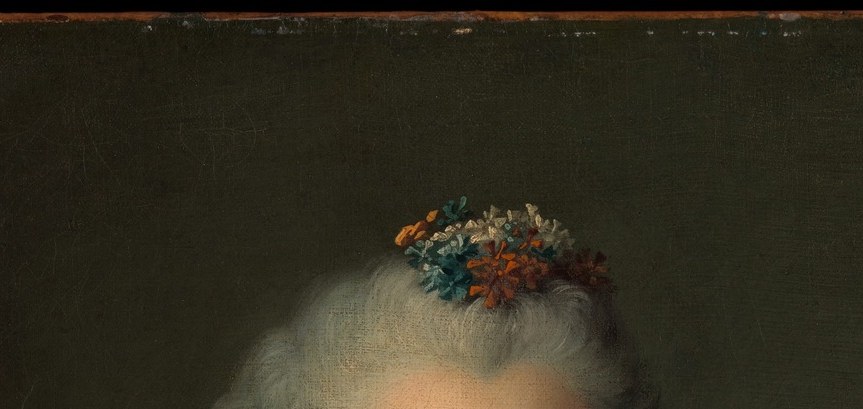
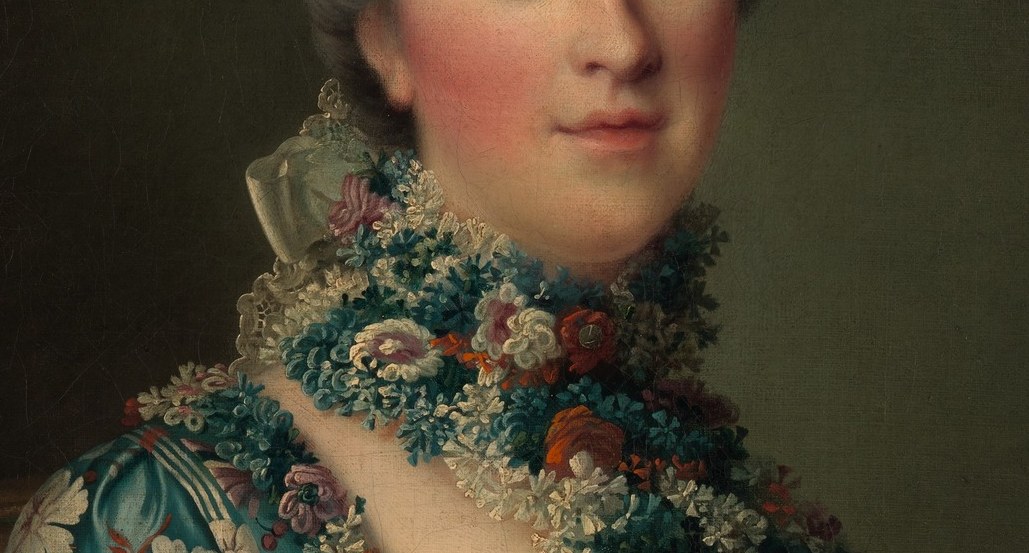
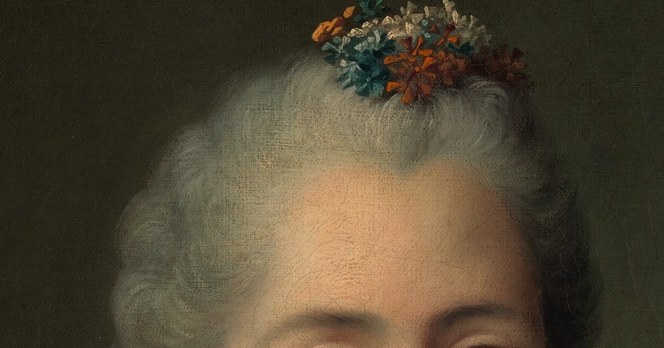
The teal-blue silk bodice is the centerpiece. Its dense floral embroidery was hand-sewn by artisans whose names are lost, and it cost more than most French subjects earned in several years. Follow the sleeve down to the lace cuff: Drouais shifts his brushwork entirely to render the transparent point de France lace against the heavy silk, a technical flex that distinguished him from his competitors. The flower corsage introduces a deliberate warm accent in an otherwise cool palette, and her averted gaze is not shyness but a compositional convention that invites the viewer without confrontation.
Sophie never married. She lived her entire life at Versailles under the watchful eye of court etiquette, and when she died in 1782, just seven years before the Revolution, the royal wardrobe simply reclaimed everything she wore. Even the gown in this portrait was not hers to keep. The painting remains a record of a woman who performed her role flawlessly while possessing almost nothing in her own name.
What would it have felt like to wear a fortune that never belonged to you?
#arthistory #frenchportraiture #versailles
Details
Transcript
In 1762, a French princess sat for her portrait. Her name was Sophie, daughter of Louis XV. The artist was the most sought-after portraitist in France. Look at the embroidery on this bodice. Hand-sewn silk like this cost more than a commoner earned in years. Drouais was paid handsomely, but the dress itself was the real fortune. Her gaze drifts past us. She was a woman who owned nothing, not even this gown. The royal wardrobe reclaimed it all.