Condesa de Altamira and Her Daughter, María Agustina by Francisco Goya
View the artwork: Condesa de Altamira and Her Daughter, María Agustina →
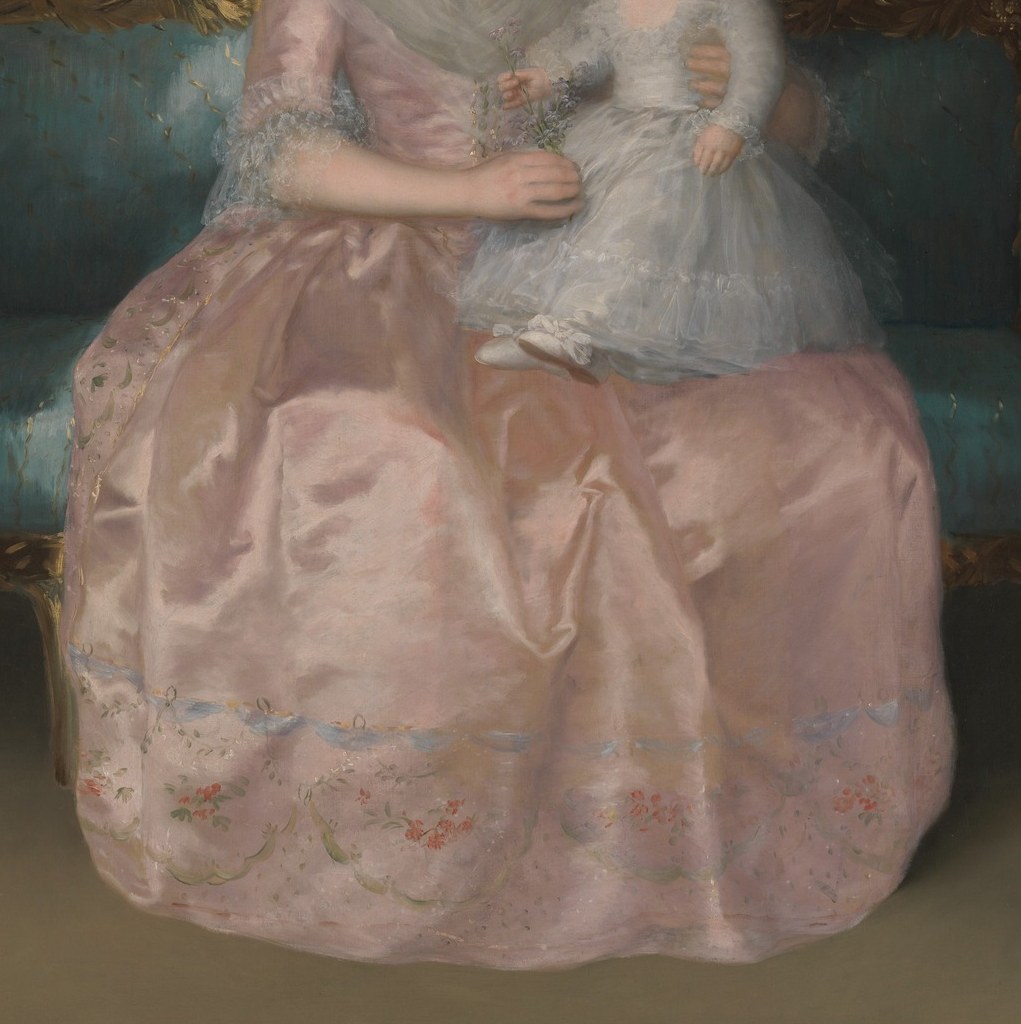
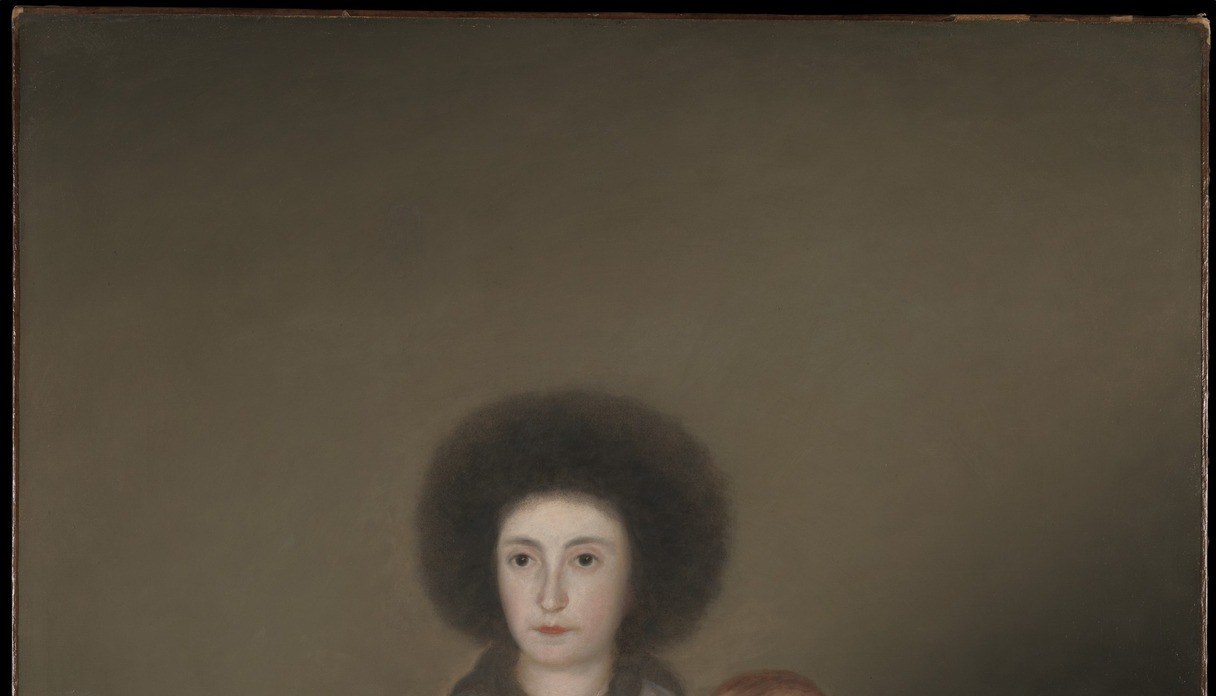
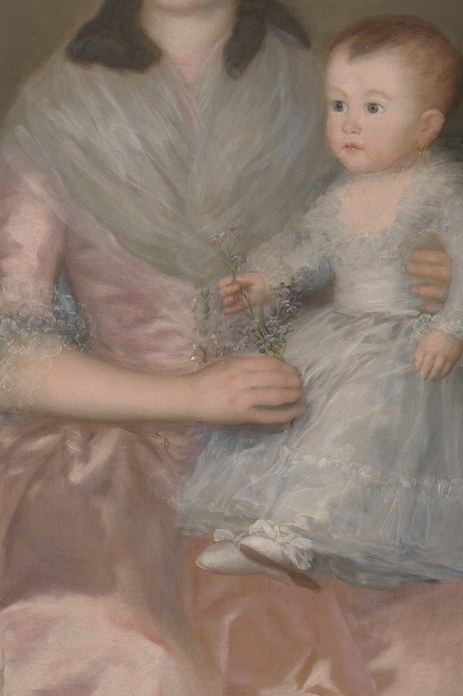
Francisco Goya painted "Condesa de Altamira and Her Daughter, María Agustina" in 1787. It hangs in the Metropolitan Museum of Art. The portrait presents the quiet composure of the Spanish aristocracy: the Condesa in an elaborate wig, a pink silk skirt, and fine lace. But the most important fact about this painting isn't visible in the brushwork.
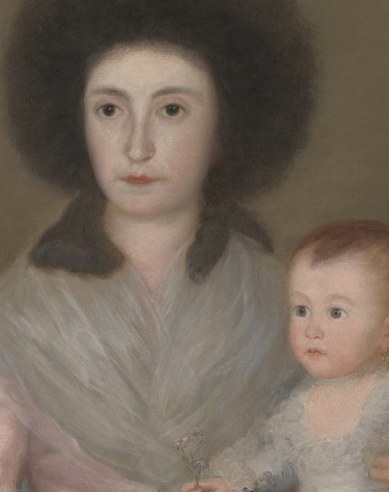
Look at the baby's face. María Agustina holds your eye with a directness that's oddly adult. Goya renders her translucent white gown with ghostly thinness, the small bouquet in her hands a traditional protection against illness and evil. The mother's hands are the most delicate passage in the painting, cradling, sheltering, utterly present.
The Condesa de Altamira had already lost four children by the time she sat for this portrait. Goya, who had married Josefa Bayeu in 1773, who was a father himself, knew this grief. Of his own children, only one son, Javier, would survive to adulthood. When he painted this mother holding her infant daughter, he painted the fragile line between love and loss.
What do you see in the way she holds her child?
#arthistory #goya #portraiture
Details
Transcript
In 1787, she was the Condesa de Altamira. Goya paints her with a steady, untroubled face. Her wig and lace announce the highest rank. She cradles her daughter with enormous care. The baby holds a small bouquet, a charm against evil. By the time Goya painted this, the Condesa had buried four children. María Agustina looks back at us, wide-eyed and intense. Goya himself would survive only one of his own children.