Emma Van Name by Joshua Johnson
View the artwork: Emma Van Name →
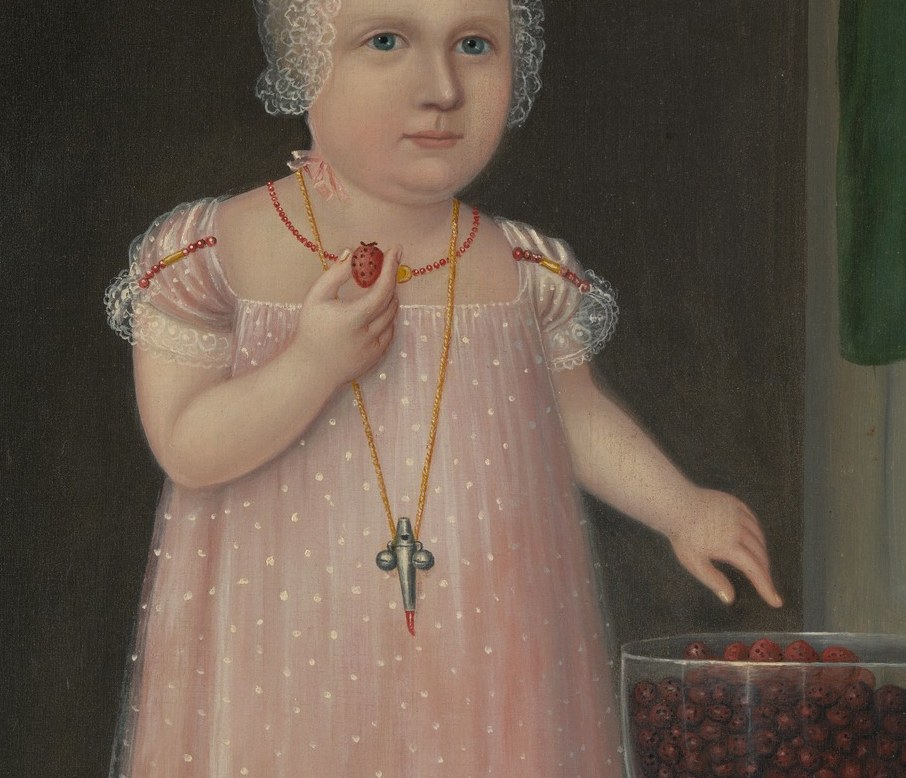
This is Emma Van Name, a portrait painted around 1805 by Joshua Johnson, now in the Metropolitan Museum of Art. Its calm surface hides a combative modern history: when the Whitney Museum tried to sell it in the 1970s, the public protested so loudly that the sale was stopped.
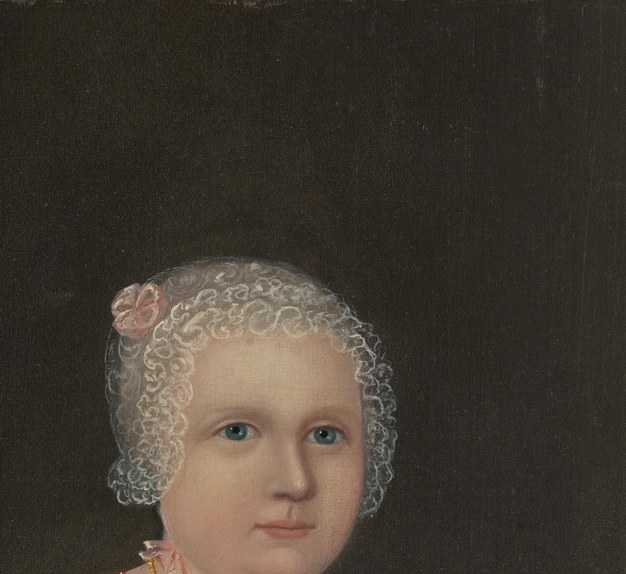
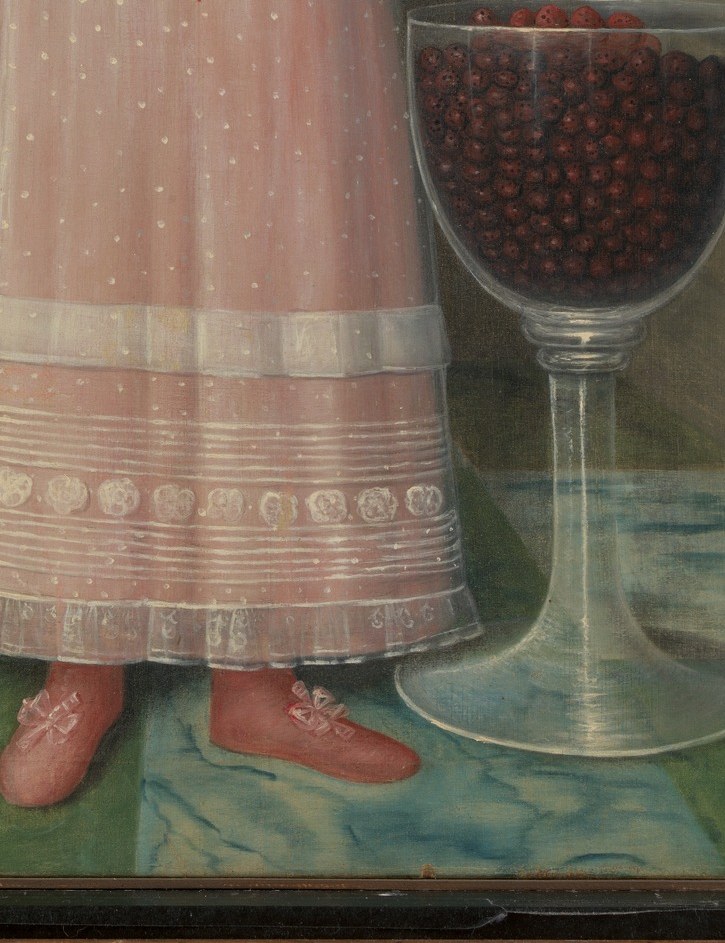
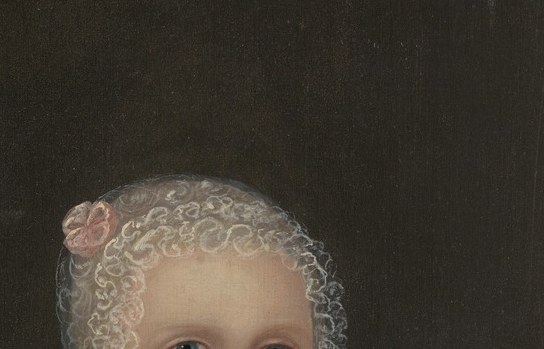
Look at the child. She meets your eyes with a directness that feels unusual for a toddler. Her hand holds one strawberry, while beside her an oversized goblet overflows with fruit. Johnson gave her a pink dress with crisp white trim, and he set her on a checkerboard floor that roots the picture in order and stability.
Johnson worked in Baltimore and was the earliest documented professional African American painter. He had no formal training, yet he made a career painting portraits of Maryland families and their children. This picture stayed with descendants of the Van Name family until the late 1950s, when the New York dealer Edith Halpert brought it to public attention.
After the Whitney’s aborted sale, the painting entered the Met’s collection in 2016. Sometimes a small face in a pink dress can change what a museum is allowed to do.
#arthistory #JoshuaJohnson #folkart
Details
Transcript
She looks like a calm, well-dressed toddler from 1805. The man who painted her was a self-taught folk artist in Baltimore. He was also the earliest identified professional African American painter. In the 1970s, the Whitney Museum announced it would sell this painting. The public sale of a folk-art treasure sparked immediate outrage and protests. Her steady stare met the controversy, and the sale was halted. She stayed in New York and entered the Met in 2016, no longer for sale.